
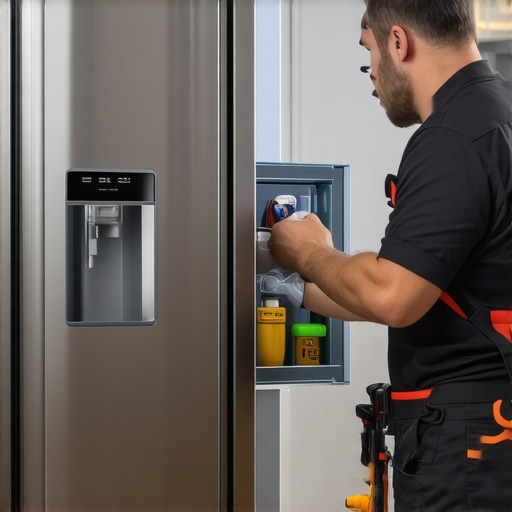
It was 3:15 AM on a chilly Tuesday. The house was dead silent, except for that one agonizing, low-frequency hum vibrating straight through my bedroom floor. My refrigerator was running. Again. It had been running since dinner time without a single pause. I lay there staring at the ceiling, mentally calculating the spike in my next electric bill, feeling absolutely defeated by a giant stainless-steel box. If you have ever felt like screaming at your kitchen appliances in the middle of the night, you are definitely not alone. A constantly running fridge is more than just a noisy nuisance; it is a blatant cry for help from one of the hardest-working machines in your home.
Your Fridge is Screaming for Help and You Need to Listen
When your refrigerator runs non-stop, it is working overtime to maintain its cool. The good news? You do not need to call an expensive technician just yet, nor do you need to start shopping for refrigerators in 2025. Most of the time, the culprit behind this relentless cycling is incredibly simple to fix. In fact, I once made the foolish mistake of spending nearly two hundred dollars on a professional service call early in my homeowner days, only to watch the technician do something that took him exactly four minutes. I vowed right then and there to never let a simple appliance quirk drain my wallet again. Today, we are going to walk through the exact steps to diagnose and silence that buzzing beast in under five minutes.
Is a constantly running fridge actually a big deal?
You might be tempted to just ignore the hum and close the kitchen door, but that constant operation is actively killing your appliance’s lifespan. According to real-world appliance durability studies, a compressor running at a 100% duty cycle can degrade system components up to three times faster than normal, leading to premature compressor failure. Beyond the wear and tear, you are actively burning money. If you want to stop the financial leak, learning how to save money on your electric bill by tweaking your fridge settings is a great place to start. But first, we must address the physical blockages and seal failures that force the system to run continuously.
The Five-Minute Diagnostic Walkthrough
Before pulling the unit away from the wall, let us check the easiest physical barrier: the door gasket. If warm kitchen air is constantly leaking inside, your fridge will never stop trying to cool down. You can easily test this with a simple dollar bill test. Open the door, place a dollar bill across the seal, and close the door. If the bill pulls out easily with no resistance, your seal is compromised. Over time, dust and food spills prevent a tight magnetic grip, which is why learning how to check if your refrigerator door seal is actually airtight is the absolute best starting point for any homeowner. Have you ever noticed your fridge door popping open slightly on its own, or felt a cold draft when standing near the kitchen cabinets? Tell me in the comments below if your kitchen has become a localized wind tunnel!
Getting Under the Hood of Your Appliance
To understand why your refrigerator is running constantly, you need to think of it like an air conditioner on a hot summer day. Inside the sealed system of your home appliances is a refrigerant gas. The compressor acts like a pump, pushing this gas through your coils. If these coils are blocked, the heat cannot escape, forcing the compressor to run indefinitely. This issue isn’t exclusive to cooling units; it is similar to how a clogged heating element or filter causes a system to work overtime. By tackling the physical bottlenecks first, you can save your compressor from burning out prematurely.
Clear the Coils First
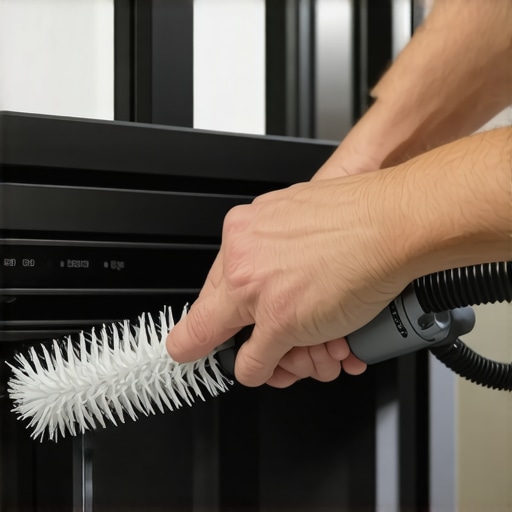
Your refrigerator has condenser coils, usually located underneath or behind the unit. These coils dissipate the heat removed from the inside of your fridge. When they get covered in dust, debris, or pet hair, they act like an insulating blanket, trapping the heat inside. To fix this, pull your fridge away from the wall, unplug it, and use a narrow vacuum attachment or a specialized coil brush to clear the buildup. I once neglected this chore for two years, and when I finally pulled the unit out, there was enough dog hair back there to knit a sweater. After a thorough cleaning, my fridge went from running continuously to cycling normally in under thirty minutes. If you have pets, learning how to clean a refrigerator condenser that is covered in pet hair is an absolute must-do maintenance task every six months.
Level the Unit to Save the Door Gasket
If your kitchen floor has even a slight slope, your refrigerator door might not be sealing properly because the entire cabinet is out of square. When a fridge is tilted slightly forward, gravity works against the magnetic gasket, leaving a microscopic gap that lets warm air slide in. This is a common issue with kitchen appliances, much like how an unlevel washing machine will violently shake your floor. Adjusting the leveling legs at the front of your fridge ensures that gravity helps swing the door shut and keeps it sealed. You can master this quick adjustment by learning how to level a refrigerator on an uneven kitchen floor. This simple mechanical tweak stops the cold air from escaping without costing you a single dime.
Adjust Your Temperature Settings the Smart Way
Many homeowners set their refrigerator temperature far too low, thinking colder is always better. However, setting the thermostat to the extreme cold end forces the compressor to run continuously because it is chasing an unreachable target temperature. A setting between 37°F and 40°F (3°C to 4°C) is the sweet spot for food safety and mechanical efficiency. You can optimize your settings and slash your utility costs by following the steps on how to save money on your electric bill by tweaking your fridge settings. If you suspect the internal thermometer is broken or fluctuating, check out why your fridge temperature fluctuates even when the door is shut to determine if a bad sensor is tricking your system into running non-stop.
We have cleared the dust bunnies from the coils and leveled the feet, but if your kitchen is still humming a non-stop tune, we need to talk about the hidden nuances of appliance thermodynamics. Most people assume that if a machine is running, it must be doing its job. In my years of troubleshooting, I have found that homeowners unintentionally force their appliances into a state of perpetual exhaustion through simple, counterintuitive habits. Let us look past the basic troubleshooting manuals and address the real engineering reasons your home setup might be failing you.
Why is your garage refrigerator running twice as hard as the one in your kitchen?
Here is a contrarian reality check: putting your spare refrigerator in an uninsulated garage to hold extra drinks is often a slow death sentence for the compressor. Many homeowners believe a fridge works less when the surrounding air is cold. In reality, standard residential units are engineered to operate within a specific ambient temperature range, typically 55°F to 110°F. When temperature extremes hit your garage, the appliance’s control board gets completely confused. In freezing winters, the thermostat thinks the unit is cold enough and refuses to run the compressor, causing your freezer to thaw. In scorching summers, the heat forces the compressor to run at a 100% duty cycle just to keep up. According to refrigeration standards compiled by the Association of Home Appliance Manufacturers, operating a standard kitchen refrigerator in an unconditioned environment can shorten its operational lifespan by up to 40%. If you want to understand the true cost of this setup, check out the hidden energy cost of keeping your fridge in the garage before ruin your secondary appliance.
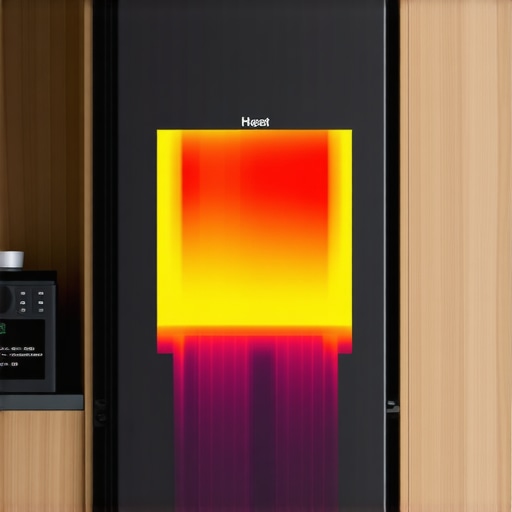
Beyond garage placement, the most common trap homeowners fall into is what I call “airflow starvation.” We are obsessed with minimalist kitchen designs, often pushing our refrigerators as deep into the surrounding cabinetry as humanly possible to achieve that high-end built-in look. Unless you have specifically purchased an expensive front-venting built-in model, your unit requires a minimum of one to two inches of clearance on all sides to breathe. Shoving a standard freestanding unit flush against your cabinets traps the hot air rising off the compressor. This creates a localized microclimate of intense heat, forcing the system to cycle constantly because the heat has nowhere to escape. If you are struggling with spatial limits in a compact layout, it is highly recommended to seek professional advice on choosing the right refrigerator tips from industry experts to avoid suffocating your appliance.
Another subtle mistake is keeping an empty refrigerator. Air does not retain cold well; solid mass does. Every time you open the door of an empty fridge, all the cold air rushes out and is instantly replaced by warm, humid room air, forcing the system to restart its cooling cycle. Keeping your fridge properly stocked—without packing it so tightly that you block the internal vents—creates a thermal mass that stabilizes the internal climate. Have you ever fallen into this trap of over-clearing your fridge or stuffing it into a tight cabinet alcove? Let me know in the comments below how you have configured your kitchen layout!
Understanding the thermodynamics of your kitchen layout is a massive first step, but real peace of mind comes when you transition from reactive troubleshooting to a proactive, long-term maintenance cadence. Over the years, I have learned that the difference between an appliance lasting seven years versus fifteen years comes down to having the right diagnostic routine. You do not need a garage full of heavy machinery, but investing in a few specialized tools will completely change how you care for your home setup.
How do I maintain my refrigeration system over time?
To keep your cooling systems running efficiently, you need to look beyond the basic wipe-down. Personally, I rely on three specific tools that have saved me thousands in premature replacement costs. First, I use a specialized, flexible 36-inch coil brush designed to snake under tight refrigerator grates. Unlike standard vacuum attachments, these stiff bristles actually scrape away packed-on dust. Second, I keep a digital infrared thermometer handy to monitor vent outputs. If my freezer temperature drops below its target or fluctuates wildly, I can spot the trend early by checking why your fridge temperature fluctuates even when the door is shut before any food spoils. Lastly, a simple, non-abrasive silicone gasket lubricant is essential. Applying this once a year keeps the rubber doors soft and pliable, ensuring that your magnetic seal stays absolutely airtight.
As we look ahead, the way we maintain these machines is shifting rapidly. The industry is moving toward highly integrated, self-diagnosing ecosystems. In the near future, you won’t have to guess if your condenser coils are dirty or check your seals manually. Advanced sensors will monitor air pressure drops and compressor thermal efficiency in real time, alerting your smartphone before a physical breakdown occurs. To see where this technology is heading right now, you can explore the future of home appliances trends to watch in 2025. Manufacturers are designing smarter systems that manage their own power cycles, matching utility grid demands to further reduce operating costs.

Even if you are not ready to jump into the latest tech, practicing manual, proactive care remains your absolute best defense. According to the Association of Home Appliance Manufacturers (AHAM) product lifetime benchmarks, routine condenser cleaning and gasket care can reduce overall appliance energy consumption by up to 15% annually while significantly delaying compressor fatigue. If you want to make sure you are getting the absolute most out of your current configuration, take action today. I highly recommend trying one advanced tip right now: pull your unit out, check the spacing behind it, and make sure your cabinets are not starving your appliance of the essential breathing room it needs to operate efficiently.
We have cleared the dust bunnies from the coils and leveled the feet, but if your kitchen is still humming a non-stop tune, we need to talk about the hidden nuances of appliance thermodynamics. Most people assume that if a machine is running, it must be doing its job. In my years of troubleshooting, I have found that homeowners unintentionally force their appliances into a state of perpetual exhaustion through simple, counterintuitive habits. Let us look past the basic troubleshooting manuals and address the real engineering reasons your home setup might be failing you.
Why is your garage refrigerator running twice as hard as the one in your kitchen?
Here is a contrarian reality check: putting your spare refrigerator in an uninsulated garage to hold extra drinks is often a slow death sentence for the compressor. Many homeowners believe a fridge works less when the surrounding air is cold. In reality, standard residential units are engineered to operate within a specific ambient temperature range, typically 55°F to 110°F. When temperature extremes hit your garage, the appliance’s control board gets completely confused. In freezing winters, the thermostat thinks the unit is cold enough and refuses to run the compressor, causing your freezer to thaw. In scorching summers, the heat forces the compressor to run at a 100% duty cycle just to keep up. According to refrigeration standards compiled by the Association of Home Appliance Manufacturers, operating a standard kitchen refrigerator in an unconditioned environment can shorten its operational lifespan by up to 40%. If you want to understand the true cost of this setup, check out the hidden energy cost of keeping your fridge in the garage before ruin your secondary appliance.
Beyond garage placement, the most common trap homeowners fall into is what I call “airflow starvation.” We are obsessed with minimalist kitchen designs, often pushing our refrigerators as deep into the surrounding cabinetry as humanly possible to achieve that high-end built-in look. Unless you have specifically purchased an expensive front-venting built-in model, your unit requires a minimum of one to two inches of clearance on all sides to breathe. Shoving a standard freestanding unit flush against your cabinets traps the hot air rising off the compressor. This creates a localized microclimate of intense heat, forcing the system to cycle constantly because the heat has nowhere to escape. If you are struggling with spatial limits in a compact layout, it is highly recommended to seek professional advice on choosing the right refrigerator tips from industry experts to avoid suffocating your appliance.
Another subtle mistake is keeping an empty refrigerator. Air does not retain cold well; solid mass does. Every time you open the door of an empty fridge, all the cold air rushes out and is instantly replaced by warm, humid room air, forcing the system to restart its cooling cycle. Keeping your fridge properly stocked—without packing it so tightly that you block the internal vents—creates a thermal mass that stabilizes the internal climate. Have you ever fallen into this trap of over-clearing your fridge or stuffing it into a tight cabinet alcove? Let me know in the comments below how you have configured your kitchen layout!
Understanding the thermodynamics of your kitchen layout is a massive first step, but real peace of mind comes when you transition from reactive troubleshooting to a proactive, long-term maintenance cadence. Over the years, I have learned that the difference between an appliance lasting seven years versus fifteen years comes down to having the right diagnostic routine. You do not need a garage full of heavy machinery, but investing in a few specialized tools will completely change how you care for your home setup.
How do I maintain my refrigeration system over time?
To keep your cooling systems running efficiently, you need to look beyond the basic wipe-down. Personally, I rely on three specific tools that have saved me thousands in premature replacement costs. First, I use a specialized, flexible 36-inch coil brush designed to snake under tight refrigerator grates. Unlike standard vacuum attachments, these stiff bristles actually scrape away packed-on dust. Second, I keep a digital infrared thermometer handy to monitor vent outputs. If my freezer temperature drops below its target or fluctuates wildly, I can spot the trend early by checking why your fridge temperature fluctuates even when the door is shut before any food spoils. Lastly, a simple, non-abrasive silicone gasket lubricant is essential. Applying this once a year keeps the rubber doors soft and pliable, ensuring that your magnetic seal stays absolutely airtight.
As we look ahead, the way we maintain these machines is shifting rapidly. The industry is moving toward highly integrated, self-diagnosing ecosystems. In the near future, you won’t have to guess if your condenser coils are dirty or check your seals manually. Advanced sensors will monitor air pressure drops and compressor thermal efficiency in real time, alerting your smartphone before a physical breakdown occurs. To see where this technology is heading right now, you can explore the future of home appliances trends to watch in 2025. Manufacturers are designing smarter systems that manage their own power cycles, matching utility grid demands to further reduce operating costs.
Even if you are not ready to jump into the latest tech, practicing manual, proactive care remains your absolute best defense. According to the Association of Home Appliance Manufacturers (AHAM) product lifetime benchmarks, routine condenser cleaning and gasket care can reduce overall appliance energy consumption by up to 15% annually while significantly delaying compressor fatigue. If you want to make sure you are getting the absolute most out of your current configuration, take action today. I highly recommend trying one advanced tip right now: pull your unit out, check the spacing behind it, and make sure your cabinets are not starving your appliance of the essential breathing room it needs to operate efficiently.
3 Myths About Home Refrigeration That Drained My Wallet
Before you call in the repair crew or think about buying new, let me dispel a few costly misconceptions about how these kitchen workhorses actually behave. These are the lessons I had to learn the hard and expensive way.
- A colder setting does not mean faster cooling. Cranking your thermostat down to its absolute lowest limit will not chill your groceries any quicker. It only forces the compressor to run indefinitely in an attempt to reach an unrealistic, energy-wasting target.
- The “clean enough” trap is real. Just because the front of your fridge looks spotless does not mean the system is healthy. Dust hidden underneath the bottom kickplate is the number one silent killer of compressor motors.
- Newer does not automatically mean quieter. Many homeowners assume a brand-new model will be completely silent. In truth, modern eco-friendly refrigerants actually hiss and gurgle more than older systems, which is why understanding the mechanics of your machine is so crucial.
My Essential Toolbox for Keeping Compressors Happy
You do not need to be a professional mechanic to maintain your appliances, but having these specific items in your utility closet will make the job incredibly easy.
- The 36-Inch Flexible Coil Brush: This is a thin, bendable wire wand with stiff bristles. It slides effortlessly under the bottom grate of any refrigerator to scrape away pet hair that vacuum nozzles simply cannot reach.
- A Standard Infrared Laser Thermometer: By pointing this at the internal vents, you can instantly verify if your unit is maintaining its target range without opening the door and letting the cold air escape.
- Food-Grade Silicone Lubricant: Rubbing a tiny amount of this onto your door gaskets once a year keeps the rubber from drying out, cracking, and leaking cold air into your warm kitchen.
Stop the Buzz and Take Back Your Kitchen
You do not have to live with a refrigerator that sounds like a jet engine taking off in your kitchen. By taking just five minutes to pull your appliance away from the wall, checking the clearance, and sweeping away the hidden dust, you can dramatically extend the life of your compressor. Your home should be a place of quiet comfort, not a constant battleground with a vibrating appliance. Start with the easiest mechanical checks today, and watch your utility bills drop as your kitchen finally goes quiet again.
Did a simple coil clean finally silence your constantly running fridge, or are you still dealing with a stubborn mystery hum? Let me know in the comments below!