
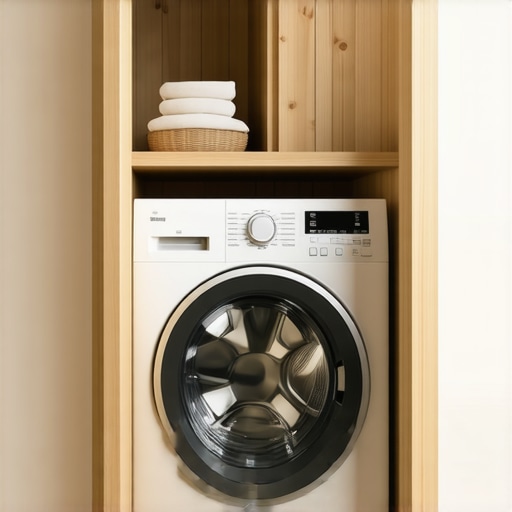
I will never forget the smell of that damp, humid basement laundry room in my old apartment complex. It was late on a Tuesday, and I was staring at a puddle of mystery water surrounding an outdated machine that had just eaten my favorite sweater. That was the exact moment I snapped. I swore to myself that my next apartment, no matter how small, would have its own laundry setup. Fast forward to my current 450-square-foot studio. It has exactly one tiny utility closet, crammed next to the entryway. Everyone, including my landlord and a couple of skeptical delivery guys, told me it was impossible to fit a heavy-duty laundry setup in there. They suggested I stick to laundromats or buy a tiny toy-like unit. I refused. After weeks of measuring, sweating, and one massive, costly plumbing mistake, I did it. I squeezed a real, high-performance washing machine into that dark little closet, and you can too. Today, I am going to share the exact blueprint of how we pulled off this minor miracle so you can skip the headaches and reclaim your laundry independence.
Before you start measuring, you might want to look into the best narrow width washing machines for small laundry nooks to see what physical dimensions you are actually dealing with. My biggest early mistake? I bought a unit based solely on the manufacturer’s front-width measurement, completely forgetting to calculate the extra three inches needed behind the machine for the thick, rigid drain hoses and hot-and-cold water valves. I ended up with a gorgeous machine that stuck out so far my closet door could not close. Do not make my mistake.
Is cramming a heavy laundry machine into a tiny closet actually safe?
This is the first question my neighbor asked when he heard the spin cycle vibrating through the drywall. It is a completely valid fear. If you do not prep the space correctly, you risk moisture buildup, mold, or shaking your apartment’s framing loose. According to building safety data compiled by the National Fire Protection Association, improper appliance installation and neglected venting are leading causes of preventable home structural damage. You have to ensure adequate ventilation and stability. If you struggle with severe vibrations, you can learn how to stop your washing machine from vibrating your entire house with a few affordable anti-vibration pads and leveling tricks. Have you ever tried to cram a major appliance into a space that seemed way too small? Drop a comment and tell me your horror stories. Now, let us dive into how to prep your tiny closet space before the delivery truck arrives.
Prepping Your Tiny Closet for the Ultimate Machine Install
Getting a high-performance washing machine into a small closet is like playing a high-stakes game of Tetris where a single miscalculation floods your hallway. You cannot just shove the appliance in and hope for the best. You have to plan the utility connections with surgical precision because standard hoses are too rigid and bulky for tight quarters. Let me walk you through the structural changes and hookup strategies that made my studio setup possible.
Ditch Standard Hoses for Right-Angle Elbows
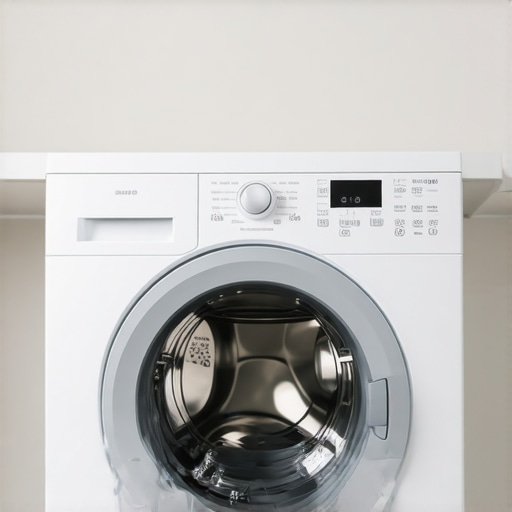
Standard rubber washing machine hoses protrude straight out from the back of the unit like stiff arms, requiring at least four to six inches of clearance. In a tight closet, that is space you do not have. I solved this by swapping standard hoses for braided stainless steel hoses with 90-degree right-angle elbow connections. These sit almost flush against the back of the machine, instantly saving me three inches of depth. When I first tried pushing my machine back with standard hoses, I heard a sickening crimping sound. I pulled the unit out to find the hot water line kinked flat, which would have starved the machine and burned out the internal valves. Switching to right-angle elbows completely resolved the issue, letting me push the unit to within two inches of the drywall. If you are using advanced laundry tech, check out how smart washing machines can simplify laundry day by optimizing cycle times, but remember that no amount of smart software can save a physically kinked water line.
Level the Unit Like Your Security Deposit Depends on It
An unleveled washing machine in a spacious basement is noisy; an unleveled machine in a cramped closet is a demolition ball. During my first test cycle, the machine was slightly off-kilter. When the spin cycle hit 1,200 RPM, the machine walked forward, slammed into the closet doors, and began chipping the plaster. I had to learn how to stop your washing machine from vibrating your entire house the hard way by adjusting the leveling legs with a wrench until the bubble on my spirit level sat dead center. To make sure it stayed put on my slick closet floor, I slipped heavy-duty rubber anti-vibration pads under each foot. These pads act like miniature shock absorbers, catching the kinetic energy before it transfers into your floorboards and drives your downstairs neighbors insane.
Ensure Constant Air Circulation to Fight Mold
Closet laundry setups are notorious for trapping humid air, which turns your closet into a petri dish for mildew. When you run a hot cycle, the ambient temperature inside a closed closet spikes. I prevented this by replacing my solid closet door with a louvered door that allows air to flow freely. Additionally, always leave the washing machine door cracked open after a cycle to let the drum dry out. If you are struggling with musty smells, you can apply the trick to getting rid of mildew in your washing machine gasket using a simple vinegar soak to keep the rubber seals fresh and free of gray slime.
When I first installed my compact washing machine, I thought the hardest part was over. I had squeezed it in, leveled it, and hooked up the water lines. But then came the actual operation. Like most people, I assumed that high-end, modern appliances worked just like the rugged, water-guzzling metal beasts from my childhood homes. I was completely wrong. In my quest to master my tiny laundry setup, I stumbled into a world of complex appliance engineering where conventional wisdom actually destroys your machines and ruins your clothes.
Why Using Less Water Does Not Mean Your Clothes Stay Dirty
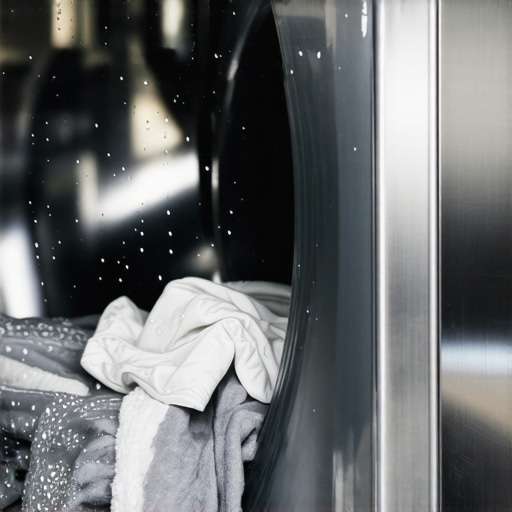
The most common myth about modern laundry is that more water equals cleaner clothes. Many people look through the glass door of a modern front-loader, see a tiny puddle of water at the bottom, and panic. They assume the machine is malfunctioning or cheaping out. In reality, today’s high-efficiency systems are designed to use gravity and precise tumbling actions to saturate fabric with concentrated detergent solutions rather than drowning them. If you try to bypass these systems, you actually ruin the washing cycle. I learned that trying to find how to bypass the water limit on your top-load washer or front-loader often backfires by diluting your detergent to useless levels and throwing off the machine’s internal sensors. According to research by the Association of Home Appliance Manufacturers (AHAM), modern HE washers use up to 70% less energy and 50% less water than traditional agitator models while achieving superior soil removal. Trust the engineering, even if it looks like there is barely any water in there.
The Detergent Trap That Is Secretly Molding Your Machine
Here is the absolute biggest “oops” factor that almost every apartment dweller falls into: using too much soap. In a tight, poorly ventilated closet, this mistake is magnified tenfold. Because modern units use so little water, they require very little detergent. When you fill that cap to the line, the excess soap cannot dissolve or rinse away. Instead, it coats the outer drum, traps moisture, and creates a thick, slimy layer of soap scum that becomes breeding grounds for black mold. If you see white streaks on your dark wardrobe, it is not lint; it is undissolved soap residue. Understanding the reason your washing machine is leaving white streaks on dark clothes is your first warning sign that you are overloading the dispenser. Cut your detergent usage in half immediately. Your clothes, your machine’s lifespans, and your nose will thank you.
Why does your high-efficiency wash cycle take three hours to finish?
This is the ultimate advanced user frustration. You buy a brand-new, cutting-edge machine expecting a fast experience, only to find that a normal cycle takes three times longer than your parents’ 1995 top-loader. It feels counterintuitive—how can a machine be energy-efficient if it runs for hours? The secret lies in the chemistry. Heating water takes an immense amount of electricity. To save energy, modern machines use cooler water temperatures but extend the mechanical action time to compensate. The machine is actually using a fraction of the electricity by tumbling your clothes longer rather than heating up gallons of water. If you have ever wondered why your high-efficiency washer takes so long to finish a cycle, it is because of this delicate balance between chemical concentration, temperature, and time. Have you ever fallen into the trap of pouring in extra soap because you thought the cycle was too dry, or gotten frustrated by a three-hour run time? Let me know in the comments below!
Now that you know how to fit a high-performance machine into a closet and operate it without creating a swamp, we need to talk about keeping it alive. Cramming any major appliance into a tight space means it works harder. There is less ambient air to cool the motor, more concentrated vibration stress, and a much higher risk of ignored leaks. To prevent a catastrophic failure that ruins your hardwood floors, you must establish a strict maintenance routine using the right tools.
How do I maintain my closet-bound washing machine over time?
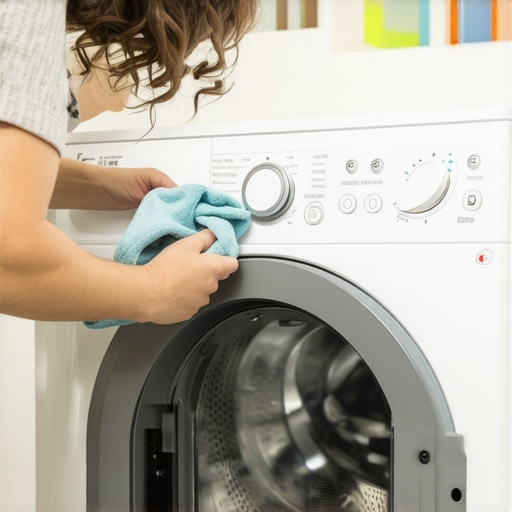
I do not rely on generic clean cycles or store-bought scented tablets that merely mask odors. Instead, I use a highly specific physical maintenance routine every single month. First, I use a wet-dry vacuum to completely clear out the drain pump filter. If you have never done this, you need to learn the secret to cleaning a front load washer’s hidden filter because a clogged filter forces the drain pump to run hot, eventually melting the plastic housing. Second, I physically wipe down the inner drum and the rubber bellows with a microfiber cloth. According to technical documentation from the cleaning experts at the American Cleaning Institute, residual moisture left in airtight spaces is the leading cause of premature gasket rot. If you neglect these physical checks, you will eventually face a flooded closet.
The diagnostic tools you actually need in your toolkit
You do not need an expensive technician to tell you why your modern washer is acting up. I personally keep two essential diagnostic tools in my utility drawer: a digital spirit level and a simple smartphone app for network analysis. Since closet floors can settle over time under the weight of heavy laundry loads, I check the machine’s level every six months. Furthermore, because modern laundry setups rely heavily on wireless connectivity, network drops can cause software lockups. If your machine is constantly dropping offline, the culprit is usually your router configuration. You can troubleshoot why your smart washer won’t connect to your 5ghz router by checking if your home network is forcing the machine onto a frequency band it cannot support. Keeping these tools handy has saved me hundreds of dollars in unnecessary service calls.
The future of compact laundry engineering
Looking ahead, the trend of squeezing high-performance appliances into tiny spaces is only going to accelerate. As urban apartments shrink, manufacturers are heavily investing in smarter, more compact systems. I predict that by 2025 and beyond, we will see a major shift toward ventless, heat-pump all-in-one units that require zero external venting and operate on standard 120V plugs without sacrificing drying times. If you want to see where this technology is heading, explore the future of home appliances and trends to watch in 2025. For now, my challenge to you is simple: stop putting off your maintenance. Go pull open your washing machine’s bottom drain door tonight, clean out that hidden filter, and protect your investment before your next laundry day.
The Hardest Lessons I Learned Squeezing High-Tech Laundry Into a Closet
Operating a heavy-duty laundry setup in 450 square feet taught me several crucial lessons that you will not find in any manufacturer manual. First, never underestimate the power of a physical level; even a fraction of an inch off-center will turn your closet into a rattling disaster. Second, your detergent usage must be slashed by at least half compared to what you used in older machines. Finally, and most importantly, modern high-efficiency machines are designed to run long cycles using minimal water, so do not panic when you do not see a soapy lake inside the drum. Trusting the system is key to keeping your clothes pristine and your closet mold-free.
My Essential Toolkit for Small Space Laundry Success
To pull off this setup and maintain it over the long haul, I rely on a few specific resources and tools. For hardware, I highly recommend investing in braided stainless steel 90-degree elbow hoses to save precious inches of depth. For maintaining your system, refer to washing machines that save water expert advice for 2025 to understand how modern water-saving valves function. Additionally, you should consult the ultimate guide to smart home appliances for a modern living to see how to integrate compact utility setups into a streamlined, high-tech household ecosystem. I trust these resources because they focus on real-world space constraints rather than idealized suburban laundry rooms.
Reclaim Your Laundry Independence Today
Do not let a small floor plan or skeptical landlords dictate your daily routine. With the right planning, the correct hose connections, and a dedication to monthly maintenance, you can absolutely fit and run a high-performance washing machine in your tiny closet. It is time to say goodbye to the laundromat forever and embrace the absolute convenience of home laundry. Have you ever struggled with limited space or vibration issues during a tight appliance installation? Let me know in the comments below!