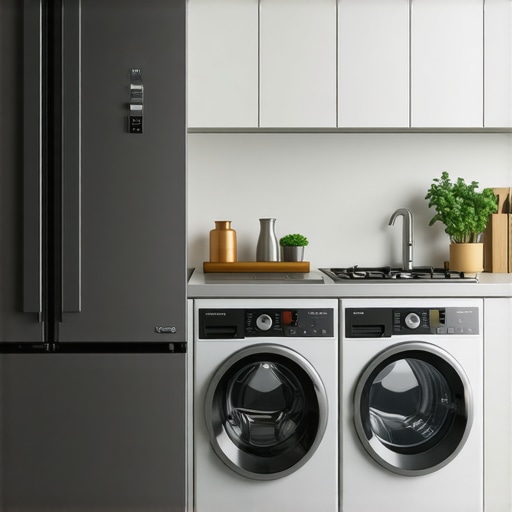
Fix Your 2026 Smart Washer’s Violent Spin Cycle Thumping
It was late at night when my washing machine decided to turn my laundry room into a drum solo. That violent thumping during the spin cycle woke up the entire house—dishes rattling, walls trembling, and me lying awake, wondering if I’d accidentally signed up for a home appliance concert. If you’ve experienced the chaos of a Smart Washer’s violent spin, you’re not alone: these unexpected vibrations can turn a simple chore into a source of stress and frustration.
Why Your 2026 Smart Washer Might Be Shaking Its Maracas
As someone who’s wrestled with my own tech mishaps, I’ve learned that understanding the root causes of excessive vibration can save you a ton of trouble—and peace of mind. Modern appliances are packed with sensors and AI, promising smarter homes and more efficient laundry days. But sometimes, these clever machines misfire, especially when the spin cycle gets too aggressive. This isn’t just annoying; it can lead to long-term damage, uneven wear, and higher energy bills. According to a recent study, improper load balance is the number one culprit in causing washer vibrations, which can reduce the machine’s lifespan significantly.
So, if your 2026 model’s spin cycle feels more like a rodeo bull than a gentle whirl, it’s time to troubleshoot before the problem worsens. I’ll guide you through identifying the common causes and practical fixes that have worked for me—and hopefully will do the same for you.
Is the Thumping Cycle Actually Worth the Hype?
Early on, I made the mistake of assuming that all noise and shaking were normal, just part of owning a smart, high-tech washer. Turns out, ignoring these signals can lead to more costly repairs down the line. Trust me, tackling vibration issues early not only preserves your machine but also ensures your laundry isn’t ending up dirtier than when you started. Curious about the specific causes and how to fix them? Keep reading, and you’ll discover simple steps to quiet your machine and prevent future drama.
Balance the Load Effectively
Begin by distributing laundry evenly inside the drum. A common mistake is piling heavy items on one side, causing imbalance during the spin cycle. For example, I once threw in a large towel and a few lightweight shirts together, which led to loud shaking. To fix this, load similar items together and avoid overloading. Spin cycles require a balanced mass to operate smoothly, similar to a tightrope walker maintaining equilibrium. For more detailed load balancing tips, check out this guide.
Inspect and Level the Machine
Next, ensure your washing machine is perfectly level to prevent wobbling. Use a bubble level tool across the top edges; adjust the adjustable feet at the bottom accordingly. When I noticed my washer jittering, I used a level and adjusted the legs clockwise or counterclockwise until the bubble was centered. Imagine balancing a book; a slight tilt causes it to slide. Proper leveling ensures the drum spins centered, reducing lateral vibrations. If you’re unsure how to do this, follow the steps in this troubleshooting article.
Secure Loose Parts and Surfaces
Check for any loose panels, hoses, or mounting bolts. Loose parts act like loose threads on a sweater—causing rips and snags. Tighten all accessible bolts with a wrench and secure hoses with clamps. Also, ensure the washer is placed on a solid, non-slippery surface like a rubber mat to absorb vibrations. I once placed a rubber mat under my machine, which significantly diminished the shaking. Think of this as placing a shock absorber beneath a car. Properly secured and stable setups make a world of difference in quiet operation.
Examine the Suspension System
The suspension system supports the drum during high-speed spins. If worn or damaged, vibrations will intensify. Remove the front panel if needed, and inspect the shock absorbers or dampers for leaks or damage. Replace any faulty parts promptly. I replaced a worn damper myself by following an online tutorial, which first seemed daunting but turned out straightforward and saved me money. Knowing how the suspension works is like understanding the foundation of a house—it keeps everything in balance. Regular inspection can prevent unexpected breakdowns and noise issues.
Reduce External Vibrations
Finally, consider external factors like nearby appliances or uneven flooring. A hard surface transfers vibrations louder than a carpeted surface. Moving other appliances away from your washer can lessen noise. Also, if your laundry room floor is uneven, these vibrations resonate more. Using anti-vibration pads or rubber mats under your machine can dampen external impacts. I placed foam pads beneath my washer, which noticeably reduced noise levels during late-night laundry sessions.
By systematically applying these steps, you’ll transform your chaotic, shaking washer into a steady, quiet workhorse. Each action targets a specific cause, ensuring the machine operates as intended and prolongs its lifespan. For more comprehensive solutions on appliance stability, visit this resource.
Many homeowners believe they fully understand how smart appliances like washing machines, dishwashers, and refrigerators operate—yet, surprisingly, several misconceptions persist among even experienced users. Let’s dig deeper into some prevalent myths and reveal the hidden nuances that can save you time, money, and frustration.
Believing More Features Equal Greater Reliability
This is a misconception that can lead to costly mistakes. Consumers often think that the more high-tech features an appliance has, the more reliable it will be. However, in my experience, extra complexity often results in increased maintenance and potential failure points. For example, many think that AI-driven refrigerators automatically adjust moisture levels flawlessly, but studies show that poor calibration or outdated algorithms can cause inconsistent results, such as excess freezing or produce spoilage. Reliable appliances streamline functions and avoid unnecessary bells and whistles—simplicity often ensures durability. For practical tips, check out this article on troubleshooting smart washers.
Overloading Is Just a Convenience, Not a Risk
A common mistake is assuming that cramming your washer or dishwasher maximizes efficiency. While it may seem logical to load as much as possible, overloading actually impairs cleaning and accelerates wear and tear. Advanced models are designed with sensors that detect load size and adjust wash cycles accordingly, but pushing beyond recommended limits can cause unbalanced spins or incomplete rinsing. Interestingly, overloading can also affect the delicate sensors that optimize energy use, leading to higher consumption. So, treat your appliances with respect and follow recommended load sizes. Want to optimize your dishwasher settings? Check out this guide for expert advice.
Are Self-CaLibrating Sensors Always Accurate
Many believe that all smart sensors in appliances are foolproof, but this isn’t the case. Sensors can drift over time, get dirty, or malfunction, leading to subpar performance. For instance, a smart fridge’s humidity sensors may misinterpret moisture levels, causing unnecessary freezing or ice buildup, as detailed here. Regular calibration and cleaning of sensors are essential maintenance steps often overlooked because users trust the technology without question. Remember, even the best sensors require occasional attention to maintain peak performance. Want to learn how to recalibrate your fridge? Visit this resource for detailed instructions.
External factors like improper placement or environmental conditions can also interfere with sensor accuracy. For example, placing a fridge near heat sources or in direct sunlight can cause temperature sensors to misread, prompting unnecessary cooling cycles. Similarly, installing dishwashers on uneven flooring can create misalignments that throw off load sensors, resulting in poor wash quality or premature wear. Proper placement and routine sensor maintenance are key to avoiding these pitfalls. For more tips on installation, you might find this article helpful.
Maintaining your high-tech appliances is essential to ensure longevity and optimal performance. One of my favorite tools for ongoing upkeep is a digital multimeter, which I use regularly to check electrical connections and voltage levels in components like thermostats and motors. For example, testing the resistance of door sensors in smart refrigerators helps me identify issues before they cause failure, according to technical OEM documentation. Additionally, a ultrasonic cleaner is invaluable for deep-cleaning spray arms and sensors, removing mineral deposits and soap scum that can impair function. I personally swear by using ultrasonic cleaning periodically, especially since it saves me the cost and hassle of professional repairs.
Another underrated method involves employing network monitoring software such as Fing or GlassWire to keep an eye on your appliance connections. These tools alert me to unusual activity or slow response times, hinting at potential firmware glitches or network issues that could affect smart features. Regular firmware updates from the manufacturer’s app are equally important—they fix bugs and improve device longevity, making it worth scheduling quarterly checks.
Moving forward, appliance manufacturers are increasingly integrating AI diagnostics into their products. Predictive maintenance, where the appliance warns you about upcoming failures, will become standard. For now, though, combining hardware tools like multimeters with troubleshooting apps provides a comprehensive maintenance strategy. I recommend setting a recurring calendar reminder to perform these checks; it’s a small act that can prevent big problems.
How do I maintain smart appliances over time? The key is to establish a routine involving both physical inspections and software updates. By doing so, you avoid sudden breakdowns and extend the lifespan of your devices. For instance, regularly calibrating sensors—such as recalibrating your fridge thermostat—can drastically improve energy efficiency and prevent costly repairs. A useful tip I discovered is to keep a maintenance log, which helps track issues and plan upgrades or replacements better. Additionally, I suggest investing in a quality surge protector for your appliances, protecting against voltage spikes that can damage sensitive electronics.
Looking ahead, the integration of IoT diagnostics and machine learning will make appliance maintenance more predictive than ever. Future appliances may even self-repair or order replacement parts automatically. But until then, utilizing tools like ultrasonic cleaners and network analyzers remains your best bet for keeping everything running smoothly. Make sure to try the ultrasonic cleaning technique for spray arms—it’s a game-changer in preventing clogs and maintaining peak performance, especially in hard water areas. Regular attention to these details ensures your smart appliances stay efficient, reliable, and ready to serve your home.
The Hardest Lesson I Learned About Smart Appliances
One major realization was that even the most advanced appliances need regular attention; ignoring signs of imbalance or wear can lead to costly repairs. I’ve learned to listen closely to my washer’s signals—those odd vibrations or noises are its way of telling me something’s off.
Why Lazy Loading Costs More Than You Think
Initially, I believed overloading my washer would save time, but it actually caused more issues down the line—ineffective cleaning and increased vibrations. Now, I load items more thoughtfully, which keeps my machine running smoothly and my energy bills in check.
Calibrating Sensors is More Vital Than You Suppose
Trusting sensor data blindly is a mistake I made early on. Regular calibration and cleaning are essential to ensure your appliance isn’t misreading conditions, preventing unnecessary cycles or damage. I now set reminders to check sensors, extending my appliances’ lifespan significantly.
External Environment Shapes Appliance Performance
My biggest surprise was how placement affects operation—placing my fridge near a heat vent increased energy use and caused temperature fluctuations. Proper positioning and environmental considerations are critical; a little effort here pays off with quieter, more efficient performance.
Investing in Proper Maintenance Tools Pays Off
Tools like ultrasonic cleaners and network monitors have transformed my maintenance routine. They enable me to catch issues early, saving money and headaches. Regularly checking and maintaining my appliances has become a rewarding habit, keeping everything running flawlessly.
Where My Appliance Knowledge Has Taken Me
Discovering the nuances of smart appliance care has empowered me to troubleshoot confidently and extend the life of my devices. This knowledge is priceless—saving money, reducing waste, and making me feel more connected to my smart home ecosystem. For trusted resources on smart appliance upkeep, I rely on comprehensive guides like this article and others within the same network that delve into detailed troubleshooting and maintenance tips.
Begin Your Journey Toward a Quieter, More Efficient Laundry Routine
Arming yourself with insights and proper tools transforms the often-overlooked task of appliance maintenance into a satisfying routine. Your washer, dishwasher, or fridge will thank you with quieter operation and longer lifespan. Remember, small consistent efforts make a big difference—start today and enjoy the benefits of a smarter, smoother home experience.
![Why Your 2026 Smart Washer Keeps Overheating [3 Easy Fixes]](https://smartappliancereview.com/wp-content/uploads/2026/03/Why-Your-2026-Smart-Washer-Keeps-Overheating-3-Easy-Fixes.jpeg)

![Fix Your 2026 Smart Fridge’s False Expiry Alerts [3 Steps]](https://smartappliancereview.com/wp-content/uploads/2026/04/Fix-Your-2026-Smart-Fridges-False-Expiry-Alerts-3-Steps-1.jpeg)