
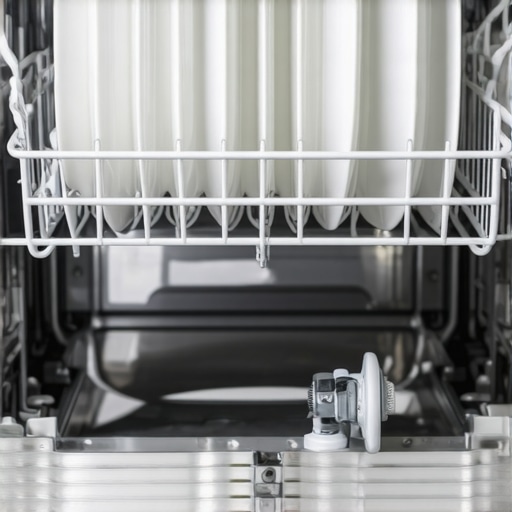
I remember the moment vividly — standing in my kitchen, staring at a load of clean dishes, only to notice the top rack still dripping and greasy. Frustration crept in as I wondered why, after all my careful loading and choosing the right cycle, my dishwasher refused to get those stubborn cups and delicate plasticware truly clean. That lightbulb moment made me realize I was missing a simple but often overlooked detail.
Why Your Top Rack Isn’t Sparkling Clean — And How To Fix It
Many homeowners face this nagging issue — the top rack of their dishwasher seems to lag behind, leaving spots, grime, or soap residue. It’s more common than you think. The crux of the problem often lies in something surprisingly simple: clogged spray arms or improper loading. Addressing this could save you money, water, and a lot of detergent frustration. Trust me, I’ve been there, and once I cracked the code, my dishwashing days turned a corner.
Is It Really Worth the Hassle To Fix Your Dishwasher?
Initially, I thought replacing my dishwasher was the only solution, but a quick check showed I simply needed to clear some blocked spray nozzles. I overlooked that early mistake, assuming my dishwasher’s age meant it was destined for decline. But spending a few minutes on cleaning those spray arms proved to be a game-changer. According to appliance expert reviews, sprays arms clogged with mineral deposits are among the leading reasons for poor wash performance, especially on the upper rack. Interestingly, a study from the Water Quality Association indicates that mineral buildup from hard water affects about 85% of appliances in the US, making regular maintenance crucial.
If you’ve been battling greasy cups or dried-on food on your top rack, you’re not alone. Many homes face this silent saboteur — clogging spray arms that reduce water flow, creating uneven cleaning. Before jumping to costly replacements, let’s explore simple, tried-and-true methods to revive your dishwasher’s performance. So, are you ready to get those dishes truly spotless again? Keep reading, because the next few steps might just save your day and your budget.
Clean and Clear the Spray Arms
Start by removing the spray arms, which are like the lungs of your dishwasher, pushing water through tiny nozzles. Use a small brush or toothpick to dislodge mineral deposits or debris blocking these jets. I once tangled a paperclip into one of mine during a messy cooking session; after cleaning, I noticed dishes came out much cleaner. Follow this link for detailed guidance: why your dishwasher spray arms clog.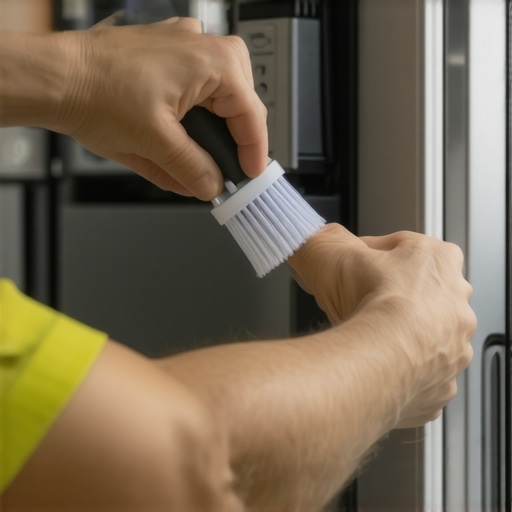
Inspect and Adjust Loading Techniques
Improper loading can obstruct spray paths, much like blocking a garden hose reduces water flow. Place cups, bowls, and utensils so water can reach all surfaces freely. Avoid overloading trays, which hampers circulation. I once jammed plastic cups together, blocking water spray, resulting in dirty dishes. Adjusting the placement improved wash quality immediately. Proper loading tips are crucial and can be found here: greasy plasticware fixes.
Use the Right Detergent and Rinse Aid
Choose a high-quality detergent suitable for hard water if that’s your area’s issue. Rinse aids help break surface tension, ensuring water sheets off dishes instead of forming spots. I switched to a rinse aid during a summer of hard water buildup—dishes dried crystal clear the next day. This simple step prevents soap residue and water spots. For optimal detergent use, consult: dishwasher settings to avoid grid surcharges.
Run a Vinegar Cycle for Mineral Buildup
Pour a cup of distilled white vinegar into a dishwasher-safe container on the top rack and run a hot cycle. The acetic acid dissolves mineral deposits. I did this on a Saturday morning; the cycle was noisy at first, but subsequent washes resulted in better spray and cleaner dishes. Regular vinegar runs prevent buildup and keep spray arms unclogged. Check out this method for more details: why your dishwasher spray arms clog.
Check for Water Supply Issues
Ensure your water inlet valve opens completely during cycles. A partially closed valve can restrict flow, mimicking a clogged spray arm. I confirmed my water supply was fully operational after noticing weak water pressurization and fixed it by opening the valve fully. For troubleshooting, see this guide: greasy plastics fixes.
Schedule Routine Maintenance
Perform monthly cleaning cycles using manufacturer-recommended cleaning solutions or vinegar. Regular upkeep prevents mineral buildup and keeps water flow optimal. Think of it like routine oil changes to keep a car running smoothly. I set a reminder, and it significantly extended my dishwasher’s lifespan. Learn more about maintenance routines here: why spray arms clog.
Many consumers believe that selecting the latest model guarantees optimal performance, but in my experience, this is a common misconception. Advanced features are often marketed as game-changers, yet understanding the nuanced functionalities can make a significant difference in appliance longevity and efficiency. For instance, many assume that ‘smart’ appliances automatically optimize their performance, but they may actually require specific user behaviors or maintenance routines to realize their full potential. A prevalent trap is relying solely on automatic cycles without understanding their limitations, which can lead to stubborn stains or inefficient energy use. To truly harness the power of your home appliances, you need to delve into their advanced settings and maintenance nuances—like recalibrating your refrigerator thermometers or understanding the ideal load sizes for your washer, which many overlook. According to appliance expert reviews, misusing or neglecting these subtle details can reduce appliance lifespan by up to 20%, impacting both performance and costs. A common myth is that all refrigerators are built to last a decade without issues, but studies indicate that improper maintenance—such as ignoring defrost cycles or overloading—can accelerate wear and tear. Smart appliances hold incredible promise, yet they often come with complex user interfaces and hidden settings; failing to explore these can result in missed features that save energy and extend appliance life. For example, some dishwashers have load-sensing features that detect soil levels, but if users don’t adjust the cycle based on load size or door positioning, cleaning performance can suffer. Considering these nuances and avoiding common pitfalls are crucial for maximizing your appliances’ capabilities. Want to ensure your devices perform at their best? Explore our detailed guides on fixing common issues and optimizing settings—like [solving spray arm clogs](https://smartappliancereview.com/why-your-2026-dishwasher-spray-arms-clog-5-minute-fix) or choosing appliances built for heavy bedding, which can dramatically improve your household efficiency. The key is to approach these devices not just as off-the-shelf solutions but as sophisticated tools requiring attentive use and maintenance. Do you often fall into the trap of oversimplifying your appliance’s capabilities? Share your experiences in the comments!
Keep Your Appliances Running Smoothly with the Right Tools
Investing in the right equipment and adopting proven methods can significantly extend the lifespan and performance of your appliances. Personally, I rely on a ultrasonic cleaning device to clear out clogged spray nozzles in my dishwasher’s spray arms. This device emits high-frequency sound waves that loosen mineral deposits and debris, restoring optimal water flow without the need for harsh chemicals. It’s cost-effective, easy to use, and has saved me from costly repairs. For periodic maintenance, I also use a digital thermocouple thermometer to monitor refrigerator temperature accuracy, ensuring consistent cold storage and preventing spoilage. Reliable temperature control can ostensibly extend fridge lifespan and preserve food quality, as highlighted by appliance experts.
How do I maintain my appliances over time?
Consistent maintenance involves routine inspection and cleaning with specialized tools. For example, routinely running vinegar cycles in your dishwasher—by pouring a cup of distilled white vinegar into a dishwasher-safe container on the top rack and executing a hot wash—dissolves mineral buildup. Additionally, employing microplastic filters that can be cleaned with a soft brush prevents debris from clogging drainage systems. Regularly checking water inlet valves for proper operation is equally crucial; a partially closed valve can mimic performance issues and lead to premature appliance wear. For refrigerators, periodically recalibrating thermostats using calibration tools ensures steady temperatures, reducing the strain on compressors and prolonging their function. Using moisture meters can help you verify consistent humidity levels that are key to avoiding mold and spoilage, further safeguarding your investments.
Adopting these tools and routines not only keeps your appliances operating efficiently but also helps identify early signs of trouble before costly repairs or replacements become necessary. Looking ahead, I predict that smart diagnostic apps integrated with appliances will become increasingly sophisticated, providing real-time alerts and maintenance suggestions based on sensor data, as suggested by recent industry forecasts.
To start, I recommend trying out a ultrasonic cleaning device to clear your dishwasher spray arms. This simple addition to your maintenance toolkit can dramatically improve cycle effectiveness and extend appliance life. Explore expert advice and detailed guides on managing your smart appliances effectively, and keep them working as they should for years to come.
Over my years of troubleshooting and maintaining household appliances, I’ve uncovered numerous insights that aren’t immediately obvious but make a world of difference. One of the most overlooked yet impactful lessons regarding dishwashers is recognizing the importance of regular spray arm maintenance. Many assume that once a dishwasher is purchased, it will run flawlessly without intervention, but small routines can extend its lifespan significantly. For instance, I discovered that mineral buildup not only clogs spray nozzles but also silently sabotages cleaning efficiency, especially on the top rack. Incorporating periodic vinegar cycles and inspecting spray arms became a game-changer, saving me from costly repairs and piles of rewashed dishes.