
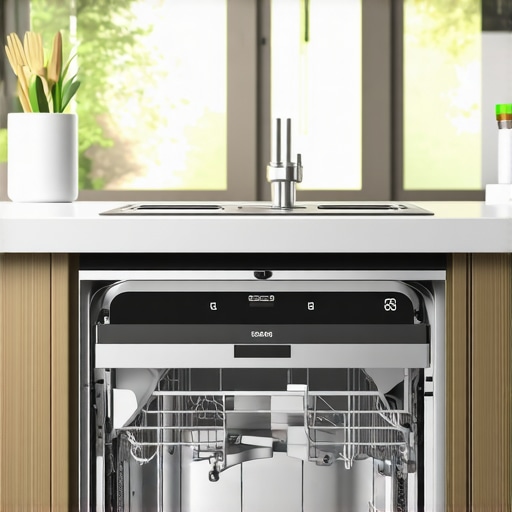
Ever stood in your kitchen, staring helplessly at a dishwasher that’s been running for over three hours, wondering if it’s stuck or just playing a cruel joke on you? I’ve been there. That sinking feeling when you realize your late-night load has transformed into a full-blown saga, leaving you questioning the very design of these so-called ‘modern’ appliances. It’s frustrating, bewildering, and honestly, a bit disheartening to invest in what seems like cutting-edge tech only to be faced with something that drags on endlessly.
When Your Dishwasher Turns a Simple Wash into an All-Day Event
It wasn’t so long ago that doing the dishes was a quick task—rinse, load, press start, and come back in an hour or so. Now? Some of us are waiting two, three, even four hours for a cycle to finish. I used to think maybe I was doing something wrong—maybe my dishwasher was malfunctioning or overwhelmed by my stubborn pots and pans. But as I dug deeper, I realized this isn’t just my problem. It’s a widespread issue with the latest models, and understanding why can save you a lot of stress and guesswork.
Modern dishwashers come packed with features and smart tech designed to optimize water and energy use. While that’s great in theory, in practice, many turn into sluggish beasts that seem more like patience-testing experiments. And according to recent studies, some models can extend cycle times due to internal sensors trying to determine cleanliness, load size, or water quality, which can lead to unnecessarily long washing times or even cycle failures. (Source: Smart Appliance Review)
But here’s the good news: countless users, myself included, have managed to cut down these marathon cycles. How? Through understanding the underlying causes—faulty sensors, clogged spray arms, or simple missteps—and applying some straightforward fixes. That’s exactly what I want to share with you today. If you’re tired of waiting an eternity for your dishes to be done or worried that your expensive appliance isn’t functioning properly, stay with me. We’ll explore practical, proven ways to get your dishwasher back to quick and efficient operation.
Will Fixes Really Accelerate Your Cycle?
I’ll admit, early on, I made the mistake of just assuming a long cycle was normal. I didn’t bother checking my spray arms or cleaning filters—thinking they were self-maintaining, and that it was just the machine being ‘smart.’ Spoiler alert: This was a mistake. Proper maintenance and understanding the technological quirks can make all the difference. Curious how I tackled these issues? Keep reading, and I’ll show you step-by-step fixes and tips that have truly transformed my dishwashing experience—and can do the same for you.
Check and Clean the Spray Arms for Better Water Circulation
Imagine your dishwasher as a tiny firehose inside, spraying water to blast away grime. Over time, debris can clog these spray arms, much like pinching a garden hose. During my last messy attempt, I realized a clogged spray arm was the culprit when my dishes remained murky after hours of running. To fix this, remove the spray arms gently and rinse out any blockages with a toothpick or small brush. Reassemble and run a test cycle—watch the magic unfold. For stubborn clogs, visit this detailed guide to ensure your spray system is clear and functional.Despite the excitement surrounding the latest smart appliances, many homeowners overlook critical nuances that can make or break their experience. One common myth is that newer models are inherently more reliable because of advanced sensors and automation. In reality, these features often introduce complex failure modes that aren’t immediately obvious. For example, over-reliance on sensors to detect cleanliness in dishwashers can lead to unnecessarily extended cycles, as sensors misinterpret partial residues as dirt. This is a trap—constant sensor recalibration is essential, yet many skip regular maintenance, resulting in subpar performance. Additionally, a frequent mistake is the assumption that all home appliances are maintenance-free. Many forget that regular cleaning of filters, spray arms, and condenser coils can prevent issues like slow cycles or inefficient cooling, which are often blamed erroneously on hardware failure. To dig even deeper, some believe that setting appliances on ‘smart’ modes guarantees optimal operation. However, these modes often optimize for energy savings over performance, leading to underwhelming cleanliness or inadequate cooling. Research shows that manually adjusting settings based on load size or conditions often yields superior results. Have you ever fallen into this trap? Let me know in the comments. Recognizing these hidden nuances helps you troubleshoot effectively and extends the lifespan of your appliances, saving money and frustration in the long run. For instance, many users are unaware that simply cleaning the microplastic filters in washers can drastically improve washing quality, as detailed in this guide. Mastering these subtle points transforms a passive homeowner into an informed user, ensuring your smart appliances serve you well for years to come.
Maintaining your advanced home appliances, especially smart washers and dishwashers, requires more than routine resets. Investing in specific tools and following disciplined maintenance routines can extend their lifespan and optimize performance. One must-have item is a high-quality ultrasonic cleaner, which I personally use to remove mineral deposits from spray arms and filters. This device gently vibrates and loosens stubborn debris, restoring water flow efficiency without harsh chemicals. Additionally, I rely on a digital multimeter for diagnosing electrical issues in smart appliances, enabling quick identification of faulty sensors or wiring, saving both time and money. My favorite is the Fluke 117, known for its durability and precision, which I use regularly to check continuity and voltage levels during troubleshooting. On the software side, I recommend installing appliance-specific diagnostic apps, such as GE’s SmartHQ or Samsung SmartThings, which allow for advanced diagnostics and firmware updates—keeping your appliances up-to-date with the latest performance enhancements. When addressing long-term results, scheduling seasonal deep cleans with a microplastic filter cleaner (like the ones detailed here) ensures that small debris doesn’t hamper sensors or clog spray arms over time. Additionally, employing a maintenance schedule that involves monthly inspections—checking filters, spray arms, and door seals—can prevent minor issues from escalating. As smarter appliances evolve, predictive maintenance software is beginning to analyze usage patterns and alert owners about impending component failures, a trend pointing toward even more proactive upkeep in the future. Predicting these needs early can save hundreds on costly repairs and replacements. To adapt, I now set monthly reminders to perform these inspections, which significantly reduces unexpected breakdowns. How do I maintain smart appliances over time? Consistent cleaning with appropriate tools combined with software diagnostics forms my routine. I encourage you to implement at least one of these strategies today—like using an ultrasonic cleaner on your dishwasher’s spray arms—to see immediate improvements in cycle quality. You might also want to explore specialized microplastic filters to prevent debris buildup, as improper filtration significantly hampers appliance efficiency. For example, cleaning your microplastic filters monthly with a dedicated cleaning solution can make a notable difference, as discussed in this detailed guide.
Uncovering My Most Unexpected Takeaways from Smart Appliance Troubleshooting
One of the most eye-opening lessons I learned was how easily tiny, overlooked details—like the cleanliness of spray arms or the calibration of sensors—can turn a simple wash into a prolonged ordeal. Recognizing these nuances transformed my approach, making me realize that in the world of home appliances, precision and regular maintenance trump fancy features. I also discovered that relying solely on built-in diagnostics or app alerts isn’t enough; a hands-on, inquisitive mentality is vital for truly smart appliance care.
Another insight was understanding that some modern features, which promise efficiency, can paradoxically lead to inefficiency if misused or neglected. For instance, smart sensors trying to determine cleanliness can cause unnecessarily long cycles or cycle failures—unless they’re properly maintained and calibrated. This taught me that technology isn’t infallible and that a proactive, informed user can turn a potentially frustrating experience into something seamless and satisfying.
Finally, I realized that effective appliance maintenance isn’t about complex tools or hours of work—small, consistent actions like cleaning filters, inspecting spray arms, and updating firmware can extend lifespan and optimize performance. It’s about cultivating a mindset of curiosity and care, turning appliance maintenance from a chore into a rewarding ritual that ensures your home runs smoothly day after day.
Comments
One response to “Why Your Modern Dishwasher Takes Over 3 Hours to Finish a Single Load”
I’ve definitely experienced the frustration of waiting for a long dishwasher cycle, especially after a busy day when you just want the dishes cleaned and put away. Your post highlights some important points about how sensor calibration and maintenance can inadvertently cause these delays. As someone who loves to troubleshoot and maintain my appliances, I found that regularly cleaning spray arms and filters really does make a noticeable difference in cycle times. The mention of ultrasonic cleaners is interesting—I’ve been considering getting one, as I’ve read they can help remove mineral build-up without harsh chemicals. Have others found that physical cleaning tools like these are more effective than just resetting the machine? Also, I wonder how much firmware updates from manufacturers actually contribute to performance improvements. Has anyone noticed a significant change after updating their smart appliance apps or firmware? It seems that smart features are a double-edged sword—they offer convenience but can introduce new points of failure if not properly maintained. I’d love to hear from others about what simple maintenance actions have helped reduce their cycle times!