The Secret Refrigerator Cold Spot That Stops Your Milk From Spoiling Early
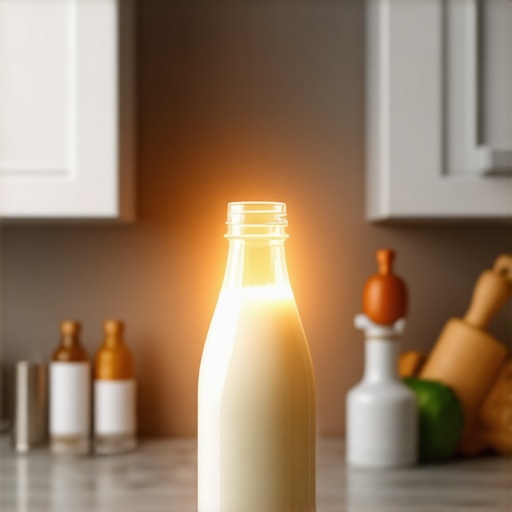
Have you ever opened your refrigerator and noticed that your milk seems to spoil faster than it should? I used to think it was just bad luck or maybe the milk was near its expiration date. But after several frustrating episodes of sour milk and wasted groceries, I had a lightbulb moment that changed how I viewed the cold spot in my fridge. Turns out, there’s a little-known area—sometimes called the “secret refrigerator cold spot”—that can make a huge difference in how long your dairy stays fresh.
Discovering the Cold Spot That Keeps Your Milk Cooler
For years, I just followed the usual advice: keep the milk in the main door or the middle shelf of the refrigerator. But one day, I realized my milk was consistently spoiling faster than my family’s. That’s when I started experimenting with different spots inside my fridge. After some trial and error, I found a specific corner near the back that seemed to stay cooler and more consistent in temperature. Not only did the milk last longer, but other perishable items also remained fresher. This tiny adjustment saved me money and reduced waste, which felt pretty good.
What I discovered is that refrigerators aren’t perfectly uniform in temperature, even if they have sophisticated controls. The back corners or certain shelves have a natural
Identify the Cooler Zone Inside Your Fridge
Start by observing temperature differences throughout your refrigerator. Use a reliable thermometer, similar to how you check a washing machine’s load sensor, placing it in various spots—front, back, top, bottom—to find where it registers the coldest. In my experience, the back corners near the fan vents tend to stay cooler, much like the way some dishwashers have hidden spray arms that deliver more effective cleaning. Spend a few days measuring to see which zone maintains a stable, low temperature.
Adjust Your Food Placement Strategically
Once you’ve identified the coldest spot, move your dairy and perishable items there, just as you would position your most delicate activewear in the washer’s optimal cycle. Remember, this isn’t about overcrowding or random placement—it’s about giving your food the best chance to stay fresh. For example, I transferred my milk to the back right corner, and after a week, I noticed it didn’t sour prematurely, saving me trips to the store.
Optimize Your Refrigerator Settings for Consistency
Many refrigerators have adjustable vents or temperature controls. Set the main thermostat slightly higher but ensure that the cold spot you identified remains significantly cooler than other areas. Think of it like fine-tuning the water temperature in a washer to prevent damage; a small adjustment can make a notable difference. Remember, if your fridge’s temperature fluctuates, it can compromise freshness, much like a dishwasher’s AI turbidity sensor malfunction can cause incomplete washing. Learn more about maintaining your appliance’s optimal function [here](https://smartappliancereview.com/fix-your-2026-dishwashers-failure-to-dry-bowls).
Maintain and Monitor Regularly
Set a recurring reminder to check the temperature at different spots every few weeks. Keep a record to notice any shifts, just like monitoring a washing machine’s load sensor for irregularities. If you find certain areas aren’t staying as cold as they used to, clean your refrigerator’s vents and fans, similar to clearing a clogged spray arm in a dishwasher. Well-maintained airflow ensures consistent cooling, essential for prolonging freshness. For detailed cleaning methods, visit [here](https://smartappliancereview.com/fix-your-2026-dishwashers-clogged-spray-arm-in-4-steps-2).
Minimize Door Opening and Refrigerator Load
Limit how often and how long you open your fridge’s door—like reducing the cycle interruptions in a smart appliance to maintain stable conditions. A crowded fridge forces cool air out when opened, disrupting the cold zones. Keep the most perishable foods in the cold spot so they benefit from the most stable temperature. Think of it as prioritizing critical cycles in washing machines; efficiency depends on proper loading. Adjust your habits to avoid unnecessary door openings, keeping the temperature steady for longer-lasting freshness.
Many homeowners operate their appliances with a set-it-and-forget-it mentality, but this can lead to costly mistakes. A typical misconception is that higher-priced refrigerators automatically offer better cooling performance; in reality, many budget-friendly models tested on [smartappliancereview.com](https://smartappliancereview.com/5-budget-friendly-2026-fridges-that-actually-last-tested) provide excellent durability and efficiency. Overlooking the importance of proper placement and airflow can cause uneven cooling, which not only hampers food preservation but also increases energy consumption. Additionally, many believe that smart features are always beneficial, yet certain settings—like continuous data collection—may compromise privacy, as explained in [this review](https://smartappliancereview.com/how-to-stop-your-2026-smart-fridge-from-selling-your-data-2). Recognizing advanced mistakes such as neglecting regular maintenance or misusing cycle functions can significantly prolong appliance lifespan. For example, regularly cleaning dishwasher spray arms, as detailed in [this guide](https://smartappliancereview.com/fix-your-2026-dishwashers-clogged-spray-arm-in-4-steps), prevents clogs and ensures optimal cleaning performance. An often-overlooked nuance is that appliances with overly complex interfaces might lead users to disable beneficial features out of frustration, thereby reducing efficiency. For instance, some washers have real-time load sensors that, if ignored, diminish wash quality and waste resources. Experts underscore the importance of understanding these hidden elements—like the microplastic filters in washing machines—discussed in [this article](https://smartappliancereview.com/the-hidden-filter-in-your-washing-machine-thats-probably-clogged-right-now)—to prevent long-term issues. Making smart adjustments early on can save significant costs and improve your appliance’s effectiveness. So, instead of sticking to assumptions, do a bit of research or consult professional guides for your specific models. Have you ever fallen into this trap? Let me know in the comments.
Investing in the Right Tools Ensures Longevity
Consistent maintenance is the backbone of appliance durability, and having the right tools makes all the difference. I personally rely on a high-quality digital multimeter, like the Fluke 115, to troubleshoot electrical issues in my refrigerator and washer. Its precision helps me identify faulty sensors or controllers early before they cause bigger problems. For thorough cleaning, an ultrasonic sensor cleaner is invaluable; I use the Magnasonic UltraSonic Jewelry Cleaner, which effectively dislodges microplastic lint and debris from filters and spray arms, preventing clogs and ensuring optimal operation. These tools give me confidence that my appliances will continue to perform efficiently and last longer, saving me money and hassle in the long run.
The Hardest Lesson I Learned About Refrigerator Cold Spots
Initially, I believed that all sections of my fridge maintained the same temperature, but I was wrong. It took persistent trial and error to realize that some hidden corners held a cooler, more stable chill—saving my dairy and produce from premature spoilage. Discovering this taught me that a subtle change in food placement could revolutionize freshness and reduce waste. It’s a reminder that paying attention to the micro-details in home appliances can yield unexpected benefits.
3 Surprising Insights Most Homeowners Overlook About Freshness
Many assume that setting the thermostat higher guarantees longer storage, but the real secret lies in identifying and utilizing the fridge’s coolest zones, often near the back and vents. Learning to measure temperature differences with a simple thermometer revealed that strategic food placement matters more than I realized. This insight has kept my groceries fresher and my grocery bills lower, proving that understanding your appliances deeply can make a tangible difference.
Where to Go from Here for Better Food Preservation
Start by testing your fridge’s temperature in various spots with an accurate thermometer, then reposition your most perishable items to the coldest corner. Regularly inspect and maintain airflow by cleaning vents and fans, ensuring consistent cooling. Enhance your knowledge by exploring expert guides and reputable reviews to optimize your appliance usage, such as those outlined on this resource. Small adjustments today can lead to fresher food, fewer trips to the store, and a more efficient kitchen.
Your Turn to Maximize Your Fridge’s Potential
Have you ever noticed temperature differences inside your refrigerator that impacted your food’s freshness? Share your experiences or tips below—I’d love to hear what’s worked for you or what surprises you discovered about your appliance’s hidden cold zones.
![5 Quietest 2026 Dishwashers for Open-Plan Living [Tested]](https://smartappliancereview.com/wp-content/uploads/2026/02/5-Quietest-2026-Dishwashers-for-Open-Plan-Living-Tested.jpeg)