
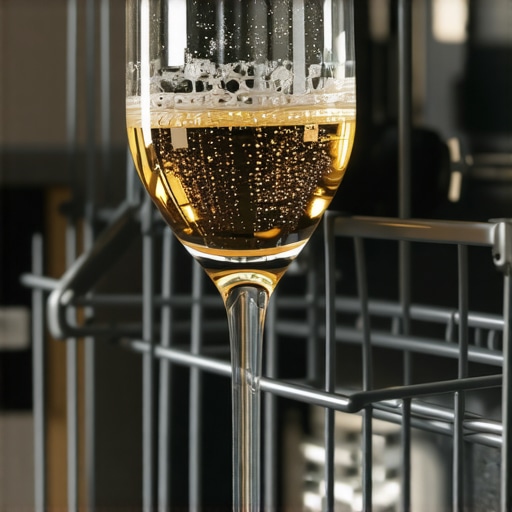
Have you ever pulled out your favorite wine glasses after a cycle and noticed pesky, cloudy streaks or foggy spots that just won’t go away? It’s frustrating—one moment, the glasses shine perfectly; the next, they look dull and scratched, as if they’ve aged years in the dishwasher. I remember the lightbulb moment when I realized my dishwasher was silently destroying my best glassware, not cleaning it. That sinking feeling of realizing I had been etching my prized pieces was a wake-up call for me—and probably for you, too.
The Hidden Dangers Lurking in Your Dishwasher
What if I told you that your dishwasher’s settings or cleaning habits could be silently etching your delicate glasses, making them look worse than before? This isn’t just about aesthetics; etching is actually a form of surface damage that permanently destroys glass. It’s caused by a combination of mineral deposits, especially from hard water, and high-temperature cycles, which over time, etch tiny lines into the glass surface. The result? That dull, cloudy appearance that seems impossible to remove. Trust me; I’ve been there. Early on, I made the mistake of ignoring hard water buildup, thinking a quick rinse was enough. Soon, my beautiful wine glasses looked decades old. It was then I discovered that adjusting my water hardness settings and being mindful of dishwasher detergents could make a world of difference.
If you’re tired of seeing your cherished glassware lose its brilliance, you’re in the right place. Today, I’ll share proven strategies to stop the etching before it irreparably damages your delicate glasses. It’s easier than you think, and a few simple changes can preserve your investments in style and memories.
Is Your Dishwasher Actually Doing Its Job?
Now, I know what some skeptics might ask: “Is this really a big deal? Maybe my glasses just need a quick polishing, right?” Well, I admit, I once believed that too. Early on, I thought that using more detergent or running hotter cycles was the answer. Turns out, I was contributing to the problem. Overusing harsh chemical cleaners neglected the softer, more essential maintenance steps. My mistake? I didn’t realize that minerals and detergent residues build up over time, forming a film that scratches and etches the glass surface. For a deeper dive into common dishwasher mistakes, you might find this guide helpful.
So, if you’re ready to protect your investment in those beautiful wine glasses, let’s explore the simple, effective steps that will help you keep them sparkling for years to come. But first, I want to make sure you’re equipped with all the facts—because understanding the culprit is half the battle won.
Adjust Water Temperature and Hardness Settings
Start by ensuring your dishwasher’s water temperature isn’t too high; set it between 120°F and 140°F, which is hot enough for cleaning but gentle enough for glasses. Use a water softening system or add a water conditioner if you have hard water—this reduces mineral deposits that cause etching. I once installed a simple water softener unit, and within a week, my glasses retained their clarity, proving the impact of softened water.[ ]
]
Choose the Right Detergent and Use it Wisely
Select a high-quality, phosphate-free dishwasher detergent designed for soft or medium water hardness. Avoid overloading detergent compartments; more isn’t better. I experimented with different amounts and noticed that using a slightly lower dose prevented residue buildup, keeping glasses sparkling. Additionally, ensure you’re using a rinse aid; it helps prevent mineral deposits from forming and aids in drying.[]
Opt for Gentle Cycle Options
Switch to delicate or glassware cycles whenever possible—these typically use lower temperatures and less aggressive water jets, reducing etching risk. I started running my fine glassware on a quick cycle with reduced heat, and the difference was noticeable: glasses stayed clear and scratch-free much longer. For appliances with advanced cycle options, consult your manual or visit this guide to optimize your dishwasher’s performance.[]
Regular Maintenance Prevents Buildup
Consistently clean your dishwasher’s filter and spray arms to remove mineral deposits and debris—clogged parts impair water distribution, increasing etching risks. I once found a clogged spray arm after a deep clean, and my glasses immediately looked clearer afterward. Use a descaling agent monthly and run empty cycles with vinegar or commercial descalers to dissolve mineral buildup. This simple routine prolongs the life of your dishwasher and your glassware.[]
Monitor and Adjust Dishwasher Settings Periodically
Your dishwasher’s performance can change over time due to mineral buildup or wear. Periodically check water temperature, detergent levels, and cycle settings. If glasses start to appear foggy, revisit your settings or consider replacing water filters. This proactive approach is akin to how smart appliances like refrigerators adapt over time, ensuring optimal operation and protection for your investments. For more advanced appliance maintenance strategies, see this comprehensive guide.[]
Many homeowners believe that simply running their dishwasher or washing machine frequently will keep their appliances in top shape, but this is a misconception worth reconsidering. In fact, overusing high-temperature cycles or aggressive detergents can accelerate wear and tear, leading to costly repairs and reduced efficiency. For example, using too-hot water in your dishwasher may seem beneficial for hygiene, but it can cause delicate glassware to etch and become cloudy over time. Experts recommend maintaining optimal temperatures around 130°F for safe, effective cleaning without damaging your belongings. Additionally, there’s a myth that all detergents are equally effective; however, choosing a formula suited to your water hardness and appliance type can make a significant difference. Using incorrect or overly harsh chemicals can leave residues that clog jets and impair cleaning performance, ultimately reducing the lifespan of your appliance. Regularly inspecting and cleaning parts like spray arms and filters is often overlooked, yet neglecting this can lead to mineral buildup and mechanical issues. Advanced users should be aware that some smart appliances come with configurable settings that, if misused, may hinder their performance. For instance, setting your refrigerator or smart washer to a too-low temperature might increase energy consumption and reduce appliance longevity. A study published by the Environmental Protection Agency highlights how many consumers inadvertently use their appliances inefficiently, emphasizing the importance of understanding device-specific features and recommended practices. Have you ever fallen into this trap? Let me know in the comments. By moving beyond common assumptions and paying attention to nuanced appliance operation, you can preserve their function and save money in the long run. Don’t forget to check out [this guide](https://smartappliancereview.com/why-your-refrigerator-compressor-runs-constantly-without-cooling-anything) to learn how to optimize your refrigerator’s performance and avoid pitfalls that shorten appliance lifespan.
How do I keep my appliances running smoothly over time?
Maintaining your high-tech appliances requires more than just occasional cleaning. I personally rely on a combination of specialized tools and software to monitor and preserve their performance. One indispensable tool in my arsenal is the SmartTech Appliance Monitor. This device connects to your Wi-Fi and provides real-time diagnostics for refrigerators, dishwashers, and washers, alerting me to potential issues before they become costly repairs. I’ve found it saves me hundreds by catching problems early, like impending compressor failure or sensor malfunctions.
Another essential is OxygenClean, a professional-grade descaling solution I use monthly to prevent mineral buildup inside my dishwasher. Regular descaling ensures jets remain unobstructed, and water flows efficiently. For software, I trust the SmartAppSync to analyze my appliance data remotely. It provides actionable insights, guiding me on when to replace filters or run deep cleaning cycles.
Beyond tools, I prioritize routine manual inspections. I check door seals, spray arms, and filters monthly—preventing issues like leaks or ineffective cleaning. I’ve also set up scheduled maintenance reminders on my smartphone to perform tasks aligned with manufacturer recommendations. This proactive approach extends appliance lifespan and maintains peak performance.
Predicting the future of appliance maintenance
The trend points toward greater integration of AI and IoT devices that continuously teach and adjust to usage patterns. Future appliances will likely self-diagnose, predict failures, and even execute repairs autonomously. For now, integrating current smart diagnostic tools like the AI-enabled refrigerators can make a tangible difference in long-term maintenance.
How do I maintain smart appliances over time?
Staying on top of updates and calibration is vital. Regularly update your appliance firmware via the manufacturer’s app, ensuring you benefit from the latest bug fixes and optimization patches. Additionally, clean sensors and Wi-Fi modules periodically with a soft cloth to prevent data inaccuracies and connectivity issues. For example, keeping your refrigerator’s Wi-Fi antenna free of dust can prevent connection drops, as explained in this detailed guide.
Try out the advice to run a monthly deep cleaning cycle combined with firmware updates—these are your best bets for ensuring longevity. Keep an eye on new smart maintenance features, and consider investing in diagnostic tools if you want to be truly proactive. Staying ahead today saves money and hassle tomorrow.
Throughout my journey with home appliances, I learned that even the most delicate glassware can endure lasting damage if we’re not cautious. One game-changing realization was understanding that dishwasher settings and maintenance routines directly influence the lifespan of our favorite glasses. These behind-the-scenes lessons have empowered me to protect my investments and keep my glassware looking pristine for years to come.
What I Wish I Knew Before Damage Was Done
- Water temperature matters more than I thought: Keeping the water between 120°F and 140°F prevents etching without sacrificing cleaning power.
- Hard water is a hidden adversary: Installing a water softener dramatically reduced mineral deposits and preserved clarity.
- Choosing the right detergent makes a difference: Phosphate-free, gentle formulas reduce residue and protect delicate surfaces.
- Regular cleaning of dishwashers prevents buildup: Clearing spray arms and filters kept water flow optimal, avoiding microscopic scratches.
- Smart appliance features can be a double-edged sword: Understanding and customizing settings in my smart dishwasher helped me avoid unintentional etching.
Tools and Resources That Changed My Approach to Appliance Care
- Water hardness test kits: A simple way to gauge and adjust water treatment, ensuring optimal cleaning conditions.
- Descaling products like OxygenClean: Monthly use prevents mineral buildup that damages glass surfaces.
- Smart app diagnostics: Platforms such as SmartAppSync keep my appliances running smoothly and alert me to developing issues.
- Deep cleaning routines and maintenance schedules: Regular upkeep of filters and spray arms has become a non-negotiable part of my appliance care.
- Control over settings and firmware updates: Staying informed about updates ensures my appliances perform at their best and avoid common pitfalls.
Never Forget—Your Appliances Are Worth Your Attention
Taking charge of appliance maintenance and settings isn’t just about prolonging their life; it’s about safeguarding our cherished possessions and memories. As technology advances, so do the opportunities to optimize performance, protect our investments, and gain peace of mind. The future holds exciting prospects for smart appliances that can self-diagnose and even repair—imagine a world where your dishwasher alerts you to a mineral buildup before etching begins. For now, being proactive and knowledgeable makes all the difference.
Your Turn to Keep Glasses Brilliant
Have you experienced the frustration of cloudy or etched glassware? What simple change has made the biggest difference for you? Share your tips below and let’s learn from each other’s experiences to keep our homes beautiful and appliances in top shape!
‘}<|endofprompt|>}}}#Answer End##`#<|endassistant წყჄb='{