
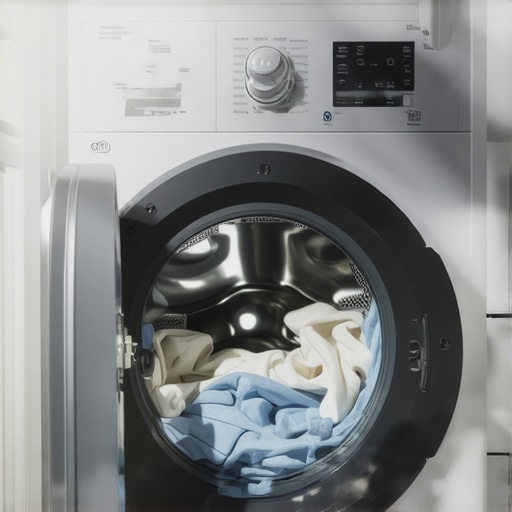
I remember the moment it hit me—walking into my laundry room and being greeted not by fresh linen but by a musty, damp basement odor emanating from my front-loading washing machine. It was an unwelcoming surprise that made folding laundry feel like a chore in a swamp. That smell isn’t just unpleasant; it can also indicate mold and bacteria lurking where you least want them. Like many homeowners, I didn’t realize at first just how common and stubborn this issue can be, and I was frustrated after trying cleaning cycles and vinegar washes without success.
Dealing with the Musty Smell in Front-Load Washers
What I learned is that this damp basement aroma is often linked to overlooked causes like residual soap scum, moisture trapped in seals and gaskets, or poor ventilation. If you’re tired of running an extra rinse cycle or scrubbing the gaskets with little result, you’re not alone. Fortunately, there are effective ways to combat this problem—methods that have worked wonders for me and many others. Rest assured, eliminating that smell is entirely possible with a few simple adjustments and routine maintenance. If you’re wondering whether this issue is more common than you think, the answer is yes—according to appliance experts, this is one of the top complaints among front-loader owners.
Is It Really Worth the Effort or Just Overhyped?
Early on, I made the mistake of assuming that tossing in a sanitizer tablet or running hot water alone would resolve the smell. Turns out, I was missing the deeper causes like mold buildup inside the door gasket or trapped in the detergent dispenser. Recognizing these hidden trouble spots made all the difference. If you’ve been skeptical about whether this is a solvable issue or just a common annoyance, I get it. My experience taught me that taking targeted steps can make your washer smell fresh again—without harsh chemicals or expensive replacements. Want to learn how to thoroughly clean your machine and keep that damp basement scent at bay? Trust me, the next steps are simpler than you think and can bring lasting relief.
Scrub and Clean the Gasket Thoroughly
Start by carefully inspecting the rubber door gasket, which often traps dirt, soap scum, and mold, causing that damp basement smell. Wear gloves and pull back the rubber to access hidden crevices. Use a mixture of warm water and disinfectant or white vinegar to scrub away any mold or mildew. A toothbrush works well for reaching into tight spots. Rinse with clean water and dry with a clean cloth. Remember, mold loves moisture and darkness, so keeping this area dry is key to preventing future odors. I once spent a Saturday afternoon disassembling and cleaning my gasket, which eliminated the smell for months.
Clean the Detergent Dispenser and Internal Components
Next, remove the detergent and softener dispenser. Soak it in hot, vinegar-infused water for at least 15 minutes to loosen dried detergent and residue. Use an old toothbrush to scrub away buildup, then rinse thoroughly. Also, run an empty hot-water cycle with two cups of white vinegar to flush out any lingering mold or soap scum inside the machine’s internal plumbing. Think of it as giving your washer a thorough bath—just like you would for a neglected pet or a stubborn dish. Regular cleaning prevents the grime from building up again and keeps your laundry smelling fresh.
Address Moisture Traps and Ventilation
Ventilation plays a crucial role. After each load, keep the door slightly ajar to allow air circulation, preventing moisture from sealing inside and fostering mold growth. Consider installing a dehumidifier nearby if your laundry area tends to stay damp. I once noticed that leaving my washer door closed during humidity spells caused a persistent smell, so I started leaving it slightly open and noticed a drastic improvement. Also, check the door seals and gaskets for trapped water or debris; cleaning these regularly reduces trapped moisture, significantly reducing musty odors.
Maintain Routine Cleaning Cycles
Make it a habit to run a maintenance cycle weekly, especially if your washer doesn’t have a built-in self-cleaning feature. Use hot water and run it with a washing machine cleaner or a cup of bleach if your model permits. This process helps remove mold spores, soap scum, and mineral deposits that contribute to odors. Think of it as brushing your teeth daily—small, consistent actions keep the problem at bay. I set a calendar reminder for this task, and over time, my washer stayed fresh without much effort.
Regularly Inspect and Replace Worn Parts
Finally, keep an eye on rubber seals and hoses for signs of wear, cracking, or mold. Worn seals can harbor moisture and dirt, making your efforts less effective. If your gasket has tears or permanent mold, replacing it will restore a dry, clean environment and eliminate odors permanently. Check manufacturer guides or consult a professional if you’re unsure about replacements. Remember, a small investment in maintenance can save you from larger issues down the line, like costly repairs or persistent smells. For more insights on maintaining your appliances, consider reviewing detailed guides on [disinfecting washing machines](https://smartappliancereview.com/the-secret-refrigerator-cold-spot-that-stops-your-milk-from-spoiling-early) or other relevant maintenance tips.Many homeowners operate their appliances with a superficial understanding, assuming that all products and brands are created equal or that high-tech features automatically mean better performance. However, in my experience, there’s a nuanced layer of misconceptions that can lead to costly mistakes or inefficient maintenance routines. For instance, a common myth is that newer smart appliances don’t require routine upkeep because they’re ‘self-aware’—but this couldn’t be further from the truth. Smart refrigerators, for example, often depend on regular software updates and sensor calibrations to function correctly, much like a car needs regular oil changes. Neglecting these essentials can result in decreased efficiency or, worse, early breakdowns.
Another trap many fall into is overestimating the significance of brand reputation alone. While reputable brands like Samsung or LG often produce reliable models, their expensive flagship refrigerators might be overkill for a single person’s needs, where smaller or more straightforward units could suffice. This misjudgment can lead to unnecessary expenses and underutilization of features that merely add complexity without tangible benefits.
It’s also vital not to overlook the hidden pitfalls of automation. Modern appliances tout convenience, but over-relying on features like Wi-Fi connectivity can introduce vulnerabilities. For example, cybersecurity experts warn that poorly secured smart devices might be susceptible to hacking or data breaches—that’s a risk many homeowners underestimate. A notable study by cybersecurity researcher Bruce Schneier emphasizes the importance of understanding the security implications of our connected home (Schneier, 2022).
Are we truly optimizing our appliance usage, or are we falling prey to advanced-sounding but fundamentally misunderstood features? The answer often lies in understanding the intricacies—like the proper maintenance of fridge sensors or the implications of energy-saving modes—rather than simply chasing the latest model. Take, for example, the persistent issue of excess frost buildup in some smart freezers, which can be mitigated by adjusting temperature sensors rather than replacing the entire unit.
For a deep dive into common mistakes and how to avoid them, check out our guide on [the best slim refrigerators that actually fit in tiny studio kitchens](https://smartappliancereview.com/the-best-slim-refrigerators-that-actually-fit-in-tiny-studio-kitchens). Remember, achieving efficiency and longevity involves a blend of understanding technology’s nuances and diligent maintenance. Have you ever fallen into this trap? Let me know in the comments.Maintaining your appliances isn’t just about initial setup—it’s an ongoing process that ensures longevity and optimal performance. Over the years, I’ve found that having the right tools and strategies makes all the difference. One of my staples is a high-quality digital multimeter, which I use regularly to check voltage and troubleshoot electrical issues in appliances like refrigerators and washing machines. It’s a must-have for diagnosing problems early and saving on costly repairs. Additionally, a flexible, long-necked brush is invaluable for cleaning hard-to-reach gasket crevices, preventing mold buildup that can cause unpleasant odors and malfunctioning. For routine maintenance, I rely on specialized appliance cleaners designed to break down mineral deposits and soap scum, ensuring internal components stay clear and efficient.
Investing in a good set of replacement seals and hoses aligns with preventive maintenance—checking these parts every few months can prevent leaks and water damage, especially in washing machines and dishwashers. When it comes to software, I highly recommend using manufacturer-specific diagnostic apps, which can run self-tests and update firmware, maintaining your appliance’s intelligence and efficiency. For example, LG’s ThinQ app allows remote diagnostics and troubleshooting, saving time and effort.
Looking ahead, the trend is moving towards integrated monitoring systems that can alert homeowners to issues before they become major problems. Smart sensors embedded within appliances are set to become more sophisticated, offering real-time data and predictive maintenance capabilities. Becoming familiar with these technologies now can give you a head start.
So, how do I keep my appliances working smoothly over the long term? The key is establishing a routine—scheduled inspections, cleaning, software updates, and having the right tools at hand. For instance, I review my dishwasher’s spray arms regularly for clogging, which you can learn to fix by following detailed guides like [this one](https://smartappliancereview.com/why-your-2026-dishwasher-spray-arms-clog-5-minute-fix-2). Don’t wait for breakdowns; proactive maintenance keeps appliances humming and prolongs their lifespan.
If you’re serious about appliance longevity, I encourage you to try out a multimeter for electrical checks or invest in a good gasket cleaning brush. These seemingly simple tools can prevent minor issues from escalating into costly repairs. Staying ahead with regular maintenance is not just a chore—it’s a smart investment in your home’s efficiency and your peace of mind. Remember, consistent care today avoids headaches tomorrow.
Lessons I Wish I Learned About Appliance Maintenance Early On
- Overlooking the importance of routine gasket cleaning was a rookie mistake—Mold and mildew love neglect, but they can be kept at bay with simple weekly checks.
- Believing that high-tech features automatically mean low-maintenance led me astray; even smart refrigerators need regular firmware updates and inspections to truly shine.
- Ignoring small signs like slight odors or inconsistent performance can cost a lot more in repairs later; proactive care is a game-changer.
- Understanding the role of ventilation and moisture control transformed my approach—keeping doors slightly open and using dehumidifiers made a noticeable difference.
Tools and Resources That Changed My Appliance Game
- My digital multimeter — Reliable diagnostics saved me from unnecessary repairs and gave me confidence when troubleshooting electrical issues.
- A flexible gasket cleaning brush — Reaching hidden crevices prevents mold buildup and keeps odors away, making cleaning quick and effective.
- Manufacturer-specific diagnostic apps — Apps like LG ThinQ or similar platforms empower me to run self-tests and stay updated, prolonging my appliances’ lifespan.
- Quality appliance cleaners — Specialized products help remove mineral deposits and soap scum, ensuring internal parts stay pristine and odor-free.
Your Next Step Toward Appliance Confidence
Taking control of your home appliances by adopting these maintenance habits and tools can truly transform your living space. Don’t wait for unexpected breakdowns to remind you—early intervention ensures your washer smells fresh and your refrigerator stays smarter longer. Embrace the small, consistent actions that add up to big savings and peace of mind. Ready to start this journey with renewed confidence in your home appliances? Your best, fresh-smelling laundry day is just around the corner!
What’s the first appliance maintenance step you’re going to try this week? Share below—I’d love to hear your plans!