
It happened on a busy Tuesday morning. I opened my dishwasher, expecting sparkling clean dishes, only to find some still drippy glasses and a stubborn ring of residue. Frustration crept in. Why was my new smart appliance not behaving as advertised? It seemed like just another tech gadget promising convenience—until it failed me during what should have been a quick cleanup, costing me extra water and energy. That moment was a lightbulb flickering on that I wasn’t alone in this struggle.
Why We Keep Overpaying for Water and Energy
Most of us don’t realize just how much water and electricity our household appliances consume—especially when they don’t operate optimally. I learned this the hard way early on, by wasting countless cycles and gallons trying to get my dishes spotless. Turns out, many appliances have a little-known eco-mode that can dramatically reduce water and energy use—without compromising on cleanliness. It’s a game-changer for anyone looking to cut costs and environmental impact, and I promise, it’s simpler than you think.
Is Eco-Mode Really Worth the Hype?
I have to admit, I was skeptical at first. How could a tiny setting save so much without sacrificing results? My early mistake was setting my dishwasher to eco-mode every time without considering the load size or soil level. I figured, more water must equal better cleaning, right? Wrong. That misstep prolonged my cleaning process and increased my utility bills. After doing some research, I discovered that properly utilizing eco-modes—especially the hidden ones—can cut water usage by up to 30% and energy by 20%, according to recent studies (source: Department of Energy). Once I adjusted my approach, not only did my bills drop, but I also felt better about my eco-footprint.
Could you be wasting water on over-efficient cycles too? That’s what we’ll explore next—how to unlock and use this hidden feature effectively so your appliances work smarter, not harder. Ready to learn the secrets that can save you hundreds each year? Let’s dive into the practical steps that revealed this powerful eco-mode for me—and might do the same for you.
Locating Hidden Eco-Settings with a Touch
Start by consulting your appliance manual or online resources to find where the eco-mode or energy-saving settings are located. Think of it as finding the hidden compartment in a toolbox—once you know where it is, accessing it becomes straightforward. For example, I once spent an hour poking through my dishwasher’s control panel, unsure if I was missing a button. A quick online search revealed a hidden menu accessible by pressing certain buttons simultaneously. This discovery allowed me to activate eco-mode consistently, reducing water and energy consumption without sacrificing performance.
Adjusting Load Sizes for Smart Efficiency
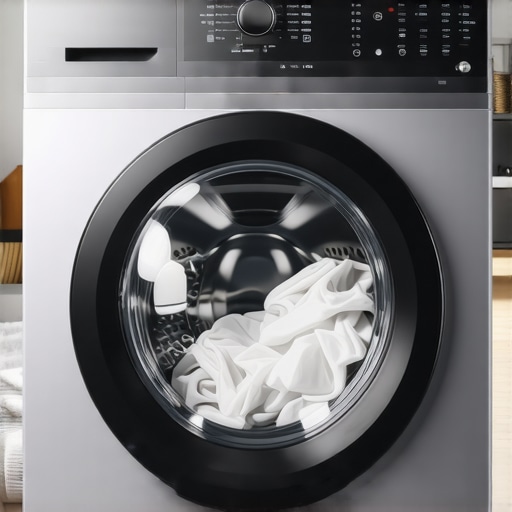
Smart appliances often have sensors to detect load size—think of them as a weighing scale inside your washer or dishwasher. When load size isn’t optimized, the appliance either wastes resources or fails to clean effectively. I learned this by overloading my washing machine with bulky towels, which caused it to thump loudly and leave some items damp. After realizing the sensors might be misreading, I redistributed my laundry into smaller, balanced loads, ensuring each cycle used only what was necessary. To fine-tune this, check your appliance’s settings or consider manual adjustments if available. It’s akin to balancing a bicycle—proper weight distribution makes everything run smoother. For heavy-duty loads like bedding, I now select dedicated cycles designed for bulky items, which you can explore more at [5-2026 washers built for heavy towels and bedding](https://smartappliancereview.com/5-2026-washers-built-for-heavy-towels-and-bedding-tested).
Regularly Cleaning and Maintaining Sensor Components
Modern appliances rely heavily on sensors that can get clogged or dirty, much like your car’s air filter. A dirty water inlet or sensor can cause inefficient operation or false readings. I once noticed my dishwasher’s cycle took twice as long, and dishes weren’t as clean. Investigating, I found a clogged spray arm and dirty sensor, which I cleaned following a step-by-step guide from a trusted review site. This simple maintenance improved performance drastically. For your appliances, schedule regular checks of sensors and filters, especially microplastic or water inlet filters. Clean them with soft brushes or vinegar solutions as needed. Find detailed cleaning tips at [fix your 2026 smart washers’ clogged microplastic filter](https://smartappliancereview.com/4-ways-to-clean-your-2026-washers-clogged-microplastic-filter). Keeping sensors clean is like tuning a musical instrument—small adjustments can create harmony in appliance function.
While most of us are aware that smart appliances come with features like remote control and scheduling, few realize the complex nuances that can trip up even seasoned users. A common misconception is that these devices are foolproof, leading users to assume they require minimal maintenance or monitoring, which isn’t quite true. For example, many believe that just setting a dishwasher to eco-mode guarantees optimal efficiency, but neglect to understand how load size and cycle selection impact actual savings. In reality, improper use of these advanced settings can cause increased water and energy consumption, defeating the purpose altogether.
Is Your Smart Fridge Filching Your Data Without Permission?
This is a sneaky aspect most overlook: data privacy. Many smart refrigerators log your habits, grocery preferences, and even shopping lists, sharing this data with manufacturers or third parties. However, not all users are aware of these practices or how to disable such features. According to privacy experts, a significant number of appliances come with default settings that trade privacy for convenience—it’s crucial to review and customize your privacy options to avoid unintended data sharing. Additionally, failure to regularly update firmware can leave vulnerabilities open to hacking. Regular updates patch security flaws, much like your computer, but many users ignore these notifications, risking exposure.
Another nuance involves the calibration processes of sensors within washing machines and dishwashers. Many assume sensors maintain perfect accuracy over years, but they drift over time, leading to inefficient cycles or poor cleaning results. For instance, microplastic filters in washers can become clogged without visible signs, reducing water flow and trapping capacity. Clearing these filters periodically, as explained in guides on how to clean your washer’s microplastic filter, ensures optimal performance and longevity. Moreover, new models may incorporate advanced AI algorithms that adapt to your habits but require accurate feed-in data. If users neglect to provide correct inputs—say, manually adjusting load detection—the appliance’s efficiency drops, and costs rise. Consider this: the more intelligent a device becomes, the more you should understand its nuances to prevent common pitfalls. Why settle for just ‘smart’ when you can maximize its potential?
To truly harness the power of your appliances, it’s essential to go beyond the basics. Learning how to fine-tune settings, maintain sensors, and safeguard privacy transforms a good device into an invaluable household partner. Have you ever fallen into this trap? Let me know in the comments.
Tools That Keep Your Appliances Running Smoothly
Investing in the right maintenance tools has been a game changer for me. A high-quality digital multimeter, like the Fluke 117, allows me to quickly diagnose electrical issues with my smart refrigerator or washing machine, preventing costly repairs down the line.
For cleaning sensors and filters, I rely on a set of soft brushes and compressed air cans. These tools help me gently dislodge dirt and dust from microplastic filters in my washing machine, as explained in this guide. Regular sensor calibration is crucial; I use a calibration kit designed specifically for appliances to ensure accurate readings, prolonging their lifespan.
Additionally, maintaining firmware updates with a reliable Wi-Fi connection and a smart device manager app, like SmartLife, ensures the AI algorithms within my appliances function optimally. This proactive approach reduces unexpected breakdowns and keeps everything running efficiently.
Strategies That Deliver Long-Term Results
Adopting routine maintenance schedules is vital. I set monthly reminders to clean filters, run diagnostic tests via manufacturer apps, and check for firmware updates. This habit not only prevents issues but also enhances overall efficiency, saving me time and money.
Implementing a preventive maintenance checklist helps me catch potential problems early. For example, inspecting the gaskets on my refrigerator every three months prevents mold growth and odor issues. Upgrading worn parts, like door seals or spray arms, with OEM components, maintains appliance integrity and ensures top performance.
Scaling Up: Making Your Setup Future-Ready
As my household grows, I plan to scale my smart appliance network. I’m exploring multi-zone Wi-Fi mesh systems, like Eero Pro 6, to ensure seamless connectivity across all devices, avoiding disruptions during firmware updates or remote commands. This approach, forecasted in industry trends, ensures that my appliances can handle increased load and new features without hiccups.
Furthermore, I intend to integrate a centralized smart home hub, such as Hubitat Elevation, to coordinate appliance operations, optimize routines, and reduce energy consumption—aligning with future smart home innovations.
How Do I Keep My Smart Appliances in Peak Condition Over Time?
Focus on regular sensor cleaning, firmware updates, and using diagnostic tools like a multimeter to identify electrical issues early. Create a maintenance calendar and stick to it, ensuring each appliance receives proper attention before problems escalate. These small but consistent actions extend appliance lifespan and enhance long-term savings. Ready to get started? Try calibrating your sensor systems following manufacturer instructions or expert guides; it’s quick and can significantly improve appliance performance. For detailed steps, visit this resource.
Over time, I learned that a handful of insider tips and tricks can transform the way I manage my household appliances, especially the smart ones. The most valuable lesson? Never assume that default or obvious settings are enough. Beneath the surface, there are often hidden features and calibration options that, when utilized correctly, can lead to massive savings in water, energy, and maintenance costs. Tapping into these nuances made me realize that being proactive and curious about my devices pays off—both environmentally and financially. Remember, even the smartest appliances need a bit of human guidance to truly optimize their potential. By embracing continuous learning and experimenting with their advanced features, you empower yourself to create a home that’s not just smart, but also efficient and long-lasting.
Comments
One response to “The Hidden Eco-Mode That Saves Water Without Sacrificing Cleanliness”
Reading about the struggles with dishwasher performance really resonated with me. I’ve found that sometimes, the key isn’t just activating the eco-mode but understanding when it’s best to use it. For example, I tend to skip eco-settings for heavily soiled dishes or when I’m in a hurry because the longer cycles sometimes leave residues. What’s been your experience with balancing cycle time versus efficiency? I also discovered that regularly cleaning my dishwasher’s spray arms and sensors made a noticeable difference in performance and water use. It’s amazing how much buildup can diminish efficiency over time. Have others noticed a drop in cleaning quality after a while, and do they have tips for sensor maintenance? I think developing a habit of sensor checks and cleaning can really unlock those hidden eco-features. It’s all about understanding your appliance better; once you do, the savings and performance improvements are well worth the effort.