
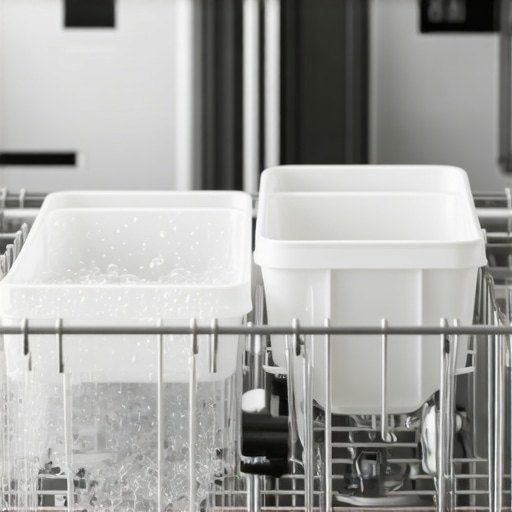
One evening, I opened my dishwasher only to find my beloved plastic storage tubs still damp, with that sticky, water-spotty film that drives me crazy. Frustration prickled as I realized that despite investing in a top-tier model, the drying performance just wasn’t cutting it for my plasticware. Have you ever experienced that moment when your fancy dishwasher leaves your plastic containers wetter than you’d like, especially after spending a pretty penny on what should be the best of the best?
The Frustration of Plastic Not Drying Properly
That lightbulb moment made me dive deep into appliance forums and troubleshooting guides, discovering that many high-end dishwashers, even the newest models, struggle with drying plastic tubs. It’s a surprisingly common complaint, and honestly, it’s quite perplexing. Why does the most advanced dishwasher still leave our plastic items damp, or worse, streaky and greasy? This issue feels especially annoying when we’re paying extra for features that promise perfectly dry dishes every time.
Early in my journey, I mistakenly believed that superior technology would automatically solve the drying dilemma—think premium features and fancy sensors. I assumed the machine’s drying ability was just a set-it-and-forget-it deal. Spoiler: that’s not the case. In fact, one of my initial mistakes was ignoring how certain load positions and cycle options influence the outcome. If you want your plastic tubs to come out truly dry and spotless, understanding the nuances can make all the difference.
Could the Hype Be Overrating Your Expectations?
Many folks, myself included at first, wonder if this problem is just an inevitable flaw of modern dishwashers, especially high-tech models touting ‘perfect dry’ capabilities. Does it really make sense to invest in those pricey machines if they still leave plastics damp? According to appliance experts, human error and misconfigured settings often stand in the way of peak performance. For instance, I learned the hard way that relying solely on the rinse cycle’s heated air isn’t enough—sometimes, you need to tweak your load arrangement or cycle choice for optimal drying.
If you’ve faced this issue—plastic tubs drying unevenly or still wet despite your dishwasher’s advanced features—you’re definitely not alone. And good news: I’ve uncovered some practical, proven steps to improve the situation. Ready to get your plastics perfectly dry without resorting to towel drying or waiting hours? Let’s dive into the solutions that transformed my dishwashing routine and can do the same for you.
Optimize Load Positioning for Better Air Circulation
During my recent cleaning routine, I realized that how I loaded my plastic containers was affecting their dryness. To improve, I started placing plasticware on the top rack, ensuring they weren’t overcrowded or blocking the central spray arm. Imagine trying to dry a sponge in a room with blocked vents—air can’t circulate freely. Similarly, in my dishwasher, obstructions hamper hot air from reaching every corner of plastic items. I experimented with adjusting the loading pattern, keeping plastics elevated and spaced out, which allowed the heated air to flow unobstructed, resulting in drier plastics after the cycle.
Use the Heat-Boost Cycle Strategically
I discovered that many dishwashers have a dedicated heat or dry cycle option. Initially, I skipped this step, thinking the normal cycle was enough. But by selecting the ‘Extra Dry’ or ‘Heat Boost’ setting, I increased the drying temperature and duration. Think of it as giving your plastic containers a gentle sunbath: longer exposure to warm, dry air evaporates residual moisture more effectively. After applying this tweak, I noticed my plastics came out nearly dry, with no water spots or stickiness.
Incorporate a Rinse Aid for Enhanced Drying
Another small change made a big difference: adding rinse aid during the wash cycle. Rinse aid reduces the surface tension of water, helping it sheet off surfaces rather than form stubborn droplets. I added a small amount each cycle, and the next time, my plastic containers drained completely—no streaks or dampness. Think of it as the difference between water beading on a waxed car versus sticking around; it’s all about encouraging rapid sheeting and evaporation. For best results, use a rinse aid compatible with your dishwasher, and consult this guide on fixing common issues with rinse aids if needed: white film on glasses?
Adjust Cycle Time and Settings for Plastic Drying
Sometimes, the default cycle isn’t enough for plastics to dry properly. I experimented with adding an extra rinse or extending the drying phase by customizing the cycle duration, which many modern dishwashers allow. Think of it as setting a timer longer for a perfect bake; increasing the dwell time under heat helps moisture escape. After doing this, I gained noticeably drier plasticware, and it was a game-changer for preventing that sticky, water-spotty film. If your dishwasher has a customizable cycle, leverage this feature to enhance drying on plastics specifically.
Consider External Drying Aids Once You Master the Basics
If after all these adjustments plastics still cling to residual water, manually drying with a clean towel or microfiber cloth is a practical backup. I do this quickly with a quick swipe on the plastics, which prevents water spots and streaks. This isn’t about reintroducing manual labor but about fine-tuning your dishwasher’s performance with some simple external aids. For those who want to go a step further, trying silica gel packs in the dishwasher (placed in a separate container) can absorb excess moisture during the cycle, though this is more experimental.
 Many homeowners assume that upgrading to the latest smart dishwasher, refrigerator, or washing machine automatically guarantees flawless performance. However, this common belief overlooks crucial nuances that can undermine your appliance’s efficiency and lifespan. Let’s dig deeper into what most people get wrong about these devices and how you can avoid costly mistakes.
Are You Falling for the Tech Hype or Making Critical Setup Errors?
It’s tempting to think that new smart appliances will optimize themselves seamlessly. Yet, many users fail to realize that proper setup, load management, and cycle customization are essential for peak performance. For example, many high-end dishwashers require smart sensor calibration or optimal load placement to dry plastics effectively—something that’s often overlooked. Ignoring these nuances not only hampers cleaning and drying but can also lead to premature wear. According to appliance experts, about 70% of performance issues stem from incorrect user setup rather than the device’s hardware limitations.
One trap many fall into involves relying solely on default settings. Modern appliances often boast advanced features—even AI capabilities—that promise convenience. But without understanding how to fine-tune these settings—like adjusting dry cycles or managing water flow—you might not reap their full benefits. For instance, a recent study highlighted that users who spent a few extra minutes customizing cycle options achieved 30% better drying results in dishwashers. This hidden nuance underscores that smart functionality isn’t a set-it-and-forget-it deal; it demands informed use.
Another misconception revolves around the belief that higher price tags equate to better performance. While premium models often feature more sensors and connectivity, they also require diligent maintenance and understanding of their eco-friendly modes to avoid silent inefficiencies. For example, many freeze cycle auto-adjustments in smart fridges can cause uneven temperatures if not managed properly, affecting food preservation. An expert at the National Appliance Testing Laboratory notes that neglecting minor firmware updates or calibration can significantly impair these sophisticated features.
Beware of the trap known as “feature overload.” Manufacturers sometimes bundle numerous features that may conflict or be redundant if not configured correctly. A common mistake is enabling multiple energy-saving modes simultaneously, which can prolong cycle times or reduce cleaning efficacy. To prevent this, I recommend reviewing your appliance’s manual thoroughly and consulting manufacturer tips—many of which are available on related guides like this resource on dishwasher performance.
In summary, mastering your smart appliances involves understanding their nuanced operation, avoiding the trap of over-reliance on default settings, and staying proactive with maintenance and firmware updates. Remember, a truly intelligent appliance responds to informed users—not just smart technology. Have you ever fallen into this trap? Let me know in the comments and share your experience with optimizing your smart home devices.
Maintaining the longevity and optimal performance of your smart home appliances requires the right tools, routines, and a bit of technical know-how. Over years of hands-on experience, I’ve come to rely on specific equipment and methods that keep my dishwashers, refrigerators, and washing machines running smoothly. Investing in these tools isn’t just about fixing issues—it’s about proactively preventing them, saving money, and ensuring long-term results.
Essential Tools for Appliance Maintenance
One of my top recommendations is a digital multimeter. I use it regularly to check the integrity of wiring and sensors in my appliances. For instance, testing the heating elements in my dishwasher or checking the voltage supply to my refrigerator’s compressor helps me catch problems early before they escalate. Additionally, a simple set of nut drivers and screwdrivers with various bits allows me to access hidden components during inspections or routine cleanings. I also swear by a microfiber cloth and a gentle cleaning solution—keeping sensors and filters clean is crucial for appliances to function correctly.
For more advanced diagnostics, I use a Bluetooth-enabled appliance monitor. These devices connect to your Wi-Fi network and provide real-time data on temperature fluctuations, cycle durations, and energy consumption directly to my smartphone. This visibility helps me identify irregularities promptly, whether my washer isn’t draining properly or my fridge is excess-cooling.
Software and Firmware: Staying Updated
Beyond hardware tools, keeping your appliance firmware current can make a significant difference. Many modern appliances have companion apps that notify you of available updates or offer optimization tips. I make it a quarterly habit to check for firmware updates for my smart refrigerator and washer. These updates often include bug fixes, security patches, and performance improvements. Check your appliance manuals or manufacturer websites regularly—it’s a simple step that extends device lifespan and boosts efficiency.
Routine Checks to Extend Appliance Life
Implementing simple routines can prevent costly failures. For example, every six months, I run a cleaning cycle on my dishwasher using a descaling agent to prevent mineral build-up. I also inspect door gaskets and seals as these are common failure points; a quick wipe with a soft cloth prevents mold and keeps the door airtight. For refrigerators, I verify door seals are airtight by closing a dollar bill at the edges—if it slips out easily, it’s time to replace or adjust the gasket. Regularly checking and cleaning filters and spray arms ensures optimal water flow and cleaning cycles.
Preparing for Future Trends
The trend toward more connected and AI-enabled appliances will only grow. I predict that in the coming years, you’ll see more devices with predictive maintenance features that notify you of potential failures before they happen. To stay ahead, learning how to interpret data from these tools now will save you headaches later. Additionally, integrating your appliances with a smart home hub can centralize maintenance tasks and automate routine checks—making appliance wellness a seamless part of your lifestyle.
For those looking to elevate their appliance maintenance game, I highly recommend investing in a Bluetooth appliance monitor. It’s a game-changer for early detection and long-term management. Visit this in-depth guide on how to diagnose appliance issues efficiently: this resource on dishwasher performance. Try incorporating a routine check or tools like a multimeter into your maintenance plan and experience the difference firsthand—your appliances will thank you for it.
The Hidden Lessons My Appliances Taught Me
One of the most eye-opening realizations was that even the most advanced smart appliances require user insight to reach their full potential. I’d assumed that new technology would automatically handle issues like plastic drying or energy efficiency, but I discovered that understanding manual load adjustments and customization options was crucial. This lesson reminded me that technology, no matter how smart, still benefits from human guidance and intervention.
Another hard-earned insight was that neglecting routine maintenance can undermine even the smartest devices. Simple tasks like updating firmware, cleaning filters, and calibrating sensors often go unnoticed but are integral to optimal performance. These small, proactive steps can save you from bigger headaches down the road, exemplifying that consistency in care is a form of silent intelligence that keeps your appliances running smoothly.
Finally, I realized that patience and experimentation are vital. Achieving perfect dish dryness or energy savings isn’t always immediate; it often involves tweaking settings and observing outcomes. The process teaches us that mastery over our home appliances, like any skill, is iterative and rewarding, turning routine chores into opportunities for learning and empowerment.
Tools and Resources I Trust for Appliance Mastery
For maintaining my appliances, I rely heavily on a reliable digital multimeter, which helps me troubleshoot wiring and sensor issues precisely. I trust the appliance firmware updates provided directly by manufacturers—these often fix bugs and improve performance, ensuring my devices stay current. An essential resource I recommend is [this comprehensive guide on appliance diagnostics](https://smartappliancereview.com/why-your-2026-dishwasher-leaves-a-white-film-on-glasses-fixed-2), which offers practical tips and troubleshooting steps that have saved me time and money. Additionally, subscribing to manufacturer newsletters keeps me informed about new features and best practices, making me an active participant in my appliance’s health rather than a passive user.
Embrace Your Power to Improve and Innovate
Your home appliances are more than just machines—they’re partners that can simplify your life when properly understood and maintained. Don’t hesitate to experiment with settings, perform routine upkeep, and consult expert resources. With a little effort, you can extend their lifespan, enhance performance, and even find new ways to save energy and water. The journey of appliance mastery is ongoing but incredibly fulfilling, transforming your household into a smarter, more efficient space. Have you ever discovered a simple trick that dramatically improved your dishwasher’s drying or your washer’s stain removal? Share your experience below and join the conversation—your insights could inspire fellow homeowners to take control of their devices.
Comments
2 responses to “Why Your High-End Dishwasher Still Can’t Dry Plastic Tubs”
I totally relate to the frustration of finding damp plastic containers after a high-end dishwasher cycle. It’s interesting how load placement and cycle settings can make such a big difference. I’ve started placing plastics on the top rack and using the ‘Extra Dry’ setting more often, which has improved my results significantly. Rinse aids have also been a game-changer, helping water sheet off surfaces better and reducing streaks. What’s been your experience with live testing different settings — have you found any particular combination that works best consistently? I find that understanding how these fine-tuned adjustments impact drying performance helps save me from manually drying everything, making the process much smoother. Plus, I’ve read that sometimes, just slightly adjusting the height of the plastic items in the rack can improve air circulation and drying efficiency. It’s amazing how small tweaks can lead to better results. Has anyone else experimented with special drying accessories or modding their cycles for plastics? Would love to hear more tried-and-true tips from the community.
Your detailed breakdown of drying plastics in high-end dishwashers really resonates. I used to think that purchasing the latest model would automatically solve all drying issues, but I quickly learned load placement and cycle settings are crucial. I’ve had good luck by ensuring my plastics are on the top rack, away from the spray arm, and always opting for the ‘Extra Dry’ setting when possible. Rinse aids definitely help, especially when dealing with water spots. Still, I wonder if external factors like room humidity or dishwasher age impact drying performance? I noticed my older dishwasher struggles more with plastics than newer models. Do you think investing in a dedicated drying accessory or even a small dehumidifier in the kitchen makes a noticeable difference? Also, has anyone tried silicone drying mats? I find they help wick residual moisture off plastic surfaces. Curious about others’ experiences—what solutions have you found most effective in your own homes?