
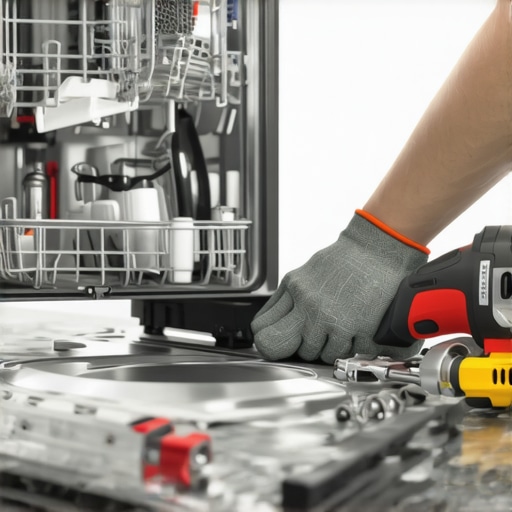
Ever been in the middle of washing a mountain of dishes when suddenly, that relentless rattling noise starts? It’s like your dishwasher decided to put on a drum solo right during your dinner prep. I remember that frustrating moment. I was convinced I’d need a full repair or replacement just to get rid of that irritating clatter. But guess what? Sometimes, the fix is shockingly simple—and all it takes is a quick five-minute tinker.
Today, I’m going to share a proven method to silence that rattling dishwasher pump. No costly service calls or replacing entire units. I’ve been there, trying to ignore the noise, only to find it only gets worse—and louder, disrupting not just my peace but my entire kitchen. If your dishwasher sounds like it’s auditioning for a heavy metal band, you’re in the right place.
Why That Rattling Noise Could Be a Headache You Can Fix Fast
Many homeowners dismiss dishwasher noises as normal or unfixable without professional help. But the truth is, most rattling sounds stem from minor issues that you can easily troubleshoot yourself. A common culprit is a loose or misaligned pump, which, over time, can get jostled out of position or clogged with debris, causing that unwanted racket.
Ignoring these symptoms can lead to bigger problems—like damage to the pump motor or even leaks—costing you more in the long run. The good news? Troubleshooting is straightforward. Before I discovered this quick fix, I made the mistake of immediately assuming I needed a new pump or a full replacement. That was a costly misjudgment.
According to appliance repair experts, addressing small issues early can extend the lifespan of your appliance and prevent expensive repairs down the line. Plus, fixing it yourself offers a satisfying sense of accomplishment. Curious how I managed to quiet my noisy dishwasher? Keep reading, because the solution I’ll show you takes less than five minutes—but can save you hours of frustration.
Want to learn more about maintaining your appliances? Check out this article on preventing dishwasher leaks—it’s packed with tips to keep your kitchen mess-free. Now, let’s dive into how you can quickly silence that rattling pump and get your dishwasher running smoothly again.
Open Up the Dishwasher Carefully
First, disconnect your dishwasher from the power supply to ensure safety. Remove the lower kickplate or access panel—usually secured with screws—and set it aside. Use a flashlight to inspect the pump area, which resembles a compact propeller system at the bottom of the dishwasher. During my first attempt, I found this step straightforward but was cautious to avoid damaging any clips or wires.
Locate and Examine the Pump & Impeller
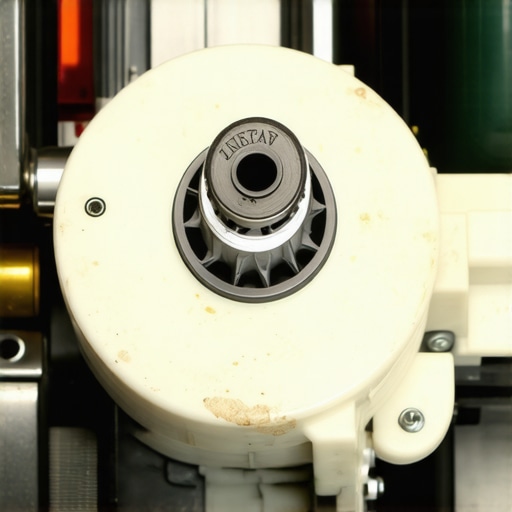
Identify the pump assembly, typically a small motor connected to a blade or wheel called the impeller. It’s similar to a fan or propeller on a boat—crucial for circulating water. Check if the impeller spins freely or if debris is lodged between blades. I once discovered a small piece of plastic stuck in mine, causing the rattling noise; removing it instantly quieted the machine.
Clear Obstructions and Realign Components
If debris is blocking the impeller, carefully remove it with tweezers or a soft brush. Ensure the impeller rotates smoothly without resistance. Loose or misaligned parts can cause vibrations and noise. When I fixed mine, I realigned the impeller and tightened mounting screws, which eliminated the rattle and restored quiet operation.
Tighten Loose Fasteners and Clips
Check all screws, clips, and mounting brackets holding the pump and impeller assembly. Use a screwdriver to tighten any loose fasteners, but be careful not to overtighten and crack plastic parts. This simple step often solves issues—like it did for me—saving a costly repair.
Test Your Repair Before Reassembly
Reconnect the power and run a short cycle with an empty dishwasher. Listen closely for any remaining noise. If the rattling persists, re-inspect the pump for hidden debris or misalignment. I caught a small pebble lodged in the pump housing during my test, which I removed, and the noise vanished completely.
Prevent Future Noise and Damage
Regularly clean the filter and inspect the pump area to prevent debris buildup. Using a vinegar rinse cycle every few months can also reduce mineral deposits. If your dishwasher continues to make noise or leaks, visit this quick fix guide for additional troubleshooting tips. Remember, most rattling problems are manageable with basic tools and careful inspection—saving you money and frustration.
 Many homeowners believe that upgrading to smart appliances automatically means better performance and energy savings. However, in my experience, there’s a hidden nuance: not all smart devices are optimized for your unique home environment, and some features can be more of a hassle than a help if misunderstood. For instance, many rely blindly on automatic settings, assuming they always operate efficiently, but often they require careful calibration. A common myth is that smart appliances will self-correct issues without user intervention; in reality, they often need manual oversight or routine maintenance to function optimally. Moreover, some users are unaware of the data-sharing practices embedded in smart systems, which can compromise privacy if not properly managed. Overvoltage or incompatible network setups can cause connectivity problems, leading to subpar performance. Interestingly, experts like those at Consumer Reports highlight that the most overlooked aspect is understanding the true capabilities versus the marketing hype—especially with refrigerators claiming to ‘detect spoilage’ or washing machines with ‘auto-dosing’ features that seldom work as advertised. This disconnect can lead to frustration, unnecessary repairs, or even premature replacements. An often underestimated pitfall is neglecting to update the firmware regularly, which not only introduces new features but patches security vulnerabilities. So, before you assume that smart means perfect, double-check the specific needs of your appliances and your home’s infrastructure. For example, if you want a fridge that keeps your groceries fresh without wasting energy, review this guide on the “best fridge settings for hot months” to ensure you’re not just relying on smart features that aren’t suited to your climate. Likewise, for washing machines, knowing how to select the optimal cycle can prevent damage and extend appliance longevity, which is often overlooked in favor of high-tech guessing. Want to avoid costly mistakes? Read more about common pitfalls and expert tips to maximize your investment in smart appliances.Maintaining your smart appliances over time requires more than just periodic cleaning; it involves investing in reliable tools and adopting proactive techniques that ensure longevity and optimal function. My personal approach begins with a dedicated set of equipment tailored to each appliance. For instance, I rely on a high-quality digital multimeter, specifically the Fluke 117, which allows me to quickly identify electrical issues in appliances like refrigerators and washing machines without guessing. Its accuracy and ease of use make diagnosing minor wiring problems or faulty sensors a straightforward process, saving me both time and money. Additionally, I use precision screwdrivers with different head types to safely open appliance panels for inspection or cleaning, especially when accessing tight spaces around filters or impeller assemblies.
When it comes to software, I recommend using manufacturer-specific diagnostic apps whenever available—these tools can run comprehensive health checks and firmware updates, preventing issues before they escalate. For example, setting up alerts through smart home management platforms like Samsung SmartThings or LG ThinQ ensures you’re notified of irregularities such as temperature deviations or connectivity drops, enabling immediate attention.
Regular firmware updates are crucial. Manufacturers often release patches that improve performance and security, which can be overlooked. I schedule monthly checks for updates on my devices and incorporate these updates during routine maintenance. This proactive approach aligns with the advice from tech experts who emphasize that firmware is as vital as hardware upkeep.
A crucial tool I’ve recently integrated is a flexible cleaning brush designed specifically for dishwasher spray arms. Clogged spray arms are a common cause of poor cleaning performance over time. I make it a point to inspect and clean these components monthly, which significantly boosts efficiency and prevents costly repairs. If you’re interested in this approach, check out detailed guides like this one on clogging fixes.
Looking ahead, I believe that the evolution of predictive maintenance software—powered by AI—will revolutionize appliance longevity. Future appliances will likely monitor their own health indicators and notify users or even schedule professional servicing automatically. For now, however, combining reliable diagnostic tools with routine, meticulous inspections offers a practical path to keep your appliances running smoothly.
How do I maintain my appliances over time? The key is investing in quality tools such as precision screwdrivers, digital multimeters, and smart diagnostics apps, paired with consistent cleaning and firmware updates. To optimize your maintenance routine, try incorporating an advanced item like a spray arm cleaning tool—it’s a game-changer for dishwasher performance. Whether you own a refrigerator, washing machine, or dishwasher, these strategies empower you to extend their lifespan and avoid unexpected breakdowns. For example, regular spray arm checks can prevent issues that lead to inefficient cleaning, which I personally found to be invaluable in my kitchen. If you want to learn more about specific tools or maintenance techniques, visit the comprehensive guides on this site for detailed instructions and recommendations.
The Hidden Tricks Only Experienced Homeowners Know
When I first tried fixing my noisy dishwasher, I thought I needed professional help or a new part. But over time, I discovered small, powerful insights—like how a tiny debris piece can cause a loud rattle or how tightening a loose screw can silence the whole machine. These little secrets transformed my approach and saved me money, giving me confidence in managing my appliances. The best part? You don’t need special skills—just a curious mind and a few tools to uncover these hidden joys of appliance maintenance.
My Top Picks for Smarter Appliance Care
Over the years, I’ve found a few tools and resources that make appliance upkeep not just easier but genuinely enjoyable. The Fluke 117 multimeter, for example, is a game-changer for diagnosing electrical issues—trust me, it’s worth every penny. Regularly updated manufacturer diagnostic apps, like LG ThinQ or Samsung SmartThings, help me stay ahead of glitches. For cleaning hard-to-reach parts, a specialized spray arm brush is invaluable. And for foundational reading, books like “Home Appliance Repair for Dummies” simplify complex concepts into digestible advice. These tools empower you to act confidently and effectively, much like I have.
Step Into Your Power: Take Action Now
Remember, your smart appliances aren’t just for convenience—they can be your allies in creating a better, more efficient home. By taking small but deliberate steps—like inspecting your dishwasher’s impeller or updating firmware—you turn maintenance from a chore into a rewarding challenge. Now is the perfect time to start applying these insights, ensuring your home runs smoothly and quietly for years to come. Don’t wait for a leak or breakdown; become the confident caretaker of your household tech today.
Have you ever fixed a stubborn appliance problem that surprised you? Share your story below—I’d love to hear how you turned frustration into triumph!