
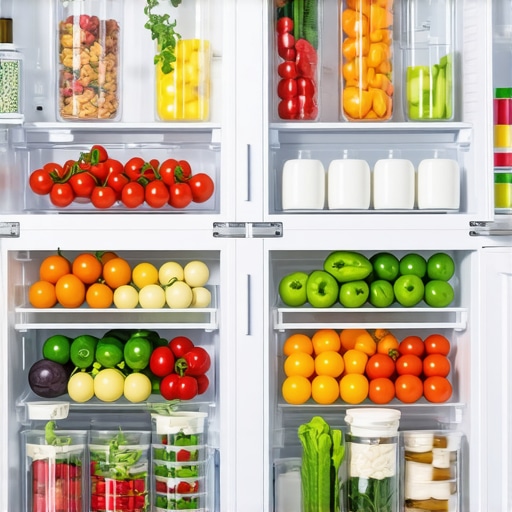
It hit me one morning—the stale smell in my fridge was unmistakable. I reached inside, only to realize that leftovers from last month had slipped past the back shelf, forgotten and forgotten again. That moment was my lightbulb—my fridge was a chaos zone, and food was slipping through the cracks every single week. I knew I had to change, but where to start?
Why Proper Fridge Organization Matters More Than You Think
When I first tried to tidy up, I thought a quick rearrangement would do the trick. But I soon discovered that without a deliberate system, food waste kept creeping up. Did you know that Americans throw away approximately 30-40% of all food produced, much of it due to poor storage? Proper organization isn’t just about neatness—it’s the secret to saving money, reducing environmental impact, and enjoying fresher ingredients.
What’s the Big Deal About Food Spoilage?
Chances are, you’ve experienced that frustrating moment when you find something heavily expired behind a container, or worse, discover moldy strawberries in the crisper. Early on, I made the mistake of tossing everything into one big bin or defaulting to the top shelf. That’s like setting yourself up for waste. According to the USDA, proper refrigeration can extend freshness and prevent spoilage—saving you a surprising amount of money.
Do you often find yourself throwing out leftovers or produce before using it? If so, you’re not alone. The good news is, a few simple tweaks can make a significant difference.
Let’s explore how a well-organized fridge can be your best ally in fighting food waste. I’ll share practical steps that will turn your cluttered fridge into a haven for freshness. Curious? Good. Because next, we’ll dive into the core principles of effective fridge organization that I’ve personally tested and perfected—no fancy gadgets needed.
Design Your Ideal Storage Zones
Start by dividing your fridge into sections based on food types—vegetables in one area, dairy in another. Use clear, stackable containers to keep items visible and organized. When I did this, I found it easier to spot leftovers before they expired, reducing waste significantly.
Prioritize Eye-Level Items
Place frequently used items at eye level, making it simple to grab what you need without rummaging. This prevents forgotten groceries at the back. I once kept a stash of spinach on the top shelf, only to discover it weeks later, wilted and unrecognizable—rearranging kept that from happening.
Implement Labeling Systems
Use labels or masking tape to mark purchase or expiration dates. This small step makes a big difference—no more guessing which leftovers to toss first. I personally labeled my homemade sauces, and it helped me plan meals around what needed to be used soon.
Optimize Temperature Settings
Set your fridge to 37°F (3°C) for optimal freshness, avoiding the temptation to turn it cooler which can cause freezing. Use a refrigerator thermometer to verify accuracy. I once struggled with spoiled produce until I calibrated my fridge, preventing overcooling that damaged delicate items.
Maximize Space with Proper Loading
Load items so cold air circulates freely, much like a well-structured dishwasher. Avoid blocking vents, and don’t overstuff shelves. When I loaded my fridge with care—placing tall bottles in the door and stacking containers securely—I noticed that temperature consistency improved, and foods stayed fresh longer.
Regular Maintenance and Cleaning
Clean spills immediately to prevent mold and bacteria buildup. Periodically check for expired items. I scheduled a quick weekend wipe-down, which kept odors at bay. Remember, a tidy fridge isn’t just prettier—it prolongs food life and prevents spoilage.
Leverage Smart Features
If you own a smart fridge, enable features like door alarms or freshness sensors. These tools alert you to door ajar situations or temperature fluctuations. I activated mine, and it immediately alerted me when I accidentally left the door open, saving my groceries from spoiling.
Finally, consider reviewing the hidden features of your appliances to maximize efficiency. Small tweaks can make a big difference, turning your kitchen chaos into an organized oasis where food stays fresh, costs drop, and waste disappears.
Many homeowners assume that modern appliances are foolproof, requiring little to no oversight. However, seasoned users know there are nuances and common pitfalls that can sabotage your appliance’s efficiency and longevity. One widespread misconception is believing that setting a higher temperature or longer cycle always results in cleaner dishes or better cleaning results, but in reality, overdoing it can lead to energy waste and even damage. For example, higher temperatures in dishwashers might seem effective, but they can cause plastics to melt or scorch delicate glassware if your machine lacks the right sensors.
Are Your Smart Appliances Truly Working for You or Sabotaging Efficiency?
Smart appliances promise convenience but can introduce hidden issues, like false readings or unneeded cycles. A common mistake is ignoring firmware updates, which often contain essential bug fixes and performance improvements. According to expert analyses from smart appliance specialists, neglecting updates can cause devices to malfunction or waste energy unnecessarily. Another nuance is the misinterpretation of smart features, such as believing that your fridge’s AI will prevent spoilage without proper temperature calibration. Without periodic checks, these systems can drift, leading to conditions that promote food spoilage. You might think your refrigerator is running optimally when in fact, it’s overcooling or not cooling enough, both of which can cause premature food spoilage or increased energy bills. Check out how to calibrate your fridge’s temperature sensors here for more details. Additionally, many overlook the importance of professional maintenance. Over time, components like seals and filters degrade, reducing efficiency and risking failures. Preventive maintenance can preempt costly repairs and extend your appliance’s lifespan. For instance, a worn door gasket in your refrigerator might seem minor but can cause temperature inconsistencies, wasting energy and spoiling food. Don’t forget that energy-efficient settings are only effective if your machine is well-maintained and correctly configured. Regularly cleaning filters, seals, and checking sensors ensures these settings work as intended and maximize savings. Remember, simply relying on the appliance’s digital readouts isn’t enough—go deeper with periodic calibrations and inspections. Keep in mind, shortcuts like ignoring small issues can snowball into expensive repairs or replacements. To truly optimize your appliances, educate yourself about their advanced features, routine maintenance needs, and common myths. Doing so helps you get the most out of your investments and avoid costly surprises. Have you ever fallen into this trap? Let me know in the comments!
Investing in Proven Tools Makes All the Difference
To truly keep your home appliances operating at peak performance, investing in the right tools is essential. I personally rely on a combination of diagnostic devices and software that provide real-time insights into the health of my appliances, allowing me to address issues proactively.
Using a Digital Multimeter for Quick Checks
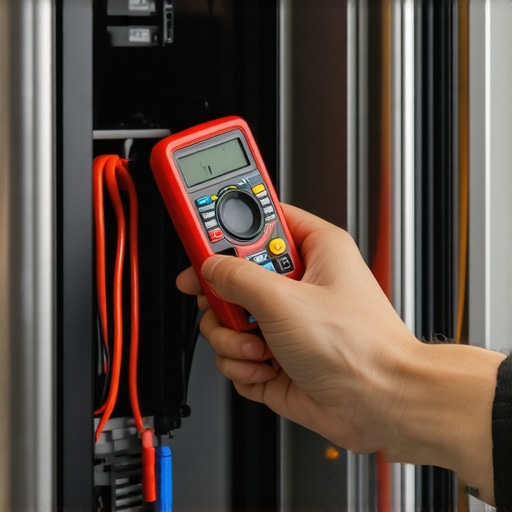
For instance, a high-quality digital multimeter has become my go-to gadget for troubleshooting smart appliances. It helps me verify voltage and continuity in power supplies, ensuring that electrical components function correctly before I consider replacements.
Smart Sensor Monitors for Long-Term Insights
Beyond basic instruments, I recommend installing smart sensors, such as refrigerator thermometers with Wi-Fi capabilities, which sync with mobile apps. These sensors provide continuous temperature tracking, alerting me immediately if there’s a drift that could affect food preservation. I use this data to calibrate my fridge’s settings, extending its lifespan and efficiency.
Software for Maintenance Scheduling and Diagnostics
For software, I utilize maintenance management apps tailored for homeowners managing multiple appliances. These apps send reminders for filter replacements, diagnostic checks, and firmware updates. For example, regularly updating the firmware on smart refrigerators not only improves features but also patches vulnerabilities that could compromise performance.
Future Trends in Appliance Maintenance Technology
Looking ahead, I predict that appliances will become increasingly equipped with embedded diagnostics and AI-powered predictive maintenance. This means fewer surprises and longer appliance lifespans, saving homeowners money and frustration in the long run. According to a recent industry analysis, predictive maintenance is expected to reduce appliance failures by up to 30% in the next decade.
How do I maintain my appliances over time?
The key is a proactive approach: regular inspections with diagnostic tools, timely firmware updates through manufacturer apps, and leveraging smart sensors for continuous monitoring. I encourage you to try the trick of installing a Wi-Fi enabled refrigerator thermometer—it’s a game-changer for maintaining optimal storage conditions and preventing spoilage. To stay ahead, ensure you keep your firmware updated; for detailed guidance, check out this resource.
 One of my biggest revelations came when I realized that behind every efficient, long-lasting home appliance is a set of often overlooked habits and insights. These lessons, learned through trial, error, and a fair share of frustration, transformed my approach from reactive to proactive. Now, I want to share some of those less obvious truths that can dramatically improve your appliance experience.
What No One Tells You About Smart Appliance Maintenance
I used to think that smart appliances would automatically optimize themselves, but I quickly discovered that neglecting firmware updates or calibration can undo these technological perks. Regularly engaging with manufacturer updates and understanding your device’s smart features is crucial — they won’t just work seamlessly on their own. For example, calibrating my smart fridge’s temperature sensors with this guide ensured my produce stayed fresh longer.
The Hidden Power of Small Adjustments
Big changes are great, but I found that tiny tweaks—like adjusting a dishwasher’s spray arms or leveling a washing machine—can prevent major issues down the line. These adjustments often lead to better energy efficiency and longer appliance lifespan. Don’t underestimate the impact of something as simple as cleaning your washer’s filters regularly or repositioning shelves for better airflow.
Why My Approach to Appliance Lifespan Changed
I realized that proactive monitoring—using tools like Wi-Fi-enabled thermometers or diagnostic apps—alerts me to issues before they escalate. Investing in these tools saved me from costly repairs and extended my appliances’ lives. For instance, a simple top-rated dishwasher with smart diagnostics keeps me confident that every cycle is optimal.
Lessons From the Front Line of Appliance Upkeep
One of my most surprising lessons was that neglecting routine maintenance can cause appliances to operate inefficiently or even break down unexpectedly. Scheduling regular inspections, cleaning, and updates is as vital as using your appliances daily. This approach has saved me countless headaches and money.
From My Experience to Your Appliance Strategy
These insights culminate into a simple mantra: attentive, informed care extends the life of your appliances and enhances their performance. Whether it’s calibrating your fridge’s sensors, keeping your dishwasher’s spray arms spotless, or investing in diagnostic tools, every small effort counts.
What has been your biggest takeaway or unexpected discovery from managing your home appliances? Share your story below—I’d love to hear how you keep your appliances at peak performance!