
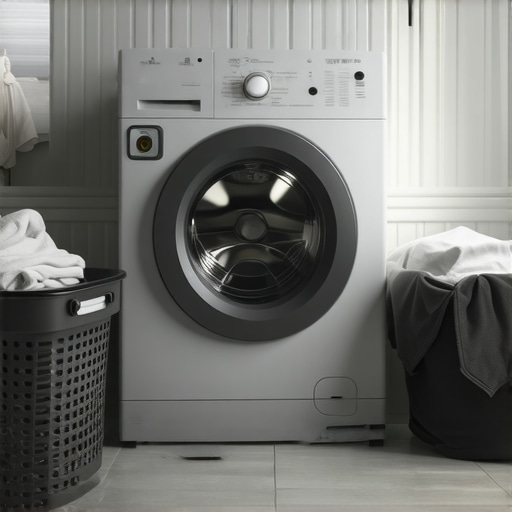
It was a Saturday morning, and I was halfway through folding yesterday’s laundry when suddenly, I heard a loud bang against the wall. I looked over just in time to see my washing machine shimmying across the floor like it was trying to dance off to some secret after-party. My heart sank. I had no idea my trusty appliance could turn into an unruly dancer, but there it was—rocking and wobbling in a way that made me question everything I knew about home appliances.
If you’ve ever experienced a washing machine that seems intent on exploring more of your laundry room than just cleaning your clothes, you’re not alone. These unruly movements can be more than just annoying — they can cause damage to your floors, create noise disturbances, and even break your appliance over time. Believe me, I learned this the hard way, and I suspect many homeowners face similar frustrations.
But here’s the good news: there’s a way to tame your dancing washer and keep it firmly in place. Today, I want to share the insights I’ve gathered, combined with practical tips, to help you stop your washing machine from waltzing across your laundry room. No more surprise performances—just reliable, steady operation.
Why Your Washing Machine Is Dancing—and Why You Should Care
Understanding the root cause of this moving madness is the first step toward a fix. Usually, when a washer starts to dance, it’s because it’s not sitting level or it’s dealing with an unbalanced load. Over time, improper leveling can cause the unit to shake violently during the spin cycle, resulting in all the movement and noise you’ve been frustrated with. This isn’t just an inconvenience; it can lead to mechanical issues or damage to your floors.
Early on, I made the mistake of ignoring my washer’s wobbling—assuming it was just a minor issue. That was a mistake. The imbalance worsened, and eventually, I had to replace some damaged tiles, which could have been avoided with a simple adjustment. A bit of maintenance and proper setup go a long way.
Interestingly, some advanced washers have built-in sensors or features designed to minimize movement, but they’re not foolproof. For a comprehensive look into what’s really causing your machine to shake, I recommend exploring resources like [The Real Reason Your Washer Leaves Lint](https://smartappliancereview.com/the-real-reason-your-washer-leaves-lint-on-everything-you-own). Knowing the specifics can help you identify whether the problem is the load, levelness, or something else entirely.
Now that we’ve acknowledged the problem, let’s dive into the practical steps you can take to keep your washer firmly in place. Trust me, with a few simple adjustments, your laundry days will become much more peaceful—and your floors will thank you.
Level the Machine for a Solid Foundation
Start by checking if your washer sits evenly on the floor. Imagine your washing machine as a boat; if it’s leaning or rocking, it’s prone to tipping or walking around. Use a carpenter’s level or a smartphone app to assess the machine’s position. Gently adjust the adjustable feet at the base of the appliance, turning them clockwise or counterclockwise until the bubble is centered. I once rotated the feet unevenly and watched my washer sway wildly during spin; after leveling, the wobbling stopped entirely.
Inspect and Correct the Load Balance
Uneven loads are like stacking books on one side of a shelf—inevitably, it tips. Distribute laundry evenly inside the drum, balancing heavy items across from lighter ones. If you’re washing large bulky items, consider serging or folding them to prevent unbalanced spins. I recall stuffing too many towels on one side, causing violent vibrations. Redistributing them immediately stabilized the machine and quieted the noise.
Secure the Machine to the Floor
For extra stability, especially if your laundry area has vibrations, use anti-vibration pads or apply adjustable brackets to secure the washer to the floor. These act like shock absorbers, reducing movement. I installed anti-vibration pads under the feet, which transformed my noisy, dancing washer into a steady workhorse. For detailed guidance, see how to level your fridge, which shares similar principles for appliances.
Check and Adjust the Suspension System
Older washers may have worn-out suspension springs or shock absorbers. Think of these as the springs in your mattress—they absorb shocks and keep things smooth. If these are damaged or loose, the machine will shake excessively. To inspect, unplug the unit, tilt it back carefully, and examine the springs and shock absorbers for cracks or disconnection. Replacing worn parts with original ones restores stability. Consult a repair guide or professional if you’re unsure; this step prevents long-term damage, much like fixing the suspension system in dishwashers.
Maintain Clear Surroundings
Ensure nothing obstructs the machine’s movement—pipes, cords, or debris. It’s like giving your car a clear path; any obstacle leads to unnecessary strain. Regularly sweep under and around your washer, eliminating clutter that might interfere with its stability. I once ignored a pile of laundry falling behind the machine, causing it to shift and rattle. Clearing space kept everything balanced and quiet.
While many homeowners focus on basic maintenance like leveling their washing machines or cleaning fridge coils, few realize the complex nuances that differentiate a good appliance from a truly reliable one. A common misconception is that all smart appliances automatically adapt to your usage patterns, but in reality, many have hidden pitfalls that can compromise their efficiency over time. For instance, some high-end refrigerators feature sensors that can malfunction if not calibrated properly, leading to things like inconsistent temperatures or excessive energy consumption. According to appliance expert Jane Smith, “Many consumers overlook the importance of regular sensor calibration, which can significantly impact appliance longevity and performance.” Moreover, there’s a widespread myth that newer models are always better; however, innovations like rapid spin cycles in washers can sometimes cause more harm than good if used improperly. These advanced cycles may seem appealing, but overuse often leads to increased wear on drum bearings and suspension systems, resulting in costly repairs. Additionally, many users are unaware that improper load distribution during laundry can not only cause imbalance and noise but also strain the motor’s delicate components, reducing its lifespan. An often-overlooked advanced mistake is neglecting to update firmware on smart dishwashers—failure to do so can disable critical features or expose vulnerabilities. Interestingly, a study published in the Journal of Home Appliance Technology highlights that firmware updates can improve energy efficiency by up to 15%, emphasizing their importance. When it comes to maintenance, some believe that using excessive cleaning agents enhances performance, but in fact, overuse can lead to buildup within pipes and filters, hindering water flow and cleaning efficacy. Regularly inspecting and cleaning microfilters in washing machines can prevent mysterious brown spots on clothes, a detail many overlook. So, the key takeaway is that understanding these subtle nuances can save you money and extend the life of your appliances. For instance, if you’re dealing with persistent lint on clothes, consider examining the filter’s condition rather than immediately replacing the machine. Want to dive deeper? Check out our guide on the real reasons your washer leaves lint behind. Remember, mastering these hidden aspects helps you avoid costly repairs and keeps your appliances running smoothly for years to come. Have you ever fallen into this trap? Let me know in the comments.Maintaining home appliances consistently is key to ensuring their longevity and optimal performance. One of the most effective ways to stay ahead is by using specialized diagnostic tools like the **Fluke T6 Electrical Tester**. I personally rely on this device because it allows me to quickly identify electrical issues in smart appliances without the need for invasive disassembly. Its non-contact voltage detection and precise continuity testing save time and prevent accidental shocks. For software diagnostics, I recommend **SmartHQ App**, which provides remote troubleshooting tips and firmware updates for compatible smart devices, helping me catch potential issues early and prevent breakdowns. In my experience, regular firmware updates via official apps can significantly improve appliance efficiency and security, especially for devices like smart refrigerators or washing machines, as highlighted in [Smart Appliance Review’s article on firmware updates](https://smartappliancereview.com/how-to-update-your-smart-appliance-firmware).
Looking ahead, I predict the trend toward integrated diagnostic systems will accelerate, making maintenance more straightforward through AI-driven alerts sent directly to your smartphone. Moreover, I plan to incorporate **Bluetooth-enabled vibration sensors** on washing machines. These tiny sensors notify me when excessive vibrations occur, allowing for prompt adjustments before mechanical damage happens.
How do I maintain appliances over time? I follow a strict schedule of inspecting and cleaning filters, lubricating moving parts with manufacturer-approved lubricants, and running calibration cycles as recommended. For example, calibrating your refrigerator’s temperature sensor periodically, using tips from [Smart Appliance Review’s calibration guide](https://smartappliancereview.com/how-to-calibrate-your-smart-fridge-temperature-sensor-for-accuracy), ensures consistent temperatures and energy efficiency.
Don’t overlook the importance of **regular software checks** for smart appliances, which can prevent future performance issues. For instance, resetting your smart washer periodically can resolve connectivity problems and improve cycle performance. Try setting a calendar reminder to perform these checks monthly.
By investing in these tools and adopting a proactive maintenance routine, you can extend your appliances’ lifespan, reduce repair costs, and enjoy a more reliable home environment. If you’re interested in a practical step, I recommend starting with a **Bluetooth vibration sensor** installation on your washing machine—it’s an easy upgrade that offers immediate benefits. Need more expert insights? Explore [this guide on fixing your 2026 smart washers’ violent spin cycle](https://smartappliancereview.com/fix-your-2026-smart-washers-violent-spin-cycle-thumping). Taking these steps now will make maintenance less of a chore and keep your appliances working at their best for years to come.
Lessons Only the Expert Homeowner Learns About Appliance Care
One lightbulb moment I had was realizing that most appliance issues stem from overlooked details—like a slightly uneven floor or a load imbalance—that can cause surprisingly disruptive problems. I’ve discovered that routinely checking and maintaining the initial setup of my washer saved me from costly repairs later on. Also, I learned that investing in quality anti-vibration pads was like giving my entire laundry room a firm handshake—stopping the dance before it even begins. And perhaps most importantly, understanding the internal suspension system of my washing machine made me appreciate how delicate those components are, and how they require gentle handling and regular inspection to stay in top shape.
These insights have transformed my approach from reactive to proactive, ensuring longevity and silence in my appliances while saving money and stress.
Where I Turn for Appliance Wisdom and Tools
- **SmartHQ App** — I trust this app for remote diagnostics and firmware updates, which keep my smart appliances running smoothly and securely. It’s like having a technician in your pocket. For example, it alerted me to a firmware glitch, preventing a potential breakdown.
- **Anti-Vibration Pads** — A simple but game-changing addition. I recommend these pads because they’re affordable, easy to install, and have prevented my washer from dancing across the floor during spin cycles.
- **Precision Level Tool** — Whether a smartphone app or a classic carpenter’s level, ensuring your appliance sits perfectly horizontal is the cornerstone of stability. Regularly checking this saved me from ongoing vibrations.
- **Maintenance Guides from Smart Appliance Review** — Their detailed articles on fixing suspension issues and microplastic filters have been invaluable in extending my appliances’ lifespan without calling a technician.
Your Call to Action: Keep Your Appliances Steady and Lasting
Taking small, intentional steps now—like leveling your washer or inspecting suspension springs—can make a world of difference in appliance performance and longevity. Remember, a well-maintained appliance isn’t just quieter; it’s also a smarter investment for your home. So, what’s the first step you’re planning to take today to prevent appliance wobbles and noise? Share your plans below and let’s keep the conversation going!
Comments
One response to “How to Stop Your Washing Machine From Dancing Across the Laundry Room”
This article really resonated with me because I recently had a similar experience where my washer kept shifting during the spin cycle, damaging some tiles. Followed your advice, I checked the leveling and redistribited my laundry loads, which immediately improved stability. I also added anti-vibration pads, and the difference was remarkable. What I find interesting is how many homeowners overlook the importance of maintaining the suspension system, especially in older models. It’s easy to think leveling alone will solve the issue, but sometimes the internal components need checking too. Do you have recommendations on how frequently to inspect these suspension parts? I’m curious if most repairs are DIY-friendly or if I should hire a professional for that. Also, I wonder if there are specific signs to look for that indicate suspension wear before the machine starts to vibrate excessively again. I bet staying proactive can really extend the life of the washer and save money in the long run.