Why Your Washing Machine Takes Forever to Finish a Single Load
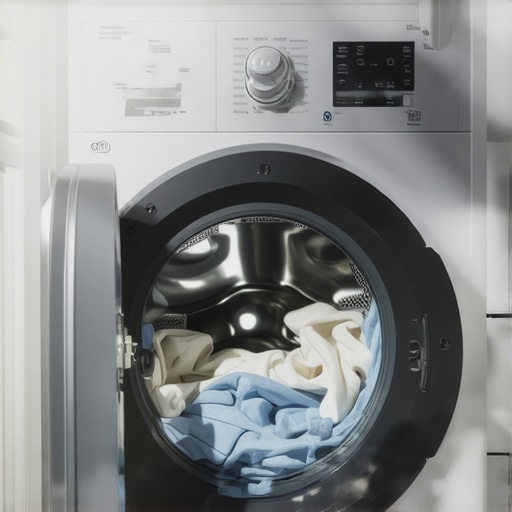
It was after a long day, socks and towels piled up like a mountain. I threw a load into my washing machine, pressed start, and then stared in disbelief. Minutes turned into what felt like hours. Every few moments, I checked to see if anything was happening, only to be met with the same sluggish cycle. Have you ever experienced that frustrating moment where your washer seems to be taking an eternity to finish a single load? You’re not alone—and trust me, I’ve been there too.
The Hidden Reasons Behind Your Laundry Marathon
Over the years, I’ve learned that when your washing machine drags its feet, it’s often a sign of underlying issues that are surprisingly common. Like many others, I initially thought it was just an old machine or a power problem, but the real causes are often more sneaky—and fixable—than we imagine. And here’s the thing: resolving this can save you time, money, and a whole lot of laundry day frustration. Today, I want to share what I’ve discovered from personal experience and a bit of research—so you don’t have to suffer through endless cycles anymore.
Is It Really Worth Worrying About My Long Cycles?
One mistake I made early on was ignoring the signs. I thought, “Well, it’s just how washers are now,” and let the cycles run, wasting hours each week. That’s a mistake! According to appliance experts, a washing machine that takes more than an hour per load could be signaling a problem like a clogged filter or a faulty motor sensor. Ignoring these signs can lead to bigger issues down the line. For a comprehensive guide on cleaning your washer to keep it running smoothly, I recommend checking out this article. Recognizing early symptoms is key—trust me, I learned this the hard way, and I don’t want you to make the same mistake.
Before we jump into solutions, I want to know—have you ever faced this endless wait during your laundry routine? Drop your experiences in the comments, and let’s troubleshoot together.
End of section.
Check and Clean the Filters
Start by locating your washing machine’s filter, usually at the bottom front panel. Remove the panel, and carefully take out the filter—think of it as the drain trap of your machine’s bloodstream. I once neglected this step, and my machine’s sluggishness was due to a clogged filter. Rinse it thoroughly with warm water to clear out lint, dirt, and detergent buildup. Reassemble, and observe if the cycle speed improves.
Inspect the Drain Pump and Hoses
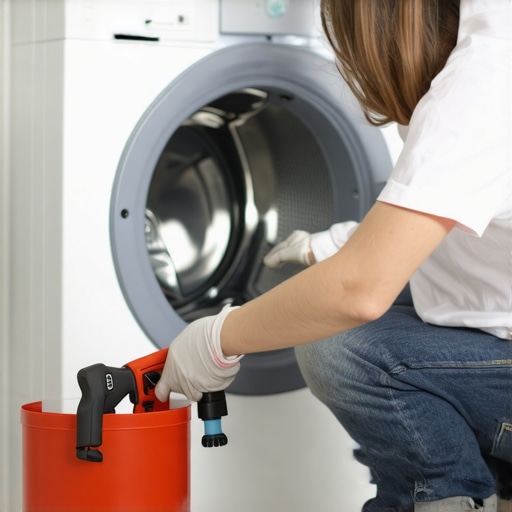
Next, listen for strange noises during cycles; these often signal a blockage. Disconnect power and pull out the drain hose to check for kinks or obstructions. Use a bucket to catch residual water, and run your hand through the hose to feel for any debris. If hoses are clogged, clear them out. Think of this process as squeegeeing a rain-drenched window—clearer pathways lead to faster drainage, which speeds up cycles.
Test the Water Inlet Valves
Slow filling can cause perception of longer cycles. Turn off the machine and disconnect the water supply hoses. Inspect the inlet screens—tiny filters inside the valves—for mineral deposits or debris. Clean them gently with a soft brush. If the valves are faulty, replacing them can drastically reduce fill times, akin to unclogging clogged arteries for better flow.
Verify the Door Lock and Lid Switches
Malfunctions here can cause the cycle to pause or repeat, extending overall time. Press the door or lid to ensure it locks properly; a loose lock might falsely signal to the machine that it can’t proceed. If you find issues, replacing the lock mechanism is akin to replacing a switchboard to restore correct communication within your appliance.
Reset the Machine and Run a Test Cycle
Once internal components are inspected and cleaned, reset your washer by unplugging it for 1-2 minutes or pressing the reset button if available. This clears minor glitches. Then, run a short cycle with a few items. This is like a health check-up for your machine to confirm the improvements—similar to tuning up a car for optimal performance.
Upgrade Your Washer if Necessary
If cycles remain unreasonably long despite troubleshooting, consider that your appliance might be outdated. Modern models, especially those built for heavy-duty tasks like bedding and towels, perform faster and more efficiently. For guidance on selecting better appliances, check out these heavy-duty washers. Sometimes, investing in newer technology saves more time and frustration in the long run.
Most users assume that appliances like refrigerators, washing machines, and dishwashers are straightforward tools whose primary concern is functionality. However, even seasoned homeowners often get caught up in misconceptions that can sabotage performance and longevity. Let’s challenge some common beliefs and uncover the nuances that can make or break your appliance experience.
Are all energy-efficient models actually better for your wallet?
Contrary to popular belief, not every energy-efficient appliance saves you money in the long run. Some models come with higher upfront costs and maintenance complexities that can offset energy savings. For example, certain smart refrigerators have advanced features that might seem advantageous but lead to increased energy consumption if not used correctly. According to a study by the Department of Energy, the real savings depend heavily on usage habits and proper maintenance. So, before jumping on the latest eco-friendly trends, evaluate whether the long-term costs align with your habits.
One common trap is assuming that newer appliances are always better. While advancements like inverter compressors in refrigerators or microprocessor-controlled washing machines offer precision and efficiency, they also introduce new failure points. Mindless upgrades without understanding these nuances can lead to just as many issues, if not more. Research and reviews should guide your upgrades, especially considering how these features interact with your actual usage patterns. Explore this guide on compact refrigerators for insights into appliances suited for specific needs.
Beware the underrated importance of proper stacking and organization
Many overlook how internal arrangement—like stacking dishes correctly or organizing items in the fridge—can dramatically affect appliance efficiency. For dishwashers, improper stacking can block spray arms, reducing cleaning effectiveness and increasing cycle times. Similarly, in refrigerators, poor organization can obstruct air vents, causing uneven cooling or excessive energy use. It’s a subtle nuance often dismissed but vital for optimal performance. Always consult your appliance’s manual for the best stacking practices or check out this detailed stacking guide.
And what about smart appliances? Many users assume these devices will self-optimize for maximum efficiency, but that’s a fallacy. They depend heavily on firmware and user input; improper settings or firmware glitches can cause them to operate inefficiently. Regular updates and proper configuration are essential. Additionally, some smart features, like AI-based cooling in refrigerators, only work if sensors are correctly calibrated, which is an overlooked step. Learn more about maintaining smart functionality here.
Ultimately, understanding the nuanced interplay of technology, organization, and maintenance is crucial for maximizing your appliances’ lifespan and performance. Don’t get lulled into the myth that these tools are ‘set and forget’—they require informed care. Have you ever fallen into this trap? Let me know in the comments.
Invest in Quality Maintenance Tools for Longevity
Having the right tools makes all the difference in maintaining your appliances effectively. Personally, I rely on a set of precision screwdrivers, plastic pry tools, and a digital multimeter. These allow me to troubleshoot electrical issues safely and accurately. For example, a quality multimeter helps verify whether a component like the thermostat or motor is functioning correctly before ordering parts, saving both time and money. Investing in a proper toolkit ensures you can handle minor repairs promptly, extending your appliances’ lifespan.
Smart Diagnostics and Monitoring Software
Modern appliances increasingly come with diagnostic features, but pairing them with dedicated apps enhances maintenance. I recommend using manufacturer-specific apps or third-party tools that connect via Wi-Fi. These apps often display error codes and real-time performance metrics. For instance, my smart dishwasher’s app notifies me of a clogged spray arm or filter needing attention, allowing me to address issues proactively. Regularly monitoring performance helps prevent breakdowns and keeps appliances running efficiently over the years.
Scheduled Maintenance and Cleaning Routines
Consistency is key. I set monthly reminders to clean filters, inspect hoses, and run calibration cycles. For washing machines, I follow expert advice to run a cleaning cycle with descaling agents monthly—something I learned from articles like this guide. Routine maintenance prevents buildup and mechanical wear, ensuring longer intervals between repairs. Implementing these habits transforms appliance upkeep from a chore into a simple, manageable task.
Plan for Long-Term Upgrades and Scalability
As your home evolves, so should your appliances. I anticipate that smart appliances will become even more interconnected, providing predictive maintenance and adaptive performance. For example, I plan to upgrade to a high-efficiency, Wi-Fi-enabled refrigerator that can notify me of door leaks or temperature irregularities before spoilage occurs. Investing in appliances with modular components or upgrade pathways allows future-proofing your home—saving costs and reducing waste. Keep an eye on emerging innovations that blend AI with maintenance automation, as this trend promises to revolutionize how we care for our devices.
How do I maintain appliance performance over time?
Consistency is essential. Regularly cleaning filters, checking seals, and using diagnostic tools like manufacturer apps or multimeters keep your appliances healthy. Establish a maintenance routine, keeping spare parts like hoses or filters on hand, especially for older units. Advanced tactics include running calibration cycles periodically, ensuring sensors and electronic controls stay accurate, and staying updated on firmware upgrades—these steps maintain efficiency and prevent costly failures.
For example, many issues like a refrigerator not cooling properly can be fixed by addressing clogged internal drains or recalibrating temperature sensors, as explained in this detailed guide. Moving forward, I predict that integrating IoT and AI will make appliance maintenance even more accessible. Testing one advanced tip, like setting automatable maintenance reminders via smart apps, will help you stay ahead of issues and keep your home running smoothly.
Lessons That Changed My Appliance Game
- I used to think long wash cycles were just a quirk of aging machines, but I realized they often indicate simple issues like clogged filters or faulty sensors—and fixing these saved me hours each week.
- Upgrading to a modern appliance isn’t always the answer; understanding how to properly maintain and organize your current gear can yield surprising efficiency gains, often more than a shiny new model could offer.
- I learned the hard way that ignoring early signs of trouble, like weird noises or slow fill times, can lead to costly repairs—staying proactive with regular cleaning and checks paid off in the long run.
- Smart diagnostics and monitoring tools are game-changers, letting me catch problems early. Investing in these tech-savvy features has turned appliance maintenance from a chore into an empowering routine.
- Organizing internal compartments and stacking correctly isn’t just about aesthetics; it directly impacts cycle speed and cleaning effectiveness—simple tricks that make a big difference.
Tools and Resources That Made a Difference
- My go-to toolkit includes a reliable digital multimeter and precision screwdrivers—essential for safe, effective troubleshooting and minor repairs around the house. I trust these because they give me accurate readings and help me avoid unnecessary replacements.
- Consulting detailed guides like this one on washing machine maintenance has kept my appliances running smoothly and odor-free, saving me money and frustration.
- Manufacturer-specific smart apps enable me to monitor performance and get diagnostic alerts, turning routine maintenance into an often preventive and hassle-free process. They give me peace of mind knowing my appliances are operating at peak efficiency.
- Upgrading my knowledge with appliance reviews and comparison guides, like those for compact refrigerators, ensures I select models that suit my needs without unnecessary costs or complications.
Your Next Move Toward Smarter Laundry Living
Embracing these insights and tools transforms laundry from a dreaded chore into a manageable, even satisfying task. The future of home appliances is exciting—integrating smarter diagnostics, better organization, and proactive maintenance. Now, it’s your turn—what’s the one tweak you’ve been meaning to try to improve your appliance performance? Share below and let’s keep the conversation going!