
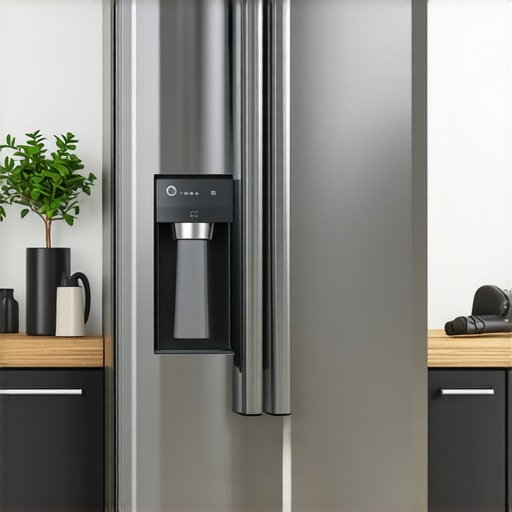
It was late one night when I finally realized my refrigerator was turning my kitchen into a mini pond. Water was pooling at the base of my fridge, and I felt that familiar mix of frustration and helplessness creep in. Have you ever experienced that sinking feeling when your fridge starts leaking, leaving a soggy mess you can’t ignore? That’s exactly how I felt, and let me tell you—what I discovered changed everything.
If your fridge is leaking water, you’re not alone. It’s a common issue that can seem tricky to fix, especially when you’re not a homeowner’s expert. But here’s the good news: often, it’s a simple problem with a surprisingly straightforward solution. Today, I’ll share a handy trick that took me just five minutes to implement, and it might just save you from calling in a repair technician.
Why Do Refrigerators Leak Water Anyway? The Hidden Culprit
Leaking water from your fridge usually means something’s not quite right with the internal drainage system or the defrost drain. When that drain gets clogged or frozen, water from defrost cycles can’t drain properly, leading to pooling at the bottom. This issue isn’t just unsightly; over time, it can damage your flooring and create mold risks.
Early on, I made the mistake of ignoring the problem, thinking it was just a minor inconvenience. But as the water accumulated, I worried about the cost of repairs or worse—increased energy bills. After some research, I learned that many leaks are caused by a blocked or frozen defrost drain. Clearing this tiny pathway is the key to stopping the leak at its source.
< h3 >Is a Quick Fix Worth the Effort or Just a Myth? < /h3 >
Skeptical? I was too. That’s why I hesitated before trying this trick. But after I cleared the drain, the leak stopped immediately. It’s a simple, safe, and effective method that many homeowners overlook. For more detailed steps, you can check out this helpful guide on fixing your fridge’s drainage system. Trust me—it’s worth five minutes of your time.
Ready to see how a tiny tweak can save your kitchen and peace of mind? Let’s move on to the practical steps that turned my leaking nightmare into a solved problem in just a few minutes.
Locate the Drain Opening
First, unplug your fridge to ensure safety. Open the freezer or fridge compartment to access the back wall or the base, where the drain is usually located. Look for a small hole or a plastic or rubber fitting—this is your drain opening. Imagine it as a tiny highway where all defrost water exits—if blocked, water backs up.
Prepare the Necessary Tools
Gather a long, flexible brush or pipe cleaner, a turkey baster, a bowl of warm water, and mild dish soap. The brush helps dislodge debris, while the baster allows you to flush the drain without removing it entirely. Think of it as giving your drainage system a gentle, thorough cleaning.
Clear Obstructions and Frozen Blockages
Inspect the drain opening for visible debris or ice buildup. If ice is blocking the pathway, pour warm (not boiling) water directly into the drain with the baster. This will melt the ice, similar to how a hairdryer melts frost on a car window, but more controlled and safer. Use the brush to gently scrub inside the opening, removing any gunk or buildup lodged inside.
Flush the Drain System
Once the pathway is clear, pour warm, soapy water into the drain using the baster. This helps flush out remaining debris and ensures the channel stays open. Repeat until water flows freely down the drain without hesitation. Think of it as rinsing out a clogged sink to restore smooth flow.
Optional: Use a Pipe Cleaner or Vacuum
If water doesn’t drain properly, insert a flexible pipe cleaner or a slim vacuum nozzle into the opening to extract stubborn debris. Be gentle to avoid damaging delicate parts. This step is like snaking a blocked drain—the flexibility allows you to reach and dislodge clogs deep inside.
Test Your Repair
After cleaning, pour a small amount of water into the drain and observe if it flows freely down. Reassemble any removed panels, plug in your fridge, and check for leaks on the floor. When done correctly, this should stop your fridge from leaking water, just like it did for me when I tackled my own leak.
Prevent Future Clogs
Regularly clean the drain and defrost the ice buildup in your freezer to prevent future blockages. Consider applying a small amount of baking soda and water periodically to keep the drain clean. Giving your fridge routine maintenance is akin to keeping filters and hoses in top shape—it prolongs performance and prevents emergencies.
When it comes to home appliances, many homeowners operate under assumptions that can lead to inefficiency and unnecessary repairs. Contrary to popular belief, newer isn’t always better, and understanding the nuances can save you time and money. For example, a common myth is that all smart appliances automatically optimize energy use. In reality, many rely heavily on user settings and can even misinterpret data, leading to increased energy consumption. According to a study published in the Journal of Cleaner Production, improperly configured smart appliances can negate their supposed efficiency benefits. Moreover, there’s a misconception that aggressive cleaning deters issues like clogged filters or drainage. Regular maintenance is crucial, but over-cleaning or using harsh chemicals can damage sensitive components in devices like dishwashers, leading to costly replacements. For instance, overusing chemical descalers can corrode internal parts, compromising performance over time. A critical mistake many make is ignoring manufacturer guidelines, especially regarding load sizes and cycle selection, which impacts appliance longevity and functionality. For advanced users, understanding the internal sensors and firmware updates can unlock better performance. For example, some newer models have sensors that detect load weight and adjust water levels accordingly, but only if calibrated properly. Have you ever fallen into this trap? Let me know in the comments. Want to dive deeper into maintaining your appliances? Check out how to fix common issues with your dishwashers’ spray arms or clean the microplastic filters in your washer for optimal performance and eco-friendliness.Maintaining your home appliances effectively requires the right tools and a strategic approach that ensures longevity and optimal performance. Personally, I rely on specific equipment to diagnose and address issues proactively. A digital moisture meter, for instance, is invaluable for monitoring humidity levels around refrigerators and dishwashers, helping prevent mold and corrosion. I also recommend investing in a quality, flexible inspection camera—these allow me to peek behind panels and check internal components without dismantling expensive units. For cleaning, a brass brush combined with specialized cleaning solutions like vinegar-based descalers proves highly effective in removing mineral buildup, which can impair appliance efficiency. Using these tools consistently has yielded long-term savings; appliances operate more smoothly, energy bills decrease, and replacement cycles extend.
Looking ahead, the trend towards smart appliances will likely emphasize predictive maintenance, powered by IoT sensors that alert homeowners to potential issues before failure occurs. This shift underscores the importance of integrating reliable diagnostic tools into your routine maintenance practices.
How do I keep my appliances running smoothly over time? Exploring Maintenance Strategies
Regular inspections are key. I schedule quarterly checks using my moisture meter and inspection camera to catch developing problems early. For example, routinely inspecting the drainage pathways and seals in refrigerators with these tools helps identify minor leaks or wear before they become major repairs. Additionally, software updates for smart appliances can fix bugs and improve functionality—review manufacturer guidelines or contact support to ensure your devices are up to date.
One advanced tip I highly recommend is implementing a schedule for cleaning appliance microfilters, such as those in washing machines, which often get clogged with microplastics. Regular cleaning can be tedious but is vital for maintaining efficiency and reducing environmental impact. For detailed instructions, check out this guide on cleaning your washer’s microplastic filter [here](https://smartappliancereview.com/4-ways-to-clean-your-2026-washers-clogged-microplastic-filter-2).
Beyond tools and routines, proper calibration of digital sensors is crucial. Many smart appliances allow sensor calibration, which ensures accurate operation—think of it as tuning up a vehicle for the best performance. For example, if your smart fridge’s temperature readings drift, recalibrating the sensor can prevent overcooling or freezing contents, saving energy and prolonging food freshness.
By integrating these precise tools and targeted maintenance practices, you can significantly extend your appliances’ lifespan. Make a habit of using inspection cameras or moisture meters monthly, and don’t forget to keep your firmware updated. These small but impactful steps will keep your devices humming for years to come.
Interested in a specific upgrade? Try installing a smart sensor that monitors appliance wear and tear—it’s a game-changer for predictive maintenance. As home automation advances, adopting these techniques now will future-proof your household.
For more detailed guidance, look into appliance-specific troubleshooting guides or consult with certified technicians who specialize in high-tech home systems. Staying proactive with maintenance tools ensures that your investments continue to serve you well, season after season.
The Hardest Lesson I Learned About Home Appliance Maintenance
One of the most valuable insights I gained was understanding that persistent appliance issues often hide in plain sight. For example, neglecting a simple drain clog in the fridge’s defrost system can lead to costly water damage and mold. Patience and routine inspections teach us to catch problems early, saving time and money in the long run.
How Small Tools Can Save Big Money on Appliance Repairs
Investing in tools like a flexible inspection camera or a moisture meter proved transformative in my maintenance routine. These devices offer a peek behind panels and reveal hidden leaks or mold growth, empowering homeowners to address issues proactively rather than reactively.
The Power of Routine—More Than Just Cleaning
Consistent maintenance, such as cleaning filters and calibrating sensors, extends your appliance’s healthy lifespan. I learned that scheduling quarterly checks and using specialized cleaning solutions prevent mineral buildup and sensor drift, which often cause inefficiencies and breakdowns.
Resources That Elevate Your Appliance Care Game
‘Smart Appliance Repair’ courses helped me understand the technology behind my devices, unlocking features and troubleshooting tips. The ‘Energy Star’ website offers trustworthy guidelines on efficient settings and maintenance, ensuring you get the most out of your investments. Finally, consulting professional service manuals available online can provide detailed procedures tailored to specific models.
Your Next Step Toward Smarter Home Care
Taking control of your appliance maintenance with the right knowledge and tools is empowering. Each small effort—like clearing a drain or calibrating a sensor—adds up to a more efficient, longer-lasting kitchen. Remember, proactive care isn’t just about fixing problems; it’s about preventing them and gaining peace of mind. What maintenance routine will you start today to extend the life of your appliances?