
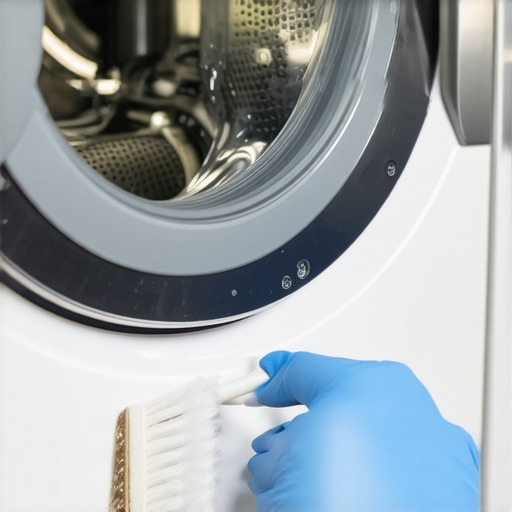
I remember the exact moment I discovered mold deep inside my washing machine’s rubber gasket—disgusting, right? One day, I opened the door and was hit with a musty smell that seemed to cling to my clothes. I had no clue that such a tiny, overlooked part could harbor so much grime and mold. That lightbulb moment made me realize: if I want fresh laundry and a healthier home, I need to tackle this problem head-on.
Why Your Washing Machine’s Gasket Is More Than Just a Sealed Gap
Many folks toss their clothes into the washing machine without giving much thought to the rubber gasket. But believe me, that seemingly innocent ring around the door isn’t so innocent when it gets moldy. Mold and mildew thrive in damp, dark places, and your gasket is perfect for their hideout. Over time, neglecting to clean it can lead to persistent odors, skin irritation, and even more serious health issues. Plus, mold can damage your appliance, reducing its lifespan and efficiency.
Understanding how mold sneaks into the gasket is the first step. It often starts with residual moisture, soap scum, and trapped dirt that don’t dry out completely. If you’re not cleaning or inspecting it regularly, you’re basically inviting mold to set up camp. This is exactly what happened to me early on—without realizing, I was just wiping the drum and ignoring that rubber ring. That mistake allowed mold to take hold, and my laundry day became a nose-scrunching ordeal.
Did you know? The Environmental Protection Agency estimates that mold can start growing within just 24-48 hours under the right conditions. So, making a quick, effective cleaning habit is not just about freshening up your appliance—it’s a health necessity. If this sounds familiar, don’t worry. I’m here to walk you through the steps to reclaim that rubber gasket and keep mold out for good.
Is a Moldy Gasket Worth the Hype—or Just Overblown?
Now, I admit, at first I thought, “Is this really that big of a deal?” But I learned early on that ignoring it leads to stubborn odors and even mold spores spreading to your clothes. One common mistake I made was using just soap and water without disinfectants—big no-no. Proper cleaning is essential to eliminate mold entirely, not just mask its smell. If you’re skeptical or worried about damaging your machine, rest assured: with the right approach, you can clean your gasket safely, and it’s well worth the effort.
If you’re wondering how to keep this from happening again, or want to learn more about smart home appliances that can make laundry easier, I recommend checking out the latest trends in home tech. For now, though, let’s focus on the immediate problem: how to thoroughly clean that pesky gasket and keep mold at bay.
Start with a Natural Cleanser to Break Down Mold
Pull back the rubber gasket from the door and check for visible mold, soap scum, and dirt clinging to it. Use a cloth soaked in white vinegar or a commercial mildew cleaner to wipe away surface grime. During my first DIY attempt, I poured straight vinegar, which fizzed up and made a mess, but it effectively loosened the mold. Let the vinegar sit for 10 minutes to penetrate stubborn spots.
Scrub Inside the Gasket Carefully
Use an old toothbrush or a soft scrub brush to gently work around the folds and grooves of the gasket. Pay special attention to areas where water tends to pool. Be thorough—mold roots can hide deep within the rubber. I learned this the hard way when I missed a corner, and mold grew back in a week. For tougher spots, dab a small amount of baking soda paste on the brush for added abrasive cleaning.
Disinfect with Hot Water and a Mild Bleach Solution
Prepare a solution of 1 cup of bleach in a gallon of hot water. Using a cloth or sponge, wipe around the entire gasket, ensuring full coverage. Be cautious—avoid splashing bleach on painted surfaces or rubber parts not designed for it. After cleaning, run an empty hot-water cycle on your washer to rinse residual bleach, much like flushing debris from a dishwasher with vinegar and hot water (see how to clean your dishwasher’s debris filter). This step kills remaining mold spores and disinfects.
Dry and Prevent Future Mold Growth
Thoroughly dry the gasket with a clean towel to remove any remaining moisture. Keep the door slightly ajar after laundry to promote airflow—think of it as leaving the lid open on a storage box to prevent mold buildup. To prevent future mold, incorporate a weekly cleaning routine with vinegar or a specialized washing machine cleaner. Consider using a moisture-absorbing product or dehumidifier in your laundry space, especially in humid climates, to reduce dampness that mold loves.
Monitor for Recurrence and Maintain Cleanliness
Regularly inspect the gasket for new mold spots or musty smells. When I implemented these steps, I noticed my washer staying fresher longer, and my clothes smelled cleaner. Remember, residual moisture is the biggest enemy—think of your washer as a living organism that needs constant maintenance. Consistency is key to keeping mold at bay and extending the lifespan of your appliance. For tips on integrating smart technology to monitor appliance health, explore the ultimate guide to smart home appliances.
While embracing the convenience of smart appliances like refrigerators, dishwashers, and washing machines can elevate our home living, many users fall prey to misconceptions rooted in marketing hype rather than actual functionality. Let’s dig deeper into some overlooked nuances that can make or break your smart home experience. One common myth is that all smart appliances are equally energy-efficient; in reality, many models claim savings but consume more in standby mode, especially if not properly configured. For example, some smart refrigerators continuously update firmware or sync with cloud services, which can lead to increased power draw—something many overlook when comparing models.
Are Smart Appliances Truly Safer or Just More Complex to Repair?
Many assume that smart appliances reduce risks related to malfunction or fire hazards, yet their dependence on network connectivity introduces new vulnerabilities and repair complexities. When these devices encounter software glitches, they often require specialized knowledge or proprietary tools to fix, unlike traditional appliances which are usually straightforward to troubleshoot. According to a study by the National Institute of Standards and Technology, complex electronics in appliances can actually lead to longer downtimes and higher repair costs, especially when they’re connected to the internet and vulnerable to cyberattacks. This highlights the importance of understanding not just the features but also the maintenance implications of cutting-edge tech. Reviewing industry insights at future trends in home appliances can prepare you to make smarter choices. Additionally, while many focus on the integration benefits, they often neglect to consider privacy concerns—since most smart devices transmit data over the cloud, exposing you to potential breaches. Exploring privacy implications is crucial before adopting these smart home upgrades. Recognizing these hidden factors allows you to select appliances that truly fit your needs instead of just following the latest trend. Don’t forget, even the most advanced gadgets need proper, informed use—so stay educated and watch for updates that can optimize your devices’ performance. Have you ever fallen into this trap? Let me know in the comments.Maintaining smart appliances like refrigerators, dishwashers, and washing machines requires more than just regular cleaning; it calls for the right tools, software, and habits to ensure long-term performance. One essential tool I personally swear by is the **SpyderCleaner**, a specialized appliance diagnostic device that connects via Bluetooth to your smartphone. It allows me to run comprehensive health checks on my washing machine and refrigerator, detecting issues like sensor misalignments or cooling inefficiencies before they become major problems. Using manufacturer-recommended diagnostic tools ensures you don’t void warranties and get precise readings, which is crucial for proactive maintenance.
For software, I recommend integrating your appliances with **SmartHome Pro**—a comprehensive management app that consolidates all connected devices into one interface. It provides real-time status updates, alerts for irregular behavior, and routine maintenance reminders based on usage patterns. Personally, I set weekly alerts to run self-cleaning cycles on my dishwasher via the app, which helps prevent mold buildup and optimizes cleaning efficiency.
When it comes to routine maintenance, employing **ultra-soft microfiber cloths** coupled with **white vinegar-based cleaners** has saved me from costly repairs. The vinegar acts as a natural disinfectant, breaking down mineral deposits and soap scum without harsh chemicals. For stubborn sludge, I use a **precision nozzle spray** attached to my vinegar bottle, allowing targeted cleaning of tight crevices in filters or vents. This approach is especially effective on refrigerators’ condenser coils, which I clean bi-monthly to prevent overheating and energy waste.
Investing in **detection sensors** installed in key areas like filter chambers or water lines can alert you via the app if there’s a leak or clog—saving time and water. For instance, I utilized a leak sensor by **FlowGuard**, which continuously monitors my refrigerator’s water dispenser line and sends notifications if moisture is detected.
Looking ahead, I believe the trend will shift heavily toward **AI-enhanced diagnostic systems** built into appliances, capable of predicting failures before they happen. According to industry forecasts at [Smart Appliance Trends 2025](https://smartappliancereview.com/future-of-home-appliances-trends-to-watch-in-2025), expect appliances to become smarter in self-maintenance, reducing downtime and repair costs.
**How do I maintain my appliances over time?** Adopting a scheduled routine that combines these advanced tools with simple practices—like checking filters monthly, running deep-clean cycles quarterly, and monitoring app alerts—keeps everything running smoothly. Regular inspections can also extend the lifespan of your devices, often saving hundreds in repairs or replacements.
If you want to streamline this process further, I highly recommend trying out a **smart diagnostic sensor** like **FlowGuard** or exploring appliances with built-in predictive maintenance features. Setting up this technology in your home transforms appliance care from reactive to proactive—saving money and enhancing efficiency. Don’t wait for a breakdown—invest in the right tools now to keep your home running flawlessly.
Less Obvious Lessons That Changed My Smart Home Journey
- Think proactively—installing predictive maintenance sensors in my washer not only prevented breakdowns but also taught me to listen to early signs of wear, saving money in the long run.
- Customize alerts and notifications to your routine—changing the default settings on my refrigerator’s app made it easier to respond quickly when something needed attention, rather than ignoring a generic warning.
- Don’t underestimate the power of firmware updates—staying current with updates not only improved performance but also exposed hidden features I didn’t know existed, transforming my user experience.
- Embrace automation gradually—initially connecting a smart plug to my dishwasher seemed trivial, but over time, it became part of an effortless routine that kept my kitchen running smoothly.
- Learn from online communities—joining forums and reading user-shared tips empowered me to troubleshoot issues faster and discover advanced features that manufacturers often overlook.
Your Essential Arsenal for Smarter Living
- SmartHome Pro app—an all-in-one hub that consolidates device controls and provides automation options, trusted because it simplifies complex setups and offers reliable updates.
- Industry trend reports—valuable for understanding where smart appliance technology is headed, so you can choose devices that evolve with your needs.
- Diagnostic sensors like FlowGuard—early problem detection saves stress and repair costs; I rely on these for peace of mind in my appliance maintenance routine.
- Comprehensive guides—trustworthy resources that help decode technical jargon and guide smart setup and troubleshooting.
Take Action and Shape Your Future
Every smart appliance you integrate is a step toward a more effortless, efficient home life. Embrace these insights and tools to unlock their full potential—your future self will thank you for the comfort and confidence you gain today.
What’s been your biggest breakthrough or surprise in managing your smart appliances? Share your experience below—I’d love to hear how these tips have helped you or what challenges you’ve faced.