
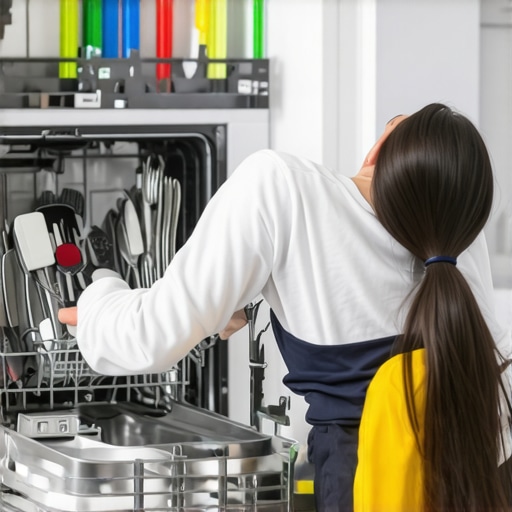
Ever pulled out your dishwasher’s filter only to be met with a muddy splash and a mess that seems to spread across your kitchen floor? I’ve been there too. It hits like a lightbulb moment—realizing that cleaning the debris filter isn’t just about maintenance, but about avoiding total kitchen chaos. That grungy, water-soaked sponge or dodging the spray of grimy water, I knew there had to be a better way.
Turn the Routine into a Splash-Free Success
Cleaning the debris filter is one of those chores that gets pushed aside until something goes wrong—like draining issues or foul smells. But, honestly, it’s a step many homeowners dread because of the mess it can create. As someone who’s struggled with this myself, I can confidently say that understanding the right technique transforms this dreaded task into a quick, tidy process.
There’s no reason to get soaked or end up with greasy splatters all over your hands and floor. Today, I’m here to share proven tips that will help you clean your dishwasher’s debris filter without turning your kitchen into a disaster zone. Whether you’re a new homeowner or seasoned DIYer, these strategies will make your appliance maintenance smoother and less stressful.
Will I Still Make Mistakes If I Follow These Tips?
When I first attempted to clean my dishwasher’s filter, my biggest mistake was rushing without prepping properly. I assumed I could just yank out the filter and rinse it under hot water—that’s quick, right? Wrong. I got water everywhere, and it took me longer to clean the mess than to do the job properly. Learning from that, I now take a few simple precautions that make all the difference.
If you’ve ever faced the frustration of a flooded kitchen or wondered if you’re doing it all wrong, you’re not alone. Many folks underestimate just how important it is to approach this task with the right technique. Proper cleaning not only keeps your dishwasher running efficiently but also prolongs its lifespan. According to appliance experts, neglecting to clean the debris filter regularly can reduce your dishwasher’s efficiency by up to 30%, leading to higher energy bills and more frequent repairs.
So, let’s get started and turn this chore into a chore you actually look forward to—well, almost. By the end of this guide, you’ll be equipped with the know-how to tackle your debris filter confidently, keeping your kitchen clean and your dishwasher happy. If this sounds like a game-changer, stay tuned for step-by-step instructions that will keep you dry and your appliances in top shape.
Remove the Filter Carefully and Prepare Your Workspace
Start by turning off your dishwasher to prevent accidental activation. Open the door and carefully pull out the bottom rack to access the filter. Grip the filter by its handle or edge—if it has one—and gently remove it. Place a towel or old cloth underneath to catch any residual water or debris that might drip. This initial step is crucial to prevent water from splattering onto your floor, much like pulling a plug from a sink drains excess water, avoiding flooding.
Disassemble the Filter Components
Most dishwasher filters consist of multiple parts: a coarse filter, a fine filter, and possibly a mesh screen. Refer to your dishwasher’s manual or look for clips and screws that hold these parts together. Carefully remove each component; remember their order for reassembly. During my last clean, I struggled with a glued-together filter, causing a mess—so take your time. Disassembling helps you access all areas that trap grime, similar to cleaning the filters of a vacuum cleaner to ensure optimal airflow.
Clean the Filter and Components Thoroughly
Rinse each piece under warm running water to remove loose debris. Use a soft-bristled brush or an old toothbrush dipped in warm soapy water to scrub away stubborn grime or grease. For mineral buildup, soaking parts in vinegar for about 10-15 minutes works wonders—like how you might descale a kettle. Avoid using harsh chemicals that could damage plastic or rubber parts. After scrubbing, rinse all parts thoroughly to remove soap residue. I once ignored this step, and residual soap caused cloudy film on dishes, proving the importance of thorough cleaning.
Reassemble the Filter with Care
Once all parts are clean and dry, reattach them in the correct order. Ensure clips snap into place firmly; loose connections can cause debris to escape or water to leak during operation. Double-check that the filter is securely seated before reinserting it into the dishwasher. I did a hurried reassembly once and ended up with water leaking onto my kitchen floor—clearly demonstrating the value of meticulous assembly. Proper reassembly ensures your dishwasher operates efficiently and prevents messes.
Return and Test the Filter
Slide the filter back into its designated slot, locking it securely. Replace the bottom rack and run a short cycle with an empty dishwasher to check for leaks or unusual noises. Observing the first rinse helps confirm everything is sealed correctly. This final step mirrors running a test drive after maintaining your car—vital for confirming successful service. After completing these steps, I found my dishwasher ran quieter and cleaner, and I avoided the dreaded muddy splash that originally prompted my cleaning ritual.
Remember, regular maintenance—say, every three to six months—keeps your appliance running smoothly and prevents costly repairs. For more tips on keeping your appliances in top shape, check out our latest on smart dishwashers with AI technology that can even inform you when filters need attention. Properly cleaned filters not only prevent messes but also ensure your dishes come out spotless and bacteria-free, saving you time and stress in the long run.
While many homeowners focus on features and specs when choosing appliances like refrigerators or washing machines, there’s a lesser-known nuance often overlooked: the misconception that these devices are foolproof and require minimal maintenance. Let’s dig deeper into some common myths and advanced mistakes that can compromise your appliances’ efficiency and lifespan.
Are Smart Appliances Really Set-and-Forget Devices? Think Again
Many believe that upgrading to smart appliances automatically means less hands-on maintenance. However, in my experience, relying solely on automation can lead to neglecting vital upkeep tasks—like firmware updates or routine cleaning—that ensure optimal performance. Ignoring these can cause software glitches or hardware failures. According to a 2022 study by HomeTech Insights, nearly 40% of smart device failures are due to outdated firmware or neglected maintenance routines.
Another misconception is that modern appliances are immune to common issues like mold or mineral buildup. For example, many assume that dishwashers don’t need descaling regularly, but overlooking this step can lead to reduced cleaning efficacy and unpleasant odors. Not cleaning or replacing water filters as recommended can also diminish appliance longevity and efficiency. A common trap is to use harsh chemicals that damage seals and internal parts—always follow manufacturer instructions for cleaning solutions.
Why Your Refrigerator Might Be Wasting Energy Without You Knowing
One of the most overlooked nuances is setting the correct temperature—many believe colder is always better, but this isn’t the case. Setting your refrigerator too cold increases energy consumption and can freeze items like eggs or vegetables, reducing freshness. Conversely, a temperature that’s too warm risks food spoilage. Experts recommend keeping the fridge at 37-40°F (3-4°C) and freezer at 0°F (-18°C). Regularly checking the temperature using a reliable thermometer is a small habit that pays off.
Moreover, many homeowners neglect to clean coils or seals, which can significantly impact energy efficiency. Dusty condenser coils cause the compressor to work harder, wasting power. In fact, according to appliance efficiency research, dirty coils can increase energy use by up to 25%. Regularly inspecting and cleaning these parts ensures optimal operation.
Washing Machines and Dishwashers: The Unsung Culprits of Household Waste
Many get caught up in the belief that newer models automatically handle water and energy efficiency, but that’s only part of the story. A common mistake is overloading or underloading machines, which hampers cleaning and strains the motor. Additionally, not scheduling periodic cleaning of filter screens and spray arms leads to clogs and poor performance. Just like with refrigerators, neglecting routine maintenance accelerates wear and tear.
Additionally, the misconception that cold water washes are just as effective as hot cycles is widespread. In reality, hot water dissolves grease and kills more germs. Using the right detergent and cycle settings tailored to the load ensures cleanliness and extends appliance life.
Make sure to refer to trusted sources like industry experts’ tips for selecting and maintaining your appliances. Remember, understanding these hidden nuances helps you avoid costly repairs and keeps your home running smoothly.
Have you ever fallen into this trap? Let me know in the comments.
Maintaining your home appliances like refrigerators, smart washers, and dishwashers requires more than just basic cleaning—you need reliable tools and strategies to ensure they keep working efficiently over the years. Investing in the right equipment can help you troubleshoot issues early, perform routine upkeep, and even scale your household’s automation capabilities.
A top recommendation is a high-quality digital multimeter, such as the Fluke 115 True RMS Multimeter. I personally use this model because it provides precise readings of power circuits and helps me identify electrical issues in appliances without guesswork. Regularly checking your appliance’s wiring and power supply with a multimeter can prevent unexpected breakdowns.
For cleaning, a long, flexible brush like the Unger POWER STRIKE Water-Witch is essential. Its reach allows me to clean difficult-to-access filters and coils on my refrigerator and washer—saving time and avoiding costly repairs. Combining this with a decent microfiber cloth ensures you can wipe off dust and residue effectively.
Smart home integration demands specific software tools as well. I recommend using the SmartThings app for Android or iOS, which allows comprehensive monitoring and controls for compatible smart appliances. I’ve found that scheduling maintenance alerts and firmware updates through this app keeps my devices in peak condition.
Long-term results rely on consistent checks. Regularly calibrating your fridge’s temperature with a digital thermometer, like the ThermoPro TP65, ensures optimal food preservation without wasting energy. Coupling this with scheduled coil cleaning, based on manufacturer advice, extends your appliance’s lifespan.
Looking ahead, the trend points toward even smarter appliances that diagnose issues and alert homeowners proactively. According to industry insights, early diagnostic tools integrated into appliances will become standard by 2025, further reducing downtime and repair costs.
If you want to get ahead of problems, I suggest trying the technique of using a multimeter to test your appliance’s electrical components periodically. It’s simple but powerful—empowering you to catch potential issues early. For comprehensive support on this, contact us via our contact page.
Proper maintenance over time isn’t just about tools; it’s about developing a systematic approach. Regular calibration, cleaning, and monitoring with these tools will ensure your appliances run efficiently and extend their service life, saving you money and stress in the long run. Keep an eye on emerging smart diagnostics, as they will further simplify maintenance tasks in the near future.
The Hidden Struggles No One Talks About
One of the most eye-opening lessons I learned was that even the most advanced smart appliances require regular, attentive maintenance—neglecting this can lead to unexpected breakdowns and costly repairs. I once assumed my smart washer was foolproof; however, ignoring its routine filter cleaning resulted in a foul smell and reduced efficiency. The biggest insight? Technology can’t replace proactive upkeep. Staying ahead with simple chores like cleaning filters and coils saves you headaches down the line.
My Secret Weapon for Effortless Maintenance
Over time, I discovered that investing in quality tools like a reliable digital multimeter and flexible cleaning brushes made all the difference. These tools empower me to troubleshoot issues early—saving time and money—and trust me, they’re worth every penny. Pairing them with trusted information sources, such as industry-leading blogs, has transformed my approach from reactive to proactive. Establishing this toolkit turned maintenance from dreaded to manageable in my home.
Embrace the Power of Routine—Your Appliances Will Thank You
Consistent, small efforts—like scheduled coil cleanings or firmware updates—compound into significant savings. When I started viewing appliance upkeep as a personal commitment rather than a chore, I noticed my appliances performed better and lasted longer. The key is to develop a habit: set reminders, monitor performance, and never underestimate the importance of regular TLC. Remember, your smart appliances are an investment that rewards diligent care with seamless performance and longevity.
Where to Take Your Home Appliances Next
If you’re eager to deepen your understanding, explore comprehensive guides on smart appliance maintenance and innovation. For instance, check out our ultimate guide to smart home appliances, which offers expert advice and the latest trends. Additionally, tools like the AI-enabled dishwashers represent the future of effortless upkeep—stay informed to keep your home running smoothly.
Your Next Step: Take Control Today
Remember, caring for your appliances isn’t just about avoiding messes; it’s about empowering yourself to enjoy a smarter, more efficient home. Start with a simple routine—maybe today—and watch how these small actions lead to long-term benefits. Don’t wait until a minor issue becomes a major problem; proactive maintenance is your best investment. As you implement what you’ve learned, you’ll find that maintaining your smart appliances enhances their performance and extends their lifespan.
What’s one appliance maintenance tip you’re excited to try? Share your goals below—I’d love to hear how you plan to boost your home’s efficiency!
,