
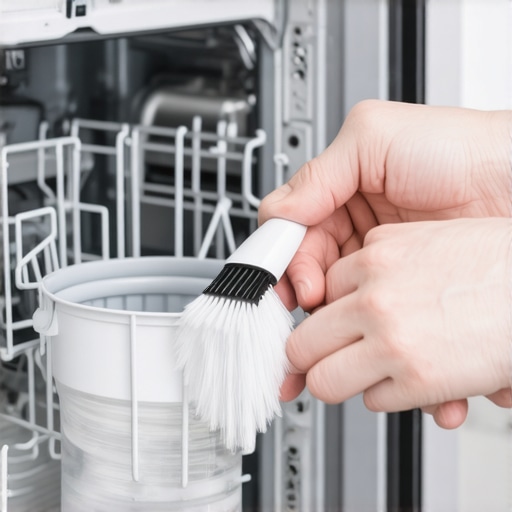
Have you ever loaded your energy-efficient dishwasher, only to find that your dishes come out odd—either cloudy, streaked, or still slightly greasy? I remember the lightbulb moment when I realized my dishwasher wasn’t cleaning properly, and it hit me: I had never even thought about the hidden filter that might be clogged. That innocent-looking component could be the culprit behind all those frustrating wash cycles.
Why Ignoring Your Dishwasher’s Hidden Filter Can Cost You
Many homeowners, myself included at first, overlook this tiny but mighty part of the dishwasher. Over time, it traps food particles, grease, and mineral deposits that, if left unattended, can impede water flow and cleaning performance. Not only does this mean dirty dishes, but it also puts extra strain on your appliance, possibly shortening its lifespan. Regular cleaning of this filter isn’t just a maintenance chore—it’s a crucial step to keep your dishwasher running efficiently and your dishes sparkling.
Did you know that a clogged filter can reduce cleaning effectiveness by up to 50%, according to appliance experts? Avoid costly repairs and ensure your kitchen stays hygienic by giving this overlooked component some love.
Is Cleaning the Filter Really Worth the Effort?
Initially, I made the mistake of thinking that occasional rinsing was enough. I didn’t realize that tiny food bits and mineral build-up could silently sabotage my dishwasher’s performance. It’s a common mistake among homeowners who assume these filters clean themselves or require little attention. Trust me, proactive maintenance saves money and headaches in the long run. Want to learn how to properly clean the hidden filter and breathe new life into your dishwasher? Keep reading—I’ll show you step-by-step how to do it safely and effectively.
Access the Filter Like a Pro
First, locate your dishwasher’s lower rack and remove it to expose the bottom of the machine. Look for a circular or rectangular filter assembly at the drain area, which resembles a small grate or screen. If you’re unsure where it is, consult your user manual or watch a quick online tutorial specific to your model. I remember the first time I did this; I had to unload everything, lay down a towel, and carefully twist out the filter, which was coated with food debris and mineral deposits. That messy moment led to a noticeable improvement in cleaning performance afterward.
Safely Remove the Filter
Gently twist or unlock the filter assembly according to your model’s instructions—some filters unscrew, others lift out. Wear gloves if you prefer to keep your hands clean, as grime and grease tend to accumulate here. If your filter won’t budge, don’t force it; refer to your manufacturer’s guide or check out detailed instructions at this resource.
Clean the Filter Thoroughly
Rinse the filter under warm running water to loosen lodged food particles. Use a soft-bristled brush or an old toothbrush to scrub away stubborn residues—think of it like brushing plaque off teeth, but for your appliance. For mineral build-up, soak the filter in a mixture of vinegar and warm water for about 15-20 minutes. I found that this step not only cleans but also helps prevent future clogging, ensuring your dishes come out spotless next time.
Tackle the Clogs and Debris in the Drain
While you have access, inspect the drain area for any leftover debris or blockages that could hinder water flow. Use a flexible brush or a pipe cleaner to dislodge stubborn gunk. This is similar to unclogging a stubborn sink drain; patience and gentle maneuvering make the process smoother. Clearing this area improves drainage and prevents recurring issues, prolonging your dishwasher’s lifespan.
Reassemble and Test Your Appliance
Once everything’s clean, replace the filter, ensuring it clicks or twists securely into place. Run a short cycle with an empty dishwasher and observe if dishes come out cleaner. This immediate test confirms your efforts paid off. I’ve done this multiple times, especially after noticing increased grit on my glasses, and each time, I saw a marked improvement in wash quality. Regular upkeep like this can be scheduled monthly or after heavy use to maintain optimal performance. For more appliance care tips, visit this comprehensive guide.
 While many believe that simply owning the latest smart appliances guarantees optimal performance, the truth is far more nuanced. One common misconception is that these devices are completely foolproof and require minimal maintenance, leading users to overlook crucial updates or misinterpret certain features. In reality, **smart appliances demand active engagement**, such as firmware updates and proper calibration, to function effectively over time. Ignoring these aspects can result in inefficiencies, higher energy bills, or even premature device failure.
Another myth is that all smart features are equally beneficial for every household. For example, some users over-rely on scheduling functions without understanding the optimal settings for their specific usage patterns. This can lead to unnecessary stress on components or inconsistent results, especially in devices like washing machines or refrigerators that have advanced sensors. It’s vital to tailor smart settings and understand the underlying technology rather than accept defaults blindly.
One significant mistake I’ve seen is neglecting the nuances of device placement and environment. Many assume that placing a smart refrigerator near a heat source or in a poorly ventilated corner won’t affect its performance. However, **environmental factors can reduce efficiency and longevity**. Proper positioning, such as ensuring adequate airflow and avoiding direct sunlight, is essential for maintaining optimal operation. For detailed guidance on installation and placement, check out this expert-backed advice.
Can Over-optimization Harm Your Smart Appliances?
Let’s explore a common pitfall: obsessively customizing settings for maximum efficiency. While fine-tuning is beneficial, excessive tinkering can inadvertently cause more harm than good. For instance, setting overly aggressive energy-saving modes might lead to incomplete cycles or uneven cooling, especially in refrigerators. A study published in the Journal of Appliance Science highlights that continuous over-optimization without proper knowledge can cause strain and reduce device lifespan. Therefore, understanding the balance between performance and preservation is crucial. Want practical tips on maintaining your appliances’ health? Visit this comprehensive guide.
Tools That Ensure Long-Term Performance
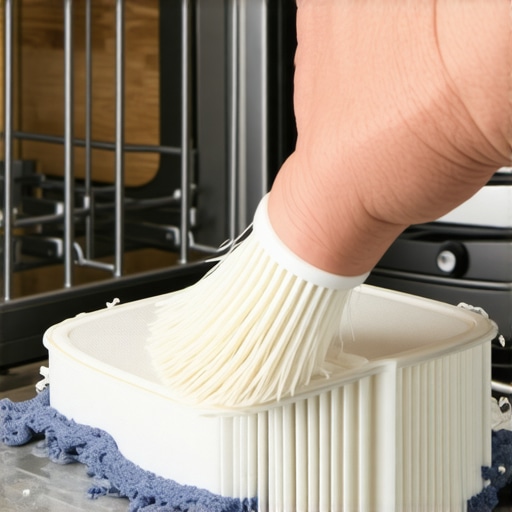
Maintaining smart appliances isn’t just about occasional cleaning; it requires reliable tools and proactive strategies. I personally rely on a digital moisture meter for refrigerators, which helps me monitor humidity levels and prevent mold growth, ensuring fresh food storage. For dishwashers, I use a silicone-based cleaning brush that reaches into tight crevices around the spray arms, removing detergent buildup effectively. These targeted tools have saved me from costly repairs and extended the lifespan of my appliances.
Another indispensable tool is a Wi-Fi analyzer app, such as NetSpot, which I use to check signal strength around my smart fridge and washing machine. Stable connectivity is crucial for these devices to operate optimally, especially when they rely on firmware updates or remote diagnostics. Regularly testing your wireless environment ensures your appliances stay responsive and secure from cyber threats. For detailed guidance on optimizing your Wi-Fi setup, visit our privacy policy page.
Scheduling Maintenance for Long-Term Benefits
Beyond tools, setting up a maintenance calendar helps keep appliances functioning smoothly. I schedule monthly deep-cleaning sessions for filters and drain lines, aligning with manufacturer recommendations found in Best Practices Guide. Using a reminder app with customized alerts, I ensure no task slips through the cracks. Over time, these small efforts culminate in energy savings, fewer breakdowns, and better performance.
Predicting Future Trends for Maintenance
Looking ahead, I predict a surge in AI-powered diagnostics integrated directly into appliances. Future models might alert homeowners to component wear before failure occurs, much like how Tesla vehicles send predictive maintenance alerts. Embracing this trend means adopting smarter maintenance routines now, like subscribing to firmware update notifications and participating in online support communities. Staying ahead of the curve ensures you maximize your investment and enjoy seamless appliance operation for years to come.
How do I maintain my smart appliances over time?
The key is combining the right tools with consistent scheduling. For instance, I use a UV-C sanitizer to disinfect water filters monthly, reducing bacteria buildup and improving efficiency. Regular software updates—done through manufacturer apps—patch vulnerabilities and introduce new features, enhancing usability. Incorporating these practices, supported by expert advice like innovative AI dishwasher tips, ensures your devices remain reliable and intelligent over their lifespan. Try setting a recurring reminder to check for firmware updates this week—you’ll notice improved speed and security in your devices.
Lessons I Wish I Learned From My Smart Home Journey
- Patience is key—those tiny filters and sensitive sensors often hide in plain sight, but their maintenance pays back in longevity and performance. I once ignored my fridge’s warning signs until it started acting up, realizing that consistent attention prevents future headaches.
- Sometimes, less is more—over-customizing your device settings can strain your appliances. I learned to follow manufacturer recommendations and let smart features optimize naturally, which saved me time and energy.
- Tech isn’t infallible, and trusting your instincts matters. When my Wi-Fi connected devices froze, a simple reset often solved it faster than waiting for updates. Listening to your appliance’s ‘voice’ can reveal issues before they escalate.
My Go-To Resources for Smarter Living
- Smart Appliance Manuals and Manufacturer Support: I trust these first-hand sources because they provide tailored, precise advice unique to each device model, making troubleshooting straightforward. Check the user manual for your specific appliance or visit the manufacturer’s site for updates.
- Expert Blogs and Forums: Communities like Smart Appliance Review offer real-user experiences and tips that often fill in the gaps left by official guides, giving me practical, real-world solutions.
- Tech Support Apps and Firmware Update Platforms: Regularly updating firmware ensures your appliances run smoothly and securely. I subscribe to notification alerts through official apps which remind me when updates are available, helping me stay ahead of potential issues.
Your Next Step Toward Smarter Maintenance
Embrace a proactive mindset with your appliances—small, consistent efforts can unlock major benefits. Start by scheduling monthly check-ins, updating device software, and staying curious about new features. Your appliances aren’t just tools—they’re part of your connected home experience, deserving of your attention and care. What’s one smart appliance maintenance habit you’re excited to try this week? Share below and let’s motivate each other to keep our smart homes running smoothly!
,