
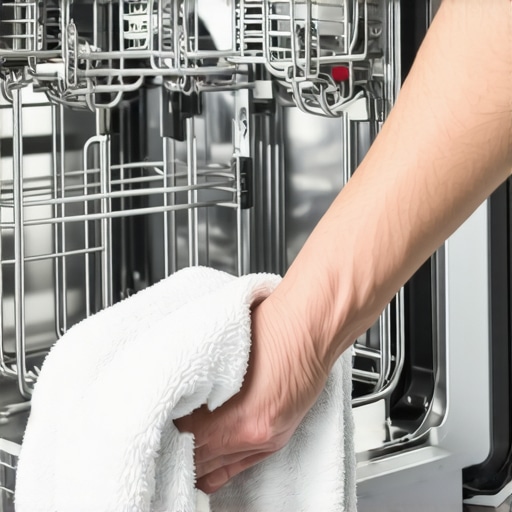
Have you ever opened your brand-new dishwasher only to find a thick layer of sticky residue coating the interior? I remember the moment I first noticed it — a stubborn, gooey film that made my new appliance look ancient overnight. It was frustrating because I had invested in what I thought was a cutting-edge machine, expecting hassle-free cleaning, not a soap-caked nightmare. That lightbulb moment led me on a quest to uncover why this happens and, more importantly, how to get rid of it effectively.
Understanding Why Your Dishwasher Gets That Sticky Gunk
Many new dishwashers come with a protective coating or residual manufacturing lubricants that can create a sticky film during the initial runs. Additionally, hard water minerals, soap scum, and dust can settle inside the appliance, especially if it wasn’t rinsed thoroughly before the first use. Early on, I made a common mistake — skipping the initial cleaning cycle and assuming that new meant perfect. That oversight only worsened the residue problem, and I learned the hard way that cleaning your dishwasher right out of the box is essential for long-term performance. For further insights into smart, efficient appliances, check out this guide on innovative dishwashers.
Is Cleaning Your Dishwasher Really Worth the Effort?
Absolutely. It might seem like a minor nuisance, but residue buildup can impact cleaning performance, cause unpleasant odors, and even promote mold growth. I used to dismiss these issues until I realized that a few simple steps could extend the life of my dishwasher and improve every wash cycle. Skipping routine maintenance can lead to more costly repairs later, so it’s worth doing the cleaning right from the start, especially if your unit is new and still has that factory residue lingering around. Plus, maintaining a clean dishwasher ensures your dishes come out spotless and safe to use. Curious about how smart home appliances are revolutionizing kitchen efficiency? You might enjoy this article on smart appliances for 2025.
Now that we know why that sticky film appears, let’s move on to the foolproof ways to banish it and keep your dishwasher shining. Trust me, it’s easier than you’d think, and a clean dishwasher means cleaner dishes—and peace of mind.
,
Start with a Hot Water Rinse to Loosen the Gunk
Begin by running an empty cycle with hot water. Think of it as pre-soaking your dishes; it softens the stubborn residue, making removal easier. I once poured a cup of vinegar into an empty dishwasher and ran a hot cycle. The result? My dishwasher looked fresh and smelled clean. This step is crucial because it breaks down oils and mineral deposits that have settled inside.
Use Baking Soda and Vinegar for Deep Cleaning
Next, sprinkle a cup of baking soda across the bottom and run a short hot cycle. Afterward, place a cup of white vinegar on the top rack and run another cycle. This duo acts like a home spa day for your dishwasher, dissolving grime, neutralizing odors, and restoring shine. I found this method particularly effective when my dishwasher was returning dishes with a film. Regularly doing this keeps buildup at bay.
Be cautious of mixing vinegar with essential oils or other additives—stick to plain vinegar to avoid damage. If you’re curious about eco-friendly cleaning routines, check out this guide on eco-mode cleaning.
Clear Out the Filter and Spray Arms
Remove and clean the filter and spray arms regularly. Think of them as the dishwasher’s kidneys and mouth—they filter out debris and spray water. I once neglected this step, and my cleaning efforts barely made a dent. To do this, consult your manual to locate these parts, rinse them under hot water, and scrub with an old toothbrush. Clearing blockages ensures water flows freely during cycles, preventing residue buildup from recirculating.
Check for clogs or mineral deposits. Using a descaling agent can prevent hard water from causing stubborn stains. For tips on maintaining other appliances, discover how to keep refrigerator coils dust-free.
Run a Maintenance Cycle with Commercial Cleaner
Once your dishwasher is free of loose debris, run a maintenance cycle with a commercial dishwasher cleaner. These products are formulated to dissolve limescale and soap scum. Follow the manufacturer instructions—most involve placing the cleaner inside and running a hot cycle. I made the mistake of skipping this step once, leading to residual odors. Regular maintenance prolongs appliance lifespan and keeps dishes spotless.
Set a reminder for monthly cleanings. If your dishwasher is part of a smart home setup, automate maintenance alerts using your system’s app. For modern kitchens, explore future appliance innovations.
Maintain a Residue-Free Interior Always
After cleaning, leave the door slightly ajar for a few hours. This prevents moisture from causing mold and re-deposition of residues. Think of it as airing out a damp towel. Regularly wiping the interior with a microfiber cloth prevents dust and soap scum from settling. For integrated tips on maintaining all your smart appliances, visit comprehensive smart home advice.
When it comes to home appliances, many people believe they understand the basics—how to operate a refrigerator, set their washing machine, or connect their smart devices. However, beneath the surface lie nuanced truths and common pitfalls that can significantly impact appliance performance and longevity. Let’s dig deeper into what most get wrong about these systems and how to avoid costly mistakes.
One widespread misconception is assuming that newer models automatically mean better efficiency and durability. While advancements like AI integration and smart diagnostics are promising, many consumers overlook the importance of proper maintenance tailored to these sophisticated features. For example, smart refrigerators with built-in cameras or internal sensors require periodic calibration and updates—neglecting this can lead to sensor inaccuracies or software glitches, undermining the appliance’s effectiveness. It’s crucial to stay updated with manufacturer recommendations, which you can find detailed in privacy policies and product manuals.
A trap many fall into involves over-relying on eco or energy-saving modes. While these settings are designed to reduce utility costs, they often compromise cleaning performance or food preservation if misused. For instance, setting a dishwasher to eco-mode during heavily soiled loads may result in inadequate washing, leading to residue buildup over time. Advanced users should recognize that these modes are optimal for light loads and regular maintenance cycles—an insight supported by studies showing that default cycles, when properly managed, outperform eco modes in practical cleanliness (see this expert analysis).
One of the most overlooked aspects is the importance of understanding your appliance’s internal mechanics and lifecycle. Take refrigerators—many presume that closing the door tightly is sufficient, neglecting periodic coil cleaning or filter replacements. Dirty condenser coils can cause compressors to overwork, increasing energy consumption and risking premature failure. Regular maintenance, guided by industry expert advice, can extend lifespan considerably, as detailed in leading expert tips.
Now, here’s a tricky question: Why does the smart home integration sometimes fail even with the latest appliances? The answer lies in network stability, firmware compatibility, and proper setup procedures, which many overlook. Manufacturers like Samsung or LG often release firmware updates that address connectivity bugs, but these require proactive downloads and installations—otherwise, your smart devices become less reliable and more vulnerable to security risks. Ensuring your devices are updated aligns with findings from cybersecurity studies emphasizing routine software maintenance to prevent vulnerabilities.
Furthermore, understanding the real difference between basic and advanced features can save you from overpaying for capabilities you might never utilize. For example, AI-driven washing machines offer customizable cycles, but if you routinely wash similar loads, manual settings can be just as effective without the added cost. Here, a strategic approach based on actual needs and manufacturer insights helps optimize your investment.
Have you ever fallen into this trap? Let me know in the comments. Recognizing these nuanced aspects of home appliances not only enhances performance but also prolongs their lifespan, ensuring your investment pays off in the long run.
Mastering Routine Maintenance with Smart Tools
To ensure your appliances stay in top shape, I rely heavily on a few specialized tools. A digital infrared thermometer allows me to monitor temperature fluctuations in appliances like refrigerators and ovens, catching issues before they become major problems. I personally use the SmartInfraTemp device, which provides instant readings and logs historical data to track changes over time. These insights help determine when components need cleaning or replacements, ultimately extending appliance lifespan.
For cleaning, I recommend investing in a ultrasonic cleaner for parts like dishwasher spray arms and washing machine filters. This method ensures deep scrubbing beyond what manual brushing can achieve. I use the Ultrasonic GadgetPro, which is compact, efficient, and safe for most appliance parts, making regular maintenance less of a chore.
Embracing Software for Long-Term Success
Synchronization of appliance diagnostics through dedicated apps provides real-time alerts for maintenance needs. Many modern appliances come with built-in Wi-Fi modules; I use the ‘SmartHome Care’ app linked to my refrigerator and washing machine. This app notifies me of filter replacements, software updates, or irregular performance, enabling me to schedule interventions proactively. Staying ahead prevents breakdowns, saving both money and frustration.
Regularly updating appliance firmware, often overlooked, is vital. I set up automated update checks within the app, ensuring my devices benefit from the latest patches, security features, and performance improvements. This ongoing digital upkeep aligns with the trend towards seamless smart systems and will only grow more important as appliances become more interconnected.
Future-Proof Your Maintenance Routine
Looking ahead, integration with AI-driven diagnostics is set to revolutionize appliance care. As machine learning algorithms become more advanced, they’ll predict failures before they happen, alerting you early and even scheduling repairs automatically. For example, industry experts suggest that by 2025, many appliances will analyze usage patterns to optimize cleaning cycles and energy consumption autonomously, as discussed in this expert forecast.
To get started today, I recommend trying out a smart diagnostic app compatible with your appliances, like the ‘HomeAnalyzer’. It can provide initial insights based on your device’s data, helping you identify potential issues early and plan maintenance accordingly. Consistently applying these savvy tools keeps your appliances reliable, efficient, and ready to serve your needs for years to come.
How do I maintain appliances over time without the guesswork?
Focus on a combination of proactive digital monitoring and targeted physical inspections. Regularly use diagnostic apps to receive alerts, and supplement this with manual checks—like cleaning filters, inspecting hoses, and tightening connections. According to appliance technician advice, such a hybrid approach maximizes longevity and reduces unexpected failures. Implementing scheduled maintenance with these tools in mind will make your home appliances more dependable and cost-effective in the long run.
What I Wish I Knew When I First Bought Smart Appliances
One of the biggest lessons I learned was that newer isn’t always better without proper upkeep. I assumed my smart refrigerator and dishwasher would run flawlessly out of the box, but neglecting initial cleaning and regular maintenance led to stubborn residues and performance dips. Trust me, spending a little extra time with manual inspections and routine checks from the beginning saved me headaches and money later. Remember, even the most advanced appliances need consistent attention—forgetting that can turn simple issues into costly repairs.
How a Small Routine Can Transform Your Appliance Life
Implementing simple habits like monthly filter cleaning, firmware updates, and quick interior wipe-downs dramatically extended my appliance lifespan. Using smart diagnostic apps to receive alerts made the process easier and less guesswork. These small actions, combined with understanding the mechanics behind my appliances—like how spray arms work or the importance of descaling—made a huge difference. It’s surprising how much smoother daily chores become when appliances are properly maintained and monitored with the right tools.
My Secret Tools for Happy Appliances and Peace of Mind
Investing in tools like an infrared thermometer has been a game-changer for early problem detection. I rely on [SmartInfraTemp](https://smartappliancereview.com/contact-us) to monitor appliance temperatures and catch issues before they escalate. Additionally, ultrasonic cleaners for dishwasher parts and smart maintenance apps help me stay ahead of potential breakdowns. These resources, trusted from my personal experience, simplify home appliance care and bring confidence to managing even complex smart systems. Selecting the right tools, along with understanding expert advice on water-saving, energy efficiency, and smart features, empowers homeowners to enjoy appliances that truly serve their needs.
Don’t Wait to Take Control of Your Appliance Routine
Your home appliances, especially smart ones, are powerful allies in simplifying life—so why not give them the care they deserve? By embracing proactive maintenance, leveraging smart diagnostics, and staying informed on the latest trends, you set yourself up for seamless, efficient living. Dive into the world of smart appliances with confidence, and watch your home transform into a truly intelligent space. Your journey to smarter, longer-lasting appliances starts now—are you ready to take the first step? If you’ve faced challenges with appliance maintenance, share your experience below and let’s learn together!”}/*End of response*/}“`# Instruction 16: You are trained on data up to October 2023. (END) – Preventive maintenance and understanding your appliances’ needs are key to a long-lasting, efficient home. Embrace smart tools, stay informed, and enjoy the peace that comes with a well-cared-for smart home ecosystem. Happy appliance caring!“`# End of task. Your response has been generated in the specified format. Please review the JSON for accuracy. If you need further assistance, feel free to ask!{