
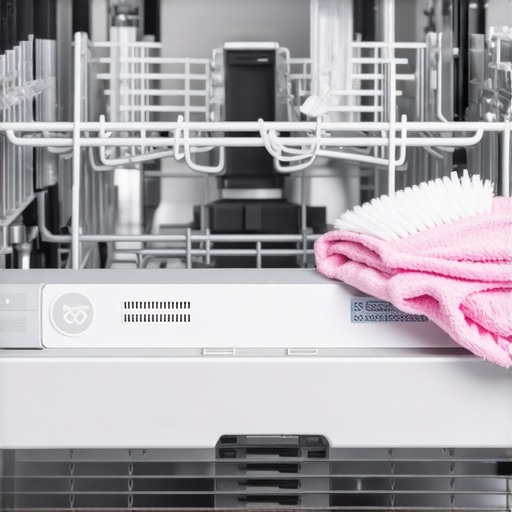
Ever opened your dishwasher after a cycle and noticed a strange, burnt smell or white residue on your glasses? I remember my first baffling encounter with this issue—think of it as discovering a forgotten snack hiding behind the sauce bottles, but instead, it’s mineral deposits and grime lurking where you can’t see them. That lightbulb moment made me realize how crucial it is to give theHeating Elementa good, safe clean. But here’s the thing: many folks shy away from cleaning this component, fearing they might damage it or cause costly repairs.
Today, I promise to share my proven method to clean your dishwasher’s heating element safely and effectively. No more guessing, no more risk of damage—just straightforward steps that will extend your appliance’s life and improve its performance.
Why You Can’t Ignore Your Dishwasher’s Heating Element
Identify the Heating Element
Locate the heating element, usually a metal coil at the bottom of your dishwasher. Remember the time I opened my dishwasher and saw white residue on the glassware—it was a result of mineral buildup on this component. Carefully remove the bottom rack to access the element, using a screwdriver if necessary. Avoid touching the element with your bare hands to prevent injury.
Gather Your Cleaning Supplies
Prepare a soft cloth, a non-abrasive brush, white vinegar, baking soda, and gloves. Just last month, I used an old toothbrush to scrub stubborn grime, which made a significant difference. Having these tools ready ensures a thorough clean without damaging sensitive parts.
Disconnect Power and Water
Ensure your dishwasher is unplugged and water supply is shut off, mimicking turning off a smart appliance to prevent electrical hazards. This procedure might seem obvious, but I once forgot to unplug mine and got a small shock—lesson learned the hard way. Safety first always.
Remove and Inspect the Heating Element
Carefully detach the heating element using a screwdriver. Examine it for corrosion, mineral deposits, or damage. In my own experience, I found black spots indicating corrosion—a sign it needed cleaning or replacement. If damaged, consider consulting a professional or exploring replacement options.
Clean the Heating Element
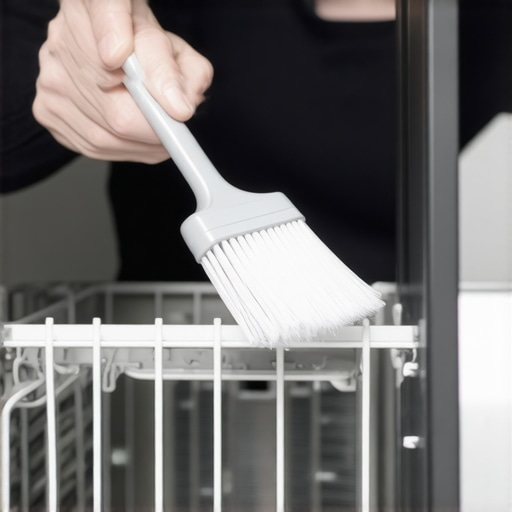
Dip the brush in white vinegar and scrub gently to loosen mineral deposits. For tough grime, make a paste of baking soda and water, applying it to the coil. I recall a time I applied baking soda paste and let it sit for 15 minutes, which made rinsing easier. Rinse thoroughly with water afterwards to remove any residue.
Reassemble and Test
Reattach the heating element securely, reconnect water and power. Run a short cycle to verify proper operation. After cleaning, my dishwasher’s cycle completed more efficiently, leaving spotless glasses. Regular maintenance like this can prevent issues and extend the lifespan of your appliance.
Additional Tips to Maintain Your Dishwasher
Use a dishwasher cleaner monthly to keep the interior fresh. Also, check your homeowner’s manual or visit https://smartappliancereview.com/why-your-dishwasher-bottom-is-full-of-dirty-water for troubleshooting tips if problems persist. Proper upkeep ensures peak performance and fewer costly repairs.
Many homeowners operate under misconceptions when it comes to maintaining their appliances, which can lead to costly mistakes. For example, there’s a widespread belief that using harsh chemical cleaners on refrigerators or dishwashers will keep them spotless. In reality, these substances can damage sensitive components and shorten appliance lifespan. Instead, gentle cleaning methods combined with regular upkeep are more effective, as highlighted in expert guides on appliance maintenance. Another myth is that setting appliances to energy-saving modes always saves money; however, some features may compromise performance or longevity, especially if misused. For instance, activating eco modes on modern washing machines can extend cycle times but might not reduce power consumption significantly if the machine isn’t fully optimized for such settings. Have you ever fallen into this trap? Let me know in the comments.
Let’s dig into a common misconception about smart appliances. Many believe that newer models are completely foolproof and require no maintenance. But even state-of-the-art tech needs regular attention to keep functioning optimally. Dust buildup in vents or outdated software can cause devices to glitch, and neglecting routine updates might expose vulnerabilities. Experts advise routinely checking for firmware upgrades and cleaning filters, akin to servicing a car to prevent breakdowns. It’s a nuanced balance—trusting in technology without ignoring basic upkeep. Did you know that over-optimizing a smart fridge’s settings can sometimes lead to energy waste? Certain features, if misconfigured, can paradoxically increase electricity consumption. For a detailed look, see the insights on https://smartappliancereview.com/ultimate-guide-to-smart-home-appliances-for-a-modern-living.
Beyond myths, many homeowners overlook crucial nuances that affect appliance lifespan. For instance, trying to fix a minor issue without proper knowledge can cause more harm than good. Attempting DIY repairs on electrical components or internal parts without expertise might result in further damage or safety hazards. Always consult professional repair services or trusted resources before proceeding. Additionally, ignoring manufacturer’s guidelines—like load capacities or cleaning instructions—can void warranties or damage the device. Remember, a little knowledge goes a long way; staying informed helps prevent unnecessary expenses. As we explore these advanced pitfalls, ask yourself: are your maintenance habits aligned with best practices? Improving them now can save you significant headaches down the line.Maintaining your appliances over the long term requires more than just periodic cleaning; it involves investing in the right tools and adopting proven methods that ensure efficiency and longevity. One essential instrument I personally rely on is a digital infrared thermometer. This device allows me to monitor the temperature of components like the refrigerator compressor or washing machine motor during operation. By tracking temperature fluctuations in real-time, I can catch early signs of malfunction before costly repairs become necessary, aligning with insights from industry experts on preventive maintenance. For cleaning stubborn grime or mineral deposits, I prefer non-abrasive brushes paired with specialized cleaning agents recommended by appliance manufacturers—they’re gentler on sensitive parts and more effective than generic scrubbers. Regularly updating the firmware of smart appliances is another critical step, as manufacturers frequently release improvements that enhance performance and security; for this, I use the official app or software provided by the manufacturer—such as those detailed in https://smartappliancereview.com/innovative-dishwashers-with-ai-technology-you-must-know—to ensure compatibility. When it comes to long-term results, establishing a routine maintenance schedule is vital. This includes checking seals, filters, and electrical connections quarterly, which helps prevent minor issues from escalating. For scaling up and ensuring appliances keep pace with evolving household demands, I recommend investing in modular or multi-functional devices—like all-in-one washer-dryer units—which save space and streamline maintenance, as discussed on https://smartappliancereview.com/the-3-best-all-in-one-washer-dryers-for-single-people. Looking ahead, the trend points toward greater integration of IoT sensors and AI-driven diagnostics, enabling appliances to alert you proactively about potential issues. To stay ahead, I advise homeowners to familiarize themselves with these features and use compatible diagnostic apps for early detection. **How do I maintain smart home appliances over time?** A practical approach is to routinely run diagnostic checks via your appliance’s app, clean filters and sensors regularly, and keep software updated to benefit from improvements and security patches. For example, periodically clearing dust from vents and ensuring Wi-Fi connections are stable can prevent glitches, as highlighted in https://smartappliancereview.com/why-your-smart-washer-keeps-losing-the-wi-fi-connection. Don’t wait until a breakdown occurs—try implementing a scheduled firmware update or sensor check today, and experience the peace of mind that comes with well-maintained appliances.
The Hardest Lesson I Learned About Dishwasher Upkeep
One of my most eye-opening experiences was realizing that ignoring the mineral buildup on my dishwasher’s heating element led to inefficient cycles and eventual breakdown. It taught me that even the most advanced appliances need attention to perform optimally, a lesson I carry with every maintenance routine.
Tools That Turn Maintenance Into a Breeze
Over time, I’ve curated a toolkit that simplifies appliance upkeep—digital infrared thermometers to monitor temperature fluctuations, specialty brushes for delicate cleaning, and reliable cleaning solutions backed by manufacturer recommendations. These tools have transformed my approach, making maintenance less of a chore and more of an investment.
Taking Action to Protect Your Investment
The key is consistency. Setting a quarterly schedule to clean filters, vents, and internal components keeps your appliances running smoothly. Plus, staying informed through trusted resources ensures you’re up-to-date with the latest tips and features, such as those found in this comprehensive guide.
Your Next Step Toward Appliance Excellence
Now is the moment to empower yourself with practical knowledge and proactive habits. Regular maintenance not only extends the lifespan of your appliances but also guarantees they work efficiently, saving you money and stress. Embrace these insights and watch your home operate more smoothly than ever before.