

I vividly remember the moment I decided to defrost my freezer—armed with nothing but a bulb, a towel, and a naive belief that I could handle it all in under an hour. An hour later, I was wading through a mini icy flood, coated in a layer of frost chips and cold slush, questioning my life choices. That mishap taught me a hard lesson about defrosting: it doesn’t have to be a messy, time-consuming nightmare.
If you’re tired of pouring boiling water on frozen walls only to end up with water everywhere, then stay with me. Today, I promise to share a foolproof method that will keep your kitchen dry and your sanity intact. No more flood zones or ice avalanches—just a simple, effective routine to defrost your freezer efficiently and mess-free.
Why Proper Freezer Defrosting Matters So Much
Is the Frosty Haphazard Approach Really Worth It?
You might think that a quick scrape or a hurried wipe is enough — I used to believe that too. But the truth is, neglecting proper defrosting can lead to inefficiency, higher energy bills, and even damage to your appliance. According to experts, ice buildup over 0.25 inches can reduce your freezer’s efficiency by up to 25%, costing you extra on electricity bills. That’s a significant loss for something that could be avoided with a little planning.
Early on, I made a costly mistake: rushing the process without turning off my appliance or removing perishables first. Ice and humidity combined to turn my kitchen into a mini ice rink. Trust me, a little patience and preparation go a long way. For trusted tips on maintaining your appliances and avoiding costly repairs, I recommend checking out this comprehensive guide on [smart home appliances](https://smartappliancereview.com/ultimate-guide-to-smart-home-appliances-for-a-modern-living).
Then I realized, with the right approach, defrosting can be quick, clean, and even save you money. Ready to learn how? Keep reading because I’ll guide you step-by-step in the upcoming sections, helping you conquer frost like a pro. Have you faced the chaos of an over-frosted freezer? Share your stories—fellow neighborly advice is always welcome, and I bet many of us have been there.
Unplug and Prepare Your Space
Start by disconnecting your freezer from its power source to prevent any electrical hazards. Remove all perishable items and store them in a cooler if you anticipate a long defrosting session. Place towels or newspaper around the base of the freezer to catch any melting ice or water, much like setting up a drip tray beneath a leaky appliance to manage leaks efficiently.
Speed Up the Melting Process
Use Hot Water Wisely
Fill a spray bottle with hot water and spray the icy walls generously. I remember the time I used this method, and watching the frost melt instantly made the process much quicker. The hot water accelerates ice sublimation, reducing manual scraping effort. Keep spraying as needed to maintain melting efficiency.
Employ a Plastic Scraper
Gently use a plastic spatula or scraper to loosen softened ice. Avoid metal tools—they can damage your freezer walls. Think of it as icing a cake: gentle, steady pressure works better than force, preventing damage and mess.
Manage Water and Moisture Effectively
Once the ice begins turning into water, it’ll start dripping down, so ensure towels are absorbent and placed strategically. To prevent water from spreading everywhere, set a container or a shallow pan at the bottom of the freezer to catch drips—imagine a mini pool; it keeps everything contained and makes cleanup easier.
Speed Up Drying and Final Checks
After all ice has melted, wipe down interior surfaces thoroughly with a dry towel to remove residual moisture. Opening the door slightly during this step allows air circulation, helping moisture evaporate faster. Noticing your fridge’s smart features, like humidity sensors, can further optimize moisture control, as recommended in this comprehensive guide.
Restart and Store Items Properly
Reconnect the power supply once the interior is completely dry. Before replacing items, consider organizing your freezer with baskets or dividers to maximize space—this is similar to how organized drawers reduce chaos and improve access, as explained in this article. Restocking perishable goods promptly prevents temperature fluctuations, keeping your food fresh longer.
By following these concrete steps, you’ll turn a dreaded messy chore into a manageable routine. Remember, patience combined with strategic actions makes the process mess-free and efficient, saving you time and energy in the long run.
,Many homeowners assume that their smart appliances, like refrigerators and washers, are foolproof and maintenance-free. However, even seasoned enthusiasts can fall for misconceptions that lead to inefficiency or damage. For instance, a prevalent myth is that all smart appliances automatically optimize themselves without user intervention. In reality, many devices require regular firmware updates and proper settings adjustments to truly perform at their best, as highlighted in the comprehensive smart appliance guide. Overlooking these nuances can result in subpar performance and unnecessary expenses.
Why Ignoring Advanced Settings Can Cost You More
One common mistake is neglecting advanced configuration options that tailor appliance behavior to your household’s needs. For example, modern refrigerators often come with humidity controls and zone-specific cooling features that, when used correctly, extend food freshness and reduce energy consumption. Yet, users tend to stick with factory defaults, missing out on these benefits. Experts emphasize that manual calibration and exploration of settings are crucial — a principle supported by studies on smart device optimization here. The Oops factor? Failing to customize defaults may lead to increased power bills and food spoilage.
Another hidden trap is the assumption that all Wi-Fi-connected devices are invulnerable to security threats. Many users overlook regular password changes or firmware updates, leaving their smart appliances vulnerable to hacking. This oversight can compromise privacy and lead to unexpected malfunctions. In fact, cybersecurity experts warn that neglecting these updates is one of the top vulnerabilities in connected home systems. Staying vigilant and informed about firmware releases is essential to safeguard your smart home ecosystem.
Have you ever fallen into this trap? Let me know in the comments. Mastering the nuanced features of your appliances is the key to unlocking their full potential, saving money, and ensuring safety. Digital innovations are remarkable, but they require human oversight and curiosity to truly thrive. So, take time to explore your device manuals, software settings, and security options—your smart home’s efficiency depends on it.
Keep Your Appliances Running Like New with the Right Tools
Maintaining your smart appliances requires more than just routine cleaning; having the right tools can significantly extend their lifespan and optimize performance. For instance, I personally swear by a digital ultrasonic cleaner for disinfecting refrigerator condenser coils—this tool penetrates deep into the coils, removing dust and debris that standard brushes miss. Regularly cleaning coils prevents overheating and reduces energy consumption, aligning with industry recommendations found here.
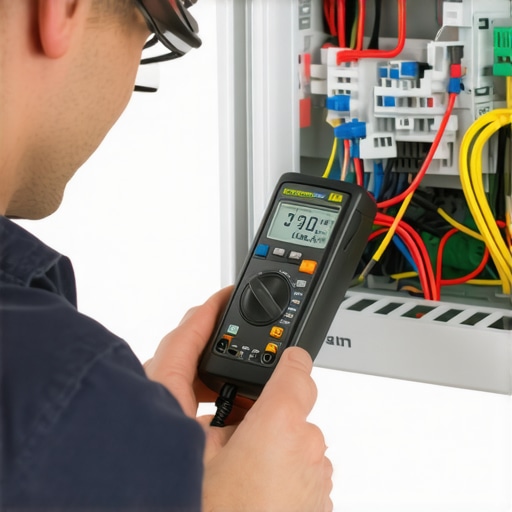
Another invaluable tool is a multimeter, which I use to troubleshoot smart appliances before calling in a technician. It helps me verify if outlets are supplying proper voltage or if there are issues with internal wiring—saving time and money. When it comes to software, I rely on manufacturer-specific firmware update tools and apps; these are crucial for keeping devices secure and functioning optimally, as detailed in this guide.
For appliance filters and seals, I prefer high-quality, OEM replacement parts. Using generic parts can sometimes cause leaks or performance drops. To ensure proper fit and seal integrity, I use a digital caliper, allowing precise measurements before purchasing replacements—a step that guarantees durability and prevents issues like mold or moisture buildup, as explained in this article.
How do I keep my appliances in top shape over time?
Establishing a regular maintenance schedule is key. I recommend monthly coil cleaning, firmware checks every quarter, and inspection of seals and filters after each use. Additionally, investing in a Wi-Fi network monitor can alert you to connectivity issues or security threats, which are often overlooked but critical for smart device longevity. Programs like Fing or Fingbox can help identify network vulnerabilities early, aligning with security practices outlined here.
Looking ahead, the trend leans toward AI-enhanced diagnostics and predictive maintenance tools that analyze usage patterns and alert homeowners to potential failures before they happen. Embracing these innovations now can save you money and stress in the long run. Don’t forget to try out advanced features like remote diagnostics or scheduling regular firmware updates—these small tweaks can make a big difference in appliance lifespan and performance.
Lessons That Changed My Appliance Life
One of the most eye-opening lessons I learned was that neglecting small maintenance details on my smart appliances could cost me dearly in the long run. For instance, ignoring firmware updates seemed harmless until my refrigerator’s smart features started malfunctioning, leading to a costly repair. It taught me that staying proactive with software updates isn’t just about convenience—it’s about preserving value and functionality. Another lightbulb moment was realizing that improperly organizing my freezer was causing wasted energy and spoiled food, which could be easily avoided with better storage strategies. These insights underscore the importance of regular check-ins and a curious mindset toward my appliances, unlocking savings I hadn’t considered before. Lastly, I learned that security isn’t optional; regularly updating passwords and firmware keeps my smart home safe from potential threats, turning basic security into peace of mind. These lessons turned appliance maintenance from a chore into a game-changing strategy that saves money and enhances my home’s efficiency.
My Trusted Arsenal for Appliance Excellence
For deep cleaning and maintaining optimal performance, I rely on industry-recommended tools like an ultrasonic coil cleaner—their ability to reach into tight spots keeps my refrigerator running cool and energy-efficient. A multimeter is indispensable for troubleshooting electrical issues before calling in pros; it’s like having a doctor’s diagnosis at home. I also swear by OEM replacement parts for seals and filters, ensuring a perfect fit that prevents leaks and contamination. Manufacturer-specific firmware update apps are my go-to for keeping devices secure and functioning smoothly, which I learned from trusted industry guides. Lastly, a Wi-Fi network monitor helps me stay ahead of connectivity issues, which are often overlooked but critical for the performance of smart appliances. These tools empower me to spot problems early, save on repairs, and enjoy my appliances with confidence.
Your Next Step Toward Smarter Living
The journey to fully harnessing the power of your smart appliances begins with curiosity and action. Don’t wait for breakdowns or inefficiency to motivate you—explore the advanced settings and features your devices offer. Regularly updating firmware and personalizing configurations can unlock features that reduce energy bills and extend appliance lifespan. Remember, digital innovations require human oversight to truly deliver their promise. By taking small, consistent steps now, you’re investing in a future where your home runs smoothly, efficiently, and securely. So, start a maintenance routine today, explore new features, and turn your appliances into the reliable partners they’re meant to be. Your smarter, more efficient home awaits—are you ready to take the leap?