
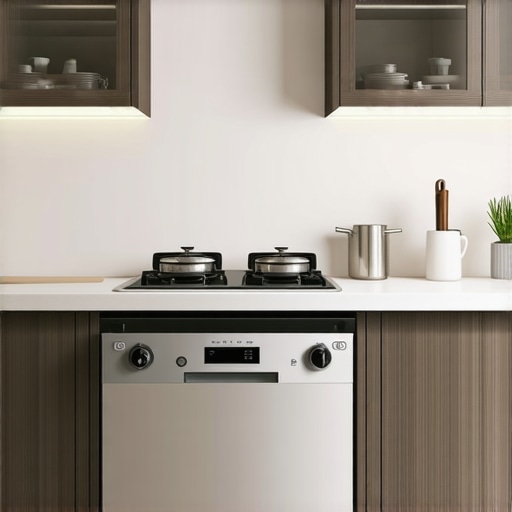
It was a morning like any other, I reached into my cramped kitchen, trying to squeeze past the clutter to grab a cup, when suddenly I heard that startling clang—the sound of my full-sized dishwasher refusing to fit after a recent renovation. Frustration shot through me. Why did I think installing a standard dishwasher in my tight galley kitchen would be straightforward? Turns out, it’s a common dilemma many homeowners face, and trust me, it’s enough to make you reconsider your entire kitchen plan.
Making Peace with Limited Space: Your Dishwasher Dilemma
Fitting a full-size dishwasher into a narrow galley kitchen isn’t just about measuring and squeezing; it’s about understanding your space and exploring smart, practical solutions. When I first looked into it, I realized I’d overlooked a crucial point: the importance of precise measurements and knowing the exact dimensions of my appliances. A simple mistake early on, like assuming a standard dishwasher size, can turn your renovation dreams into logistical headaches. For those of you tackling this project, you’re not alone. Many discover too late that their appliances don’t quite fit, leading to frustration and costly modifications. But here’s the good news—you can avoid these pitfalls with some insider knowledge and strategic planning.
Before diving into solutions, consider this: did you know that many modern dishwashers are designed with flexible installation options, allowing better adaptation to tight spaces? According to appliance experts, understanding the latest trends in smart and space-efficient appliances can save you time and money. For instance, innovative dishwashers with AI technology now offer features that help optimize space and performance, even in constrained environments.
But I’ll admit, my early mistake was relying on generic measurements without considering door clearance and plumbing access, which are critical in tight kitchens. This experience taught me the importance of meticulous planning, including calculating space for door swings and connections. If you’re questioning whether size really matters for your dishwasher, or worried about fitting it into your kitchen, keep reading. The next sections will arm you with practical tips that transform your space constraints into a manageable challenge. After all, right-sizing appliances isn’t just about fitting them in; it’s about tailoring your entire kitchen experience for efficiency and comfort.
Now, let’s step into the world of smart solutions and clever layouts to make your galley kitchen both functional and stylish.
Measure Precisely Before You Start
Start by taking exact measurements of your available space—width, height, and depth. Use a tape measure, and don’t rely on serial numbers or generic sizes. Remember, a millimeter can make a difference. When I did this step in my kitchen, I used painter’s tape to mark the space, which helped visualize the fit and identified clearance issues early. This simple trick saved me from ordering a dishwasher that was slightly too big.
Choose the Right Appliance with Flexibility
Look for dishwashers specifically designed for small or narrow spaces. Compact or countertop models may be your best bet. Think of your appliances like a puzzle piece; selecting ones with adjustable or reversible doors can help fit awkward spaces. For example, many modern dishwashers now feature flexible installation options, including adjustable height and door swing directions, which can be crucial in tight kitchens. Visit this guide for expert advice on choosing the best small appliance options.
Slim Down Your Connections
Space saved is space gained. Opt for compact plumbing and electrical connections, and consider rerouting pipes if necessary. Remember, like a car engine needs a clear space to breathe, your dishwasher’s intake and drain hoses require slack and proper placement. I once had to re-route my drain pipe behind cabinetry, which was messy but effective, avoiding major renovations.
Adjust and Fine-Tune Your Installation
Level your dishwasher meticulously to prevent leaks and vibration. Use a spirit level and shims if needed. Think of this like balancing a wheel; a perfectly balanced appliance runs smoother and quieter. After leveling, run a test cycle to check for leaks or unusual noises. In my case, a tiny tilt caused water to pool, so I adjusted and re-measured until everything was perfect. This step ensures long-term durability and performance.
Utilize Smart Features to Maximize Space
Modern smart dishwashers can optimize load capacity and energy efficiency. Features like load sensors and adjustable racks help fit more dishes into limited space. Think of a smart dishwasher like a well-trained personal assistant—it knows how to make the most out of what you give it. For inspiration or detailed guidance on smart appliance benefits, explore this ultimate guide.
Consider Alternative Locations and Vertical Storage
If the main kitchen area is too constricted, look for secondary spots—like a nearby pantry or utility closet—for placing small or countertop models. Vertical stacking (if your models support it) can also save precious horizontal space. Imagine stacking plates in a cupboard—vertical space can be greatly underutilized in kitchens. This strategy was a game-changer in my setup, freeing up counter space and reducing clutter.
Plan for Future Needs and Upgrades
When installing in limited space, think ahead. Select models with features that can adapt as your needs evolve, such as adjustable racking or Wi-Fi connectivity for remote monitoring. Think of your appliance choices like investing in versatile clothing—buying pieces that can serve multiple purposes. This forward-thinking prevents the need for disruptive re-installations down the road.
Many homeowners fall into common misconceptions about appliances like dishwashers, refrigerators, and washing machines, which can lead to costly mistakes. Contrary to popular belief, choosing the latest smart appliance doesn’t always guarantee optimal performance; in fact, many savvy users know that overhyped features can be deceptive. For example, consumers often assume that bigger refrigerators automatically mean more efficiency, but they overlook crucial factors like insulation quality and temperature zones, which actually impact freshness and energy consumption. Experts like industry analysts emphasize that understanding these nuances can save significant money and frustration. Additionally, a prevalent myth is that all high-efficiency washing machines are gentle on clothes; however, some models with overly aggressive spin cycles can damage delicate fabrics over time. This highlights the importance of selecting machines with customizable cycle options. A common trap many fall into is neglecting regular maintenance—many forget that cleaning filters or calibrating temperature sensors can extend appliance lifespan and preserve performance. Did you know that smart appliances with features like remote diagnostics can alert you to issues before they become serious, but only if configured correctly? Misusing or misunderstanding these features can render them ineffective, negating their intended benefit. As highlighted in a recent study published by appliance industry research, improper installation and neglecting manufacturer recommendations are responsible for up to 30% of appliance failures within the first year. For those interested in smarter homes, explore top smart appliances for 2025, which also discusses common pitfalls and how to avoid them. Remember, mastering the hidden nuances of your appliances leads to better performance, longevity, and energy efficiency. Have you ever fallen into this trap? Let me know in the comments, and share your experience with appliances that didn’t live up to their promises.
Tools I Recommend for Appliance Maintenance
When it comes to ensuring my home appliances stay in top shape, I rely on a few specialized tools that make maintenance more effective and less time-consuming. A high-quality digital multimeter helps me verify electrical connections, ensuring circuits are functioning correctly without guesswork. Additionally, a dedicated appliance cleaning brush kit, like the ones recommended by industry experts, allows me to reach into tight spaces and scrub components like dishwasher spray arms and refrigerator coils thoroughly, avoiding the buildup that can impair performance. For cleaning filters—especially in modern smart appliances—I use manufacturer-approved descaling solutions, which prevent mineral deposits and prolong the appliance’s lifespan. My personal favorite is a magnetic sensor pen, which I use regularly to detect cooling and heating issues early, preventing costly repairs down the line.
Investing in these tools pays off by reducing downtime, saving money on repairs, and extending the life of my appliances. Over time, I’ve found that regular, proactive maintenance with the right equipment keeps everything running efficiently. As technology advances, I predict that smart diagnostics and IoT-connected tools will become more integrated into routine appliance care, enabling even more precise troubleshooting from anywhere. Refrigeration units with built-in predictive maintenance features are already on the horizon, and I recommend staying ahead by familiarizing yourself with these innovations.
How do I maintain smart appliances over time?
Maintaining smart appliances requires a blend of routine cleaning, firmware updates, and monitoring through dedicated apps. I make it a habit to check for firmware updates weekly—most brands now push automatic updates, but manual checks ensure you don’t miss critical security patches or performance improvements. Regularly cleaning sensor lenses and network modules prevents data inaccuracies and connectivity issues. For example, I use a soft microfiber cloth to gently wipe the camera and sensor areas in my smart fridge, ensuring clear visuals and reliable alerts. Implementing a scheduled maintenance routine helps prevent unexpected breakdowns and maintains seamless integration with your home automation system. To get the most out of your smart appliances, consider linking them with a centralized smart home hub—this consolidates control and offers real-time diagnostics, making maintenance more intuitive. Learn how to connect your smart washer to your home automation system with detailed guidance on this resource.
Looking ahead, I see a future where predictive maintenance algorithms will analyze usage patterns, wear and tear, and sensor data to notify homeowners precisely when service is needed—long before any issue arises. Embracing these advancements now can save you money and stress, so I recommend trying out a proactive maintenance tip: use a sensor cleaner spray in your refrigerator’s temperature sensors monthly. This simple step keeps your smart fridge responding accurately and efficiently, demonstrating how small routines can have a big impact on appliance longevity.
< >
>
Generate and utilize specialized diagnostic tools regularly, and you’ll maximize your appliances’ lifespan and efficiency. Need help setting up a maintenance routine or choosing the right tools? Contact me through this contact page for personalized advice. Remember, staying ahead with maintenance not only saves money but also keeps your home running smoothly for years to come.
,
The Hardest Lesson I Learned About dishwashers,refrigerators,home appliances,smart appliances,washing machines
My most valuable insight came when I realized that blindly trusting standard sizes or advertised features can lead to costly surprises and frustration. I once believed that selecting the latest model was enough, only to discover it didn’t fit my cramped kitchen space. It was a stark lesson in the importance of **measuring twice and thinking three times** before making a purchase.
3 Myths About dishwashers,refrigerators,home appliances,smart appliances,washing machines That Held Me Back
- Bigger is Always Better: True efficiency isn’t about size but smart design, especially in small kitchens. Learn to prioritize features over volume.
- All Smart Appliances Are Created Equal: Not all connected devices offer the same reliability or ease of use—do your research and choose trustworthy brands and tools.
- Installation Is a Quick Step: Proper setup is key. Rushing can cause leaks, noise, or even damage. Take the time for precise measurements and adjustments.
What Experts Won’t Tell You About dishwashers,refrigerators,home appliances,smart appliances,washing machines
Many seasoned professionals know that hidden features such as adjustable racks, reversible doors, and energy-saving modes can make a huge difference. But often these are overlooked because they’re not prominently advertised. Recognizing these nuances can drastically improve your appliance’s performance in tight spaces.
My Essential Toolkit for ensuring your appliances fit and perform
- Digital Tape Measure: Precision is everything—use a digital tape for accurate measurements, especially for odd or tight spaces.
- Level and Shims: Level appliances to prevent leaks and noise—simple, affordable tools that make a world of difference.
- Flexible Plumbing Fittings: Compact, adjustable connections save space and prevent headaches during installation.
- Smart Home Hub: Integrate your appliances seamlessly, monitor performance, and troubleshoot remotely, leading to long-term savings.
Your Turn to Try
Don’t let space constraints hold back your kitchen’s potential. Whether you’re considering a compact dishwasher or a slim refrigerator, every detail matters. Embrace the challenge, learn from my experience, and turn your small kitchen into a modern oasis of efficiency and style. Remember, thoughtful upgrades today make your home smarter and more comfortable tomorrow.
What is the biggest space challenge you’ve faced with home appliances? Share your story below, and let’s learn together!