
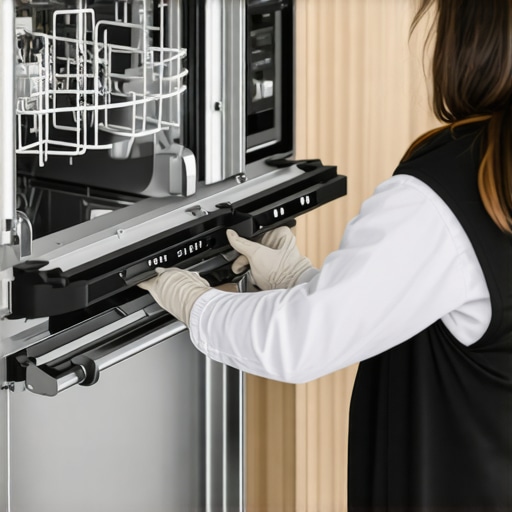
Have you ever loaded your dishwasher, only to come back and find the door hanging wide open, water and soap spilling everywhere? I can’t count how many times I tested that door latch, thinking, “Is it just me? Or is this thing defective?” It was frustrating—like discovering a small but persistent leak in your home that keeps getting worse. One day, I had a little lightbulb moment: the seemingly minor issue was actually a bigger sign that something inside was worn out or misaligned.
Why a Falling Dishwasher Door Is More Than Just Annoying
This problem isn’t just about messes or lost convenience; a door that won’t stay shut can affect your dishwasher’s performance and even cause major water damage. If water pools inside during a cycle, it can lead to mold, bad odors, and expensive repairs. Plus, a door that refuses to stay closed can make you doubt the appliance’s reliability—leading to extra costs and headaches down the line.
Early on, I made the mistake of ignoring the issue or just jiggling the latch harder. But that only made things worse. It wasn’t until I peered inside and understood the common causes that I realized I could troubleshoot and fix it myself—saving both money and time.
Is Repairing a Wobbly Door Really Worth the Effort?
Honestly, I was skeptical at first. My fear was that I’d just waste time and still end up calling a repair technician. But I learned that with a little patience and some know-how, my problem was manageable. Many online guides, like this one, can help you identify whether the latch, hinges, or internal springs are the culprits, and how to replace or tighten them without professional help.
One of the earliest lessons I learned: avoiding cut corners. I took my time reading what industry experts say, like this detailed guide on how to fix a leaky dishwasher pump. Trust me, understanding what can go wrong significantly boosted my confidence.
So, if you’re like I was—ready to toss the dishwasher in the trash because the door just won’t stay shut—you might be surprised to find that DIY fixes are often more straightforward than they seem. Ready to roll up your sleeves? Let’s dive into the practical steps to get your dishwasher door closing securely again.
Gather Your Tools and Prepare
Start by unplugging your dishwasher from the power outlet to ensure safety. You’ll need a Phillips-head screwdriver, a flat-head screwdriver, and possibly pliers. Also, grab a flashlight to see inside the door mechanism clearly. I recall the day I undertook this fix—I laid a towel on the kitchen floor to catch any falling screws and kept a small container nearby for lost parts. The mess was real, but it paid off in the end.
Inspect the Door Latch and Catch Mechanism
Open the dishwasher door and locate the latch assembly—think of it as the lock on a door to a Room of Requirement. Use your flashlight to examine for corrosion, debris, or misalignment. If you notice rust or debris, clean the latch with a soft cloth. In my case, a bit of old soap scum was preventing the latch from catching properly, so I carefully scrubbed it until shiny. If the latch is broken or severely worn, replacing it is usually straightforward. Remove the screws holding the latch in place and compare the old part to a replacement from your local hardware store or online.
Check the Door Springs and Hinge Alignment
Dishwasher doors often use torsion springs to assist closing. Locate the springs on either side—these are like the strings of a marionette, providing tension for smooth movement. If a spring is detached or broken, you’ll notice the door sagging or not closing fully. To inspect, gently pull down on the door and look for uneven movement or looseness. In my experience, this is often the culprit. Reattaching or replacing springs requires removing interior panels—be gentle, as plastic clips can be fragile. When reattaching, ensure springs are accurately hooked onto the door and frame to restore proper tension.
Adjust the Door Hinges for Proper Alignment
Misaligned hinges can cause the door not to latch securely. Loosen the hinge screws slightly and realign the door so it sits flush with the appliance body. Tighten the screws once aligned—think of it as fine-tuning a camera lens to ensure sharp focus. I once had a door that was crooked after moving the dishwasher; a small adjustment fixed a persistent open door problem and prevented leaks during operation.
Test the Fix and Observe
After reassembling, plug the dishwasher back in and run a short cycle. Watch to see if the door stays closed without issue. If it doesn’t, revisit the latch, springs, and hinges. Remember, troubleshooting is often a process of elimination—a trick learned from repairing washing machines that sometimes just need a minor realignment. For more insights on smart appliances that can alert you to issues early, visit this guide.
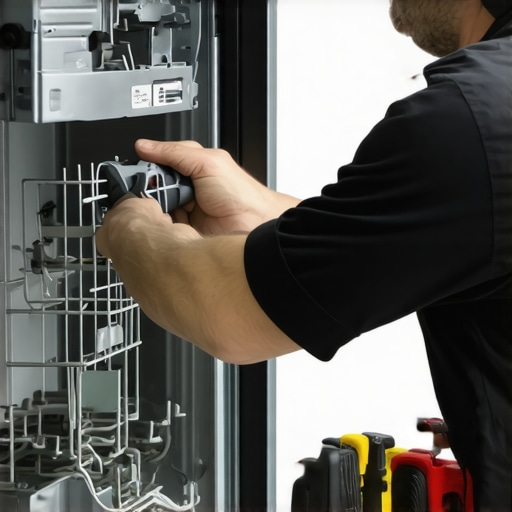 While many consumers believe they fully understand their dishwashers and smart appliances, the truth is that some common assumptions can lead to inefficient use and even damage. One widespread misconception is that all energy-saving modes significantly reduce appliance longevity or cleaning performance. In reality, as experts highlight, eco-modes often optimize for lower energy and water consumption but may compromise cleaning effectiveness if not used properly. It’s essential to understand when to activate these settings—often during lighter loads—to maximize both efficiency and appliance health. Rushing to use these modes for every cycle without considering load size or soil level can result in rewashed dishes and increased utility bills—a trap many fall into without realizing.
Another advanced nuance is the importance of firmware updates in smart appliances. Many users neglect this step, believing their devices are ‘set and forget.’ However, these updates often patch security vulnerabilities and improve functionality. According to a recent industry study, appliances that receive regular updates tend to operate more efficiently and have fewer breakdowns. Neglecting updates can also expose your home network to risks, especially considering the increasing integration of appliances with home automation systems. For example, a smart refrigerator with outdated firmware may miscommunicate with your home hub, leading to feature malfunctions.
Know these pitfalls: standard maintenance tasks like cleaning filters or inspecting seals are well-known, but advanced issues like sensor calibration can be overlooked. Miscalibrated sensors in washing machines or refrigerators can cause improper cycle selection, energy wastage, or even component stress. For example, an incorrectly calibrated humidity sensor in a smart dryer might prolong drying times, reducing efficiency. Regularly consulting the manufacturer’s guidelines or trusted expert sources, such as industry reviews, can help you identify and correct these subtleties before they cause costly repairs.
What do industry experts say about maximizing appliance lifespan and performance in a smart home setup?
Industry professionals recommend integrating routine software updates, understanding specific cycle settings, and performing advanced diagnostics when problems arise. For deeper insights into how to future-proof your home appliances, visit this comprehensive guide.
Remember, being proactive about these nuances ensures your appliances serve longer, save energy, and provide better results. Have you ever fallen into this trap? Let me know in the comments!Maintaining your smart appliances and home devices isn’t just about occasional cleaning; it involves a strategic approach with the right tools and methods to ensure long-term performance. Personally, I rely on specific equipment and software that streamline diagnostics and upkeep, saving me time and preventing costly repairs. An essential tool I use is a digital multimeter, which helps me verify electrical connections in appliances like washing machines and refrigerators, ensuring they operate safely and efficiently. Additionally, a microfiber cleaning cloth combined with a gentle, appliance-specific cleaning solution allows me to maintain filters and sealing gaskets without damaging sensitive components. To keep firmware and software up-to-date, I set reminders to check manufacturer updates periodically, understanding that firmware patches often improve performance and security—something I learned the hard way after ignoring updates caused my smart fridge to disconnect from the app repeatedly.
How do I maintain my appliances over time?
Developing a routine is key. I schedule quarterly manual inspections, including cleaning filters, checking seals, and testing electrical connections with my multimeter. Using diagnostic apps provided by brands like Samsung or LG, I can run internal tests to spot potential issues before they turn into failures. For example, my smart dishwasher’s app alerted me to a deviation in water temperature, prompting me to clean the heating element, which I couldn’t see during routine wipe-downs. These tools, combined with community forums and expert reviews, create a comprehensive maintenance ecosystem that extends appliance lifespan. Moving forward, I believe smart diagnostics embedded within appliances will become more sophisticated, enabling devices to self-report issues or even perform minor self-repairs—reducing downtime significantly. For a well-rounded troubleshooting approach, I recommend trying out professional-grade ultrasonic cleaning tools for stubborn grime, particularly on seals and filters, preventing mold and odors.
For ongoing appliance health, I also follow best practices such as leveling washing machines to prevent excess vibration and using energy-efficient settings appropriately, which experts suggest can double the life of your appliances. Regularly inspecting internal components, like door seals in refrigerators, with a flashlight and a mirror prevents small issues from escalating. If you’re interested in understanding how advanced diagnostics can revolutionize your home maintenance, check out this guide. Twist your maintenance routine by integrating tools like a comprehensive appliance tester or sensor calibration kits, which I personally use to fine-tune devices and spot calibration drifts early. I encourage you to pick one new maintenance tip today—whether it’s setting firmware update reminders or employing diagnostic apps—to ensure your appliances serve you reliably for years to come.
What I Wish I Knew About Fixing Dishwasher Doors Before It Was Too Late
The biggest lesson I learned was that a loose or falling dishwasher door often points to more subtle issues like misaligned hinges or worn-out springs—problems I initially ignored because they seemed minor. Recognizing these early signs saved me from costly repairs later on, and I wish I had started troubleshooting sooner with a more attentive eye.
Another insight was the importance of paying attention to internal components like the latch catch and door springs. They work in tandem to keep the door firmly shut, and neglecting their condition can lead to leaks or even water damage. Taking the time to inspect and replace worn parts proactively made all the difference in my kitchen’s hygiene and safety.
Finally, I realized that understanding the adjustable hinges can give you a quick fix without needing professional help. Small tweaks to hinge alignment can make your dishwasher door close flawlessly—saving time, money, and frustration. Trust me, the effort is worth it for a secure, leak-free wash experience.