
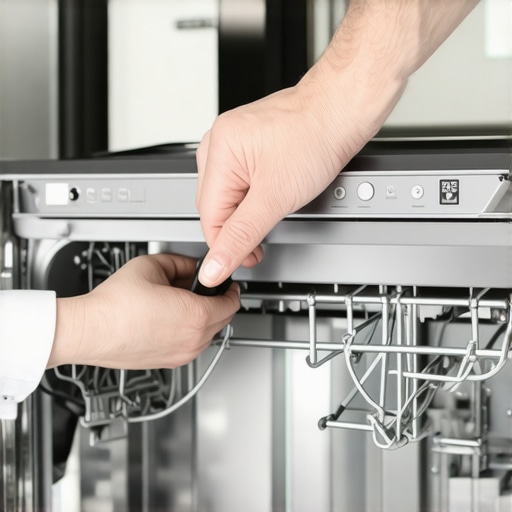
Ever had that mid-dishwashing cycle moment where suddenly your dishwasher sounds like a construction site? I can’t count how many times I’ve been caught off guard by a noisy, shaky rack—it’s like my kitchen turned into a mini rock concert unexpectedly. The worst part? It usually happened just as I was firing up the dishwasher before bed or right before guests arrived. That irritating rattling, the banging, and the wobbling made me realize something—it’s a common home appliance frustration, and surprisingly, the fix is often just a quick adjustment away.
Why Your Dishwasher Rack Rattles and How to Stop It Fast
Diswasher racks can rattle for a few reasons—sometimes it’s something simple like a misplaced or bent wheel, or a rack that’s not aligned properly. I learned early on that ignoring these little issues only leads to more noise and potential damage. The good news? Most rattling can be silenced in under two minutes, saving you time, money, and the headache of a disrupted kitchen.
Is Fixing a Rattling Rack Really That Easy?
I used to think I’d have to call in a repair tech every time my rack wobbled. Turns out, I was overlooking a simple cause—misaligned rollers or loose parts. A small mistake I made early on was not checking the wheels for debris or wear. This oversight meant I kept replacing parts unnecessarily, which could have been avoided. The key is to approach the problem calmly, identify the root cause, and take quick action. Want to learn how to exactly do that? Stay tuned, because I’m about to walk you through a straightforward, foolproof method. Plus, if you enjoy tweaking your appliances yourself, you’ll love our guide on choosing the best smart dishwasher that adapts to your home’s needs, found here: Smart Dishwasher Buying Tips. Before we dive into the step-by-step process, let me share a little trust-building fact: Regular maintenance of appliances can extend their lifespan significantly, saving you money in the long run. The same goes for quick fixes—small, smart tweaks can make a big difference.
Now, let’s get ready to silence that unruly rack and restore peace and quiet to your kitchen in just a couple of minutes.
Start by inspecting the wheels and rollers
Open your dishwasher to examine each wheel and roller supporting the rack. Look for debris like food particles or soap scum that could cause misalignment or wobbling. I remember a time when I found a small crust of hardened detergent blocking one wheel, which had been causing tremors during wash cycles. Clearing it up instantly made the rack glide smoothly again.
Next, align and secure the wheels properly
Gently lift and move each wheel into its proper position. If any rollers are bent or broken, replace them promptly. Misaligned wheels are like uneven tires on a car—they lead to wobbling and noise. Ensuring they’re aligned not only quiets the rattle but prolongs the lifespan of your rack.
Replace or tighten loose parts
Check whether any screws or clips holding the wheels are loose. Use a screwdriver to tighten them—this is similar to tightening loose bolts on a bicycle, ensuring stability. Loose attachments can cause the entire rack to wobble, leading to that annoying rattling sound.
Inspect the rack’s frame for warping or damage
Sometimes, the rack itself may be bent or warped, especially if loaded unevenly or overloaded. A warped frame causes wheels to sit unevenly, shaking the entire assembly. If damage is visible, consider replacing the rack, or consult a professional if you’re unsure.
Adjust the rack’s position for even weight distribution
Load your dishwasher evenly—place heavier items on the bottom rack and lighter on top. An uneven load can cause the rack to tilt, creating misalignment and noise. I once overloaded one side with pots and pans, which resulted in a rattling that kept me awake at night. Adjusting the load distribution made my dishwasher quiet again.
After performing these basic checks and fixes, run a short cycle to see if the rattling persists. Remember, regular maintenance like cleaning the wheels and inspecting for wear can prevent future noise issues. Want to explore more smart tips? Visit our guide on choosing the best dishwasher for your home and learn how smart appliances can make maintenance even easier.
 Many homeowners buy appliances under popular misconceptions that can lead to inefficiency and unexpected breakdowns. For instance, it’s a common belief that all detergents work equally well in dishwashers, but in reality, using a high-quality, recommended detergent can extend the lifespan of your machine and improve cleaning performance. Additionally, some assume that always running appliances at maximum capacity prolongs their life—however, overloading washing machines or refrigerators can strain components and cause premature failure. Recognizing these nuances is crucial for maximizing appliance longevity.
Another pervasive myth is that smart appliances are too complicated or costly, which deters people from upgrading their home systems. But seasoned experts highlight that smart appliances, when properly integrated, can actually reduce energy consumption and simplify maintenance. For example, smart refrigerators with adaptive cooling technology help maintain optimal freshness while saving power, a feature often overlooked. To explore how these innovations are shaping the future, visit our trend report on home appliance innovation.
Beware of the trap of neglecting regular maintenance, especially cleaning filters and coils. Manufacturers often suggest routine checkups to prevent costly repairs down the line. Ignoring this advice might be tempting to save time, but it can lead to decreased efficiency and higher energy bills. Studies show that simple maintenance routines can cut energy use by as much as 20% for some appliances, proving that small actions yield significant savings.
Ever wondered why some appliances seem to fail unexpectedly despite minimal use? This often stems from not understanding the importance of proper usage and environmental conditions. For example, placing a refrigerator in a hot garage or exposing it to direct sunlight forces the compressor to work harder, reducing its lifespan. Similarly, running a washing machine without load balance can cause vibrations and mechanical stress.
Addressing these advanced nuances can significantly improve appliance performance and durability. Remember, the key is to go beyond basic usage and understand the sophisticated features and proper care strategies. Want expert tips tailored for your specific home setup? Feel free to reach out here.
Finally, always stay informed about new technologies and best practices—regularly visiting resources like top smart appliances of 2025 helps you make smarter choices and avoid costly mistakes. Have you ever fallen into this trap? Let me know in the comments.Maintaining your home appliances such as dishwashers, refrigerators, and washing machines requires not just knowledge but also the right tools and a proactive mindset. Investing in quality equipment and adopting systematic methods can dramatically extend the lifespan and bring consistent performance to your appliances.
How do I maintain my appliances over time?
One of my go-to tools is a Digital Multimeter, which I use to regularly check electrical components like thermostats and control boards. This handy device helps me identify issues before they become major problems, saving time and repair costs. Additionally, I rely on high-quality coil brushes and microfiber cloths for cleaning condenser coils and filters; these prevent overheating and inefficiency. For smart appliances, I recommend software solutions such as maintenance reminder apps like Smartich, which integrate with your devices and send alerts for filter replacements or system updates—making proactive maintenance a breeze.
Predicting the Future of Appliance Upkeep
Looking ahead, I believe the trend is moving toward smarter, AI-assisted diagnostics integrated directly into appliances. These advancements will automate routine checks and notify homeowners of potential issues early, much like diagnostic features already present in some high-end models. Continuous software updates will further enhance appliance longevity, reducing the need for manual troubleshooting.
What else can I do to keep appliances running smoothly long-term?
Incorporating routine maintenance routines, like deep-cleaning filters and inspecting door seals, is crucial. For instance, regularly checking and replacing refrigerator door gaskets ensures an airtight seal, which in turn reduces energy consumption and frost build-up. Using specialized cleaning agents designed for specific materials—like vinegar solutions for descaling dishwashers—also makes a noticeable difference. For more on maintaining smart appliances effectively, visit our comprehensive guide here. Another expert tip I follow is to schedule biannual electrical inspections with a licensed technician, ensuring all wiring and outlets are in top shape, especially as appliances age. This not only prevents breakdowns but also mitigates safety risks. A tool I personally recommend is the Fluke T5-600 Voltage Tester, which I use to verify power supply health and troubleshoot issues quickly. You might consider trying to implement this for your appliance checks—you’ll be surprised how much peace of mind it offers. Remember, consistent maintenance and investing in reliable diagnostic tools are your best strategy for long-term appliance performance. Want to explore more high-tech solutions? Check out our top smart appliances for 2025 to future-proof your home. If you’re ever unsure about a repair step or need professional guidance, don’t hesitate to reach out through our contact page. Regularly updating your maintenance approach and tools today ensures your appliances continue working efficiently for years to come.
Unspoken Rules That Changed How I See Home Appliances
One of the biggest lightbulb moments was realizing that regular, small maintenance tasks outperform costly repairs by miles. To truly get the most out of your dishwasher or washing machine, commitment to routine upkeep is essential—like cleaning filters or inspecting seals. These little things add up to extended appliance lives and saved money.
My Favorite Tools for Keeping Appliances Happy
I swear by a digital multimeter for electrical checks and microfiber cloths for gentle cleaning—these tools empower me to do repairs confidently without calling in pros. Smart maintenance apps like Smartich have also been game-changers, reminding me of upcoming filter replacements or system updates, making maintenance proactive and hassle-free.
Envisioning Washing and Dishwashing in the Near Future
Imagine appliances with built-in AI diagnostics that alert you to issues before they escalate. The integration of machine learning and smart sensors will revolutionize how we care for our appliances, transforming maintenance from reactive to predictive. To stay ahead, keep an eye on innovative features like those in AI-powered dishwashers.
Action Begins with Small Changes Today
Don’t wait for a breakdown to take action; start incorporating routine checks, invest in quality tools, and embrace smart monitoring. Your appliances will thank you with longer lifespans and better performance. Ready to take control? Visit our ultimate guide to smart home appliances for more tips on building a resilient, efficient home setup.