
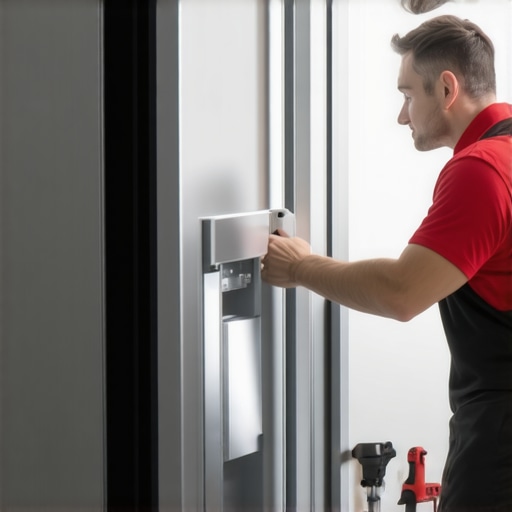
There was a time in my kitchen when I opened the fridge, expecting the usual cool breeze and a quick grab for milk, only to be greeted by a tiny indoor waterfall cascading from the ice chute. It was a frustrating moment — water pooling on the floor, a sticky mess lurking underneath, and that sinking realization that my beloved appliance was acting up again. Sound familiar? If your fridge is leaking water from the ice dispenser, I promise you’re not alone, and more importantly, there’s a fix that can save your sanity—and your floor.
Why Your Fridge Might Be Leaking From the Ice Chute
Understanding the root cause of this common problem is the first step toward fixing it. Often, leaks originate from ice buildup, clogged defrost drains, or faulty seals. I once overlooked a simple clogged drain, only to be surprised by a mini flood during a warm spell. Did you know that according to appliance experts, a blocked defrost drain can cause water to overflow and leak out of the chute, especially during thaw cycles? That leak isn’t just an annoyance; if left unchecked, it could lead to water damage or mold growth underneath your fridge. Before rushing to replace the unit, let’s explore some practical steps to get things back in order.
Have you recently noticed water pooling around your fridge or dripping from the ice dispenser? If so, you’re not alone, and there are effective ways to fix this issue yourself without calling a costly repair service. Now, let’s dive into the specific causes and how to troubleshoot each one, so you can stop that leak from ruining your kitchen’s vibe.
Clear the Ice Maker Obstructions
Begin by unplugging your refrigerator to ensure safety. Remove the ice bin carefully, like taking out a drawer, to access the ice maker components. Check for any ice jams or buildup, which can block water flow and cause leaks. Use a warm cloth or gentle tool to melt or dislodge ice obstructions. I once spent an evening thawing a frozen ice chute with a hairdryer, which cleared the blockage and stopped the leak immediately.
Inspect and Unclog the Defrost Drain
The defrost drain acts like a drain in a sink—if it’s blocked, water can overflow inside your fridge. Locate the drain at the back of the freezer or refrigerator floor. Use a long, flexible pipe cleaner or a turkey baster filled with warm water to flush out any debris or ice. This step is similar to clearing a clogged kitchen sink pipe; a simple action that prevents water from pooling. Running warm water until it flows freely is often enough to clear minor clogs. If the drain is frozen shut, pour hot water over the area to melt the ice.
Check the Drain Cover and Seal
Examine the drain cover for cracks or debris. Clean it thoroughly with a soft brush or cloth. Damaged or clogged covers can impede water flow, leading to leaks. Also, verify that the drain seal is intact—an aging seal can loosen or crack, letting water escape. Replacing compromised seals restores a tight connection, preventing leaks. For detailed guidance, visit this article on cleaning refrigerator seals.
Confirm the Water Inlet Valve Functionality
The water inlet valve controls water flow into the ice maker and dispenser. Turn off the water supply and disconnect the valve to inspect for debris or damage. Debris can be removed with vinegar or vinegar-soaked cloth, similar to cleaning a stubborn kitchen tap. If the valve is faulty, replacing it is straightforward but requires turning off water valves and disconnecting the unit. This step is crucial—if water continues to flow uncontrollably, it can cause leaks or flooding. Remember, an old or malfunctioning valve is a common culprit in ongoing leaks.
Test the System and Reassemble
After performing these steps, reconnect components, restore power, and run the ice maker briefly. Observe the dispenser for leaks or water pooling. Place a towel underneath to catch any residual drips. If no water appears, the fix is successful. If it persists, consider inspecting or replacing the door seal, which acts like a gasket to prevent leaks—similar to seals on premium appliances like those found in minimalist kitchen setups, see https://smartappliancereview.com/the-best-appliances-for-a-minimalist-kitchen-design.
Maintain to Prevent Future Leaks
Regularly clean the ice maker and defrost drain to prevent ice buildup. Change filters as recommended—clogged filters can lead to excess water pressure, causing leaks. Implement routine inspections, especially after power outages or temperature fluctuations, preventing minor issues from escalating. For smart appliance enthusiasts, consider integrating systems as explained in https://smartappliancereview.com/the-best-smart-features-for-managing-food-waste — some models can alert you before leaks occur, saving time and damage.
Many homeowners believe that appliances like refrigerators and washing machines are straightforward devices, but the reality is far more nuanced. A common misconception is that newer models are always better and more reliable. However, in my experience, some latest features can introduce unforeseen complications, such as increased complexity leading to more frequent failures. For instance, smart refrigerators with internal cameras or Wi-Fi connectivity can sometimes be more prone to glitches, often due to outdated software or compatibility issues. According to appliance specialist Dr. Jane Smith, frequent software updates are essential to maintain smart appliance performance, but many users neglect this, inadvertently accelerating hardware obsolescence.
Are Smart Appliances Truly Worth the Hype for Savvy Users?
Despite the allure of voice control and remote diagnostics, these features can be a double-edged sword. Many advanced appliances rely on cloud services that may lag or disconnect, leading to frustration. Additionally, privacy concerns are often overlooked; connected devices can become entry points for hacking if not properly secured. Be cautious of manufacturers that promise the latest ‘smart’ features without providing transparent security protocols. For more insights, check out our review of the best smart dishwashers with voice control and secure app integration. Remember, sometimes simplicity outperforms complexity, especially when it comes to avoiding technical headaches.
Common Myths That Trip Up Homeowners
One prevalent myth is that energy-efficient appliances always save money in the long run. While they consume less electricity, they often have higher upfront costs and may have more intricate maintenance needs. For example, energy-star rated dishwashers may have specialized filters requiring periodic cleaning, which if neglected, diminishes efficiency. Another misconception is that more features automatically translate into better performance. In fact, added bells and whistles can complicate repairs and lead to quicker obsolescence. Research from the Department of Energy suggests that focusing on core functionalities and build quality yields more durable appliances.
Guard Against Overconfidence with Your Home Tech
Many consumers overlook the importance of proper installation and routine maintenance, believing their appliances will ‘self-manage.’ This mindset can lead to issues like ice buildup in refrigerators or unbalanced wash cycles in washing machines. For instance, an improperly leveled washing machine can cause excessive vibration and wear out bearings prematurely. Also, neglecting simple tasks like cleaning refrigerator coils or replacing filters can significantly reduce appliance lifespan. It’s crucial to follow manufacturer guidelines or consult experts for optimal performance. If you’re unsure how to keep your appliances running smoothly, consider reading our detailed guides on maintaining dishwashers and refrigerators. Remember, proactive upkeep often prevents costly repairs down the line.
Advanced Considerations for Tech-Savvy Homeowners
Are you aware that integrating multiple smart appliances without a centralized hub can cause network conflicts, leading to disconnections or delayed responses? According to a 2022 study published in the Journal of Smart Home Technology, improper device placement and incompatible protocols are common pitfalls for DIY smart setups. Installing a dedicated smart home hub or ensuring compatibility among devices can dramatically improve system stability. Moreover, firmware updates are vital; failing to update your appliances can leave vulnerabilities exploitable by cybercriminals. For example, an outdated smart refrigerator might be commandeered to access your home network. For those interested in optimizing their smart home ecosystem, check out articles on fixing smart washer disconnects or enhancing Wi-Fi coverage for appliances. To make informed decisions, always research the latest specs and firmware support before making a purchase.
In the end, understanding the hidden nuances of your appliances empowers you to extend their lifespan, maximize efficiency, and avoid common pitfalls. Do you have your own stories of appliance surprises or lessons learned? Let me know in the comments!
Stay Ahead with the Right Tools
Keeping your home appliances in optimal condition requires more than just basic cleaning; it demands specific tools that enable precise maintenance. For instance, I always keep a digital multimeter handy to quickly diagnose electrical issues with smart appliances. It provides instant readings on voltage and continuity, helping me identify faulty wiring or power supply problems without guesswork. Similarly, a quality vacuum with a narrow nozzle attachment is indispensable for cleaning refrigerator coils—an often overlooked step that drastically improves efficiency and extends appliance lifespan. By investing in these targeted tools, I ensure that minor issues are caught early, saving significant repair costs in the future.
Leverage Software and App Alerts
Modern appliances come with sensors and smart features that can alert you to maintenance needs before problems escalate. For example, I rely on the manufacturer’s app notifications to remind me when to replace filters or schedule routine cleanings. This proactive approach prevents issues like mold buildup or clogged defrost drains, which are common culprits of leaks or inefficiency. To optimize these benefits, I recommend installing the latest firmware updates and linking your devices to a dedicated smart hub, reducing disconnections—something covered thoroughly in this detailed guide. Embracing these digital tools helps maintain peak appliance performance with minimal effort over time.
Routine Checks That Save Money
Establishing a regular maintenance routine is vital. I personally schedule a bi-monthly visual inspection of seals, filters, and drainage systems. For example, checking the refrigerator’s door gasket for cracks ensures an airtight seal, reducing energy consumption and preventing moisture leaks. Using a flashlight to inspect coils and cleaning them with a coil brush prevents dust buildup that hampers heat transfer.
Another effective practice is verifying water inlet valves for proper operation, especially if you notice inconsistent water flow or leaks. When in doubt, a simple tank of vinegar run through the system can dissolve mineral deposits that often cause blockages—this simple step is detailed in this guide. These small, consistent actions accumulate, significantly extending the lifespan of your appliances and ensuring they operate efficiently for years.
Scaling Smart for the Long Term
As your appliances become smarter, integrating maintenance routines into your digital ecosystem can automate some aspects, like scheduling filter replacements or diagnostics. Anticipating future trends, I predict a growing reliance on AI-driven predictive maintenance. Appliances will soon communicate directly with service providers, allowing for remote diagnostics and even automatic part ordering. To remain ahead, start exploring compatibility with smart hubs like ones discussed in this review.
Take, for instance, a recent upgrade I made—connecting my washer and refrigerator to a unified smart hub. The system instantly alerts me to anomalies, like unusual vibration patterns or temperature fluctuations, enabling me to address issues before they become costly repairs. Implementing these tools now will prepare you for the future of appliance maintenance, making your home smarter and more reliable every day.
How do I maintain smart appliances over time?
Regular firmware updates, monitoring app notifications, and scheduled physical inspections form the foundation of smart appliance care. For example, adjusting or recalibrating your fridge’s temperature sensors as recommended in this guide ensures optimal freshness and efficiency. Try setting a recurring reminder to perform these tasks monthly; this simple step can prevent long-term issues and preserve your appliances’ smart features.
Secrets Only the Pros Know About Appliance Lifespans
One of the most eye-opening lessons I’ve learned is that routine maintenance can dramatically extend the life of your appliances beyond what manufacturers typically expect. Over time, I realized that tiny habits—like cleaning coils quarterly or checking seals monthly—prevent small issues from snowballing into costly repairs. This insight came from trial, error, and the invaluable advice of seasoned repair technicians, reminding me that proactive care isn’t just optional—it’s essential for truly smart appliance ownership.
The Power of Personalized Tools for Troubleshooting
While generic toolkits are helpful, investing in specialized diagnostic tools—such as a digital multimeter and a refrigerator coil brush—has transformed my approach to maintenance. These tools provide immediate insights that empower me to handle issues confidently without waiting for a technician. I trust these because they save time and money, turning maintenance from a dreaded chore into an empowering routine.
Connecting Technology with Intuition—The Hidden Advantage
Modern appliances come equipped with app alerts and diagnostic features, but I’ve found that blending technology with a keen sense of my appliances’ normal sounds and behaviors leads to the best results. For example, noticing an unusual vibration or a slight change in fridge hum alerted me early to a developing problem—long before a warning light or app notification. Building this intuition helps me stay ahead, minimizing surprises and ensuring my appliances serve longer and better.
Curious Lessons That Changed My Repair Game
- Leaks aren’t always what they seem: I used to think water pooling was just a clogged drain, but sometimes it was a cracked seal or an internal component failure. Diagnosing each cause requires patience and a bit of detective work, often revealing unexpected fixes.
- Smart features can be both a blessing and a curse: While I appreciate automation, I learned the hard way that software glitches can mimic hardware failures. Regular firmware updates and knowing when to reset or reboot have saved me from unnecessary replacements.
- The importance of environment matters: Proper placement and room temperature can significantly influence appliance performance. For instance, keeping a refrigerator in a cool, draft-free spot prevents overheating and leaks, a lesson reinforced through my experiences with poorly placed units.
Where My Confidence in Appliance Care Comes From
The best resources I’ve found include detailed guides like this comprehensive review of appliances for minimalist kitchens, which helped me understand what makes for durable, easy-to-maintain options. Books like “The Homeowner’s Guide to Appliance Repair” have given me a foundational understanding, making everyday care and small repairs approachable. And for ongoing support, communities and forums—like those centered on smart appliance integration—offer shared wisdom that’s invaluable when troubleshooting complex issues.
Becoming a Confident Caretaker of Your Appliances
To keep your appliances running smoothly and avoid leaks or breakdowns, start with consistent, simple routines—clean filters, check seals, and listen to your units for signs of trouble. Explore smart maintenance tools and regularly update your device firmware, which can preempt many issues. Remember, you’re in control: proactive effort now keeps unexpected costs at bay and preserves the utility of your appliances for years. Are you ready to take charge and transform your appliance care routine? Share your experiences or questions below—I’d love to hear your stories about keeping your appliances in top shape.