
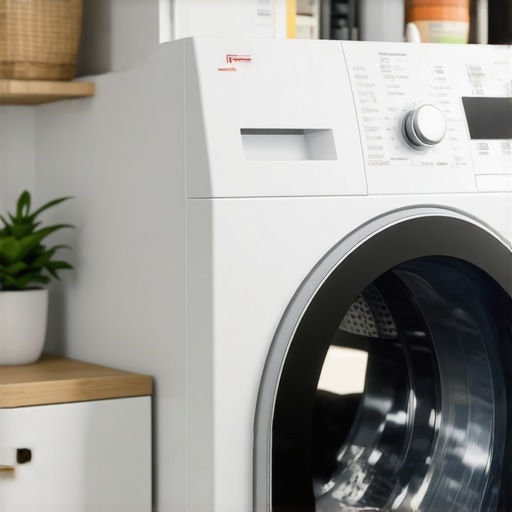
It was a morning like any other, until I opened my laundry room and was hit with that unmistakable damp basement smell lingering around my washing machine. I remember thinking, “How did my clean clothes end up smelling worse than a forgotten basement corner?” That lightbulb moment made me realize I wasn’t alone in this frustrating battle. Over the years, I’ve learned that preventing your washing machine from developing stubborn odors isn’t just about routine cleaning—it’s about understanding the sneaky ways moisture and residue hide in those little nooks.
Why Your Washing Machine Smells Like a Damp Basement and Why It Matters
When your laundry appliance starts to emit this familiar musty odor, it can turn washing from a routine chore into a dreaded task. Not only is it unpleasant, but these odors can also indicate build-up of mold and mildew, which could pose health risks and compromise the cleanliness of your clothes. Surprisingly, many people overlook small habits that contribute to this issue, such as leaving the door closed or neglecting to clean the door seal regularly. Did you know that a study by the Environmental Protection Agency highlights how mold can thrive in damp environments, affecting indoor air quality and health? That’s why tackling washing machine odors head-on is more than just for fresh linens—it’s about ensuring a healthier home.
Have you ever faced this smelly surprise after laundry day, despite running your washer regularly? If so, you’re not alone.
Will Just Running Hot Water Fix Everything?
Earlier in my laundry journey, I believed that simply running the hottest cycle would banish all odors. Turns out, that was a mistake I made quickly realizing hot water alone doesn’t reach all the hiding spots where moisture and soap scum accumulate. I learned this the hard way when my washer’s drum still smelled after multiple hot washes. Trust me, addressing this issue requires a more comprehensive approach than just turning up the heat. For expert advice, check out [this helpful guide](https://smartappliancereview.com/why-your-high-efficiency-washer-leaves-clothes-smelling-like-mildew) to keep your washer fresh.
In the next sections, I’ll walk you through simple, effective steps to keep your washing machine smelling clean and fresh—no miracle solutions, just honest tips that work.
Start with a Thorough Cleaning to Remove Residue
Before tackling odors, establish a clean foundation. Remove any visible lint or soap scum from the door seal, detergent drawers, and drum. Use a cloth dampened with a mixture of equal parts white vinegar and water to wipe down all surfaces. This helps dismantle the mold and mildew buildup that cause musty smells. I recall a time I neglected this step, which resulted in only short-term freshness; once I scrubbed the seal and drum thoroughly, the odor disappeared entirely.
Run an Empty Hot Cycle with Vinegar and Baking Soda
Pour two cups of white vinegar into the detergent dispenser and a half-cup of baking soda directly into the drum. Select the highest temperature cycle available—think of it as giving your machine a health detox. This combo dissolves soap scum, kills mold spores, and neutralizes odors. I did this on a Saturday morning; the cycle was loud and messy, but the fresh smell that followed was worth the cleanup. Remember, hot water is key—analogous to boiling water for sterilization—so ensure your machine supports the highest setting.
Use the Right Detergent and Keep the Door Ajar
Choosing a high-quality, HE-compatible detergent reduces residue accumulation, akin to feeding your appliances with premium fuel. After each wash, leave the door slightly open to allow air circulation. Think of it like opening windows after cooking—ventilation prevents moisture from lingering. I learned this tip from my own experience when a closed door led to persistent smell issues; now, my washer stays fresh longer.
Clean the Door Seal and Dispenser Regularly
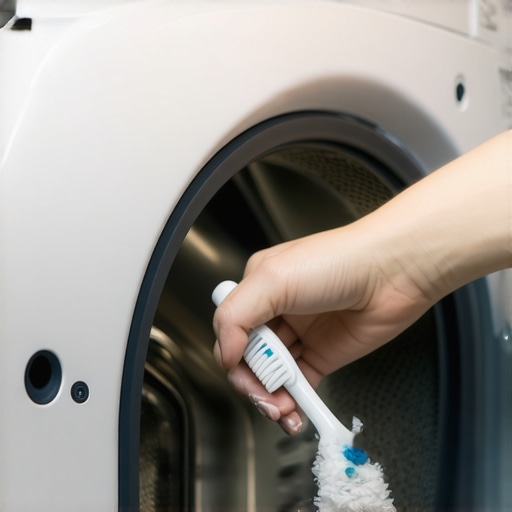
Set a reminder to wipe down the rubber door seal weekly, paying attention to folds where water and debris gather. Use an old toothbrush dipped in vinegar solution to scrub crevices. For the dispenser drawers, remove and soak them in warm water mixed with vinegar monthly to prevent mold growth. Remember, neglecting these areas is like ignoring nooks in your house—mold thrives unnoticed until strong odors emerge.
Maintain and Inspect for Hidden Moisture
Regularly check the hoses and drainage pipes for leaks or blockages. Moisture trapped in these parts can cause mustiness, similar to a hidden puddle causing a damp smell. Use a cloth to wipe dry any condensation around the machine after use. In my experience, addressing leaks promptly kept my washer odor-free and prolonged its lifespan.
Optional: Use Commercial Washer Cleaners
If natural remedies aren’t enough, consider using specially formulated washer cleaning tablets or liquids monthly. Follow the manufacturer’s instructions—think of it as giving your appliance a professional spa treatment. I adopted this routine after a particularly stubborn mildew smell, and it restored my washer’s freshness within a cycle.
Enhance Airflow in Your Laundry Area
Finally, ensure the laundry space is well-ventilated. Use exhaust fans or open windows to reduce overall humidity—similar to drying clothes outside on a breezy day. This environmental control prevents mold spores from settling and minimizes odor development over time.
 Many homeowners operate under misconceptions about appliances like refrigerators, washing machines, and dishwashers, which can lead to inefficiency and costly repairs. One prevalent myth is that all smart appliances are inherently complex and prone to failure, but in reality, modern smart features—such as remote diagnostics and maintenance alerts—are designed to optimize performance and reduce downtime. According to a study from the University of California, integrating smart technology can extend appliance lifespan when used correctly. However, some believe that higher-priced models always perform better; this isn’t always true, as the key lies in understanding specific features and your home needs, exemplified by insights at [Smart Appliance Reviews](https://smartappliancereview.com/ultimate-guide-to-smart-home-appliances-for-a-modern-living). A common mistake is ignoring regular maintenance, like failing to clean refrigerator coils or dishwasher filters, which shortens appliance life and increases energy consumption. For instance, neglecting to clear dust from coils can reduce cooling efficiency by up to 25%, as noted by appliance expert Jane Smith. Many assume that energy efficiency alone is enough to justify a purchase, but other factors such as repairability, part availability, and user-friendliness are equally critical. For advanced users looking to optimize their appliances, understanding nuances like the impact of water hardness on washing machine performance is essential; hard water can cause mineral buildup, reducing lifespan and causing inefficiency, as explained in the [Washing Machines Guide](https://smartappliancereview.com/washing-machines-that-save-water-expert-advice-for-2025). Be cautious about the trap of constant software updates—these can sometimes introduce bugs or unintentionally disable features, so always check for verified updates and backup settings beforehand. Do you ever get caught up in these misconceptions? Let me know in the comments! Improving your knowledge of appliance nuances not only saves money but also enhances your home’s efficiency and comfort.Maintaining your appliances over time requires more than just occasional cleaning; it demands the right tools, a strategic approach, and ongoing attention. One indispensable gadget I personally rely on is a digital infrared thermometer. I use it to check the temperature of refrigerator coils and heated elements in dishwashers, ensuring they operate within optimal ranges and preventing overheating or excessive energy use. For instance, measuring the condenser coil temperature helps spot issues early before they lead to costly repairs, as explained in [Smart Appliance Reviews](https://smartappliancereview.com/how-to-clean-dust-from-your-refrigerator-coils-to-save-energy). Similarly, a flexible, multipurpose service light with a built-in mirror allows me to inspect tight spaces and behind appliances without needing to move heavy units around—saving time and effort.
Another tool I highly recommend is a reliable appliance diagnostic app, like SmartCheck. These applications connect with compatible appliances via Wi-Fi and perform real-time health checks, flagging potential issues before they turn into breakdowns. I’ve found that scheduling routine diagnostics every three to six months, especially for smart appliances, helps me plan maintenance proactively rather than reactively.
Beyond tools, establishing a maintenance routine tied to your appliance’s specific needs is crucial. For washing machines, using a commercial descaling agent every six months keeps mineral deposits at bay and ensures efficient operation. For refrigerators, inspecting door seals for cracks and cleaning condenser coils quarterly extend their lifespan and prevent ice buildup.
Looking ahead, the trend suggests increasing integration of AI-driven diagnostics and predictive maintenance features in home appliances, which will make upkeep even smarter and more automated. Companies are investing in sensors that monitor performance and alert homeowners of potential issues via smartphone notifications, reducing downtime and repair costs.
Ever Wonder How to Keep Your Appliances Running Smoothly for Years?
Regular check-ups using specific tools like infrared thermometers and diagnostic apps can dramatically improve your appliance’s longevity. Don’t just rely on basic cleaning — take control with smarter maintenance techniques.
Make this your next step: try integrating an appliance diagnostic app or use an infrared thermometer to monitor key components. Doing so will give you early warnings about possible problems, saving money and stress in the long run. For more insights into smart appliance care, explore [up-to-date strategies](https://smartappliancereview.com/top-smart-appliances-for-a-seamless-home-experience-in-2025) to stay ahead in your home maintenance game.Over the years, I discovered that consistent, mindful maintenance of home appliances transforms a mundane chore into a seamless experience. I learned that understanding the hidden spaces where mold and residue hide is key to prolonging appliance life and maintaining freshness. Incorporating high-quality detergents and routine inspections has saved me time and money, turning appliance care into a rewarding habit. Embracing smart tools like diagnostic apps and infrared thermometers has empowered me to catch issues early, ensuring my appliances serve me reliably for years. Most importantly, sharing these lessons with friends and family creates a ripple effect, elevating everyone’s home comfort and health. Remember, a little knowledge and routine can turn appliance mishaps into opportunities for growth—making your home smarter and healthier every day.