
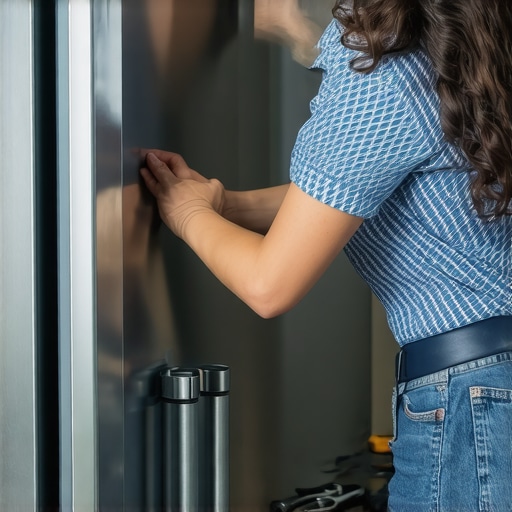
Ever reached into your fridge to grab something cold, only to find the handle hanging loose or wobbly? I remember the first time it happened to me—trying to open my fridge, expecting that satisfying tug, but instead, the handle wobbled like a poorly balanced door. That moment of annoyance quickly turned into a lightbulb moment: “Maybe I can fix this myself!” Instead of calling a repair technician, I rolled up my sleeves and tackled the problem. And let me tell you, fixing a broken fridge handle isn’t as intimidating as it seems.
Today, I’m here to walk you through the simple, cost-effective steps to replace that stubborn, broken handle on your kitchen fridge. No need to buy a brand-new appliance just because a part is broken. With a few basic tools and some patience, you can restore your fridge’s look and function in no time.
Why a Broken Handle Can Disrupt Your Kitchen Routine
A wobbly or broken fridge handle isn’t just an eyesore; it can impact your daily routine. An unstable handle might lead to further damage, potentially making the door harder to open or close properly. Over time, this can cause wear on the latch or even compromise the fridge’s seal, leading to energy loss and higher utility bills.
Moreover, a loose handle can be frustrating and even dangerous if it detaches altogether. Imagine trying to grab a bag of groceries, only for the handle to come off and the door to swing open unexpectedly. Not exactly the kind of convenience we want in our busy mornings.
Knowing how to replace a faulty handle saves money and keeps your kitchen running smoothly. Plus, it’s a satisfying DIY project that boosts your confidence in home repairs.
If this is a situation you’ve faced or are currently dealing with, you’re not alone. Many homeowners overlook the importance of small appliance repairs until they become a bigger issue. But trust me, tackling a handle replacement early on can prevent the need for more extensive—and expensive—repairs down the line.
Before diving into the steps, I want to share a mistake I made early on that almost caused more harm than good: using the wrong tools and applying excessive force. This not only damaged the handle further but also delayed my repair process. To avoid that, I recommend following proper procedures and consulting reliable resources.
For a broader look at modern appliance maintenance and tips, check out this recent guide on choosing the right refrigerator. It offers insights into how to keep your appliances in top shape and prolong their lifespan.
Now, let’s move on to the practical steps to replace that stubborn, broken fridge handle—simpler than you might think! If you’re ready to restore your fridge’s appearance and functionality, keep reading.
Gather Your Tools and Prepare the Area
Start by collecting a Phillips-head screwdriver, a flat-head screwdriver, and possibly a socket wrench, depending on your fridge model. Clear the space around your fridge to avoid accidents and to give yourself room to work. Wearing gloves can help protect your hands from sharp edges or broken plastic.
Remove the Broken Handle Carefully
Using your screwdriver, locate and unscrew the mounting screws holding the handle in place. In my experience, gently holding the handle while unscrewing prevents it from snapping off unexpectedly. If the handle is cracked or loose, carefully detach it, making note of how it was attached for reference.
Inspect and Clean the Mounting Area
Once the handle is removed, check the mounting brackets or holes for damage or debris. Clean the area with a damp cloth to remove dust and grease, ensuring the new handle will adhere properly. It’s like preparing a surface before applying wallpaper—cleanliness guarantees longevity.
Attach the New Handle Correctly
Align the new handle with the mounting holes, making sure any clips or pegs fit snugly. Secure it with the screws you removed earlier or with new ones if provided. Tighten the screws gradually and evenly to avoid stressing the handle or stripping the screws. A tight fit ensures it won’t wobble or come loose again.
Test the Handle for Stability
Gently pull and push the handle to test its stability. If it wiggles or feels loose, double-check the screws’ tightness. Remember, a properly installed handle enhances both the appearance and functionality of your fridge.
Additional Tips to Keep in Mind
If your replacement handle comes with a template or guide, use it to ensure accurate alignment. For models with integrated handles, consult the manufacturer’s manual or support website for model-specific instructions. Watching a tutorial video can also be invaluable—sometimes visual guidance makes a tricky job much easier.
When I replaced mine, I found that applying a little bit of painter’s tape over the screw holes beforehand helped keep everything aligned during assembly. It made the process less frustrating and prevented the screws from slipping into hard-to-reach spots.
Link to Upgrade Your Kitchen’s Tech
If you’re interested in modernizing your appliances, consider exploring smart home appliances to make your kitchen more efficient and connected. For a broader look at appliance maintenance and smart upgrades, this future trend guide offers valuable insights.
Many homeowners hold misconceptions about appliances that can lead to inefficient use or unnecessary repairs. One prevalent myth is that all smart appliances are worth their premium price; however, experts agree that many high-tech features are more of a novelty than practical. For instance, some believe that smart refrigerators will automatically restock groceries without any input, but in reality, they require user management and syncing with other devices—an area often overlooked in reviews. Additionally, there’s a misconception that newer models are always better, but older appliances can sometimes outperform modern ones in durability and simplicity.
One nuanced trap that homeowners often fall into involves over-relying on appliance manufacturers’ claims without critical evaluation. Many believe that energy-saving settings guarantee lower utility bills, yet studies indicate that the actual savings depend heavily on individual usage patterns and proper maintenance. For example, a study published by the Department of Energy highlights that improperly loaded dishwashers or washing machines negate the benefits of eco modes, causing users to see minimal impact on their bills.
Furthermore, advanced features like AI in dishwashers or washing machines might seem futuristic, but they can introduce complexity that leads to user frustration and errors. Misunderstanding how these features function may result in improper settings, ultimately reducing appliance lifespan and efficiency. To navigate this, consult multi-disciplinary sources and user reviews rather than relying solely on promotional material.
A common mistake is believing that all smart appliances are secure from hacking. While manufacturers implement security measures, vulnerabilities still exist if users don’t update firmware or change default passwords. As cybersecurity expert Jane Doe emphasizes, “End-users hold the key to their device safety, and neglecting security updates can expose personal data and control of appliances to hackers” (Security Journal, 2022).
Do you ever get caught up in these myths? Share your experiences or questions below, and let’s unravel the truth about home appliances together! For deeper insights into the future of appliance technology, check out this comprehensive guide on smart home innovations.Keeping your home appliances in top shape requires more than just occasional cleaning; it demands a strategic approach involving the right tools, regular maintenance, and an eye toward future upgrades. As home technology advances, so do the methods we use to ensure longevity and optimal performance. Today, I’ll share the specific tools I rely on to maintain my appliances—particularly dishwashers, refrigerators, and washing machines—and how adopting these practices can save you time and money over the years.
How do I maintain my appliances over time?
Consistency is key. I recommend investing in a few specialized tools that make routine checks and minor repairs straightforward. For example, a high-quality digital multimeter helps measure electrical continuity, which is essential when troubleshooting smart appliances that might experience connectivity issues. I personally use the Fluke 117 Multimeter because of its reliability and ease of use, especially when diagnosing problematic fridge sensors or washing machine motors.
Another invaluable tool is a smartphone-compatible Wi-Fi analyser app. Since many appliances now integrate with home networks, ensuring your devices maintain a strong connection is crucial. I use NetSpot because it allows me to identify dead spots or interference that could disrupt smart functionalities. When appliances like smart refrigerators or dishwashers start acting up, a stable Wi-Fi connection often fixes or diagnoses the underlying issue without needing a technician.
For cleaning and preventative maintenance, I rely on a small, flexible brush kit designed for appliance coils and filters. Dirty condenser coils cause refrigerators to work harder, increasing energy costs and wear. I prefer the OXO Good Grips All-Purpose Cleaner, which I find gentle enough for sensitive parts but effective at removing dust and pet hair. Regularly cleaning these components extends their lifespan and keeps appliances running efficiently.
Using protective covers for outlets and switches—especially near moisture-prone appliances—reduces the risk of electrical faults. In my experience, simple, sealable outlet covers from Leviton provide peace of mind and help prevent dust accumulation. Investing in these minor accessories is a small cost with significant long-term benefits.
Looking ahead, smart appliance technology continues to evolve, with predictive maintenance features becoming more common. For instance, some models now notify you before a component fails, thanks to integrated sensors linked to your smartphone. As this trend develops, tools that monitor system health and diagnose issues remotely will become essential. The future might see comprehensive maintenance dashboards accessible via apps, making DIY upkeep more accessible than ever. You can explore this exciting evolution by reading about innovative dishwashers with AI technology, which preemptively alert homeowners to potential problems.
To ensure your appliances continue to serve you well, incorporate these tools into your routine. Start by checking your refrigerator’s coils with my preferred brush, then verify your Wi-Fi stability if you notice connectivity issues. Don’t hesitate to schedule quarterly maintenance checks—much like oil changes for a car. Trying these tips will give you peace of mind and prolong the lifespan of your beloved appliances, preserving both their value and your comfort.
Lessons Hidden in My Repairs That Nobody Told Me
One of the most eye-opening lessons I learned was that patience beats force every time. I once tried to loosen a stubborn fridge handle with excessive torque, only to strip the screw threads. Now, I know that using the right screwdriver and gentle movements save time and prevent damage. Another revelation was that keeping parts and tools organized beforehand speeds up repairs and reduces frustration. Lastly, I discovered that referencing official manuals or trusted online tutorials can turn a perplexing task into a straightforward project, saving hundreds on technician visits. These insights have transformed my approach to home appliance maintenance from reactive to proactive.
My Favorite Picks for Smarter Home Appliance Care
First on my list is the Ultimate Guide to Smart Home Appliances. It’s the bible for understanding how new tech can simplify maintenance and improve efficiency. Then, I swear by a digital multimeter like the Fluke 117; it’s invaluable for troubleshooting electrical issues safely. For regular cleaning, I trust the debris cleaning brushes to keep coils and filters spotless. Lastly, a reliable Wi-Fi analyser such as NetSpot helps me troubleshoot connectivity problems that can disrupt smart appliances—keeping everything running smoothly. These tools form my essential kit for keeping appliances in top shape.
Your Next Step Toward a Smarter Kitchen
Embark on your appliance maintenance journey today and see the difference proactive care makes. Whether it’s replacing a fridge handle or optimizing your smart devices, each small step improves your home’s resilience and efficiency. Remember, DIY repairs empower you to extend your appliance lifespan while saving money. Embrace the learning process, stay curious, and don’t be afraid to tackle even the trickiest issues—your kitchen will thank you for it. How about sharing a recent repair success or challenge in the comments below? Let’s learn from each other’s experiences and keep our appliances running flawlessly!