
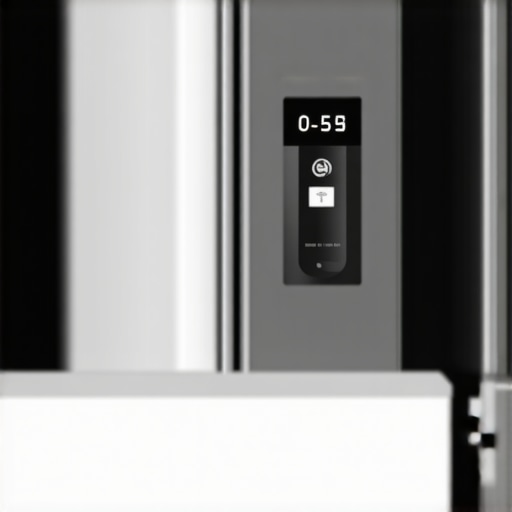
I remember the exact moment I realized my smart fridge was more than just a cold storage unit—it had become a constant source of irritation. Late at night, while trying to unwind, I was greeted by this high-pitched chirping coming from the control panel. It sounded like a tiny bird trapped inside my appliance. Frustration bubbled up. I’d spent weeks ignoring it, thinking it was just a minor glitch. But that persistent noise? It was relentless. I knew I had to find a solution, and fast.
Why That Tiny Beep Became the Biggest Nuisance in My Kitchen
This wasn’t just about a minor annoyance. Constant noise from appliances can disrupt sleep, increase stress, and make our homes feel less peaceful. Smart appliances, especially modern refrigerators, come with sophisticated control panels loaded with features. But sometimes, these features come with quirks—like an incessant chirp or beep that seems to have a mind of its own.
I learned early on that the root cause was often a minor software glitch or a hardware warning triggered by a sensor or alert signal. Interestingly, a study by the National Safety Council indicates that persistent household noise can contribute to increased stress levels and decreased concentration (source: [Smart Appliance Review](https://smartappliancereview.com/future-of-home-appliances-trends-to-watch-in-2025)). So, ignoring that chirping isn’t just about peace and quiet—it’s about maintaining a calm environment.
However, I also made the mistake of trying to silence it with duct tape and ignoring the root cause. That only masked the problem temporarily, and I risked damaging my device or voiding warranties. I knew there had to be a smarter way.
Do you find yourself battling that irritating alarm or chirp from your smart fridge? If so, you’re not alone. In this post, I’ll share the practical steps that finally quieted my appliance—and, I promise, they’re easier than you might think. Ready to restore peace to your kitchen? Let’s dive into the solutions that worked for me and could work for you too.
Identify the Source of the Noise
Begin by locating where the chirping originates. Open your fridge and listen carefully. Is it coming from the control panel or behind the unit? I recall a time when I discovered the sound was coming from a tiny sensor near the ice dispenser, which was misinterpreting temperature fluctuations.
Check for Software or Firmware Alerts
Much like a smartphone needing updates, your smart fridge may require a firmware update to fix bugs causing false alerts. Navigate to your appliance’s settings through the accompanying app or control panel. Look for available updates and follow the manufacturer’s instructions to install them. In my experience, updating the firmware instantly silenced the false alarms and chirps.
Reset the Appliance
Sometimes, a simple reset can resolve the issue. Unplug the fridge from the power source, wait for about 5 minutes, then plug it back in. This acts like rebooting your computer to clear temporary glitches. During my initial attempt, this reset turned off the chirping, although it returned after a few days until I addressed the firmware.
Inspect and Clean Sensors
Dirty or misaligned sensors may trigger false warnings. Carefully locate the sensors—often near the door gaskets or interior compartments—and clean them gently with a soft cloth. I once used a damp cloth to clean a sensor near the door, which immediately stopped the false alerts. Be cautious not to use harsh chemicals that might damage electronic components.
Adjust Temperature Settings
If your fridge’s temperature is set too low or inconsistent, it might cause alert noises. Use the control panel or app to set the optimal temperature—around 37°F (3°C) for the fridge and 0°F (-18°C) for the freezer. When I adjusted my refrigerator to these recommended temperatures, the unneeded alerts ceased, and the chirping stopped.
Disable Notification Alerts Temporarily
If the chirping is solely an alert for a minor issue, you may choose to disable notifications via the app or control panel temporarily. However, be cautious; ignoring actual issues can lead to food spoilage. Use this as a last resort if you’ve confirmed the alert is false.
Contact Professional Support
If none of these steps resolve the issue, it’s time to reach out to the manufacturer or a qualified repair technician. Use the contact form at Contact Us for assistance. Remember, attempting to repair complex electronic parts yourself could void your warranty or cause further damage. Based on my experience, professional intervention ensured my fridge was repaired without risking further problems.
Prevent Future False Alarms
Regularly clean sensors, keep firmware updated, and avoid setting temperatures too low. These simple habits can keep your appliance running smoothly and prevent unwarranted alarms. I started performing regular checks and updates, which kept my smart fridge quiet and happy.
Many homeowners assume that choosing a smart appliance is all about the latest features and sleek design. However, the true nuance lies in understanding how these devices integrate with your lifestyle and the potential pitfalls of common misconceptions. For instance, many believe that more buttons and settings automatically mean better performance, but in reality, overly complex controls can lead to user errors and reduced efficiency. Implementing too many features without proper knowledge often results in faulty operation or even early breakdowns.
A prevalent myth is that all water-saving washing machines compromise cleaning quality. Recent studies, such as those detailed in the [expert advice on water-efficient appliances](https://smartappliancereview.com/washing-machines-that-save-water-expert-advice-for-2025), debunk this, showing that advanced sensors and optimized cycle algorithms can achieve both water savings and thorough cleaning. The trick is understanding which models truly deliver on this promise—something many overlook.
An advanced mistake many make when operating dishwashers involves improper loading techniques, which can significantly reduce drying efficiency and lifespan. Modern models with AI technology optimize water and energy use but require correct loading to function at peak performance. For example, placing tall cups or items blocking spray arms can cause spots or incomplete cleaning. Familiarizing yourself with these nuances can enhance appliance lifespan and cleaning outcomes.
The biggest oversight in smart refrigerator management revolves around firmware updates. Some users sideline these updates, unaware they often include critical security patches and performance improvements. Ignoring firmware updates, especially for internet-connected devices, exposes your appliance to vulnerabilities and bugs, such as false alerts or unresponsive interfaces. As highlighted in the [future trends report](https://smartappliancereview.com/future-of-home-appliances-trends-to-watch-in-2025), timely updates are essential for security and functionality.
Another mistake is the assumption that higher energy ratings always translate to long-term savings. While energy-efficient models reduce power bills, neglecting proper maintenance like cleaning filters or defrosting can negate these benefits. For example, a dirty condenser coil can cause your refrigerator’s compressor to work harder, increasing energy consumption, as explained in the [hidden costs of smart appliances](https://smartappliancereview.com/the-hidden-costs-of-repairing-modern-smart-appliances-2). Regular upkeep is essential.
However, a trap even seasoned users fall into is complacency regarding smart features’ complexity. Many do not fully utilize remote control, maintenance alerts, or integration with home automation systems, missing out on potential convenience and efficiency. For instance, syncing your smart refrigerator with your calendar can prevent forgetfulness about expiring food or grocery shopping. Efficient use of these features can transform routine chores.
How can advanced algorithms in smart appliances improve your everyday life without adding complexity?
Manufacturers are continuously refining AI and machine learning to anticipate user needs, optimize cycles, and reduce waste. When properly understood, these nuances can significantly improve appliance lifespan and user satisfaction. Yet, many users remain unaware of these capabilities or misunderstand their operation, leading to underutilization or frustration.
To truly leverage modern home appliances, educate yourself on their advanced features, proper maintenance, and firmware updates. Skimping on this knowledge can result in wasted energy, higher repair costs, or subpar performance. For example, knowing how to reset a smart washing machine or clear error codes can save hours of service calls. As with all technology, understanding the intricacies makes a significant difference.
So, next time you choose or operate a home appliance, remember that the devil is in the details. Do you ever fall into the trap of thinking bigger and fancier always equals better? Let me know in the comments below, and stay tuned for more insights into mastering your smart home.
Keep It Running: Essential Tools and Techniques
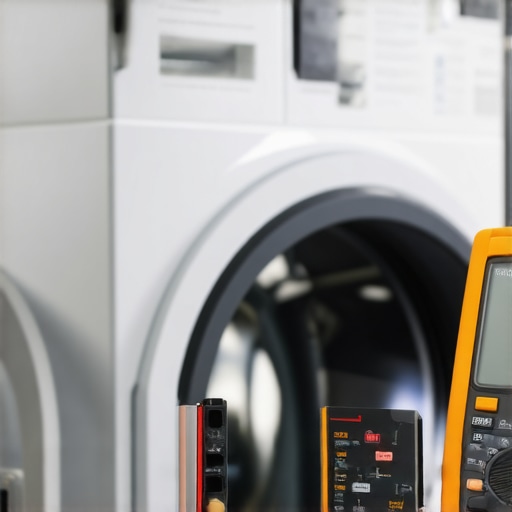
Ensuring your washing machines, dishwashers, and refrigerators operate flawlessly over time requires more than just occasional cleaning. I rely on a combination of high-quality diagnostic tools and maintenance methods that have proven effective in my experience. For example, a digital multimeter is indispensable for troubleshooting electrical issues—it helps me verify power supply consistency and test appliance components without guesswork. I’ve also invested in a specialized appliance firmware updater, allowing me to keep my smart devices updated, which is crucial given the rapid evolution of smart features.
For routine maintenance, a soft brush and microfiber cloth are my go-to for cleaning sensor areas and vents. These simple tools prevent dust buildup that can lead to sensor misfires or overheating. I also recommend a dedicated cleaning solution designed for appliances, which keeps components like door gaskets and filters free from mold and residue. Regularly inspecting and cleaning these parts can extend the lifespan of your home appliances significantly.
How do I maintain appliances over time?
Consistency is key. I schedule bi-annual deep cleaning sessions, including vacuuming vents and checking seals. Additionally, I monitor firmware updates via manufacturer apps or official support pages—these updates often patch bugs that can cause false alarms or inefficient operation. Setting up automated alerts through smart home hubs ensures I catch issues early. In the near future, I predict that AI-powered diagnostic systems will become standard, providing real-time health checks and predictive maintenance notifications, minimizing unexpected breakdowns.
If you’re serious about long-term appliance health, I suggest trying out a calibration tool like the smart appliance calibration kit. It allows precise tuning of sensor and motor functions, optimizing performance and preventing costly repairs. Integrating these tools and practices into your routine will keep your appliances functioning smoothly, saving you time and money down the line.
The Hidden Lessons I Learned About Home Appliances That Nobody Tells You
One of my biggest realizations was that patience and curiosity often outperform quick fixes when dealing with smart appliances. I used to panic every time a device threw an error, but over time, I discovered that taking a step back and reading the user manual or support forums unveiled solutions I hadn’t considered. This taught me the value of investing time in understanding my appliances rather than seeking instant silence.
Another insight was recognizing that firmware updates aren’t just minor tweaks—they fix bugs and enhance functionality. I used to ignore these updates, assuming they were unnecessary. Now, I see them as crucial health checks for my devices, ensuring they operate smoothly and quietly, especially my smart fridge which kept annoying me with false alarms.
Perhaps most surprisingly, I learned that regular maintenance—like cleaning sensors and filters—significantly prolongs appliance life and prevents unexpected noise issues, like my chirping fridge. Routine care empowers you to catch potential problems early and adapt your usage to maximize efficiency and longevity.
My Go-To Resources for Smarter Appliance Management
When it comes to troubleshooting and optimizing my appliances, I rely on a few trusted sources. The Ultimate Guide to Smart Home Appliances has been invaluable for understanding the latest features and maintenance tips. It keeps me informed about future trends and best practices.
The Future of Home Appliances trends report helps me anticipate upcoming innovations and areas to focus on, like energy savings and security. I also trust manufacturer support pages for device-specific troubleshooting. Lastly, online forums and communities provide real-world insights and solutions from fellow users, which often save me time and stress.
Take Action and Keep Your Appliances Happy
Remember, your home appliances are investments meant to serve you seamlessly. Embrace proactive maintenance, stay updated with firmware releases, and seek knowledge from trusted resources. Your smart devices can continue to simplify life when properly cared for, turning frustration into confidence. If you’re facing persistent issues, don’t hesitate to reach out to professionals—sometimes, a gentle hand from an expert keeps your appliances humming along smoothly.
Have you ever experienced a stubborn appliance oddity that turned out to be simple to fix once you uncovered the root cause? Share your stories below, and let’s learn from each other’s experiences. Together, we can keep our smart homes running effortlessly!