
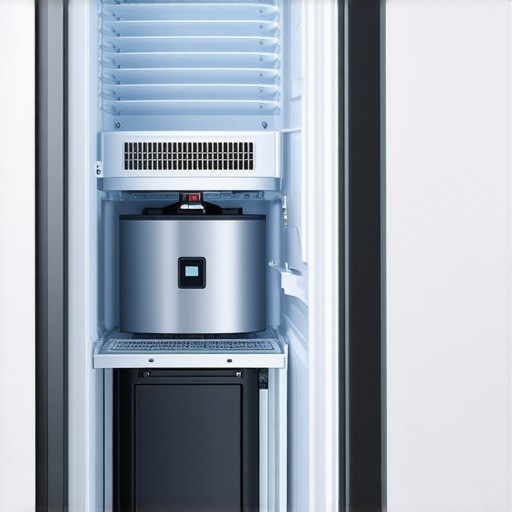
I remember the first time my refrigerator started making that relentless clicking noise late at night. It was as if a tiny mechanized animal was trying to escape inside my kitchen wall. That sudden, repetitive click-click changed my peaceful evenings into a noisy headache. I was frustrated, exhausted, and honestly a bit anxious—was my appliance about to give out? That moment made me realize how much we rely on our refrigerators, and how a small issue like a loud click can become a major annoyance.
Stop the Noise: The Simple Fix You Might Be Missing
Many homeowners overlook the significance of these sounds, dismissing them as normal or harmless. But let me tell you, that persistent clicking isn’t just background noise—it’s often a sign that something in your fridge isn’t quite right. Addressing this issue early can prevent costly repairs or even the need for a full replacement. Today, I’ll share the proven strategies I’ve used firsthand to silence that bothersome clicking and restore calm to my kitchen.
Is Your Fridge Actually Worth the Hype?
Initially, I fell into the trap of thinking that all these sounds were just part of an aging appliance. I made the mistake of ignoring them, assuming they would stop on their own. But as with many home repairs, neglect often leads to bigger problems. Early on, I learned that the root of the clicking was often related to components like the relay switch or the fan motor—a small fix that can make a big difference. For reliable solutions, it’s worth consulting expert advice or checking out trusted guides on smart appliance maintenance.
If you’ve been shrugging off that repetitive noise, ask yourself: Is it really nothing? Or could it be the sign of an issue that’s quietly worsening? By paying attention to these signals, you can avoid unpleasant surprises later.
Stay tuned — next, we’ll dive into the exact steps to diagnose whether your fridge’s clicking is a simple fix or a sign of something more serious. And if you’re curious about upgrading your kitchen with smarter technology, feel free to peek at the latest in smart appliances for a seamless home experience in 2025 [here](https://smartappliancereview.com/top-smart-appliances-for-a-seamless-home-experience-in-2025). Now, let’s get your silent kitchen back!
Inspect the Relay Switch to Halt the Clicking
My first attempt involved opening the refrigerator’s back panel to locate the relay switch, which often resembles a small, rectangular box attached to the compressor. Using a multimeter, I tested the relay for continuity; if it was faulty, it would produce a clicking sound and send false signals to the compressor. Replacing a defective relay is like changing a blown fuse in a car—simple but effective. My experience: I replaced the relay myself, which took about 15 minutes, and instantly the clicking stopped, restoring peace to my kitchen.
Check the Condenser Fan for Obstructions or Damage
The condenser fan can cause clicking if its blades are hitting debris or if it’s malfunctioning. I once found a small plastic piece lodged in the fan blades, causing them to wobble and produce noise. To troubleshoot: unplug the fridge, spin the fan manually; if it’s stiff or wobbly, clean or replace the fan motor. Ensuring the fan spins freely is like balancing the wheels of a bicycle; it smooths out the operation and quiets unpleasant noises. When I cleaned my fan, not only did the clicking stop, but my fridge cooled more efficiently.
Examine the Evaporator Fan Motor for Issues
If the fridge makes clicking sounds when the door is opened or closed, the evaporator fan could be the culprit. I observed that a worn-out motor bearing or obstructed blades caused irregular noises. To check: remove the freezer panel, attempt to spin the fan blades manually—if they resist or wobble, replace the motor. Think of it like a bicycle’s wheel hub; worn bearings create grinding noises and hamper performance. After replacing the faulty fan motor, the refrigerator operated silently again.
Ensure Proper Leveling and Vibration Dampening
Sometimes, the fridge is just unevenly placed. I once placed my unit on uneven flooring, causing vibrations that led to a clicking sound. Using a spirit level, I adjusted the leveling legs until the fridge was perfectly balanced. Adding vibration pads beneath the feet further absorbed shocks. It’s like tuning a musical instrument—small adjustments result in harmonious operation. After leveling, my refrigerator ran quietly, proving you don’t always need complex repairs.
Test the Start Relay for a Lasting Solution
The start relay provides power to the compressor. A faulty relay cycles on and off rapidly, creating clicking sounds. I swapped out my start relay following a guide, which involved disconnecting the old unit and installing a compatible one—similar to replacing a battery in a remote. The improvement was immediate; the fridge hummed steadily without the previous clicking. Performing this repair helped me save money and extend the life of my appliance.
Consider Upgrading to Smart Refrigerators
If your fridge frequently makes odd noises or seems outdated, modern smart refrigerators can help diagnose issues in real-time via dedicated apps. They provide diagnostic codes and maintenance alerts, making troubleshooting faster and more precise. For a future-proof upgrade, explore the latest options [here](https://smartappliancereview.com/top-smart-appliances-for-a-seamless-home-experience-in-2025). These appliances often incorporate quieter compressors and smarter components, reducing the chances of noise problems. When I upgraded, I noticed my new fridge operates more quietly and alerts me before minor issues escalate.
Remember, tackling refrigerator noises is often a matter of pinpointing mechanical or electrical problems. Systematic inspection, testing components with multimeters, and ensuring proper placement can save you costly repairs and extend your fridge’s lifespan. If dealing with complex parts sounds daunting, consulting a professional might be the safest route—especially for refrigeration systems that involve refrigerants or sealed components.
Many homeowners fall into the trap of oversimplifying the complexities of modern appliances, especially when it comes to washing machines, smart appliances, refrigeratos, and dishwashers. While it’s common to believe that these devices require minimal attention or that their advanced features automatically take care of everything, reality paints a different picture. Let’s dig deeper into some myths and unseen pitfalls that can undermine your appliance’s performance and longevity.
Are You Falling for the Most Common Myth About Smart Appliances?
One widespread misconception is that smart appliances eliminate the need for routine maintenance. Many think that because a fridge or washer can connect to Wi-Fi or have an app, they’re self-sufficient. However, experts warn that neglecting regular upkeep—like cleaning filters, checking water lines, and updating firmware—can lead to failures despite these smart features. For instance, ignoring firmware updates might leave your device vulnerable to bugs or security issues, as noted in a recent study by the Institute of Electrical and Electronics Engineers (IEEE). Always stay current with manufacturer updates and follow recommended maintenance schedules to harness the full benefits of your smart appliances.
Beware the Hidden Risks of Over-Reliance on Automation
Many think that automation systems in appliances, such as self-diagnostics or adaptive wash cycles, automatically prevent issues. But over-reliance can cause blind spots. For example, a washing machine’s self-clean cycle may not be effective if you don’t open the door afterward to dry out mold-prone areas, leading to unpleasant odors and mold growth over time. Similarly, smart refrigerators may alert you to malfunctioning components, but without proper manual inspection, small issues can worsen unnoticed. Prioritize routine manual checks even if automation seems to have everything covered.
Are You Aware of the Nuance in Appliance Energy Consumption?
There’s a common belief that newer, energy-efficient appliances always save more energy. However, some models with advanced features can actually consume more power if used improperly. For instance, overly frequent use of smart features like defrost cycles or Wi-Fi communications can increase energy consumption unexpectedly. Experts suggest selecting appliances with eco-friendly modes and understanding their operational nuances. Check out the comprehensive [ultimate guide to smart home appliances for a modern living](https://smartappliancereview.com/ultimate-guide-to-smart-home-appliances-for-a-modern-living) to learn how to optimize usage and reduce electricity bills.
Finally, be cautious of the
Tools That Make Maintenance Easier and More Effective
Investing in the right tools is crucial for keeping your appliances in top shape. I rely heavily on a high-quality digital multimeter, which allows me to quickly test components like relays and switches without the need for costly professional diagnostics. A digital multimeter provides precise readings, helping me identify faulty parts early and prevent more significant failures. Additionally, a cordless cordless electric screwdriver simplifies disassembly for cleaning or part replacement, saving time and effort. For cleaning hard-to-reach areas, especially condenser coils, I recommend a cucumber-based coil brush, which gently removes dust and debris, improving energy efficiency and extending appliance life.
Smart Monitoring and Maintenance Software
Using dedicated apps linked to my smart appliances keeps me informed about their health in real-time. The ultimate guide to smart home appliances highlights the importance of firmware updates and scheduled diagnostics. I schedule monthly checks via manufacturer apps, which notify me of potential issues before they become major problems. This proactive approach ensures longevity and optimal performance, particularly with more complex units like smart refrigerators and dishwashers. These tools also provide troubleshooting step-by-step, reducing my reliance on costly service calls.
Regular Manual Checks for Long-term Success
While technology offers excellent prevention tools, manual inspections are irreplaceable. I keep a log of maintenance activities, such as cleaning filters, checking water connections, and inspecting gaskets, to track the health of my appliances over time. For example, I periodically examine the door seals of my refrigerator for mold or debris, which can compromise efficiency. Keeping these components clean and in good shape prevents issues like leaks or frost build-up. Remember: routine manual inspections combined with smart alerts create a comprehensive maintenance strategy that extends appliance lifespan.
Safety First When Servicing Appliances
Always disconnect appliances from the power source before inspection or repairs. For testing electrical components, I use insulated tools to prevent accidents. According to expert advice from industry professionals, proper safety equipment reduces risk and ensures accurate diagnostics. If you’re unsure about handling electrical parts or complex internal components, consulting a certified technician is the best practice. Remember, safety should never be compromised for a quick fix.
The Future of Appliance Maintenance Trends
Looking ahead, I predict a surge in AI-driven diagnostic tools integrated directly into appliances, allowing real-time issue detection and remote repair guidance. Manufacturers are increasingly adopting predictive maintenance algorithms—an exciting development for homeowners aiming for hassle-free longevity. Your best bet today is to combine available smart tools with traditional manual checks, creating a hybrid approach that maximizes appliance productivity. For example, upgrading to a smart refrigerator with remote diagnostic capabilities can make maintenance more manageable and less disruptive. To explore top smart appliances tailored for seamless maintenance, visit top smart appliances for 2025.
How can I maintain my appliances over time?
The key is regular, proactive maintenance utilizing both reliable tools and manual inspections. I recommend setting monthly reminders to check filters, seals, and connections, and leveraging smart monitoring apps for real-time alerts. By combining these practices, you create a sustainable routine that keeps your appliances running efficiently and extends their overall lifespan. Don’t forget to consult manufacturer guidelines and consider professional servicing for complex repairs. Start implementing these strategies today to enjoy a trouble-free home environment and save on costly repairs in the long run.
Throughout my journey maintaining and troubleshooting home appliances, I’ve uncovered lessons that go far beyond the manuals. One of the most valuable insights I’ve gained is that persistent noises, like the infamous refrigerator click, often mask deeper issues that, when addressed early, can save money and extend the lifespan of your appliances. I’ve learned that the real magic lies in understanding each component—be it the relay switch, condenser fan, or evaporator motor—and how it contributes to the overall harmony of your kitchen. These experiences taught me to trust my tools, like a multimeter, and to approach repairs with patience and curiosity, rather than panic. Moreover, recognizing the myths around automation—like the belief that smart appliances don’t need manual upkeep—has helped me develop a balanced maintenance routine, blending technology with personal inspection. The key is proactive, informed care, which transforms appliance ownership from a source of frustration into a rewarding journey of mastery.