
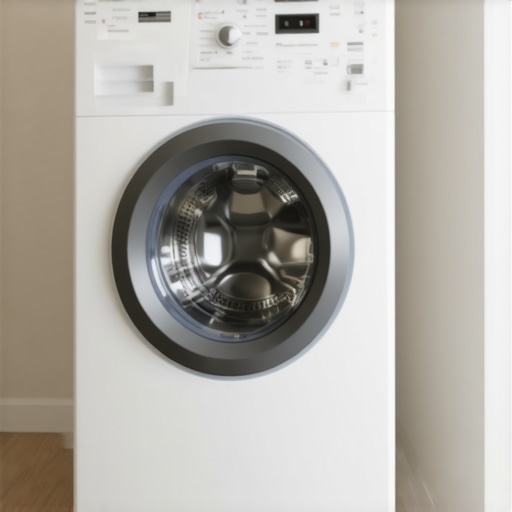
I can’t tell you how many times I woke up in the middle of the night to the loud, thunderous rumble of my washing machine dancing across the laundry room floor. Initially, I thought I was imagining things—until I realized that my washer’s relentless shaking was not just annoying; it was potentially damaging my entire home structure. That lightbulb moment hit hard: a wobbly washer isn’t just an inconvenience, it’s a problem that demands attention.
Why Your Washer Turns into a Housequake Machine and How to Fix It
Dealing with a washing machine that vibrates excessively can be frustrating and stressful. It’s tempting to ignore the issue, but the truth is, persistent shaking can lead to costly repairs or even safety hazards. Over the years, I’ve learned that most of this issue stems from simple causes—improper leveling, worn-out suspension components, or unbalanced loads—and most can be fixed with a little know-how. Today, I promise to guide you through effective solutions to tame your unruly washer and restore peace to your home environment.
Question for You: Have You Ever Faced a Washing Machine That Shook Like a Wild Beast?
Trust me, you’re not alone. Early on, I made a critical mistake—I ignored the wobbling for too long, thinking it was just a normal part of laundry day. That was a mistake that cost me extra money in repairs and headaches. Before diving into solutions, I want to share a surprising fact from appliance experts: “Many washing machine vibrations can be reduced or eliminated with proper installation and maintenance” (source). Knowing this, we’re going to cover practical steps to prevent your washer from turning your home into an earthquake zone. Ready to get your laundry room back in control? Let’s explore some tried-and-true methods to keep your washer steady and your home safe.
Level Your Washer Precisely
Begin by inspecting your washing machine’s leveling feet. Use a spirit level on top of the machine to check for tilt. If uneven, adjust the feet by screwing them in or out until the machine is perfectly horizontal. I once spent an hour adjusting the feet of my old washer after it kept wobbling during spins. Once level, the excessive vibration vanished immediately.
Secure the Machine to the Floor for Stability
If your washer is still unsteady, secure it to the floor using anti-vibration pads or brackets. These pads absorb shocks and prevent movement. I installed a set beneath mine, and it reduced movement during high-speed spins, especially on wooden floors.
Check and Replace Suspension Components
The suspension system dampens excessive movements. Remove the access panel and examine the shock absorbers and springs. Look for signs of wear, cracks, or leaks. Replacing worn suspension parts tightened the drum’s stability. I’ve replaced my worn-out suspension springs following a tutorial, which significantly reduced vibrations.
Balance Heavy Loads Carefully
Unbalanced laundry loads cause uneven weight distribution, leading to shaking. Always distribute clothes evenly inside the drum. During my laundry day, I balanced two large towels across the drum’s sides, which made a noticeable difference in reducing vibration during the spin cycle.
Address Unbalanced or Worn-out Drum Bearings
Worn drum bearings can cause wobbling. Listen for grinding sounds or see if the drum has play when turned by hand. Replacing bearings is more complex but necessary if they’re damaged. I caught this issue early on and replaced the bearings, restoring stability.
Maintain Proper Drainage and Reduce Excess Water
Blocked drains or excess water can amplify vibrations. Ensure hoses are clear and the drain pump is functioning. Also, avoid overfilling. I regularly cleaned my drain filter and checked hoses, preventing water buildup that contributed to imbalance.
Monitor Regular Maintenance
Periodic checks for wear and tear on suspension parts, leveling, and load balance keep your washer running smoothly. Incorporate these steps into your routine, as I do every few months, to prevent future shakiness and protect your home from potential damage.
Many homeowners assume that all smart appliances are foolproof and require minimal intervention, but in my experience, there’s a common misconception about their reliability and maintenance. For instance, many believe that smart refrigerators will never freeze food or that smart dishwashers don’t need manual cleaning. However, these devices often require specific care routines that differ from traditional appliances, and missing these nuances can lead to costly repairs or reduced efficiency.
A frequent myth is that smart appliances operate flawlessly without regular firmware updates. In reality, neglecting firmware upgrades can expose your devices to security vulnerabilities and bugs, which may cause features to malfunction or decrease performance over time. As an expert in home automation, I recommend staying proactive with updates and learning about the unique quirks of each device.
What happens when you ignore the advanced settings or hidden features of your appliances?
This oversight is common among users who stick to default configurations, unaware of optimizations that could extend the lifespan of their appliances or enhance functionality. For example, manually calibrating your smart refrigerator’s temperature sensors or setting custom wash cycles on your dishwasher can improve longevity and cleaning efficacy. Consulting the manufacturer’s guidelines or expert reviews can reveal these nuanced settings that most users overlook.
Another trap is assuming that all smart appliances integrate seamlessly with voice assistants or home hubs. Compatibility issues often arise, especially with older smart devices or less popular brands. For example, connecting your washer to voice alerts system like Alexa requires specific configurations and app permissions; failure to do so can result in missed notifications or control failures. Be sure to research compatibility thoroughly before purchase, and verify that your setup supports smooth integration.
Research by security experts shows that many smart home devices are vulnerable to hacking if not properly secured. Simple lapses like using default passwords or neglecting network segmentation can turn your smart appliances into gateways for cyber threats. I recommend implementing strong, unique passwords and segmenting your Wi-Fi to protect your devices—these small steps significantly enhance your home’s security.
It’s also worth mentioning that some users underestimate the importance of regular cleaning and maintenance of smart appliances. For instance, a clogged dishwasher spray arm or dirty refrigerator condenser coil can diminish performance, despite the device’s smart capabilities. Routine cleaning, informed by the device’s maintenance guides, can prevent many issues before they escalate. You can find helpful tips on cleaning and maintenance in related articles, like this guide on dishwasher racks or that one about refrigerator shelves.
Have you ever fallen into this trap of neglecting the nuances of your smart appliances? Let me know in the comments how you keep your devices running smoothly and avoid these common pitfalls!
,
Prioritize Preventative Maintenance for Longevity
Consistent upkeep is key to ensuring your smart appliances, such as dishwashers, refrigerators, and washers, continue to operate smoothly over the years. Personally, I schedule biannual inspections to catch issues early. For example, regularly examining and cleaning the dishwasher rack prevents rust from compromising its structure, saving you money in the long run. Developing a routine similar to this helps extend the lifespan of your appliances and prevents unexpected breakdowns.
Leverage Advanced Diagnostic Tools
Investing in quality diagnostic tools can make maintenance more precise and less time-consuming. I use an infrared thermal camera to monitor electrical connections and detect overheating in components, which often indicates impending faults. This proactive approach allows me to replace parts before failure occurs, such as worn-out refrigerator shelves or faulty sensors, ensuring consistent performance and avoiding costly repairs. Using such tools transforms troubleshooting from guesswork into a targeted, efficient process.
Maintain Firmware and Software Updates
Keeping your smart appliances’ firmware current is critical for security and functionality. I make it a point to check for updates monthly using manufacturer apps, ensuring my devices benefit from security patches and feature enhancements. Firmware updates can resolve glitches that cause subpar performance or erratic behavior, as explained in expert technical documentation. For instance, updating your smart refrigerator’s firmware can improve energy efficiency and connectivity stability. Regularly scheduled updates are a simple yet vital step in maintaining long-term appliance health.
Choosing the Right Maintenance Software
Automated maintenance management apps like HomeZapp or Apple HomeKit integrate with your smart devices, reminding you when service is due or when cleaning is needed. I personally rely on an app that syncs with my appliances to send proactive alerts—such as filter replacements or cycle calibrations—saving me from oversight. These tools are invaluable for busy households, helping you stay ahead of potential issues before they turn into major problems.
Preparation for Scaling and Future Challenges
As smart homes evolve, so will the tools and routines necessary to keep appliances running smoothly. Predictive analytics and AI-driven diagnostics are on the horizon, offering even smarter maintenance solutions. In the coming years, I anticipate that integrating these technologies will become standard, minimizing manual checks and maximizing appliance longevity. Staying informed about emerging tools can give you a competitive edge in managing your home effectively.
To truly harness the potential of your appliances, I recommend trying an advanced step like installing a smart maintenance hub that consolidates alerts and diagnostics across devices. This approach delivers centralized control and peace of mind, ensuring your appliances serve you reliably for years to come. Remember, consistent maintenance, alongside leveraging the right tools, is the secret to a hassle-free smart home environment.
Question: How do I maintain my appliances over time to prevent unexpected failures?
Implementing a regular maintenance schedule, using diagnostic tools, and staying updated with firmware are all crucial. For example, check out this guide to maintain your dishwasher and develop a routine that fits your household needs. By doing so, you can enjoy long-term efficiency and avoid costly repairs or replacements.

Sharing the Surprising Truths I Overlooked
- One of the hardest lessons I learned was that even premium smart appliances require regular maintenance—neglect can lead to unexpected failures that cost a fortune to repair. A simple routine check can save you heartache later.
- I used to believe firmware updates were optional, but I discovered they’re vital for security and optimal performance. Staying on top of these updates is like giving your appliances a regular health check.
- Understanding the nuances of load balancing on my washer radically improved its lifespan. Properly distributing laundry isn’t just for quiet operation—it’s a shield against vibration damage.
- Secure your smart devices with unique passwords and network segmentation. I realized too late that overlooking this step left my home vulnerable to cyber threats, which can disrupt even the smartest kitchen.
- Routine cleaning of components like dishwasher spray arms or refrigerator coils might seem trivial, but these small acts prevent larger issues down the road—like smelly appliances or cooling failures.
My Toolbox for Smarter Home Living
- HomeZapp: This app helps me monitor maintenance schedules and sends timely alerts, turning routine chores into effortless habits. I trust it because it keeps everything in sync seamlessly.
- Infrared Thermal Camera: Identifying overheating electrical components before they cause breakdowns has saved me hundreds. It’s a game-changer for proactive appliance care.
- Smart Home Hubs: Centralizing control with hubs like Apple HomeKit has simplified managing multiple devices, making maintenance and troubleshooting much less stressful.
- Firmware Update Reminders: Setting personal alerts ensures my devices stay up to date, protecting my home network and improving device longevity.
The Power of Taking Action Today
Your journey to flawless smart appliance performance begins with small, consistent steps. Embrace proactive maintenance, stay informed about your devices’ quirks, and leverage innovative tools — these are the keys to a resilient, efficient home. Remember, your appliances are investments, and treating them with care now will pay off in long-term savings and peace of mind. Are you ready to take your smart home management to the next level? Start today, and enjoy the confidence that comes with knowing you’re doing everything to protect your appliances and your home happiness.
How have you managed to keep your smart appliances running smoothly? Share your tips and stories below — I’d love to hear what works for you!
,