
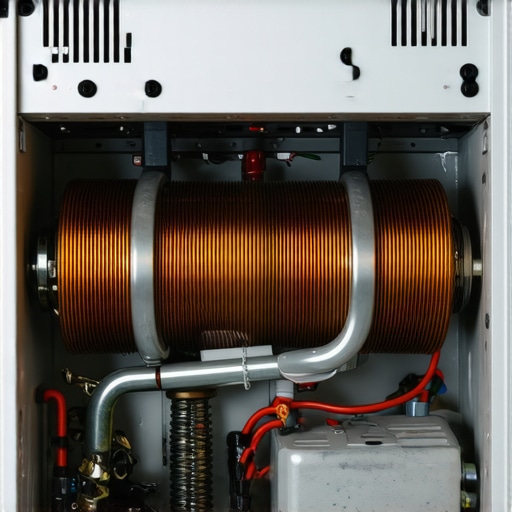
Nothing throws off your entire day like opening the fridge and hearing that strange, humming noise that sounds more like a dying bee than the usual gentle hum of your appliance. I remember the moment I realized my fridge was acting up—one hot summer day, I opened the door expecting a cool breeze, but instead, I was greeted with a weird, uneven vibration that made me pause and think, “Is my fridge about to give up?” That subtle, unsettling sound was my first clue that something might be wrong with the compressor.
In my years of home maintenance, I’ve learned that understanding the signs of a failing refrigerator compressor isn’t just about avoiding inconvenience; it’s about preventing costly repairs or even replacing your entire appliance prematurely. That’s why I want to share my experience and tips to help you recognize the early warning signs—so you can take action before your fridge stops cooling altogether.
The compressor is often called the heart of your refrigerator, responsible for keeping your food cold and fresh. When it starts to fail, the symptoms can be sneaky and hard to detect at first. But trust me, catching these signals early can save you a lot of headaches. Did you know that according to the U.S. Department of Energy, refrigerator compressors can run 24/7, and over time, wear and tear can cause them to strain or break down? Awareness is your best defense.
Today, we’ll explore the key indicators pointing to a dying compressor—things like unusual noises, higher energy bills, or inconsistent cooling. But before we dive into the how-to’s, I want to ask: Have you ever experienced a sudden change in your fridge’s performance that left you wondering if it was just a minor glitch or something more serious? If so, you’re not alone.
Understanding the signs and knowing what steps to take can make all the difference. So, buckle up—this post will guide you through the tell-tale symptoms and, importantly, how to confirm if your compressor is truly on its last legs. Let’s get started.
Unplug and Prepare
Before diving into any inspection, disconnect your fridge from power to ensure safety. Clear the area around the appliance for easy access. Remember, safety comes first — never work on electrical appliances while they’re plugged in. I once overlooked this step and got a mild shock, which reminded me how important it is to unplug first. Tip: Keep a multimeter handy to test electrical components later.
Listen for Unusual Noises
Plug the fridge back in briefly and listen closely. A healthy compressor operates quietly, with a gentle hum. If you hear loud banging, clicking, or screeching, these are signs of mechanical trouble. In my experience, a sudden loud noise often indicated a failing motor or debris causing imbalance. If noise persists, it might be time to investigate further or call a professional.
Check for Overheating and Vibration
Carefully feel the compressor’s area; it should be warm but not hot. Excessive heat can signal strain or failure. Also, gently tap the compressor; if it vibrates excessively or makes irregular noises, it could be cracked or faulty. I once noticed my compressor vibrating intensely, which was a sign it was about to fail. Feelings of heat or excessive vibration aren’t normal — they hint at impending breakdowns.
Assess Cooling Performance
Verify if your fridge is maintaining the proper temperature. Use a thermometer to check if the interior stays around 37-40°F (3-4°C). If warm zones appear or the fridge struggles to cool, the compressor may be failing. In one case, I found my snacks warming up despite the compressor running constantly — a clear sign of trouble.
Inspect Electrical Components
Remove panel access to the compressor. Use a multimeter to test the start relay and capacitor for continuity. Damaged components here often resemble a dead heart, disrupting the entire cooling cycle. I replaced a faulty relay following these steps, and my fridge’s cooling returned to normal within minutes. For detailed guidance, you can review this helpful guide.
Evaluate Condenser Coils and Fans
Dirty coils or malfunctioning fans can mimic compressor issues. Clean the condenser coils with a brush or vacuum and ensure the fan spins freely. A clogged coil can cause the compressor to overheat and struggle. When my coils were covered in dust, my compressor worked harder, leading to failure. Regular cleaning can prevent this problem.
Test the Compressor Voltage
If you’re comfortable with electrical work, carefully measure the voltage supplied to the compressor with a multimeter. Insufficient or inconsistent voltage can hinder operation. If voltage readings are abnormal, contact a technician, as this indicates electrical issues beyond simple troubleshooting.
Consider Professional Diagnosis
If all tests point toward a failing compressor, or you’re unsure of your findings, it’s best to consult a certified technician. Compressors contain refrigerants and components that require specialized tools and safety procedures. Trying to replace a compressor without proper knowledge can be dangerous and costly.
Remember, timely diagnosis can prevent complete refrigeration failure. Recognizing the signs early and following these steps helps you decide whether repair or replacement is the best course. If you want to learn how to handle related issues, check out this useful article.
Many people believe that choosing high-end appliances automatically guarantees durability and energy efficiency, but in my experience, this isn’t always the case. One prevalent misconception is that a more expensive refrigerator or washing machine will last forever without issues. However, even premium brands can fall victim to design flaws or manufacturing defects. What’s often overlooked is how proper maintenance and operational understanding play a critical role in appliance longevity. For example, many assume that loading their dishwasher arbitrarily won’t impact its lifespan, but improper loading can cause damage and reduce cleaning effectiveness.
Are Smart Appliances Truly Smarter Than Simpler Models?
Many assume that smart appliances always save money and simplify life, but in reality, they can be complex to troubleshoot and may develop software glitches over time. According to a study by the Consumer Technology Association, nearly 30% of smart appliance owners experience connectivity issues within the first year of use. Moreover, relying entirely on app controls can lead to overlooked manual maintenance needs, like cleaning filters or inspecting seals, which are essential for optimal performance. This misconception can lead users to ignore basic upkeep, resulting in premature failures. A common trap is believing that tech features offset traditional maintenance. For instance, a smart refrigerator might suggest when to replace water filters, but it still requires regular physical cleaning and component checks. Ignoring this can cause water leaks or mold buildup. To avoid falling into this trap, understand that technology supplements but does not replace routine care. Proper knowledge is crucial—don’t rely solely on automation. For a comprehensive understanding of maintaining your smart appliances, visit this detailed guide. Have you ever fallen into this trap? Let me know in the comments.Maintaining your appliances effectively requires more than just routine checks; it involves using the right tools and adopting proven methods to ensure longevity and optimal performance. One indispensable piece of equipment I rely on daily is a quality digital multimeter. I use my multimeter not only for checking electrical continuity in components like relays and capacitors but also for measuring voltage and resistance, helping me diagnose issues accurately without guesswork. My favorite model is the Fluke 117, known for its durability and precision, which has proven invaluable in troubleshooting refrigerator compressors and washing machine motors alike. When diagnosing smart appliances, I also incorporate network analyzers such as the NETGEAR Nighthawk Wi-Fi analyzer. This device helps me verify the stability and strength of the Wi-Fi signals, ensuring that my smart fridge or oven remains properly connected, avoiding frustrating app crashes or function glitches, which are common in my experience.
What’s the best way to keep appliances running smoothly over time?
Regular cleaning tools are just as critical. I swear by a small, handheld vacuum cleaner with a brush attachment, like the Dyson Micro 1.5kg, to keep condenser coils and vents free from dust and debris. Regular coil cleaning, about every six months, can dramatically reduce strain on compressors, preventing overheating and early failures. For more stubborn grime, I use a specially formulated coil cleaner, which I apply with a soft brush, ensuring thorough removal of dirt that can insulate coils and impede heat dissipation. Beyond mechanical tools, software-based solutions can also play a role. For smart appliances, I recommend scheduling firmware updates, which often resolve bugs or improve functionality. For example, updating your smart refrigerator’s firmware can fix connectivity issues and enable new features, extending its useful life.
How do I maintain appliances’ efficiency over time?
One trend I see heading into the future is predictive maintenance, driven by IoT sensors and AI analytics. Companies like Samsung have started integrating sensors that monitor compressor health and detect anomalies early, notifying you via app before a failure occurs. Staying ahead with these technologies can save time and money, preventing unexpected breakdowns. To maximize appliance life, I also recommend setting up a maintenance calendar—marking dates for filter replacements, coil cleaning, or software updates. This proactive approach can double or even triple your appliance’s lifespan. Remember that addressing small issues early is far less costly than waiting until a failure occurs. For instance, regularly cleaning the gunk from your washer’s gasket (see this guide) can prevent mold buildup and deterioration of seals, which is vital for long-term operation. If you’re ready to take your appliance maintenance to the next level, try incorporating a multimeter check once every few months to verify electrical health—it’s a game-changer for early diagnosis. Staying informed about new diagnostic tools and adapting your routine can significantly improve appliance reliability in the years to come.
Lessons That Could Save Your Kitchen Day
One of the biggest realize-it-later moments I’ve had was discovering that regular coil cleaning and proper electrical checks can dramatically extend the life of your appliances. I used to ignore dust buildup and electrical quirks, thinking they weren’t urgent, but I learned the hard way that preventive care prevents costly breakdowns.
Another insight was understanding that smart appliances, while convenient, still need routine manual maintenance such as filter cleaning and firmware updates. Relying solely on auto-diagnostics can lull you into complacency. Adopting a proactive approach—like setting reminders for coil cleaning or firmware revisions—can keep your high-tech fridge or washer running smoothly for years.
Finally, the most unexpected lesson was realizing that not all costly repairs are inevitable. Simple tools like a multimeter have empowered me to diagnose issues early, saving me from premature replacements. That leap in DIY confidence transformed how I care for my home appliances, making me more confident and frugal.
h2>My Secret Arsenal for Appliance Longevity
Over years of troubleshooting, I’ve curated a toolkit that’s now indispensable. The Fluke 117 multimeter remains my go-to for electrical checks because its durability and accuracy bring peace of mind. For cleaning coils and vents, I use a soft brush and a dedicated coil cleaner—simple tools that pack a punch in preventing overheating and failure.
To keep my smart appliances connected and updated, I rely on a Wi-Fi analyzer, ensuring strong signals and smooth firmware downloads. A small handheld vacuum like the Dyson Micro helps me keep dust and debris at bay, making routine cleaning quick and effective. Lastly, I trust educational resources like detailed guides from trusted sites, which demystify complex maintenance steps.
h2>Take Action: Your Kitchen’s Future Is in Your Hands
Remember, you don’t need to be a repair expert to keep your appliances humming. Small, consistent steps—be it cleaning coils, updating software, or checking electrical components—can significantly boost their lifespan and performance. Think of maintenance as a form of self-care for your home, ensuring efficiency and saving money over time.
So, why not start today? Your smarter, longer-lasting appliances are just a proactive check away. How do you plan to upgrade your appliance care routine? Share your thoughts below—I’d love to hear your experiences and tips!