
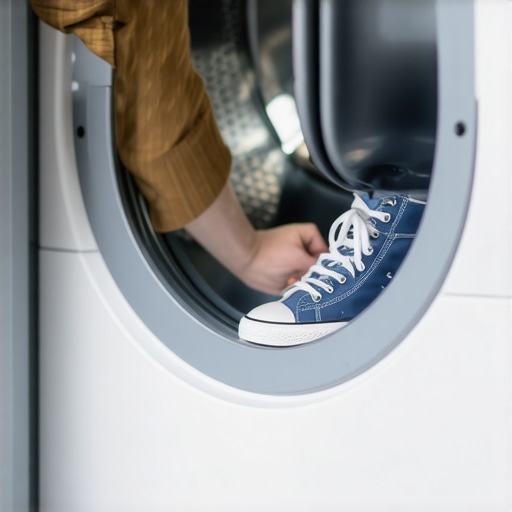
Have you ever cranked up your washing machine, shoved in your favorite pair of sneakers, and wondered, “Is this really a good idea?” I’ve been there more times than I can count. One day, after a laundry disaster that left my shoes – and my mood – completely wrecked, I had a moment of clarity. I realized I was risking more than just a little dirt by tossing my sneakers into the wash. Could I be damaging my beloved shoes or even my washing machine?
Why Do We Hesitate? The Common Fears About Washing Sneakers in the Machines
It’s totally normal to feel cautious. Sneakers are not exactly delicate fabrics, but many of us worry about ruining them, causing damage to our appliances, or making a mess. The question is, should we trust the hype or steer clear altogether? I want to share what I’ve learned from personal mistakes and expert advice, so you can approach laundry day with confidence.
In my early days of experimenting, I once threw a pair of fancy running shoes into a top-loading washer without any preparation. The result? Shoes ruined and a clogged filter, which cost me a pretty penny to fix. That mistake taught me the importance of knowing what’s safe and what’s not. Nowadays, I’ve become a firm believer that washing sneakers can be safe—if you do it right. And I’ll show you how in just a moment. Before diving into the practical steps, let’s talk about one of the biggest skeptics’ fears.
Is Washing Sneakers in the Machine Really Safe? The Big Concerns
Many worry about the integrity of their sneakers and whether the washing machine can handle the dirt, grime, and potential damage. Others fear that the agitation could warp shoes or cause parts to break. While these worries are valid, I’ve found that with proper preparation and precautions, you can keep your shoes looking great and your machine functioning properly. Interestingly, a 2023 report from Smart Appliance Review indicates that many modern washing machines with gentle cycles are designed to handle such tasks without issue when used correctly.
Now that I’ve hopefully alleviated some fears, let’s get into how you can safely wash your sneakers and keep both your shoes and machine in top shape. Trust me, it’s a game-changer for your laundry routine, and it can save you money and time in the long run.
Let’s go!,
Prepare Your Sneakers for the Wash Day
Start by removing laces and insoles; this prevents tangling and ensures thorough cleaning. I remember one time I forgot to remove laces, and they got tangled, pulling out stitches in my favorite sneakers. Next, brush off loose dirt and mud with a soft brush or cloth—this step reduces grime load on your machine and prevents clogging. For stubborn mud, soak shoes in warm water mixed with a little vinegar for 15 minutes before brushing.
Set Up Your Washing Machine Correctly
Choose the Right Cycle
Select a gentle or delicate cycle, akin to a soft tap—think of it as giving your shoes a spa treatment. Modern washing machines with AI or sensor technology adapt spin speeds, so opt for those cycles to minimize deformation. When I first experimented, I used a standard cycle, which slightly warped my sneakers. Always check your owner’s manual or consult online guides to verify if sneakers are compatible with certain settings.
Add Suitable Detergent
Use a mild liquid detergent—avoid powders that can leave residues. I once used too much detergent, and my shoes smelled overly chemical-y for days. Just a small amount suffices; liquid detergents dissolve better and rinse out completely, preventing lingering soap and odors. For extra cleaning power, add a cup of white vinegar directly into the drum to help remove odors and disinfect.
Optimize Loading for Safe Cleaning
Load sneakers loosely, ensuring they don’t get squeezed tightly or hit other items, similar to a lullaby for your shoes. Imagine placing fragile glassware in a dishwasher—space matters. To balance the load, add a towel or two to keep the shoes cushioned and prevent ringing or banging during the cycle. I once tried to wash a pair of bulky trainers alone, but they sloshed around excessively, so now I always include cushioning to absorb shock and avoid damage.
Drying and Post-Wash Tips
Skip the dryer to prevent warping; instead, air-dry shoes in a well-ventilated spot, ideally under indirect sunlight. Use paper towels or old newspapers inside shoes to absorb excess water and maintain shape. When I forgot this step, my sneakers developed cracks from overheating. Never place them directly on heaters or radiators, as extreme heat can deform soles and fabric. Reshape shoes as they dry, and consider inserting shoe trees if available to keep their form intact.
Regular Maintenance Keeps Shoes Fresh
Clean your washing machine’s filter monthly—this is like cleaning a refrigerator’s coils to prevent bad odors and maintain efficiency. A clogged filter can cause residue buildup, which may transfer to your sneakers. Also, inspect the drum for debris or hair that could cause small tears or unpleasant smells. Following these steps turns laundry day into a smart, effective routine—saving you money, extending shoe life, and keeping your appliances in top shape.
Many homeowners operate under misconceptions about appliances like dishwashers, washing machines, and refrigerators, leading to costly mistakes. For example, a common myth is that higher heat settings always clean better, but in reality, excessively hot cycles can damage delicate fabrics and shorten appliance lifespan. Modern appliances with smart technology can optimize energy use and extend longevity, yet many users disable these features out of ignorance or suspicion.
Are All Smart Cycles Truly Beneficial, or Are They Just Marketing?
While smart cycles are designed to adapt to load size and soil level, some users believe they’re unnecessary—that manual settings suffice. However, a study from Smart Appliance Review indicates that smart features significantly reduce water and energy consumption when properly utilized.
One critical trap I’ve seen many fall into is neglecting regular maintenance, such as cleaning filters or coils. This oversight can cause appliances to work harder, consume more energy, or even break prematurely. For instance, neglecting to clean the condenser coils of refrigerators leads to overheating and maintains inefficient cooling, which increases energy bills. You can learn how to keep your refrigerator running efficiently by visiting this guide.
Why Choosing the Wrong Cycle Can Ruin Laundry and Savings
Selecting an aggressive wash cycle for delicate clothes or a quick cycle for heavily soiled items might seem time-saving but can lead to damage or inadequate cleaning. A nuanced understanding of cycle options—not just defaulting to the fastest or hottest—is key to preserving fabric integrity and saving money in the long run.
For example, using Eco modes on your washer or dishwasher can cut energy use by up to 30%, but only if you understand their proper application. Many users turn off eco settings, thinking they’re slower or less effective, yet experts recommend embracing these modes for routine cleaning, especially with appliances that feature advanced sensors. To discover the best settings for your specific appliances, check out this article.
Another nuanced point is that overloading appliances reduces efficiency and risks damage. Loading a dishwasher or washer beyond its capacity doesn’t save time—it often results in repeat cycles or cleaning failures. Pay close attention to load size and manufacturer instructions to optimize performance.
Ultimately, many of these misconceptions stem from outdated advice or marketing hype. Staying informed and vigilant can help you avoid unnecessary expenses and extend the lifespan of your appliances. For deeper insights, explore innovative AI-powered dishwashers or top smart appliances for 2025. Have you ever fallen into this trap? Let me know in the comments.
How do I maintain my home appliances over time? Making sure your appliances stay in top shape isn’t just about occasional cleaning; it requires the right tools, regular upkeep, and a bit of know-how. Investing in quality equipment and following proven methods can extend their lifespan and save you money in the long run.
One indispensable tool I personally rely on is a digital appliance tester, such as the
For more advanced diagnostics, I recommend using a Bluetooth-enabled inspection camera. This tiny device lets you view inaccessible areas within appliances, such as the interior of a refrigerator’s condenser coils or the drum of your washing machine, enabling thorough cleaning and early problem detection. Regularly inspecting these components helps prevent breakdowns and maintains optimal performance.
Smart features in modern appliances are revolutionizing maintenance routines. Many now come equipped with monitoring apps that notify you of issues like filter clogging or temperature irregularities. Connecting your device to a smart home system and setting up alerts can save you from surprises and streamline troubleshooting. To get started, explore options like the Ultimate Guide to Smart Home Appliances.
Looking ahead, I predict that appliance maintenance will become increasingly automated. Future models will self-diagnose issues and even order parts or schedule service calls automatically, akin to the advancements seen in home appliance trends for 2025. Embracing these innovations now can help you stay ahead of potential problems and ensure your appliances serve you well for years to come.
How do I keep my appliances functioning well long-term?
Regularly cleaning filters, inspecting seals, and updating firmware are basic steps that make a big difference. Don’t forget to scheduled professional check-ups—think of it as a health exam for your appliances. Incorporating diagnostic tools and smart alerts into your routine can prevent costly repairs and prolong the life of your devices.
Finally, I encourage you to try using a Bluetooth appliance inspection camera during your next maintenance session. It’s a game-changer for reaching hidden spots and ensuring thorough cleaning. Stay informed, stay proactive, and you’ll enjoy the benefits of perfectly functioning appliances year after year.
Over the years, I’ve learned that taking control of your home appliances isn’t just about saving money—it’s about empowering yourself with knowledge and confidence. The simplest tasks, like washing sneakers or maintaining your fridge, can become rewarding routines once you understand the nuances and tricks behind them. My behind-the-scenes insights have transformed my approach from cautious to proactive, and I’m excited to share these lessons to help you do the same.
Lessons That Changed My Approach to Smart Appliance Care
- Prioritizing Regular Maintenance: Waiting until something breaks isn’t the way to go. Simple habits like cleaning filters or inspecting seals can extend your appliances’ lifespan. For instance, I now set monthly reminders to clear my refrigerator coils—it’s a small step that prevents costly repairs.
- Listening to My Devices: Modern smart appliances often diagnose themselves and notify you of issues. Embracing these alerts meant I caught water leaks early and avoided messy surprises, saving both money and stress.
- Utilizing Proper Cycles and Settings: Defaulting to standard or quick cycles isn’t always best. Understanding options like eco-mode or delicate settings, especially for laundry, maximizes efficiency and preserves my clothes and appliances.
- Doing My Homework Before Washing Shoes: I discovered that pre-treating, removing laces, and choosing gentle cycles make sneaker washing safe and effective—saving me from ruining pairs and wasting time on repairs.
Tools and Resources Shaped My Journey
- The Ultimate Guide to Smart Home Appliances has been my go-to for understanding the evolving features of modern devices. It demystifies technology and helps me select products that truly fit my lifestyle.
- Water-Saving Washer Tips taught me how to optimize water use, making laundry more eco-friendly and cost-effective.
- Smart Washing Machine Tricks have simplified my routine, letting me schedule washes remotely and receive maintenance alerts, turning chores into seamless tasks.
- My toolset includes a microfiber cloth, a Bluetooth inspection camera, and a digital appliance tester—each helping me maintain my appliances efficiently and spot issues early.
Believe in Your Power to Transform Your Home Life
Every appliance has a story, and understanding its language empowers you to make smarter decisions. Don’t let fears or misconceptions hold you back from achieving home harmony. With a little knowledge, patience, and the right tools, you can take your appliance care from daunting to empowering. The future is bright, and your smart home is ready to support you—if you are willing to learn and act.
What’s the one appliance maintenance tip that transformed your routine? Share your experience below—I’d love to hear your journey toward a smarter, smoother home life.