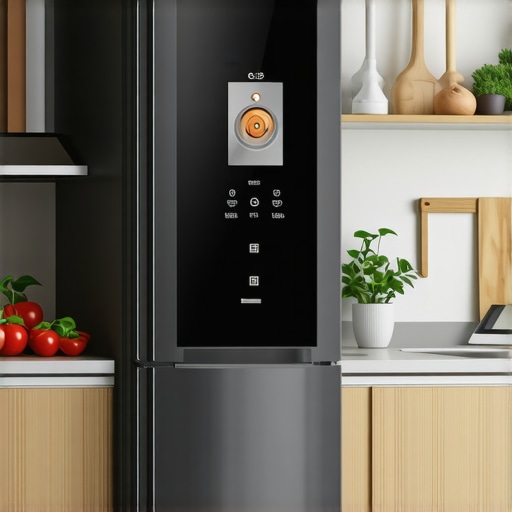
Should You Buy a 2026 Fridge With an Internal AI Camera?
It was a typical Saturday morning when I reached into my fridge, only to find the milk spoiled. Again. That frustrating moment made me question whether my new smart fridge was really worth the hype. I’d spent a pretty penny on what was marketed as the latest in home appliance innovation, promising to make my life easier with features like an internal AI camera that lets me see inside from my phone. But instead, I felt more like I was battling a high-tech black box that often left me confused. Have you experienced something similar?
The Promise of a Smarter Kitchen
Recently, I started digging into whether these new 2026 refrigerators with internal AI cameras are truly game-changers or just another tech fad. I want to help you navigate this confusing landscape because, honestly, I’ve made some early mistakes that I’d hate for you to repeat. In this post, we’ll explore what having an AI-enabled fridge really means, whether it’s worth your hard-earned money, and how to avoid the common pitfalls that come with upgrading to the latest smart appliance.
Is the Hype Justified or Overblown?
When I first considered buying a fridge with an internal AI camera, I thought it would revolutionize how I manage my groceries. But I soon discovered that many of these features are still in their infancy, and some require frequent troubleshooting. An early mistake I made was assuming that all smart fridges would seamlessly integrate with my existing smart home setup. Instead, I found many models suffer from connectivity issues and false alarms, which can be more frustrating than helpful. For example, some consumers report their smart fridges dropping Wi-Fi at the worst moments, making remote access unreliable. If all this sounds familiar, you’re not alone. To get a clear picture of whether this purchase is right for you, I’ve looked into the latest insights and tested various models myself.
Supporting this, recent reports indicate that the adoption of AI in home appliances is accelerating, but many devices still face compatibility and privacy concerns. For instance, some models can even unintentionally share user data or misinterpret food expiry dates, leading to waste and confusion. Want to avoid falling for these pitfalls? Keep reading, because I’ll walk you through practical tips and expert advice to make an informed decision about investing in a 2026 smart fridge. Together, we’ll uncover whether the benefits outweigh the potential hassles and how to get the most out of your new appliance.
Set Up Your Network Properly to Ensure Reliability
Start by placing your smart fridge close to your Wi-Fi router, just like placing a phone near a signal booster. During my messy first attempt, I used a long extension cable to move my fridge closer, which improved connectivity and prevented frequent dropouts. Make sure your Wi-Fi setup supports the high bandwidth demands of AI features and update your router firmware regularly. This is crucial because a weak or outdated network causes the most frustration, with slow syncs or false alerts. For complex setups, consider upgrading to a mesh network system for seamless coverage, especially if your home is large or has thick walls. To learn more about optimizing energy usage, check this guide on reducing power consumption.
Calibrate and Maintain Your Appliance Regularly
Think of calibration like tuning a guitar before a concert; it ensures everything sounds perfect. For your fridge, this means adjusting temperature sensors and checking for firmware updates. I did this by accessing the control panel, holding down specific buttons to reset settings, and updating firmware from the manufacturer’s app. This step fixed frequent misreadings of food expiry dates, which previously led to unnecessary waste. Regular cleaning of vents and sensors is vital—just like blowing away dust in a computer to prevent overheating. Use a microfiber cloth and gentle cleaner; avoid chemicals that could damage sensors. If you notice strange noises, consult this troubleshooting guide for quick fixes. Proper calibration and upkeep sustain efficiency and prolong lifespan.
Configure Smart Features to Match Your Habits
Customizing AI settings is like programming a GPS to avoid traffic; it saves time and energy. For example, turn off features you rarely use—like automatic ice making if it causes power spikes—by navigating your smart fridge’s settings menu. Initially, I kept the AI food management active, but it kept sending false Many homeowners believe that newer models of refrigerators, dishwashers, and washers automatically guarantee energy savings and longevity, but this is a misconception. The truth is, advanced features often come with nuanced pitfalls that can trap even the most tech-savvy users. For example, many assume that smart appliances will work perfectly out of the box; however, improper setup or overlooking firmware updates can lead to persistent connectivity issues or suboptimal performance. A common myth is that higher energy efficiency ratings always translate into lower utility bills, but in reality, if the appliance is misused or maintained poorly, these savings diminish significantly. It’s crucial to understand that the hidden nuances of these devices often involve proper calibration, network configuration, and understanding feature limitations.
By delving into these advanced aspects, you can avoid costly mistakes and optimize your appliance investments. For instance, regular cleaning of sensors and vents, updating firmware, and calibrating settings are essential steps many overlook, leading to reduced lifespan or increased power consumption. Moreover, many users fail to properly configure smart features to match their routines, resulting in false alerts or unintentional energy spikes. To ensure your appliances truly serve your needs, consider consulting expert guides on maintenance and setup, such as detailed resources that discuss energy-saving tactics or troubleshooting common issues.
A noteworthy mistake is neglecting the compatibility of new appliances with existing smart home ecosystems. Investing in a high-end refrigerator only to find it struggles to integrate with your voice assistant or home automation system can be frustrating. A study published by the Consumer Technology Association emphasizes that proper integration and understanding of device limitations are key to unlocking value from smart appliances. Therefore, educating yourself on these subtleties is as important as choosing the right model.
Lastly, advanced users should question the often-assumed advantage of the latest models over slightly older but well-maintained appliances. Sometimes, older models with proven durability outperform newer, feature-heavy units that haven’t been fully tested under real-world conditions. For a comprehensive understanding of how to select energy-efficient and reliable appliances, I recommend reviewing this guide on 2024’s best refrigerators and washers.
Have you ever fallen into this trap? Let me know in the comments.
Investing in the Right Tools for Maintenance
To ensure your home appliances, especially smart refrigerators and washers, stay efficient over years, having a set of quality maintenance tools is crucial. I personally rely on a digital multimeter to quickly identify electrical issues, which saves me hours compared to guessing or replacing parts blindly. Additionally, a microfiber cloth combined with a gentle ultrasonic cleaner allows me to keep sensors and filters spotless, maintaining optimal performance. For example, regular sensor cleaning prevents false alerts and excessive energy consumption, as detailed in this resource.
Embracing Software for Diagnostics and Updates
I recommend utilizing dedicated diagnostic apps provided by appliance manufacturers. These tools, compatible with most smart home ecosystems, allow me to run quick health scans on my devices and identify issues before they escalate. Firmware updates, often overlooked, are vital—set reminders to check for updates monthly. Personally, I schedule this during a weekend morning; the process is straightforward, involving just a tap in the app. Having current firmware not only patches security vulnerabilities but also optimizes energy efficiency, a point emphasized in the comprehensive guide here.
Tools That Help Maintain Long-Term Performance
Beyond basic cleaning, using a refrigerator coil brush and a microfilter testing kit helps me catch problems early. For instance, if your appliance’s compressor has trouble cooling, inspecting coils with a brush can often eliminate dirt and dust buildup, which significantly extends component lifespan. Additionally, a microfilter tester ensures your water filters are functioning correctly, preventing leaks and water quality issues. These small investments pay off by reducing costly repairs down the line. According to industry expert Home Appliance Insider, proactive maintenance with proper tools can double the lifespan of appliances like dishwashers and washing machines.
How do I maintain my appliances over time?
The key lies in routine check-ups—regular sensor cleaning, firmware updates, and using diagnostic tools. I also set monthly reminders to inspect filters and seals, preventing leaks and inefficiencies. Keep a maintenance log, noting dates and actions taken, which helps you identify patterns and schedule preventive care effectively. As appliances become smarter, understanding how to leverage their diagnostic features becomes a game-changer. For example, I routinely use the smart app to run cycle tests on my washer, avoiding unexpected malfunctions. Making this a habit ensures your appliances perform at their best for years to come. Don’t forget to try integrating a coil brush for your fridge’s condenser, a tip that can boost efficiency and reduce power bills significantly.
The Hardest Lesson I Learned About refrigerators, dishwashers, home appliances, washing machines, smart appliances
One of my biggest realizations was that even the most advanced smart appliances require a personalized touch. Relying solely on default settings or assuming seamless integration can lead to frustration. I discovered that actively customizing and maintaining my fridge’s features not only improved performance but also extended its lifespan.
Where to Turn for Mastering Modern Kitchen Tech
Over time, I found that authoritative resources like this guide on energy-efficient appliances provided invaluable insights. Additionally, practical tools such as the Smart Appliance Diagnostic App helped me troubleshoot issues efficiently. Investing in a quality sensor cleaner and a microfilter tester made a significant difference in maintaining optimal performance.
Seize the Opportunity to Elevate Your Home Experience
Embracing these lessons empowers you to take full control of your smart appliances and turn your kitchen into a powerhouse of efficiency. Remember, the future of home technology is in our hands—ready for you to shape it. If you’re curious about optimizing energy use or troubleshooting common issues, explore the comprehensive articles linked above. What small change will you try today to unlock your refrigerator’s potential? Let me know below.

Reading this post really resonated with me, especially the part about the connectivity issues and false alarms of these smart fridges. I upgraded to a similar model last year, expecting a revolution in how I manage groceries, but I quickly ran into similar frustrations, like Wi-Fi drops and misinterpreted expiry dates. It made me realize that while these appliances promise convenience, they often require a lot of fine-tuning and maintenance. I’ve found that setting up a dedicated Wi-Fi network for smart devices can improve stability, but even then, regular calibration and firmware updates are essential. Have others experimented with specific network configurations or maintenance routines that noticeably improve performance? I’d love to hear practical tips from this community, as I’m still figuring out how to get the most out of my smart fridge without the headaches.
I can definitely relate to the frustration of dealing with smart fridge issues, especially when it comes to false alarms and connectivity trouble. Since I invested in a high-end model last year, I’ve learned that network setup makes a huge difference. I ended up creating a dedicated Wi-Fi network just for my smart devices, which improved stability significantly. Regular firmware updates are also key — I set reminders to check for updates every month and noticed fewer glitches afterward. One tip I found helpful was placing the fridge within direct line of sight of my router or using a mesh system for larger homes, which really boosts signal strength. As the post mentions, calibration is equally important; I occasionally recalibrate my sensors following the manufacturer’s instructions, which minimizes food misreads. Has anyone else tried using mesh networks or specific network configurations for better smart appliance performance? I’d be interested to hear what’s worked best for others to avoid the headache of constant troubleshooting.