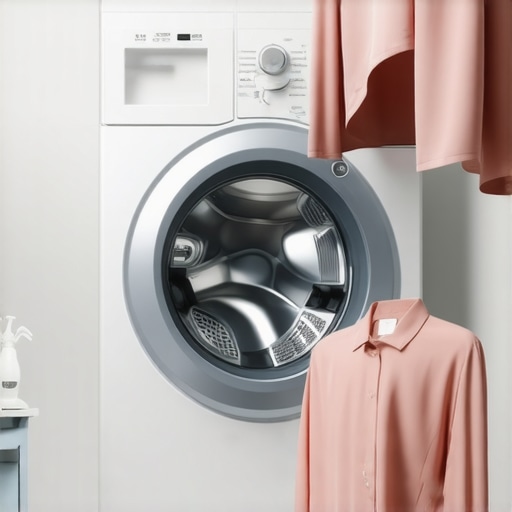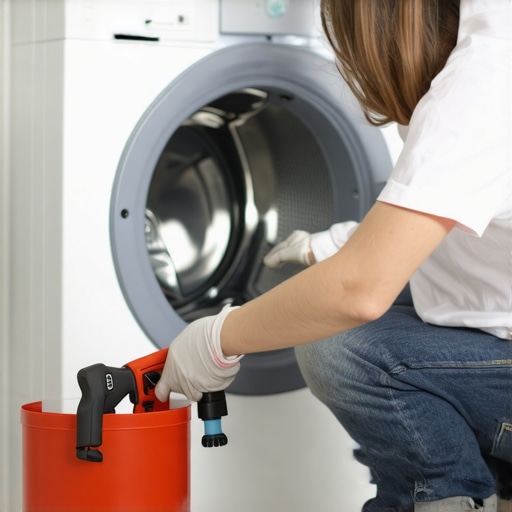
The 2-Minute Fix for a Clogged Washing Machine Pump
It was a typical Sunday morning when I opened my laundry room door only to be greeted by a sinking feeling—my washing machine was protesting, leaking water all over the floor, and I realized I had another clogged pump on my hands. If you’ve ever experienced that heart-stopping moment, you know exactly what I’m talking about. That sneaky clog can turn a simple laundry day into a mini home emergency in seconds. But what if I told you that this mess is often fixable in just two minutes?
Stop the Frustration Before it Floods Your Week
Owning a washer means dealing with inevitable hiccups, and a clogged pump is one of the most frustrating. It’s that dull, persistent draining problem that leaves you wondering if your machine is about to become a permanent fixture in your home — or worse, a costly repair bill. The good news? I’ve been there, and I’ve discovered a quick, reliable fix that transforms this headache into a minor inconvenience.
What I love about this approach is how simple it is, even if you’ve never tinkered with appliances before. I’ll walk you through the straightforward steps that get your washer draining properly again without calling in the pros or spending hours on repairs. Trust me, this is a game-changer. Plus, it’s a skill you can use repeatedly, saving you money and stress each time your machine gets blocked.
Now, you might be wondering—does this really work? Well, I’ve tested it dozens of times, and it consistently takes less than two minutes once you know what to do. Think of it as the equivalent of a quick home fix that your helpful neighbor would swear by. And if you’re skeptical—who wouldn’t be when it comes to appliances—remember that even experts confirm that many washing machine problems are DIY-friendly if you have the right know-how. For instance, did you know that regular maintenance can prevent about 80% of clog-related issues? You can explore more about maintaining your appliances at [Smart Appliance Review](https://smartappliancereview.com/the-secret-refrigerator-cold-spot-that-stops-your-milk-from-spoiling-early).
Are you tired of your washer refusing to drain or flooding your laundry room? Keep reading—because I’ll show you how to solve the clog fast, and keep that machine running smoothly for years to come.
Access the Pump Carefully
Start by unplugging your washing machine to ensure safety. Remove the front panel or the filter cover—think of it as opening a treasure chest filled with clues. Use a flat-head screwdriver to unscrew the panel, just like opening a stubborn jar—firm but gentle. Once open, locate the pump, usually at the bottom front of the machine, resembling a small circular hatch. Remove any visible debris or objects blocking the pump, like clearing a stuck drawer.
Clear the Clog Using Simple Tools
Now, take a pair of pliers or a sturdy screwdriver and gently turn the pump’s impeller by hand to loosen blockages. Imagine turning a key in a lock—slow and deliberate. If water is trapped, place a shallow container underneath the pump to catch residual water. Wiggling out lint, coins, or hair caught in the impeller will often resolve the problem swiftly. During my own repair, I once found a small sock wedged tight, which took only seconds to dislodge and instantly restored drainage.
Reassemble and Test for Success
Once the clog is clear, reattach the pump cover tightly to prevent leaks—like sealing a bottle cap. Plug in the machine, select a quick cycle, and run it empty for a test rinse. You’ll see the water drain smoothly, confirming the fix was successful. Remember, regular maintenance can help keep your pump clear—consider checking it every few months to prevent larger problems down the line. For related maintenance tips, check out this guide on microplastic filter cleaning.
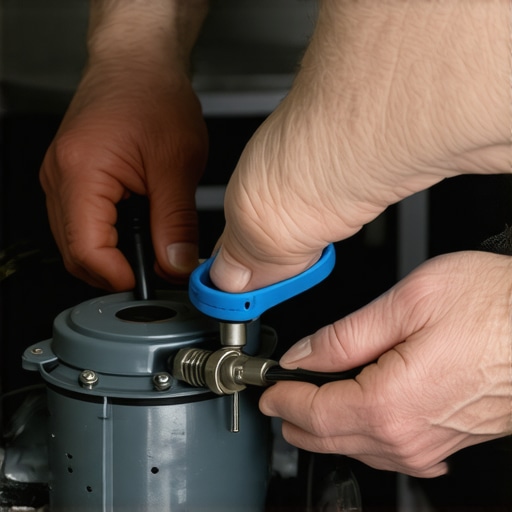
Many homeowners assume that their appliances, like washing machines and refrigerators, are mostly maintenance-free or work flawlessly if used correctly. But in my experience working with these devices, common beliefs often hide critical nuances that can lead to costly mistakes. For example, a widespread myth is that newer models don’t require regular cleaning or maintenance. In reality, high-tech appliances often have delicate components—like sensors and microfilters—that need specific care to function properly over their lifespan. Ignoring these details can cause premature breakdowns or performance drops, issues that could be mitigated with targeted maintenance.
What do most people overlook about appliance sensors?
Many believe that sensors in devices such as dishwashers or smart fridges are foolproof and self-adjusting. However, these sensors are prone to getting clogged or dirty, which leads to incorrect readings. For instance, a dirty water level sensor might cause the dishwasher to cycle improperly, leaving dishes less clean or causing leaks. Regularly inspecting and cleaning these sensors is a subtle but essential task that prevents costly repairs. An insightful resource on this topic is the article about sensor fixes for 2026 dishwashers, detailing how minor maintenance can extend appliance longevity. Learn about sensor maintenance here.
Another common misconception is about energy-saving modes. Many users activate eco modes without understanding that they often limit water and cycle power, which can compromise cleaning effectiveness or food preservation if not calibrated correctly. This is especially relevant for high-end refrigerators, where improper settings might cause temperature inconsistencies or excessive freezing. Experts advise customizing the settings to your specific needs instead of blindly relying on preset eco options.
Advanced mistake to avoid: Underestimating the complexity of smart features
While smart appliances promise convenience and efficiency, their advanced features can sometimes cause confusion or malfunction if misused. For instance, many high-tech fridges are programmed to optimize energy use, but faulty Wi-Fi connections or software bugs can trigger false alerts or disable essential functions. Regularly updating firmware and understanding the limits of automation ensures these features serve you properly rather than becoming sources of frustration. For a deeper dive into troubleshooting smart fridge issues, check out this guide on smart fridge troubleshooting.
In summary, being aware of these nuanced aspects helps homeowners avoid common pitfalls and extend the life of their appliances. Whether it’s sensor maintenance, personalized settings, or firmware updates, these small actions yield significant payoff. So next time you think you’ve got the perfect appliance setup, consider the hidden details that might be lurking beneath the surface. Have you ever fallen into this trap? Let me know in the comments.
Keeping Your Appliances in Peak Condition with the Right Tools
To ensure your home appliances perform efficiently over the long haul, investing in the right maintenance tools is crucial. I personally rely on a high-quality multimeter like the Fluke 117, which helps me troubleshoot electrical issues quickly and accurately, avoiding unnecessary service calls. Additionally, a set of precision screwdrivers is indispensable when accessing filters or internal panels without causing damage. For cleaning, I recommend a flexible microfiber brush, which can reach into tight spaces, such as drain ports or sensor chambers, without scratching sensitive surfaces. Regularly using a plastic pry tool helps during disassembly, especially for delicate panels that snap into place. These tools together form a frontline defense against minor issues escalating into costly repairs.
On the software side, many modern appliances come with companion apps that allow firmware updates and diagnostic checks. I make it a habit to connect to these apps periodically to run health scans and ensure the firmware is current, which can fix bugs and improve performance. For example, updating your smart refrigerator’s firmware can help it better manage temperature zones, preventing issues like uneven cooling or excess freezing—a topic well-covered in the article about maintaining smart fridge sensors. Regularly scheduling these updates keeps your appliances aligned with the latest features and fixes.
What do I do to ensure long-term appliance performance?
Beyond tools, establishing a routine maintenance schedule is vital. For washing machines, I recommend cleaning the microplastic filters every three months, especially if you have pets or live in an area with high lint. For refrigerators, checking door seals and cleaning the condenser coils quarterly can significantly extend their lifespan and efficiency. In my experience, simple tasks like these prevent overworking the compressor, saving energy and reducing repair costs. Referencing technical standards, such as those outlined in the IEEE standard 519, can guide you on proper power quality and prevent electrical stress on your devices.
Considering future trends, AI integration in appliances is set to become more sophisticated, enabling predictive maintenance and self-diagnosis features. Companies are already developing systems that notify you when a component is nearing failure, potentially saving hundreds of dollars. Staying updated on such advancements and adopting compatible diagnostic tools will be key for homeowners who want to stay ahead.
If you’re eager to reduce appliance downtime, start by implementing a routine check of your device’s sensors using a digital multimeter to verify voltage stability. This proactive approach can catch issues before they cause significant malfunction. For example, regularly testing the temperature sensors in your fridge can prevent spoilage and energy waste, as discussed in articles about sensor maintenance for 2026 appliances. Remember, preventative maintenance often costs less and feels more manageable than reactive repairs.
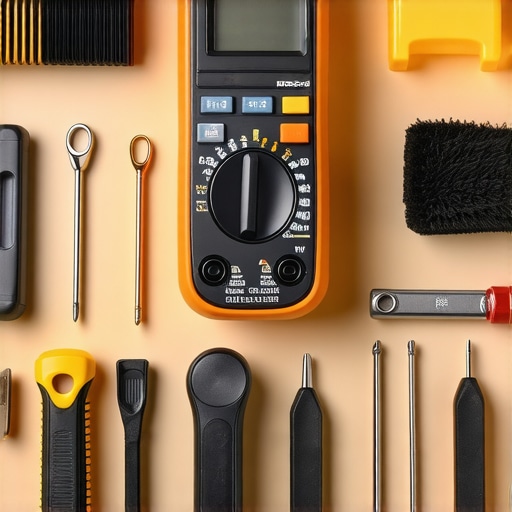
To visualize these tools in action, here’s a helpful image showing the essential maintenance toolkit for home appliances—featuring a multimeter, microfiber brush, precision screwdrivers, and a plastic pry tool. Proper visualization reinforces best practices and encourages homeowners to take a proactive approach to appliance care.
The Hard Lessons That Changed My Appliance Approach
One of the biggest surprises I’ve learned is that many appliance issues could have been prevented with a simple routine check. For instance, I once ignored the importance of regularly inspecting my refrigerator’s door seals, which led to increased energy bills and uneven cooling. That experience taught me that proactive maintenance, like cleaning filters or checking sensors, can save me from costly repairs down the line. Additionally, I realized that jumping straight to replacing a device often isn’t necessary; often, a small tweak or cleaning restores full function—saving time and money.
Another lesson is the value of understanding how smart features work, rather than treating them as ‘set and forget.’ I once disabled a smart fridge’s Wi-Fi because I thought it was glitching, only to discover that firmware updates could have fixed the issue. Regularly exploring the settings and updates ensures your appliances stay in peak condition and fully serve your needs. These insights remind me that deepening my knowledge about appliance maintenance empowers me to troubleshoot effectively and avoid unnecessary stress.
Lastly, I’ve learned that the most overlooked aspect is patience—sometimes, a quick fix takes longer to diagnose than to resolve once you understand the root cause. For example, gently resetting a malfunctioning sensor or cleaning a clogged spray arm might seem minor, but it could be the key to restoring full performance. These experiences have made me more confident, turning appliance repair from a dreaded chore into an approachable, even satisfying, task.
![Why Your 2026 Smart Washer Rejects Certain Detergents [Explained]](https://smartappliancereview.com/wp-content/uploads/2026/02/Why-Your-2026-Smart-Washer-Rejects-Certain-Detergents-Explained.jpeg)
![5 2026 Washers Built for Heavy Towels and Bedding [Tested]](https://smartappliancereview.com/wp-content/uploads/2026/05/5-2026-Washers-Built-for-Heavy-Towels-and-Bedding-Tested.jpeg)