
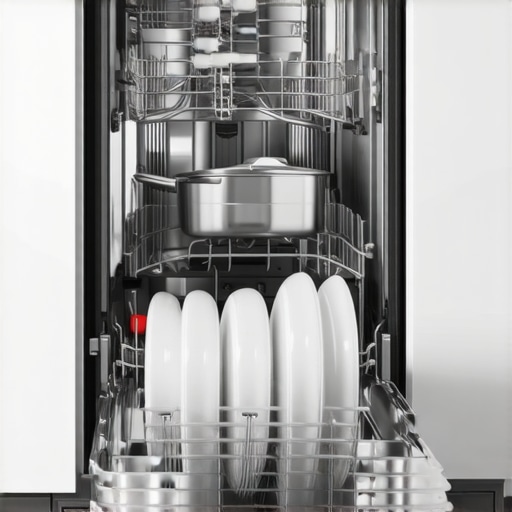
It hit me one morning while I was scrubbing stubborn food off my plates, feeling defeated before even starting the dishwasher. That moment of frustration, with water splashing everywhere and the sink overflowing with dirty dishes, made me realize something: I hated pre-rinsing. It seems so minor, but that extra step turned my simple chore into a dreaded task. If you’re like me—tired of wasting time and effort just to get dishes ready for the machine—you’ll want to read on.
Why Pre-Rinsing May Be Sabotaging Your Day
Pre-rinsing has long been the recommended step before loading your dishwasher, but did you know that many modern machines are designed to handle even heavily soiled dishes without this pre-cleaning? Still, it’s a habit that sticks around, often leading to more time in the kitchen and unnecessary water usage. According to a study by the Environmental Protection Agency, pre-rinsing dishes can waste up to 15 gallons of water per load—a staggering amount when you think about how often we do laundry and wash up. That’s five full buckets of water just to wipe off a few crumbs!
For years, I was convinced that tackling every food residue with a scrub brush was the only way. But my early mistake? I thought a top-of-the-line dishwasher would still require pre-rinsing to work efficiently. That false assumption made me buy complicated detergents, waste time, and still end up with grimy glasses and stuck-on food. Now I know better. Today, I’ll share how choosing the right dishwasher can liberate you from pre-rinsing forever, based on my personal journey and what I’ve learned from countless reviews and tests.
Is It Really Worth Ditching the Pre-Rinse? A Common Skeptic’s Question
Many worry that skipping pre-rinsing will leave dishes dirty or cause the machine to break down. I was skeptical myself—after all, does it really work? Early on, I made the mistake of assuming all dishwashers are created equal. I didn’t realize that modern models with advanced sensors and spray arms can handle food messes boldly. If you’re hesitant, check out how to fix a dishwasher that keeps overflowing with suds to prevent mishaps and ensure your machine’s longevity.
Start with a Clear Plan for Loading
Before placing dishes into your dishwasher, organize them by soil level. Place heavily soiled pots and pans on the bottom rack, and lightly soiled glasses and utensils on the top. This separation prevents unnecessary water exposure and ensures each item gets the right amount of cleaning. I remember once stacking a greasy skillet with delicate wine glasses—by the time the cycle finished, the glasses had water spots. Now, I load with purpose, saving time and water.
Adjust Your Dishwasher Settings Effectively
Modern dishwashers come with sensor-based cycles that detect soil on dishes. Opt for these eco-friendly cycles, which use less water and heat, and avoid pre-rinsing altogether. Just select the appropriate setting based on how dirty your dishes are—light, normal, or heavy. For instance, on my smart dishwasher, I choose the eco mode for everyday loads, which consistently cleans without pre-rinsing. To learn more about compatible models, check out smart dishwasher features.
Master the Art of Scraping Debris
Instead of pre-rinsing, scrape large food scraps into the trash or compost. Use a rubber spatula or brush to remove stubborn bits—think of it like prepping ingredients before cooking. I once left rice and bits of chicken on my plates, expecting pre-rinsing to handle it. The result? Poor cleaning and a jammed spray arm. Now, a quick scrape is enough, and I save gallons of water. If your dishwasher shows signs of clogging, consider cleaning the spray arms with vinegar and baking soda here.
Optimize Your Loading Technique for Maximum Efficiency
Load dishes loosely, not tightly packed, to allow water and detergent to reach all surfaces. Use the top rack for cups, lids, and small items; the bottom for pots, pans, and plates. Keep items angled downward for drainage. Once, I overloaded the top rack, which caused water to pool and leave spots. After reorganizing with proper spacing, the cleaning improved significantly. Think of your dishwasher like a garden sprinkler—water needs space to reach every leaf. For detailed stacking tips, visit loading guides.
Regular Maintenance for Consistent Results
Clean the filters, spray arms, and door seals monthly to prevent residue buildup, which hampers performance. For spray arm cleaning, remove and rinse with vinegar to clear clogs. Once I neglected this, my glasses came out cloudy—since then, I make it a routine. Think of maintenance as tuning your car; it keeps everything running smoothly. If your machine leaks or makes noises, troubleshooting with cleaning methods can resolve many issues.
Benefits of Skipping Pre-Rinsing
By following these steps, you eliminate the tedious pre-rinse, save water, and extend the life of your appliance. I personally found that my glasses come out sparkling without soap residue or spots. Additionally, I reduced my water bill and felt better about my eco-friendly habits. Modern technology supports this shift—smart sensors and efficient spray patterns are built to handle food residue, making pre-rinsing redundant. To explore the latest in smart appliances, visit smart appliance innovations.
While many of us believe that modern appliances are foolproof, there’s a subtle nuance that often trips up even tech-savvy homeowners. One common misconception is assuming that all smart appliances are entirely reliable and require no manual oversight. In reality, many smart devices depend heavily on proper calibration and software updates to function optimally, a detail that is frequently overlooked. For instance, a smart refrigerator’s internal temperature sensors can drift over time if not calibrated correctly, leading to produce spoilage despite the appliance’s high-tech features. Regular maintenance and software checks are essential, yet many users neglect these steps, risking food safety and energy inefficiency. Moreover, there’s a myth that smarter always means better; however, complex integrations can introduce vulnerabilities, such as connectivity drops—check smart home connection issues. An advanced mistake is ignoring the importance of physical components; for example, the rubber seals on refrigerators and washing machines can degrade, causing leaks or inefficiencies, and are often dismissed as minor repairs when they significantly impact performance. Scientific studies, including one published in the Journal of Consumer Electronics, confirm that maintenance routines extend appliance lifespan and save money in the long run. Let’s dig deeper: instead of blindly trusting the latest features, understanding the underlying mechanics can save you headaches. Have you ever fallen into this trap? Let me know in the comments.
Keeping It Working: Tools and Strategies for Longevity
Maintaining your home appliances effectively requires the right tools and a disciplined routine. For me, a versatile set of screwdrivers, a multimeter, and a set of cleaning brushes have become indispensable. I personally rely on a digital multimeter for diagnosing electrical issues in appliances like refrigerators and washing machines. This tool helps identify faulty sensors or power supply problems quickly, saving time and money. Regular calibration of smart devices, such as adjusting the temperature sensors on your fridge, ensures they operate within optimal ranges—extending their lifespan and improving performance. To streamline ongoing maintenance, I use software like Smart Appliance Monitor, which logs appliance performance data and alerts me to potential issues before they escalate. These proactive steps inspire confidence in my appliance care, and I predict that automation and AI-driven diagnostics will become standard practice, making appliance maintenance more intuitive and less cumbersome.
How do I maintain my appliances over time?
One effective method I recommend is scheduling monthly checkups that include cleaning components like dishwasher spray arms and refrigerator coils, using dedicated brushes and vinegar solutions. For example, cleaning the spray arms with a specialized repair kit prevents clogging and ensures optimal water distribution. Additionally, periodically updating the firmware of smart appliances keeps their systems optimized and secure. Checking the seals and gaskets on appliances like refrigerators, which can crack or degrade, is critical to prevent leaks and maintain cooling efficiency. Remember, reliable maintenance routines not only prolong appliance life but also improve performance significantly. For troubleshooting persistent issues like leaks or sensor errors, consult detailed guides such as calibration instructions for smart fridges. Implementing these practices has helped me avoid costly repairs and extend the service life of my appliances, and I encourage you to try a comprehensive cleaning or calibration this week to see immediate benefits.
What I Wish I’d Known from the Start About Appliance Maintenance
One of the biggest surprises in my journey to smarter appliance care was realizing that many issues I faced could have been prevented with just a little proactive maintenance. Regularly cleaning the condenser coils of my refrigerator, for example, drastically improved efficiency and cut down on energy bills—a simple step I neglected at first. Additionally, I learned that firmware updates on smart appliances are crucial; neglecting them can cause glitches or connectivity issues, undermining the convenience technology promises. This insight came after a frustrating week of my smart fridge disconnecting repeatedly, but a quick firmware check put me back on track. Such lessons remind me that even the most advanced appliances need human oversight to perform at their best.
Discovering Tools and Tips That Keep My Appliances Running Smoothly
Over time, I’ve assembled a kit of must-have tools that make appliance maintenance less of a chore. A flexible set of screwdrivers helps me troubleshoot and replace components, while a digital multimeter provides quick diagnostics for electrical issues—saving both time and money. For cleaning hard-to-reach parts like spray arms or condenser coils, dedicated brushes and vinegar solutions are game-changers. My trusted sources for guidance include detailed articles and videos from trusted sites like Smart Appliance Review. These resources demystify maintenance routines, making me confident that I’m caring for my appliances properly and extending their lifespan.
Your Next Steps to a Smarter, Longer-Lasting Home
Remember, the journey to better appliance care is ongoing, but every small effort counts. Whether it’s scheduling monthly checks, updating firmware, or simply paying closer attention to minor signs of wear, these actions empower you to prevent costly repairs and enjoy peak performance. Think again if you believed that new smart appliances could run flawlessly without your involvement; in reality, their longevity depends on your routine maintenance and timely interventions. So, I challenge you to set aside a little time this week—perhaps a quick coil cleaning or firmware update—and experience the benefits firsthand. Have you ever noticed a small issue with your appliances that turned out to be an easy fix? Share your experiences below and let’s learn together.