
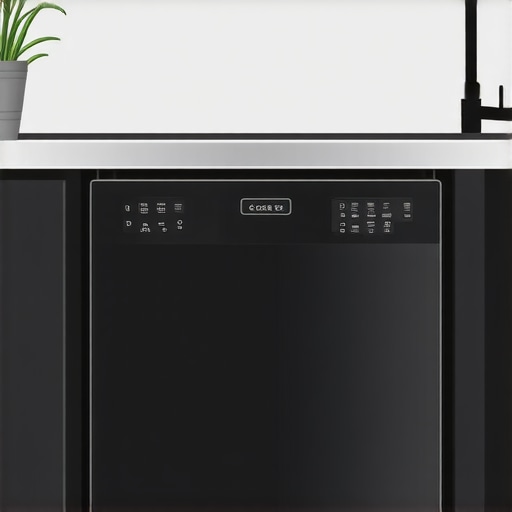
I’ll never forget the moment I realized my cramped kitchen was crying out for a solution—not just for cooking, but for laundry and dishwashing chaos too. It was a weekday evening, and I was balancing a mountain of dishes, laundry, and a shrinking counter space that made every task feel like a battle. Suddenly, I had a lightbulb moment: I needed appliances designed for very small kitchens—compact yet effective. If you’ve ever felt that frustration, you’re not alone. Small kitchens often mean sacrificing convenience, and I was determined to find a way to keep the space manageable without compromising on cleanliness.
The Challenge of Tiny Kitchens
Space is at a premium in tiny homes, apartments, and studio setups. Traditional dishwashers and laundry machines simply won’t fit without major renovations. But here’s the kicker—many people assume that small appliances are less capable or less durable. That’s a myth I had to bust early on. In fact, the latest innovative dishwashers are now packed with AI tech, optimized for efficiency and performance, even in the tightest spaces. Early on, I made the mistake of choosing a tiny dishwasher based only on price, ignoring its capacity or features. It resulted in constant reruns and frustrated mornings. Trust me, doing your homework pays off.
Why Your Kitchen Deserves a Slimline Dishwasher
Not only do slimline dishwashers save space, but they also bring undeniable convenience. Imagine popping in your lunch plates, coffee mugs, and small pans—all in half the time it takes to do hand-washing. Plus, modern models are ENERGY STAR rated, helping you lower utility bills without sacrificing cleaning power. Having a dedicated, efficient space for dishes means less clutter and more room for the things that really matter.
With more of us working from home and wanting to maximize every inch, integrating smart, compact appliances has become more than a luxury—it’s a necessity. And if you’re concerned about durability or performance, there are features like [advanced wash cycles](https://smartappliancereview.com/ultimate-guide-to-smart-home-appliances-for-a-modern-living) that address those fears. Your tiny kitchen can still be mighty, and I promise, investing in the right slimline dishwasher will transform your daily routine. Ready to find solutions tailored just for you? Let’s dive into what makes a great slimline dishwasher and how to select the perfect one for your space.
Selecting the Perfect Slimline Dishwasher
Start by measuring your available space precisely, including door clearance and ventilation needs. Think of your kitchen like a Tetris game—every inch counts. Use a tape measure to record width, height, and depth, then compare these with product specifications. For example, I once tried to fit a standard dishwasher into my 24-inch-wide kitchen, only to realize it was 24.5 inches with handles—cutting it close. The solution was a compact dishwasher designed specifically for small spaces, which fit comfortably and retained full functionality.
Assessing Capacity and Features
Next, consider what you need to wash regularly. If your household handles small loads, a 6-8 place setting capacity is sufficient. For example, I use a space-saving model that accommodates my daily dishes and cups without reruns. Features like adjustable racks, quick wash cycles, and smart sensors help optimize cleaning efficiency. Think of it like choosing a multi-tool—pick the features that suit your routine best.
Optimizing Laundry Appliances in Small Spaces
When selecting a washing machine, prioritize models that fit your space but also offer water and energy savings. A smart washing machine with load sensors adjusts water levels based on load size, preventing waste. I installed a narrow, high-efficiency front loader in my laundry closet and noticed significant savings in water bills—similar to how you would tune a car engine for maximum mileage.
Placement and Accessibility
Place your machine where it’s easy to load and unload without bending or stretching. Elevate it if possible with a small platform. In my case, I used a sturdy wooden crate, which made retrieving clothes much easier and reduced strain. Keep the area dry and ensure proper ventilation to prevent mold or odors—think of it as giving your appliance a mini home gym.
Integrating Smart Technology for Effortless Management
Smart appliances like refrigerators or dishwashers can be controlled remotely, saving you trips to the kitchen. For instance, I linked my smart dishwasher to my home automation system, so I could start a cycle during my commute. It’s like having a personal assistant who knows exactly when to clean up after your dinner. Check the compatibility of your appliances with your Wi-Fi network, and follow setup guides or consult tech support if needed—just like connecting a new phone to your smart home ecosystem.
Benefits of Automation and Monitoring
Utilize features like cycle alerts, maintenance reminders, and energy usage reports. Monitoring your appliances helps prevent breakdowns and save money. For example, I received a notification that my washer’s filter needed cleaning, which I did immediately, avoiding a costly repair. Think of it as giving your appliances a health checkup—keeping everything running smoothly and efficiently.
Many homeowners fall prey to misconceptions about home appliances, often leading to inefficient choices or premature replacements. For example, a prevalent myth is that all smart appliances instantly save energy and money. While smart tech can optimize usage, it’s essential to understand that certain settings and user habits impact actual savings. According to a 2024 report from industry experts, the real benefit lies in configuring devices correctly and leveraging their smart features intentionally.
What advanced homeowners overlook when choosing appliances
One often missed nuance is the importance of compatibility and integration. For instance, pairing a refrigerator with a smart home hub maximizes automation but only if both devices support standard protocols like Zigbee or Z-Wave. Failing to verify this compatibility results in dead-end connections, wasting time and resources. It’s a mistake I’ve seen frequently—buying trendy gadgets without checking their interoperability, leading to frustration.
Another common oversight involves understanding the actual lifespan of appliances. Consumers tend to believe that high-end models last significantly longer, but in reality, many components like compressors or electronic controls wear out due to manufacturing defects or improper maintenance. Regular servicing and smart diagnostics can extend appliance life, but many neglect these proactive measures.
Advanced tip for savvy appliance buyers
Focus on the hidden features that promote longevity and efficiency. For example, modern dishwashers with smart sensors can adjust water and energy consumption dynamically, reducing waste over time. Understanding and utilizing these features can significantly cut costs and preserve your appliances way beyond their average life expectancy. Prioritizing quality over just price, and reading expert reviews, gives you an edge in making smarter purchases.
Additionally, be mindful of the privacy implications of connected devices. Many smart appliances collect data on usage patterns, which could pose security risks. Consulting privacy policies before purchase can help you safeguard your home and information.
In conclusion, the key to mastering your home appliances is recognizing that more complexity often entails more responsibility. Don’t fall for the myth that new gadgets are foolproof; instead, embrace an informed approach, leveraging expert insights to optimize their potential. Have you ever fallen into this trap? Let me know in the comments. For more advanced tips on smart appliances, explore our comprehensive guide.
How Do I Maintain My Appliances Over Time? Practical Tools and Strategies
Ensuring your home appliances stay in top shape requires the right tools and a proactive maintenance mindset. Personally, I rely heavily on a few key pieces of equipment and software that have saved me time, money, and stress. A digital multimeter is indispensable for diagnosing electrical issues in devices like refrigerators and washing machines. I use a high-quality Fluke digital multimeter because of its reliability and precision—it’s a game-changer for quick troubleshooting without calling a technician. Additionally, a smartphone with specific apps, such as smart appliance management apps, allows me to monitor energy consumption, set alerts for maintenance needs, and even troubleshoot certain problems remotely.
Beyond tools, I swear by regular preventative routines. For refrigerator maintenance, I use a microfiber cloth and a soft brush to clean coils and vents monthly, preventing overheating and inefficiency. For dishwashers, vinegar runs through the cycle every few months to clear out mineral deposits, which I learned from expert advice. Consistent upkeep prolongs appliance lifespan, maintains efficiency, and even improves performance over time.
In the future, I predict smart diagnostics will become even more sophisticated, allowing appliances to alert us proactively about parts needing replacement before failure occurs. Companies like Samsung are already integrating AI-based predictive maintenance into their smart refrigerators, which can diagnose issues early—potentially saving hundreds in repair costs. As these technologies evolve, I expect a shift toward appliances that automatically schedule service appointments and order parts, reducing the burden on us homeowners.
What Are Some Essential Maintenance Habits for Longevity?
Starting with the basics, cleaning filters, coils, and vents regularly helps maintain optimal operation. Always check your user manual for recommended schedules—skipping these can lead to costly breakdowns. For instance, I learned that my high-efficiency washer’s filter should be cleaned every six months; neglecting this caused it to vibrate excessively, almost shaking the entire laundry closet. Implementing a reminder system—either via smartphone or an old-fashioned calendar—ensures these tasks aren’t forgotten. Also, using manufacturer-approved cleaning agents, like vinegar or specialized appliance cleaners, minimizes corrosion and buildup.
For those who want to take it a step further, I recommend investing in a thermal imaging camera—a niche but incredibly effective tool. It helps identify heat leaks or component failures long before they manifest as visible problems. This is especially useful for spotting insulation issues in refrigerators or electrical hotspots in laundry equipment. According to industry reports, such proactive measures are the future of appliance maintenance, reducing downtime and extending their total lifespan.
Try scheduling monthly inspections, using the right tools, and leveraging smart technology to monitor performance. These actions might seem small, but they compound into significant savings and better appliance longevity. Remember, a little effort goes a long way in keeping your home running smoothly. If you’re ready to embrace these advanced practices, start with a digital multimeter or a maintenance app today—your appliances will thank you!
The Hard Lessons No One Tells You About Small-Kitchen Hacks
One of the most impactful lessons I learned was that even the smartest appliances need user awareness to truly shine. For example, assuming my smart dishwasher would always optimize itself without my input led to wasted water and energy. It wasn’t until I took the time to set custom cycles and understand sensor feedback that I saw real improvements. This taught me that technology isn’t a magic bullet; it’s a tool that rewards those willing to learn its language.
Another insight was the importance of measuring and planning before buying. I once chose a device solely based on reviews or looks, but it turned out to be incompatible with my space and needs. The difference came when I evaluated specifications against my home’s exact measurements and routines—saving effort, money, and frustration. I now see that knowing your space intimately unlocks smarter appliance choices that genuinely fit—and function—perfectly.
I also discovered that maintaining appliances proactively—not just when they break—is key. Regularly cleaning filters, checking seals, and updating firmware can extend lifespan and improve performance. My experience with high-efficiency washers showed me that small, consistent habits prevent costly failures and keep my routines running smoothly. The lesson? Prevention often beats repair, especially in tight spaces where repairs can be disruptive.
Finally, I realized that integrating smart technology is about building an ecosystem—not just installing gadgets. Ensuring devices communicate seamlessly, using automation rules, and monitoring energy use have transformed my tiny kitchen into an efficient haven. It’s this holistic approach—embracing both the tech and the habits—that unlocks the full potential of small-space living.
Tools and Insights That Changed My Approach
My go-to resource is the Ultimate Guide to Smart Home Appliances. It provides comprehensive advice on selecting and using appliances that truly work in harmony. I also trust reviews from industry experts on future trends—keeping me ahead of the curve with innovations like AI-driven dishwashers and energy-efficient refrigerators. Finally, I rely on personal experience and community advice—sharing insights in forums helped me avoid costly mistakes and discover hidden features.
Make Your Space Work Harder for You
Your tiny kitchen doesn’t have to limit your lifestyle. By learning these lessons, embracing the right tools, and staying proactive, you can turn even the most compact space into a well-oiled, smart environment. Remember, the journey to a smarter, more efficient home starts with mindset and curiosity. Why not start today—explore those advanced features, measure your space, and plan your upgrades with confidence? Your home appliances are waiting to serve you better, and it all begins with a single step. Have you ever faced a challenge that turned into a valuable lesson? Share your story below—let’s learn together and keep making our tiny kitchens smarter and better suited for our lives.