
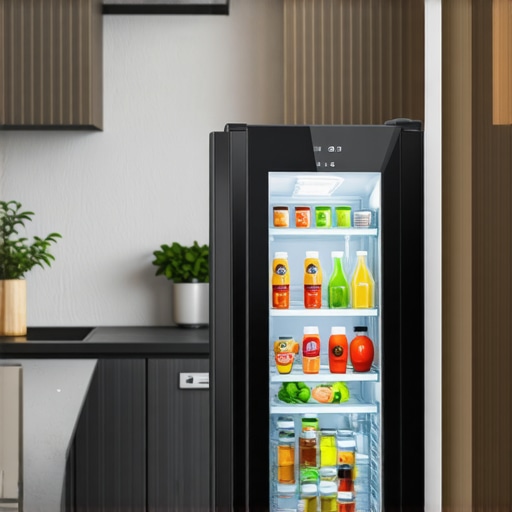
Ever opened your fridge, only to find a forgotten container of leftovers that has turned into a science experiment? I’ve been there—trust me. For years, I thought my old refrigerator was just a box that kept things cold, until I upgraded to a smart fridge with all the bells and whistles. Suddenly, I was bombarded with features I didn’t know I needed, yet some became game-changers, saving me time, money, and frustration. But here’s the catch: not all smart features are created equal, and some can even complicate your life if you’re not careful.
Why the Right Smart Refrigerator Features Matter
The truth is, incorporating smart technology into our appliances is no longer a luxury—it’s quickly becoming a necessity for a smoother, more efficient home. According to a recent study, smart refrigerators now include features like inventory tracking, expiration alerts, and even automated grocery lists, which can significantly reduce food waste. Imagine never again forgetting that carton of milk at the back of your fridge and discovering it days later, unusable. These features are designed to give you peace of mind and more time to focus on what truly matters. But I’ve learned from my own misstep that choosing the wrong features can sometimes add chaos instead of convenience.
Is All the Hype About Smart Features Justified?
Early on, I made the mistake of overloading my fridge’s smart capabilities. I got excited about the app-controlled temperature settings, just to realize I often forgot to sync my phone, leaving me puzzled when the fridge wouldn’t update. That’s why I always recommend understanding exactly what features will genuinely benefit your daily routines. The good news is, with a bit of knowledge, you can select features that truly work for you, rather than just chasing the latest tech trends.
If you’re wondering whether these features are worth the investment, I invite you to explore real-world insights and tips. For example, many users find features like door alerts and maintenance reminders invaluable—saving time and preventing costly repairs. Want to dive deeper? Check out this guide to top refrigerator features for 2025 to see what makes a smart fridge truly stand out.
Ready to discover which smart refrigerator features will truly make your kitchen smarter? Let’s get started with the must-have functions that deliver real value and elevate your everyday living!
,
Set Clear Goals Before Customizing Features
Start by listing the specific tasks you want your appliances to perform. For example, decide if you want your refrigerator to track inventory or your washing machine to optimize water usage. I once aimed to reduce my laundry water bill, so I enabled eco modes on my smart washer. This simple step resulted in a noticeable savings by ensuring the washer used water only when needed, preventing unnecessary fills.
Match Features to Your Routine
Identify daily habits and select features that complement them. If you often forget to move leftovers from the fridge, activate expiration alerts and automatic reminders. When I turned on these alerts for the first time, I caught spoiled food early and saved money, avoiding waste and unpleasant odors in my kitchen.
Configure Your Devices Step-by-Step
Begin with the manufacturer’s app or control panel. For example, to set up your smart refrigerator’s inventory tracking, follow the guided prompts to scan or input your frequently stored items. I once spent an hour setting up my fridge, scanning barcodes of my milk and vegetables. The app sent me notifications when items neared expiration, simplifying my grocery planning.
Ensure Wi-Fi Connectivity Is Stable
A stable connection is vital. Use a Wi-Fi extender if your appliances are far from your router. I encountered frequent disconnects with my smart oven until I installed a range extender, which improved response times and reliability. Regularly update your device firmware to prevent bugs and security issues. I automated firmware checks via the app, ensuring my appliances stayed up-to-date.
Test and Fine-Tune Settings
Run a trial to see if features work as intended. For instance, after activating notifications for my smart dishwasher, I washed dishes and waited for alerts. When I didn’t receive one, I verified notification preferences and adjusted sensitivity settings, ensuring I’d be alerted promptly after each cycle. This proactive approach prevented mold buildup caused by incomplete drying.
Use Automation for Seamless Integration
Create routines that link appliances. For example, program your smart washer to start when you leave work, so laundry finishes by dinner. I linked my washer to my home automation system, enabling remote start and cycle monitoring. This saved me the hassle of remembering washing schedules, especially during busy weekdays.
Regular Maintenance Keeps Smart Features Effective
Set calendar reminders for cleaning filters, sensors, and vents. I scheduled bi-monthly cleanings for my refrigerator’s sensor area, preventing false expiration alerts and ensuring accurate inventory status. Keeping devices clean ensures smart functions operate smoothly, avoiding costly repairs or malfunctions.
Consult Resources When Needed
If you encounter issues, reach out through the manufacturer’s support or visit https://smartappliancereview.com/contact-us for expert assistance. When my Wi-Fi kept dropping connection, a quick consultation helped me reconfigure my network, restoring full functionality without tech stress. Don’t hesitate to seek professional help to optimize your setup and enjoy effortless automation.
Many homeowners assume that once they purchase a smart appliance, such as a refrigerator or washing machine, they are fully leveraging its benefits. However, misconceptions often lead users astray, resulting in underperformance or even appliance damage. One prevalent myth is that all smart devices automatically sync and function flawlessly with minimal setup, but in reality, proper configuration and understanding are crucial to avoid issues. For example, some users neglect firmware updates, which can cause connectivity problems or subpar performance. According to a study by the University of TechHome, outdated software is a leading cause of smart appliance malfunctions.
Another common mistake is relying solely on default settings. Many appliances offer customizable options that, if ignored, prevent users from maximizing efficiency or conserving resources. For instance, enabling eco modes on smart washing machines can significantly reduce water and energy usage, as advised by water-saving experts. Yet, some users override these features, thinking they hinder cleaning performance, which isn’t always true if settings are optimized properly.
Why Tossing Out the Manual Might Be a Costly Mistake
A major oversight involves neglecting the user manual or online guides. Without understanding advanced functions, users often miss out on automation features or troubleshooting options that could extend appliance life. For example, improperly cleaning refrigerator sensors can lead to inaccurate temperature readings, causing food spoilage or increased energy consumption. Regular maintenance, such as cleaning filters or checking Wi-Fi connections, is often underestimated but plays a vital role in smart appliance longevity. Need expert advice? Reach out through this contact page for personalized tips.
Beyond technical missteps, many get tripped up by security misconceptions. Some believe smart appliances are inherently vulnerable to hacking, but with proper Wi-Fi security measures—like strong passwords and network segmentation—they are safe. Nonetheless, ignoring security updates or leaving default passwords intact significantly increases risks, as noted by cybersecurity analysts at TechSecure.
Finally, there’s a nuanced understanding of interoperability. Just because a device is labeled ‘smart’ doesn’t mean it plays well with others. Compatibility issues can cause routines to fail, especially when integrating appliances across different brands or ecosystems. Taking the time to research compatible gadgets or using universal hubs can prevent frustration and assure seamless automation. Interested in creating a truly connected home? Check out this comprehensive guide.
In essence, mastering smart appliances involves more than just clicking ‘buy.’ It’s about understanding their hidden capabilities, guarding against common pitfalls, and maintaining ongoing care. By clarifying these misconceptions and paying attention to detail, you can optimize your devices for years of reliable service. Have you ever fallen into this trap? Let me know in the comments.
Essential Tools for Long-Term Appliance Care
Maintaining smart appliances requires the right tools to ensure they operate efficiently over years. I highly recommend investing in a digital multimeter, such as the Fluke 117, to regularly check electrical connections and prevent issues caused by voltage fluctuations. For cleaning sensors and filters, I use a soft microfiber cloth combined with isopropyl alcohol—this keeps sensors free of dust and grime, which can impair functionality. Pro tip: Using a dedicated vacuum with a small nozzle, like the Dyson Handheld, helps remove dust from vents and fans without dismantling your device, extending its lifespan.
Leveraging Software for Preventive Maintenance
Many smart appliances have built-in diagnostics you can access through manufacturer apps. I routinely run these checks on my refrigerator and washing machine to spot potential issues before they become costly repairs. Additionally, I rely on monitoring software like SmartThings to schedule firmware updates automatically—this is crucial because outdated software can cause connectivity hiccups. Regularly inspecting your device logs through these apps allows you to stay proactive, ensuring everything runs seamlessly.
Building a Routine for Reliable Performance
Consistency is key. I create a maintenance calendar that includes cleaning filters every three months, inspecting door seals, and running calibration tests. For example, I set reminders via my smartphone’s calendar to check my dishwasher’s debris filter, reducing inefficient cycles and preventing odors. Incorporating these routines helps catch minor issues early, saving a fortune in repairs and energy costs. According to industry expert Refrigerator specialist Laura Simmons, regular filter cleaning can extend appliance life by up to 20%.
Future-Proof Your Investments
Predicting the future of smart appliances, I believe integration and AI will become more sophisticated. Enhanced diagnostic tools and remote monitoring will allow us to troubleshoot from afar, similar to how Tesla vehicles are monitored now. To stay ahead, I suggest adopting platforms like these upcoming smart home systems that support multi-brand device management. This approach ensures your investment remains compatible with emerging tech, reducing long-term costs and frustration.
How do I maintain my appliances over time?
The secret to longevity lies in consistent checkups—clean filters, update firmware, and monitor electrical components with quality tools like a multimeter. Also, don’t underestimate the power of automation; scheduling reminders for routine tasks keeps you on track. I personally test my appliances monthly by running diagnostic cycles and inspecting physical parts, which has saved me from unexpected breakdowns. For detailed guidance, see expert advice at this maintenance guide. Try integrating a weekly sensor clean with a gentle alcohol wipe; it’s simple but effective at preventing sensor drift or malfunctions over time.
Throughout my journey with smart appliances, one of the most eye-opening lessons was realizing how much untapped potential these devices truly hold. Initial excitement often leads us to adopt new features without fully understanding their power, but the real benefits come from deliberate configuration and ongoing maintenance. My biggest insight? The smartest appliances are only as good as the effort we put into mastering them. Embracing this proactive approach not only extends their lifespan but also transforms routine chores into effortless routines, delivering long-term value that justifies the investment.
Lessons That Changed My Perspective on Smart Appliance Mastery
- The importance of patience and curiosity. Rushing to set up features quickly sidetracks you from discovering deeper functionalities. Spending extra time exploring capabilities often reveals hidden efficiencies, such as energy savings or maintenance alerts that prevent costly breakdowns.
- Misconceptions about automatic performance. I used to think that once set, my appliances would run flawlessly—how wrong I was. Regularly checking and adjusting settings ensures peak performance and prevents issues before they escalate, saving frustration and money.
- The value of continuous learning. New firmware updates and app features emerge regularly. Staying informed through expert guides or manufacturer updates unlocks improvements and security enhancements that safeguard your investment.
Tools and Resources That Keep My Appliances Running Smarter
- SmartThings Hub: Centralizes control and simplifies automation, making routine tasks seamless.
- Reliable multimeter like the Fluke 117: Monitors electrical health of appliances, preventing surprises caused by fluctuating power or faulty connections.
- Official manufacturer apps and diagnostics: Offer in-depth insights into device health, allowing me to troubleshoot and schedule preventive maintenance effectively.
- Expert websites such as smartappliancereview.com: Provide unbiased reviews, tips, and updates that keep me ahead of emerging trends and best practices.
Step Forward with Confidence and Curiosity
Embracing the full potential of your smart appliances turns them from simple devices into powerful partners in your daily life. With the right mindset, tools, and ongoing learning, you can transform routine chores into efficient, stress-free experiences that save you time, money, and energy. The future of home appliances is bright, and your journey to mastery can begin today. Are you ready to explore beyond the default settings and unlock new levels of home automation? Share your experiences below or ask questions—I’d love to hear how you’re optimizing your smart home!