
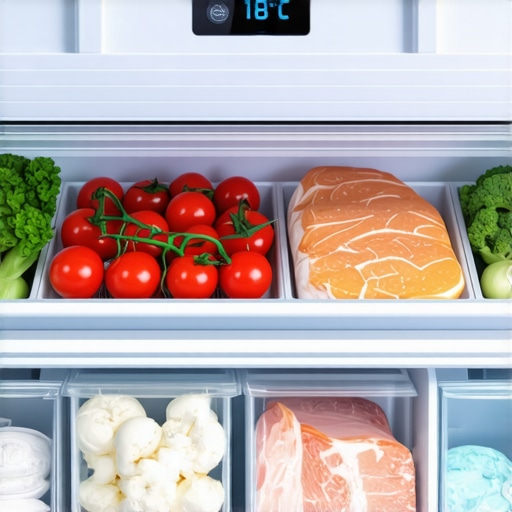
I remember the first time I opened my freezer and noticed those pesky ice crystals forming on my frozen veggies. It was a lightbulb moment that made me realize I’d been doing it all wrong. I used to think that just setting my freezer to the lowest possible temperature would keep everything perfectly frozen. But in reality, I was overdoing it, wasting energy, and inadvertently risking freezer burn on my favorite foods.
Why is Setting the Right Freezer Temperature More Critical Than You Think?
Getting the temperature just right isn’t just a matter of energy savings—it’s about protecting your food’s quality and flavor. A freezer that’s too cold can cause rapid dehydration of food and lead to freezer burn, which ruins textures and tastes. Conversely, if it’s too warm, bacteria might survive, compromising safety. And let’s be honest, nobody wants a freezer full of frostbitten chicken breasts or ice-encrusted bread. Early on, I made the mistake of assuming that the colder the better, but I learned that balance is key.
Is the Hype About Ultra-Low Freezer Settings Worth It?
To be honest, I once set my freezer to -20°F (-29°C), thinking it was the safest bet. Turns out, that’s overkill for most households and leads to higher energy bills. According to the Department of Energy, the ideal freezer temperature to prevent freezer burn and optimize energy efficiency is around 0°F (-18°C). I learned this lesson the hard way—wasting energy and risking the quality of my groceries. Avoiding common mistakes like this can make your appliance last longer and save you money. Want to learn how to find that sweet spot for your freezer? Stick with me, and I’ll show you how to dial in the perfect temperature, drawing on personal experience and expert advice. If you’re wondering whether your current setting is doing more harm than good, keep reading—we’ll cover how to measure and adjust for optimal results, including tips from industry pros on maintaining your freezer’s performance. And for those curious about how smart tech might help, check out [the latest innovations in dishwashers with AI technology](https://smartappliancereview.com/innovative-dishwashers-with-ai-technology-you-must-know), which ties into overall smart home appliance trends.
Set the Temperature Properly
Start by locating your freezer’s temperature control, usually inside the door or on the back panel. Use a thermometer to check the current temperature; if it reads above 0°F (-18°C), adjust the dial or settings downward. For my experience, I once set it to -10°F (−23°C) without checking, which caused icy buildup and higher energy bills. After reducing the temperature to the recommended 0°F, I noticed less frost and smoother operation within days.
Use a Reliable Thermometer
Invest in a digital or analog freezer thermometer for precise readings. Place it in the center of the freezer, not near the door or walls where temperature can fluctuate. Regularly check the readings, especially during seasonal changes. I learned this the hard way when my freezer’s indicator showed it was fine, but the thermometer revealed it was actually a few degrees warmer, risking food spoilage. Accurate measurement prevents guesswork and helps you maintain the ideal environment.
Monitor and Adjust Consistently
Set a reminder to check temperatures weekly. Keep records of your readings to identify patterns—if temperatures drift, reassess the control settings. Over time, the freezer’s compressor and seals can weaken, affecting cooling efficiency. During a particularly hot summer, I increased the setting slightly because the temperature rose above safe levels. This proactive approach keeps your food safe and prevents energy waste.
Optimize Freezer Organization for Airflow
Arrange items so that airflow isn’t obstructed—avoid overpacking and leave space around vents. Proper circulation ensures consistent temperatures throughout. I once crammed my freezer with frozen pizzas and leftover containers, which caused uneven cooling and frost accumulation. Clearing up space improved airflow, stabilized the temperature, and reduced frost buildup, making maintenance easier. Think of it like a traffic jam: clear roads keep everything moving smoothly.
Implement Additional Measures for Efficiency
Regularly defrost manual freezers and defrost sensors if applicable. Keep the door seals clean and intact to prevent warm air leaks. Applying these tips can extend your freezer’s lifespan and save energy. I found that cleaning the door gasket with warm soapy water every few months prevented condensation leaks and kept temperatures stable, avoiding costly repairs down the line.
Many people assume that all washing machines are created equal or that smart appliances simply replace traditional models without any extra considerations. However, as an appliance expert, I can tell you that these misconceptions can lead to costly mistakes and subpar performance. For example, a widespread myth is that higher cycle speeds always mean cleaner laundry, but in reality, excessively fast cycles may damage delicate fabrics and do a poorer job with thorough cleaning. Instead, choosing the right cycle duration based on your laundry load is more effective and preserves your clothes longer.
Are Smart Appliances Truly Worth the Investment? Here’s What You Might Not Know
Many assume that the latest smart appliances automatically optimize your energy use, but unless you leverage their full features—like setting custom cycles and monitoring usage—they might not deliver the promised efficiency. Moreover, some users overlook firmware updates, which can fix bugs and improve performance over time, as emphasized by appliance industry specialists. Not updating your smart devices can leave you vulnerable to glitches and security issues, which is why regular maintenance and checks are essential. For instance, not cleaning your refrigerator’s sensors can cause false temperature readings, leading to energy waste and food spoilage. Also, an often-hidden trap involves overloading dishwashers, thinking more dishes will clean faster, but this obstructs water flow and results in poorly washed items. Always follow capacity guidelines for best results. Another nuanced point is understanding how different brands’ technologies interact—sometimes, combining incompatible smart systems can hinder overall appliance performance. Want to master these hidden intricacies? Dive into our comprehensive guides, like [the ultimate guide to smart home appliances](https://smartappliancereview.com/ultimate-guide-to-smart-home-appliances-for-a-modern-living), to avoid these pitfalls. It’s vital to recognize that advanced features don’t replace good habits. Regularly checking and maintaining your appliances—be it cleaning filters, leveling units, or clearing vents—can extend their lifespan significantly. For example, neglecting refrigerator coils can increase energy bills and shorten appliance life, a common oversight despite industry recommendations ([see expert tips here](https://smartappliancereview.com/clean-your-refrigerator-coils)). Finally, being aware of the often-overlooked costs of repairs for smart appliances, including software reprogramming or sensor replacements, can save you surprises down the line. In essence, understanding the complex reality behind these devices empowers you to make smarter, more sustainable choices. Have you ever fallen into this trap? Let me know in the comments.
Equip Yourself for Longevity: Tools I Swear By
Over the years, I’ve learned that having the right tools is essential to maintaining home appliances efficiently. A digital infrared thermometer is invaluable for quickly gauging whether your refrigerator or oven is operating at the correct temperature—saving you energy and preventing spoilage. I personally use the ThermoPro HP01 because it gives instant, accurate readings, especially in tricky spots like behind the fridge or deep inside the oven cavity.
Another key tool is a dedicated vacuum attachment with a crevice tool to clean condenser coils on refrigerators. Regular coil cleaning, recommended by industry experts, can improve efficiency and reduce energy bills. For me, using a coil brush attachment connected to a handheld vacuum makes quick work of this task, which is crucial since dirty coils cause compressors to overwork, shortening appliance lifespan.
Smart Monitoring Technologies Keep You Ahead of Problems
Smart sensors and monitoring systems are transforming appliance maintenance. Devices like the smart home appliances guide highlight how sensors can alert you proactively if your fridge door remains ajar or if temperatures fluctuate. Personally, I’ve installed a Wi-Fi-enabled refrigerator sensor that sends notifications to my phone if the door opens unexpectedly, preventing spoilage without constant manual checks.
In the future, I predict increased integration of AI-driven diagnostics that will automatically schedule maintenance or order part replacements before breakdowns occur, much like predictive analytics in industrial settings. Staying ahead of issues will become more accessible with these advanced tools, saving both frustration and money.
Addressing Long-Term Maintenance Challenges
Consistent upkeep is key. For example, replacing water filter cartridges in refrigerators every six months is vital—they can cause mold growth or blockages if neglected, impacting appliance efficiency. Using high-quality filter brands recommended by manufacturers ensures durability, as noted in expert advice on selecting fridge filters.
Additionally, routine firmware updates for smart appliances are crucial. These updates fix bugs, improve efficiency, and enhance security. I schedule monthly checks on my devices, ensuring they run the latest software despite the hassle—because neglect can lead to vulnerabilities or decreased performance. Try setting a recurring reminder on your phone to check for updates; it’s a small step that pays off in the long run.
How do I keep appliances working smoothly over time?
The secret lies in combining proper tools with regular checks. For instance, pairing a reliable thermometer with scheduled defrosting cycles keeps your freezer in prime condition. Don’t forget to clean filters, seals, and coils periodically. For added peace of mind, installing smart real-time sensors can help you monitor the health of your appliances remotely, catching issues early before they escalate. Incorporate these practices, and you’ll extend the lifespan of your appliances significantly—plus, you’ll save on costly repairs. Why not try calibrating your refrigerator’s thermometer using a simple digital probe this weekend? It’s an easy step with big rewards in food safety and energy efficiency. For more detailed guidance, check out our comprehensive guide to smart home appliances.
Lessons From My Appliance Journey — What I Wish I Knew Sooner
One of the biggest revelations I had was realizing that not all smart appliances are set-and-forget. Early on, I believed that pressing the ‘smart’ button or downloading an app would automatically optimize my appliances, but I quickly learned that regular updates and proper maintenance are crucial. Another lightbulb moment was understanding that overloading my washer or fridge not only hampered performance but also shortened their lifespan. Lastly, I discovered that simple tools like a digital thermometer and routine coil cleaning can save hundreds over the years—small habits that make a big difference.
Tools That Changed How I Care for My Appliances
I’ve come to rely on specific tools that make maintenance much more manageable. A reliable digital infrared thermometer helps me ensure my refrigerator and oven stay within optimal ranges, preventing energy waste and spoilage. For cleaning, a coil brush attachment for my vacuum has made it effortless to keep condenser coils spotless, boosting efficiency. I also trust the comprehensive smart appliance guide I followed early on for detailed tips on integrating smart features properly and avoiding pitfalls for long-term savings. These tools and resources have become essential components of my appliance care routine.
Your Next Step in Smart Appliance Success
Now, it’s your turn to take proactive steps toward extending your appliances’ lifespan and optimizing their performance. Regularly checking and calibrating your devices, updating firmware, and maintaining good habits can drastically improve efficiency and safety. Embracing smart technology is more than a trend—it’s a mindset. Why not start by evaluating your current settings or scheduling a cleaning session this weekend? The future of home appliances is exciting, and you can be at the forefront with just a few simple actions. Ready to enjoy a smarter, more efficient home? Share your thoughts or ask questions below—I love helping fellow appliance enthusiasts make the most of their investments.