
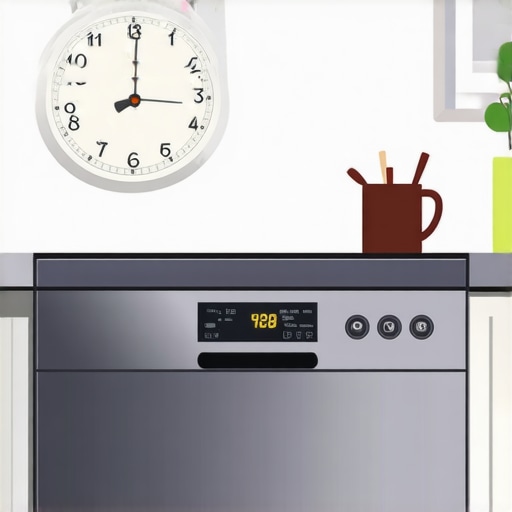
One evening, I caught myself staring at my dishwasher, wondering if I’d just wasted half my electricity bill again. It’s that moment of realization that sneaks up—when you finally connect the dots between appliance habits and your wallet. For years, I was guilty of running my dishwasher whenever I remembered, without considering the costs or the best timing to maximize savings. It was only after a few months of skyrocketing bills that I had my lightbulb moment: timing really matters.
Why Timing Your Dishwasher Runs Can Keep More Cash in Your Pocket
Running your dishwasher at the wrong time can secretly drain your wallet, especially during peak electricity hours when rates are highest. However, shifting your cycle to off-peak times, typically late at night or early mornings, can significantly cut costs. This isn’t just about saving pennies; it’s about smart appliance use that supports your budget and the environment. Since appliances like dishwashers tend to draw a lot of power, understanding when to use them can lead to real savings over time.
Research shows that electricity rates fluctuate throughout the day, and some utility companies encourage consumers to operate appliances during off-peak hours. I learned this the hard way—by making a mistake early on. I used to run my dishwasher right after dinner, unaware I was contributing to unnecessary energy consumption when demand was highest. That small mistake added up, inflating my bills and making me wonder if I was missing out on savings.
Have you ever found yourself wondering if you could save money by simply changing when you wash your dishes? If so, you’re not alone. Many homeowners overlook the power of timing, yet it’s one of the easiest ways to reduce costs without sacrificing convenience.
To guide us through optimizing dishwasher use, I’ll share practical tips on choosing the right times and setting your appliance accordingly. The goal is straightforward—get your dishes clean while keeping your bills as low as possible. But before diving into the how-to, let’s address a common skepticism.
Set Your Dishwasher to Off-Peak Hours
First, identify when your utility company offers lower electricity rates—usually late at night or early morning. Check your bill or utility’s website for these timeframes. For example, I started running my dishwasher at midnight, which immediately reduced my energy costs. Think of your electricity as a mountain—peak hours are the summit where rates spike. Running your dishwasher during the valley minimizes that surcharge.
Leverage Smart Features and Timers
Many modern dishwashers come with timers or smart scheduling capabilities. If yours is manual, consider adding a smart plug compatible with your appliances. This setup allows you to program your dishwasher to start automatically during off-peak hours. I used a smart plug with scheduling features, setting my dishwasher to run at 2 am. It’s like giving your appliance a nudge to work when rates are low, without your intervention.
Optimize Load and Cycle Choices
Efficiency isn’t just about timing but also about how you load and select cycles. Use eco-friendly cycles, which typically consume less energy and water. Loading dishes properly—saving space and avoiding overstuffing—ensures each cycle runs optimally. Think of your dishwasher as a car—it performs better when properly tuned, and heavier loads during off-peak hours maximize savings.
Sync with Household Routines
Adjust your schedule so washing occurs when household activity is minimal, like late at night. This not only saves energy costs but also prevents congestion during peak hours. For instance, I shifted my cleaning routine to late evenings, which also kept my kitchen quieter. It’s like timing your chores just right to avoid the rush and benefit from lower rates.
Utilize Appliance Automation and Integration
For a truly hands-off approach, integrate your dishwasher within a smart home ecosystem. Using platforms like Alexa or Google Home, you can schedule and monitor cycles remotely. For example, I linked my dishwasher to my smart home app, setting it to start automatically at dawn. This approach guarantees you’re making the most of off-peak hours without remembering to start the machine manually, turning your appliance into a cost-saving partner.
Adjust Based on Your Utility’s Rate Structure
Utility companies often change their rates seasonally or during certain times of the day. Regularly review your billing and adapt your scheduling accordingly. For example, during summer months, my rates shift to late evenings, so I update my dishwasher schedule. This practice ensures you’re always operating at the lowest possible cost, much like adjusting your navigation to avoid tolls on a road trip.
When it comes to integrating smart appliances into our homes, many of us operate under common misconceptions that can hinder optimal performance and cost savings. While the convenient allure of features like remote monitoring and automated cycles is undeniable, understanding the nuanced limitations and pitfalls of these devices is essential for truly leveraging their potential. Let’s dig deeper into what often goes unnoticed.
One widespread myth is that upgrading to the latest smart refrigerator or washing machine automatically guarantees energy efficiency and long-term savings. In reality, many consumers focus on flashy features like touchscreens or interior cameras, neglecting crucial factors such as the appliance’s actual energy rating, firmware management, and compatibility with existing home automation systems. For instance, many high-tech fridges can be *less* energy-efficient if they are not properly calibrated or if their smart features are not updated regularly. A recent study by industry experts emphasizes that neglecting firmware updates can lead to increased power consumption and compromised security, making your investment less effective than anticipated.
Another common mistake is overestimating the AI capabilities of these devices. While manufacturers boast advanced sensors and learning algorithms, the true benefit often lies in proper usage rather than the device’s inherent intelligence. For example, a smart dishwasher that claims to detect soil levels might not perform optimally if loaded improperly or if user preferences aren’t configured correctly. Overreliance on automation without understanding its limits can lead to inefficient cycles and wasted resources.
The ‘Oops’ factor here is assuming that all smart appliances communicate seamlessly out of the box. Compatibility issues are more prevalent than most realize, especially with older smart home hubs or third-party automation platforms. Frustration ensues when consumers discover that their latest appliance refuses to sync or behaves unpredictably. Before making a purchase, it’s critical to consult detailed reviews or manufacturer specifications—something I learned the hard way when my smart washer didn’t integrate with my home automation system, causing unnecessary headaches.
Advanced readers often ask, how can I ensure my smart appliances truly enhance my home’s efficiency without falling into these common traps? The key lies in a holistic approach: research energy ratings thoroughly, keep firmware updated, and understand the device’s actual capabilities versus marketing promises. For a comprehensive guide, check out the [ultimate resource on choosing the right smart appliance](https://smartappliancereview.com/choosing-the-right-refrigerator-tips-from-industry-experts) and learn how to avoid misleading features.
Remember, smart appliances are tools that require informed use. They’re not magic fixes but enhancements that, when understood and properly managed, can optimize your home’s performance and your budget. Have you ever fallen into this trap? Let me know in the comments.
Investing in Reliable Equipment and Software
Ensuring your smart appliances remain efficient over time starts with choosing quality tools and maintaining software updates diligently. I personally rely on the ultimate guide to smart home appliances to stay informed about the latest recommended devices and firmware updates. Regularly updating your appliances’ firmware, much like updating your phone’s OS, keeps your devices secure and operating at peak efficiency, preventing performance degradation or security vulnerabilities.
Routine Mechanical Checks and Cleaning
Consistent physical inspections go a long way. For example, cleaning the filters in your refrigerator and checking for ice build-up can prevent long-term issues. When it comes to washing machines, I recommend periodically inspecting the door gasket and running descaling cycles—especially in areas with hard water—to avoid mold and mineral build-up that can compromise functionality. Using a descaling agent recommended by the manufacturer ensures the components remain free of mineral deposits, extending their lifespan and maintaining energy efficiency.
Implementing Automated Maintenance Reminders
Modern smart appliances often come with built-in diagnostics and notifications, but I go a step further by integrating them with IFTTT or similar automation platforms. This setup allows me to schedule regular reminders—like cleaning filters or running maintenance cycles—without manual effort. For instance, a simple script can notify me monthly when it’s time to clean refrigerator coils, which I’ve found significantly reduces cooling costs and prevents appliance breakdowns. Check out the latest AI-enabled dishwashers for smart diagnostic features that help catch issues early.
Tools I Use to Keep Appliances Running Smoothly
From digital multimeters to leak detectors, I equip myself with essential tools that facilitate troubleshooting. For example, a non-contact voltage tester helps verify power delivery, and a smartphone thermal camera allows me to detect overheating components early. These tools empower me to perform minor repairs myself, saving time and money. Additionally, subscribing to manufacturer support apps provides firmware updates and diagnostic logs to proactively address potential issues.
Where Smart Trend Is Heading
Looking forward, the integration of AI and machine learning into home appliances suggests even smarter maintenance strategies—predictive analytics that notify you of issues before they occur, based on usage patterns and sensor data. Experts predict that by 2025, appliances will continuously self-diagnose and even suggest optimal usage settings to maximize longevity and efficiency. Staying ahead with these tools means you’re not just reacting to problems but preventing them altogether.
How do I keep my appliances performing long-term?
The key lies in consistent maintenance routines, leveraging smart diagnostics, and using quality tools designed for appliance troubleshooting. Regular software updates and physical inspections prevent issues from escalating, saving you money and frustration over the lifespan of your devices. I encourage you to try implementing automated maintenance reminders with your current appliances—this small step can lead to substantial long-term benefits, making your smart home truly smarter and more reliable.
What I Wish I Knew About Smart Appliances When I Started
One of the most profound lessons I learned was that not all smart features are created equal—sometimes, more complexity means more potential for issues. I initially believed that upgrading to the newest models would automatically lead to better efficiency, but I discovered that compatibility and proper setup are key to reaping real benefits. Also, I underestimated the importance of firmware updates, which can significantly affect performance and security. Another lightbulb moment was realizing that automation alone isn’t enough; understanding your appliances’ capabilities enables smarter usage. Lastly, I found that investing in quality tools, like diagnostic apps and maintenance kits, empowers you to troubleshoot before costly repairs happen, saving both money and time.