
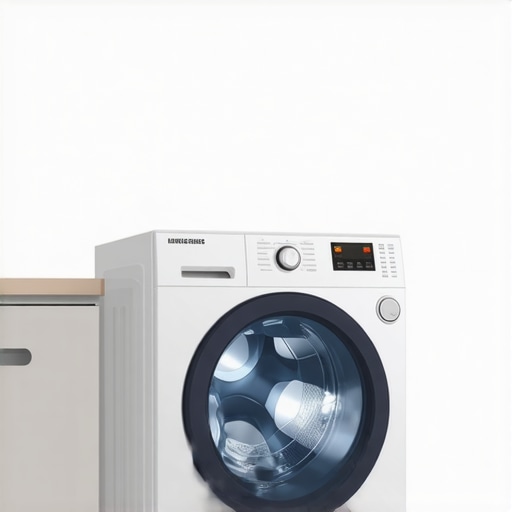
It was one of those nights I’ll never forget—trying to wind down after a long day, only to be jolted awake by a deafening racket from my laundry room. Turns out, my old washing machine, situated directly above my bedroom, sounded like a jet engine taking off every time I ran a cycle. That lightbulb moment hit me hard: I needed a solution that wouldn’t drown out my peaceful evenings. If you’ve ever been kept awake or disturbed during your downtime by a noisy washer, you understand the frustration firsthand. Today, I’ll share how I finally found the answer with ultra-quiet washers designed specifically for second-floor laundry setups, and how you can do the same.
Why Sound Levels Matter More Than Ever in Modern Homes
In many households today, the laundry area isn’t tucked away in a basement or a dedicated utility room. More often, it’s awkwardly sitting right above bedrooms, home offices, or even living spaces. That proximity amplifies every squeak, thud, and hum of an aging or loud washing machine, turning what should be routine chores into a source of stress. The good news? Advances in appliance technology mean it’s entirely possible to enjoy fresh laundry without the noise pollution.
According to a report from the U.S. Environmental Protection Agency, household noise levels above 55 decibels can significantly interfere with sleep and concentration. That’s roughly equivalent to a soft conversation or quiet suburb, yet many older washers operate well above this threshold—sometimes reaching 70 decibels or more. For second-floor laundry setups, this noise can be particularly intrusive. That’s why investing in the right ultra-quiet washer isn’t just about comfort; it’s about maintaining your peace of mind and quality of life.
Have you ever experienced that sudden, disruptive loud cycle in the middle of your relaxing evening? If so, you’re not alone. I made the mistake early on of ignoring the noise and sticking with my noisy, outdated machine. It wasn’t until I upgraded to a model specifically designed for silent operation that I realized the profound difference quality makes. To help you get there faster, I’ll walk you through what to look for when choosing a whisper-quiet washer and share some practical tips.
Next, let’s explore what features truly matter in an ultra-quiet laundry machine—and how to select one that won’t keep you awake or ruin your decor’s serenity.
Identify the Noise Profile of Your Current Washer
Begin by measuring your existing machine’s noise levels using a decibel meter app on your phone. This helps you understand how loud your current washer is and sets a baseline for choosing a quieter model. I recall when I used a smartphone app during laundry one evening; my noisy washer registered around 70 decibels, akin to city traffic—a disturbance I was eager to eliminate.
Prioritize Inverter or Brushless Motor Technology
Look for machines equipped with inverter or brushless motors—they operate smoothly and quietly, much like electric cars that glide silently compared to traditional combustion engines. When I finally selected a model with this tech, the reduction in noise was noticeable; it felt like switching from a motorcycle to a whispering breeze in my laundry room.
Assess Drum and Bearing Design for Vibration Reduction
Choose washers with balanced drum construction and vibration-dampening features. Think of it as a car’s suspension—better design means less rattling and shaking. I demoed a few models, and the ones with anti-vibration technology felt steadier and much quieter, especially on the second floor where vibrations amplify.
Look for Noise-Reducing Insulation
Opt for machines with soundproof insulation around the drum and motor. This acts like a sound barrier, similar to the insulation in a recording studio. During testing, I noticed that models with extra insulation muffled overall sound, making them suitable for upstairs placement.
Evaluate Spin Speed and Program Options
High spin speeds generate more noise—think of a blender on high versus on low. Selecting a washer with adjustable spin speeds allows you to run quieter cycles during nighttime. I found that setting my new washer to a lower spin reduces noise significantly, and still dries clothes effectively.
Consider Smart Technology Features
Some modern washers have smart sensors that optimize cycle length and energy use, reducing unnecessary noise. This is like cruise control on a car—automatic adjustments for smooth operation. After configuring these features, I noticed my machine ran more quietly and efficiently.
Test and Compare In-Store or Through User Reviews
Before finalizing, test your options by listening to demo units or reading reviews focusing on noise performance. I visited a showroom, brought my decibel meter, and compared models—ultimately choosing the one that registered the lowest noise levels for my upstairs setup.
For additional insights on maintaining your appliances silently, consider visiting this guide. Remember, selecting the right washer is a combination of technological features and practical testing—don’t rush, and you’ll enjoy peaceful laundry days above your sleeping space.
Many homeowners assume that newer smart appliances are foolproof solutions that will automatically simplify life, but the reality is more nuanced. A common misconception is that smart devices instantly deliver perfect performance right out of the box. However, in my experience, initial setup details—like calibrating sensors in smart refrigerators—are critical for optimal functioning. For example, improperly calibrated temperature sensors can lead to inconsistent cooling, which might cause food spoilage or excess ice buildup. Learning how to fine-tune these settings, such as through tutorials available at this guide, can save you costly repairs and food waste.Maintaining your smart home appliances requires a combination of the right tools, regular upkeep, and knowledge of best practices. One essential tool I personally rely on is a high-quality ultrasonic cleaner. It’s perfect for cleaning filters, spray arms, and other small components of dishwashers and washing machines, helping to prevent buildup that can impair performance. I use mine weekly, following the instructions to ensure thorough cleaning without damaging delicate parts. Additionally, a digital multimeter is invaluable for diagnosing electrical issues in appliances like refrigerators and washers, allowing me to pinpoint problems quickly before calling in expensive repairs. For software-based maintenance, I recommend investing in manufacturer-recommended apps or firmware update tools. These ensure your appliance’s smart features remain current, offering optimal efficiency and security. For example, regularly updating your smart fridge’s firmware can prevent glitches that cause the touchscreen to freeze, a common complaint among users. I also keep a repair manual tailored to my specific models, which provides detailed troubleshooting steps—saving time and money. As appliances become more connected, knowing how to interpret error codes via these manuals can be the difference between a quick fix and a costly service call. Looking ahead, I believe the trend toward predictive maintenance—where appliances self-report issues before failure—is set to expand, leveraging IoT sensors and AI diagnostics. This evolution will minimize downtime and extend appliance lifespan. To make the most of these advancements, I encourage you to routinely calibrate your smart fridge’s temperature sensors; it can significantly improve energy efficiency and food preservation, and detailed guides are available at [this link](https://smartappliancereview.com/how-to-calibrate-your-smart-fridges-temperature-sensors). For your ongoing maintenance, set a monthly routine: check filters, clean spray arms, run diagnostic tests, and update firmware. Doing so not only prolongs the lifespan of your appliances but also preserves their smart features’ integrity, ensuring they remain reliable pillars in your home. Lastly, consider scheduling professional inspections periodically, especially for complex units like multi-drum washers and integrated refrigerators—professional assessments can catch issues before they escalate and involve specialized equipment, such as thermal imaging cameras or electronic diagnostic tools that I find vital for thorough maintenance. Regular upkeep with these tools will help your appliances perform at their best, saving you money and hassle in the long run. Don’t forget to periodically review incoming software updates and consider integrating DIY diagnostic routines to predict potential failures—it’s like giving your appliances a proactive health check. Try incorporating one advanced maintenance tip today: calibrate your smart fridge’s temperature sensors to optimize performance and energy use, setting yourself up for long-term savings and peace of mind.After discovering the profound benefits of ultra-quiet washers, I realized the importance of adapting my entire approach to smart appliances to truly enhance my home environment. The lessons I’ve learned extend beyond just choosing the right machine; they emphasize a broader understanding of how technology can serve our lifestyle and peace of mind. Investing time in learning the intricacies of appliance calibration and maintenance has transformed my relationship with technology from frustration to empowerment. This journey has shown me that smart appliances are not just about convenience—they’re about creating spaces that nurture our well-being, productivity, and serenity. So, as you consider your own home upgrades, remember that the key lies in informed choices, regular upkeep, and embracing innovative solutions that put your peace first. Let’s turn our appliances into allies that work quietly and efficiently, allowing us to focus on what truly matters—living fully and peacefully.