
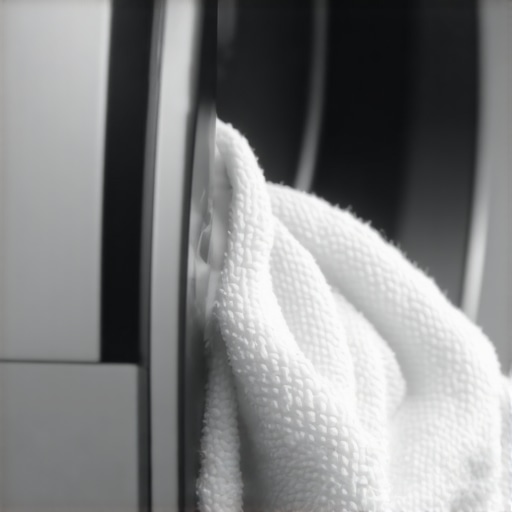
I’ll never forget the moment I reached into my washing machine and was hit with that unmistakable musty smell—that horrible mix of mildew and dampness that seemed to cling to everything. It was enough to make me question whether my laundry was getting truly clean or if my machine was secretly harboring a mold colony. That lightbulb moment pushed me on a quest to find the best way to clean a moldy front-load gasket, and spoiler alert—I had to learn the hard way.
Why Moldy Gaskets Are More Than Just a Smelly Nuisance
Many folks overlook the importance of a clean gasket, but the reality is, a neglected front-load washer gasket can become a breeding ground for mold, bacteria, and mildew. Not only does this impact the freshness of your laundry, but it can also pose health risks, especially if anyone in your home has allergies or asthma. According to the EPA, mold exposure can trigger respiratory issues and worsen asthma symptoms. Keeping your gasket mold-free is a simple but crucial step in maintaining a healthy home environment.
So, why is this issue so persistent? Well, the way front-load washers are designed, water tends to pool in the gasket area during wash cycles. If not properly dried, this moist environment becomes perfect for mold to flourish. It’s sneaky—mold hides in a tiny space you might not even notice, making it easy to forget about until the smell becomes unbearable.
Now, I’ll admit—I used to think that wiping the gasket occasionally was enough. I was wrong. Early on, I made the mistake of using harsh chemicals and not really reaching into the folds properly. Trust me, if you neglect this area, no amount of detergent will fully eliminate the mold. Instead, I discovered a reliable method that keeps my washer smelling fresh and my clothes spotless.
So, if you’ve faced this problem or want to prevent it from happening, stick with me. In the next sections, I’ll walk you through the most effective way to clean your front-load gasket and banish mold once and for all. Ready to breathe new life into your laundry routine? Let’s dive in!
Is Cleaning a Moldy Gasket Really Worth the Effort?
Absolutely. I’ve learned that ignoring this tiny detail can lead to bigger problems, including appliance damage and health concerns. A quick, regular clean can extend the life of your washer and keep your family safe. And if you want to explore more about how smart appliances are transforming home maintenance, check out this guide on future kitchen tech.
Now, let’s get to the practical part—how I finally cracked the cleaning code for my moldy gasket, and how you can do the same without harsh chemicals or frantic scrubbing.
Remove the Gasket and Prepare Your Workspace
Start by opening your washing machine door and gently pulling back the rubber gasket to access the folds where mold hides. Wear gloves and have towels or old rags ready to catch any water drips. Think of this as peeling back the curtain on a hidden problem—exposing the mold so you can tackle it directly.
Apply a Cleaning Solution Effectively
Mix equal parts white vinegar and water in a spray bottle. For tougher mold spots, add a few drops of tea tree oil, a natural antifungal. Spray generously into all folds of the gasket, making sure to saturate the mold-prone areas. This combination acts like a disinfectant and deodorizer—imagine it as a protective shield for your appliance.
Scrubbing the Mold Away
Use an old toothbrush or a soft cleaning brush to scrub the gasket’s folds thoroughly. Pay special attention to areas where you see visible mold or debris. As I discovered when I cleaned mine, gentle but firm scrubbing dislodges the mold more effectively than wiping alone, especially in those tiny crevices that resemble the labyrinth of a maze.
Rinse and Dry for Best Results
Wipe away the loosened mold and cleaning solution with a clean cloth. Dampen another towel with plain water and wipe again to remove residual vinegar or oils. For final dryness, leave the door open to allow the gasket to air dry completely. Think of this step as giving your washing machine a breath of fresh air—preventing future mold growth by eliminating residual moisture.
Run a Maintenance Cycle
After reassembling, run an empty hot water cycle with your machine’s cleaning or sanitize option, if available. This flushes out any lingering bacteria or mold spores, much like flushing out an infected pipe. Regularly doing this ensures your washer remains in peak hygiene condition, much like servicing a smart refrigerator to optimize freshness.
When I added this routine into my laundry schedule, I noticed a drastic reduction in odors and a cleaner smell on my clothes. It transformed my perception of appliance maintenance from a chore to an easy habit, much like updating software on smart home devices that keep the house running smoothly. For more tips on optimizing your appliance use, check out this guide on modern dishwashers with AI.
Many homeowners believe they fully understand how their appliances work, but in reality, several misconceptions can lead to subpar performance or even damage. For example, the widespread idea that running a dishwasher on shorter cycles saves energy is misleading; in fact, some energy-efficient models optimize cycle duration based on load, and choosing the wrong setting can waste water and electricity. Instead, consult the manufacturer’s recommendations or check out expert advice on smart dishwashers to maximize efficiency.
An often-overlooked misconception involves refrigerators: many assume that the colder, the better. But excessively low temperatures can cause food to freeze prematurely, reducing quality and increasing energy consumption. The optimal fridge temperature is around 37°F (3°C), as supported by industry experts. Understanding these nuances ensures longevity and performance.
Advanced users might wonder why smart appliances seem to underperform despite their supposed sophistication. The answer often lies in improper setup or outdated firmware that hampers functionality. Regularly updating your device’s firmware, as explained in this guide, prevents glitches and keeps features running smoothly.
A surprising trap many fall into is ignoring maintenance routines. For example, neglecting to clean refrigerator coils can reduce cooling efficiency by up to 25%, according to studies on appliance maintenance. Just like a car, your appliances need regular upkeep to perform optimally.
When it comes to smart washing machines, many assume they automatically detect the appropriate cycle. But relying solely on these sensors without understanding cycle options can lead to improper cleaning or fabric damage. Dive into this comprehensive review to learn how to choose the right settings.
Have you ever fallen into this trap? Let me know in the comments. Recognizing these hidden nuances can save you time, money, and frustration while extending the life of your appliances. Remember, staying informed is the key to a smarter, more efficient home.Ensuring your appliances stay in top condition requires more than just regular use; it demands the right tools, routines, and a proactive mindset. One essential tool I rely on is a digital infrared thermometer, such as the Fluke 62 MAX, which allows me to monitor surface temperatures of appliances like refrigerators and ovens. This helps in detecting early signs of overheating or malfunction before they become costly repairs, aligning with industry insights from expert sources like this detailed analysis. Additionally, I recommend investing in a quality multimeter, such as the Klein Tools MM700, to troubleshoot electrical issues by testing voltage and continuity effectively, saving both time and money. Regularly cleaning and calibrating these instruments ensures accurate readings over time, extending their lifespan and reliability.
Another crucial aspect is keeping a maintenance log — tracking when your appliances were serviced, cleaned, or parts replaced ensures that you follow a consistent schedule. For smart appliances, firmware updates are vital; I suggest setting reminders to check for updates monthly via the manufacturer’s app or website. These updates often include security patches, performance improvements, and new features that enhance long-term performance. For example, updating your refrigerator’s firmware can improve energy efficiency and extend its lifespan, as noted in this comprehensive guide.
What about scaling? As your household grows, so do your appliance demands. Upgrading to higher-capacity washing machines or energy-efficient models with smart features can save you significant time and resources. When selecting these, focus on models with adaptive cycle settings and real-time diagnostics, which make ongoing maintenance easier. Regularly running cleaning cycles with natural solutions like vinegar and baking soda, as I detailed in previous sections, further prolongs appliance life.
Looking ahead, the trend points towards fully integrated smart home systems that monitor appliance health automatically. Expect IoT-enabled appliances to communicate with each other, schedule maintenance, and even order parts or supplies proactively. Staying ahead involves not only choosing the right tools but also adopting a mindset of preventative care.
### How do I maintain my appliances over time?
Implementing a routine that combines the use of diagnostic tools, regular cleaning, firmware updates, and thoughtful upgrades will keep your appliances functioning efficiently. For example, installing smart plugs on certain devices can provide real-time energy consumption data, enabling smarter usage and early issue detection. Don’t forget to bookmark educational resources like this ultimate guide for ongoing learning and tips.
If you haven’t already, try using a digital infrared thermometer to assess your refrigerator’s cooling temperature or check your washing machine’s motor temperature after cycles. These small but powerful steps can significantly extend appliance lifespan and save you from unexpected breakdowns. Remember, proactive maintenance isn’t just about fixing issues—they’re about preventing them before they start.
What I Wish I Knew Before Ignoring That Musty Smell
My biggest lesson was realizing that routine wiping isn’t enough to prevent mold growth in front-load washers. Deep cleaning and regular maintenance can save you from costly repairs and health issues. Trust me, tackling the gasket thoroughly and consistently will keep your appliances running smoothly and your family safe.
Essential Tools That Became My Appliance Allies
Having a digital infrared thermometer to monitor appliance temperatures and a reliable multimeter for electrical checks transformed my maintenance routine. These tools help you spot problems early, ensuring your appliances perform optimally for years to come. I personally rely on brands like Fluke and Klein Tools because of their durability and accuracy.
Embracing Proactive Care for Peace of Mind
Investing in firmware updates, maintaining a cleaning schedule, and tracking appliance performance aren’t just chores—they’re investments in longevity. For example, regularly cleaning refrigerator coils can prevent energy waste and breakdowns. Staying informed through trusted resources like this guide empowers you to make smart choices and keep appliances in prime condition.
Ignite Your Appliance Confidence Today
Taking control of your home appliances through knowledge and routine can feel empowering. Each small step you take — from deep cleaning to digital monitoring — moves you toward a smarter, healthier living space. Remember, a proactive approach today ensures a smoother, more reliable home tomorrow.
What’s the first appliance maintenance step you plan to tackle this week? Share your goals in the comments below and start your journey toward appliance mastery!