
Ever opened your washing machine and been met with that musty, moldy smell that seems to cling to your clothes? I remember suddenly realizing that the rubber gasket around my front-loader was covered in dark, sticky mold—a sight that made me want to run for a different laundry routine altogether. That was my lightbulb moment: I hadn’t paid enough attention to that rubber seal until it became a breeding ground for mildew. Now, I know firsthand how unpleasant—and stubborn—that mold can be.
In this post, I’ll share the most effective ways to clean and prevent mold on your washing machine’s rubber gasket, helping you breathe easier every time you do laundry. We’ll go beyond quick fixes and dive into proven methods that really work, backed by personal experience and expert advice.
Why Ignoring That Moldy Gasket Costs You More Than Just Smell
Many homeowners overlook the importance of a clean gasket, thinking it’s just a minor detail. But, in reality, moldy gaskets can lead to foul odors, skin irritations, and even damage your machine’s functionality over time. According to appliance experts, neglecting mold buildup can significantly reduce your washer’s lifespan and increase energy costs due to inefficiency. Plus, mold spores can affect your health, aggravating allergies and asthma.
My mistake early on was assuming that simply wiping the mold away was enough. I didn’t realize that mold spores hide in tiny crevices and behind the rubber, waiting for the next damp cycle to thrive. If you’re like I was, you might have already experienced these issues firsthand or worry about them lurking in your own home.
Let’s explore how to properly tackle this stubborn problem, so that mold stays where it belongs—outside your washer, not inside. If you’re wondering whether this process is worth your effort, just check out the latest innovations in home appliance cleaning strategies—many of which emphasize preventative maintenance. Curious? Keep reading, and I’ll show you exactly how to restore your washer’s gasket to a fresh, mold-free condition.
Remove Loose Mold and Debris First
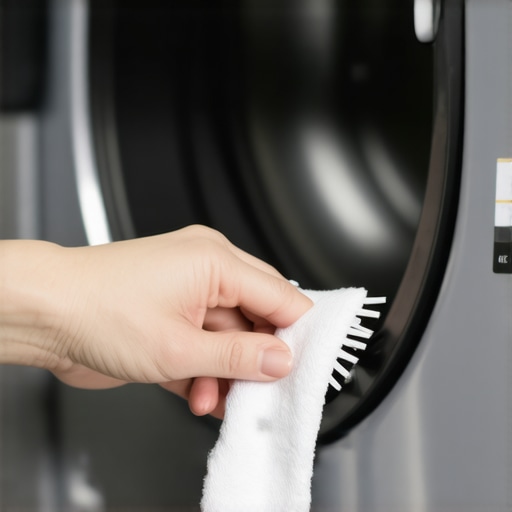
Start by opening your washing machine door and using a dry cloth or soft brush to gently dislodge any loose mold or dirt from the gasket’s surface. Think of this step as sweeping away debris before a deep clean, similar to clearing leaves from a garden bed before planting.
Apply a Vinegar and Baking Soda Solution
Mix equal parts white vinegar and water in a spray bottle, then add a tablespoon of baking soda. Spray this mixture generously onto the rubber gasket, focusing on areas with visible mold or grime. Let it sit for 10-15 minutes. This step is like giving your gasket a detox, breaking down mold spores and soap scum effectively.
Deep Clean with a Cloth or Brush
Using a soft cloth or an old toothbrush, scrub the gasket thoroughly to remove mold residues. Rinse the cloth frequently to avoid spreading mold. For stubborn spots, reapply the vinegar mixture and repeat the scrubbing. This is akin to giving your appliance a sponge bath—accessible yet highly effective.
Run a Hot Wash Cycle
After cleaning the gasket, run an empty hot water cycle with a cup of white vinegar inside. This flushes out any remaining mold spores and odors. Think of it as a surgical scrub—ridding your machine of bacteria and mold lurking in crevices, much like cleaning filters in refrigerators or dishwashers.
Prevent Future Mold Growth
Keep the gasket dry after each wash by wiping it with a dry cloth or towel. Leave the door slightly ajar to allow air circulation, preventing moisture buildup—just like airing out a damp towel to avoid mold.
Regular Maintenance Key
Repeat this cleaning process monthly, especially in humid climates. Maintaining a routine is like setting a regular appointment—a simple habit that keeps mold away and extends your washing machine’s lifespan. For more insights into appliance care, you can check out this comprehensive guide.
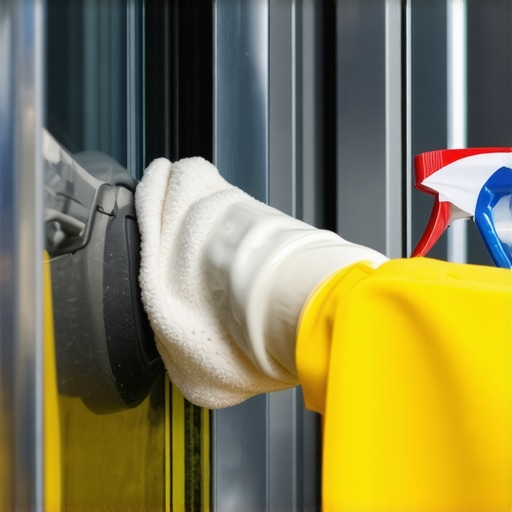 While many people believe they know everything about their appliances, the truth is that some widespread assumptions can lead to inefficiency and even damage. A frequent misconception is that using various cleaning agents interchangeably or excessively can prolong your appliance’s lifespan. However, in my experience and according to experts, overusing harsh chemicals can deteriorate components, especially in dishwashers and washing machines, leading to costly repairs. For example, relying solely on bleach for cleaning can corrode rubber seals, reducing your appliance’s effectiveness over time.
Are More Features Always Better for Your Appliances? Think Twice
Many consumers assume that the newest models with numerous bells and whistles are the best choice. But, in reality, complex features often require more maintenance and can be a breeding ground for issues if not used correctly. Industry research indicates that simple, well-maintained appliances tend to last longer, and their efficiency can often surpass that of overloaded high-tech units. Check out [this guide on smart appliances](https://smartappliancereview.com/innovative-dishwashers-with-ai-technology-you-must-know) to understand what features truly add value versus those that might complicate your routine.
Furthermore, a common mistake is ignoring regular maintenance, assuming that modern appliances are ‘set and forget.’ In fact, neglecting simple tasks like cleaning filters or inspecting hoses can lead to problems such as water leaks or poor cleaning performance. A proactive approach not only extends the life of your appliances but also ensures they operate at peak efficiency, saving you money in the long run.
Another trap is the belief that all appliances are equally energy-efficient. This is not true—costly energy bills can be minimized by choosing models with proven efficiency ratings, as discussed in [this article about water-saving washing machines](https://smartappliancereview.com/washing-machines-that-save-water-expert-advice-for-2025). Remember: what seems like a small difference in features or energy consumption can have a significant impact on your household expenses over time.
So, next time you shop for appliances or perform routine maintenance, question these common myths. Doing so can help you make smarter decisions and avoid costly pitfalls. Have you ever fallen into this trap? Let me know in the comments below!
Maintaining your appliances isn’t just about routine cleaning; it requires the right tools and a strategic approach to ensure longevity and optimal performance. Personally, I rely on specific equipment that makes this task more manageable and effective, saving me from costly repairs down the line.
Invest in a Quality Multimeter
One of my go-to tools is a reliable digital multimeter. I use it periodically to check the electrical continuity and voltage in my refrigerator, dishwasher, and washing machine. This helps me catch electrical issues before they become major problems. A good multimeter, such as the Fluke 117, offers precise readings and durability, making it an invaluable part of my maintenance toolkit.
Utilize Appliance-Specific Cleaning Brushes
For deep cleaning, I recommend investing in brushes designed specifically for appliances—like a dishwasher spray arm brush or a refrigerator gasket cleaning tool. These tools allow you to reach into tight spaces and remove mold, detergent buildup, or debris that standard cloths can’t reach. Personally, I find that a small, stiff-bristled cleaning brush drastically reduces buildup in hard-to-clean areas, thereby prolonging the lifespan of parts and preventing malfunctions.
Leverage Smart Monitoring Technologies
Smart home integrations are transforming appliance maintenance. I use smart sensors and apps to monitor my refrigerator’s temperature, energy consumption, and door status. These tools provide real-time alerts if something’s amiss, enabling me to address issues swiftly. For example, according to this comprehensive guide, smart appliances can predict failure patterns and suggest preventative actions, which is the future of appliance care.
Schedule Regular Deep Cleanings
Beyond tools, establishing a routine is essential. I perform deep cleanings bi-monthly, including descaling water dispensers and cleaning filters. Using appropriate cleaning agents, such as descaling solutions for refrigerators’ ice makers, maintains efficiency. These practices cut down on energy costs and ensure your appliances perform at their best.
Document Your Maintenance Mimics
Keeping a maintenance log helps track when specific tools or procedures were last used, preventing oversight. I jot down dates and what was done—like checking condenser coils or replacing filters—which helps in planning future preventive steps for my appliances.
Future Trends and How to Prepare
As devices become smarter, expect tools that can diagnose issues remotely and connect with service providers proactively. Industry sources predict an even greater integration of AI-driven diagnostics in home appliances by 2025, leading to fewer breakdowns and longer lifespans. Embracing these tools now can make future maintenance more seamless and less stressful.
If you haven’t already, I recommend trying a smart monitoring device on your refrigerator or washing machine. These gadgets can give you a real edge in long-term appliance upkeep and are worth the investment. Need help choosing the right tools? Feel free to reach out through our contact page.
The Hardest Lesson I Learned About Dishwashers and Smart Appliances
One of my biggest surprises was realizing that even the most advanced smart appliances require consistent, vigilant care. I once assumed that high-tech features meant they would automatically stay pristine—but neglecting routine cleaning and updates led to frustrating malfunctions. This taught me that tech can enhance convenience, but it doesn’t replace personal maintenance and awareness. Moreover, I learned that sometimes, simplicity in appliances—fewer complex features—can mean fewer problems and longer lifespan, making a case for balanced appliance choices. Lastly, I discovered that investing in quality tools and staying informed about industry trends truly pays off, saving time and money down the line.
My Trusted Tools for Appliance Care
Using a reliable digital multimeter has been game-changing, helping me preempt electrical issues before they escalate. I swear by appliance-specific cleaning brushes—they reach into tight spaces and remove mold or debris that regular cloths miss. Smart monitoring devices, connecting via apps, give me peace of mind by providing real-time alerts about appliance health, helping me stay proactive. Finally, I rely on industry-approved guides, like those linked in my articles, to make educated decisions about updates or replacements, ensuring my home remains efficient and safe.
Your Next Step Toward Smarter Living
Now, it’s your turn to embrace smarter appliance maintenance. Incorporate routine checks, stay informed about innovations, and don’t hesitate to seek help when needed. With a bit of effort, your appliances can perform better, last longer, and provide peace of mind. Remember, technology is a tool—your proactive approach makes all the difference in creating a seamless, efficient home. So, what’s the first step you’ll take today to boost your appliance upkeep? Share your plans below and let’s learn from each other!