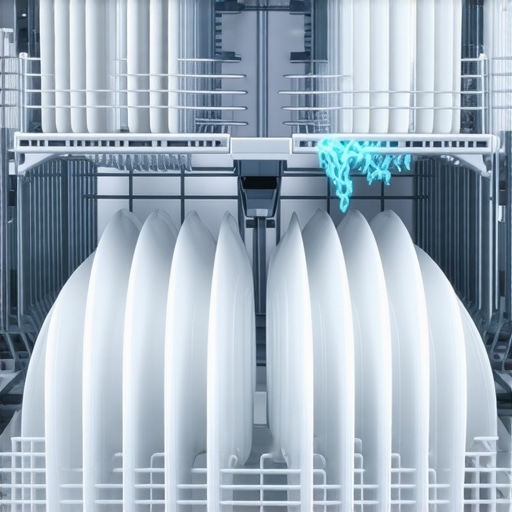
The Best Way to Stack a Dishwasher for Maximum Water Flow
Ever opened your dishwasher only to find dishes still half-dirty or with those pesky white spots? I used to think it was just me loading it wrong—until I realized that even small changes in how you stack your dishes can make a massive difference. There was this one moment, after a particularly frustrating cycle, when I had my lightbulb moment. I looked at my neatly loaded but poorly performing dishwasher and thought, “Is there a better way?” Turns out, yes! And it’s all about understanding the flow of water and how dish placement affects it.
The Secret to Better Cleaning Is in the Stacking Strategy
When it comes to dishwashers, most folks focus on choosing the right detergent or setting the right cycle. But I’ve found that optimizing how I load the machine is actually where the magic happens. Proper stacking ensures maximum water flow, so every dish gets thoroughly cleansed without wasting time or energy. Based on personal trial, error, and a bit of research, I’ll share the tips and tricks that transformed my dishwashing routine.
Is Proper Loading Really Worth the Hype?
Absolutely. Early on, I made the mistake of overloading my dishwasher without considering water circulation, which left some dishes spotless while others looked untouched. It’s a common mistake—trying to cram everything in, thinking that more is better. But in reality, overcrowding blocks water jets and prevents sprays from reaching all surfaces. Want to avoid that? Stay tuned, because I’ll guide you through the best stacking practices. Also, if you’re curious about other common dishwasher issues, check out [why your dishwasher leaves a white film on glasses](https://smartappliancereview.com/why-your-dishwasher-leaves-a-white-film-on-glasses-fixed) for even more helpful insights.
By understanding the proper arrangement of dishes, you’ll save water, energy, and money—plus, enjoy cleaner results every time. Now, let’s dive into how to stack like a pro and get those dishes sparkling.
Spread Out the Dishes for Water to Reach Every Surface
Once I learned to unstack my plates so they didn’t touch, I noticed a dramatic difference in cleanliness. Think of your dishwasher like an irrigation system; water needs clear paths to all plants. Place plates at angles, leaving space between, so spray nozzles can reach each one without obstruction.
Place Larger Items Strategically to Maximize Water Flow
Load larger items like pots and pans around the edges, leaning them slightly to avoid blocking the spray arms. During my last load, I balanced a baking sheet against the door while placing a colander nearby, ensuring both got washed thoroughly. This helps prevent water from bouncing off large objects and missing smaller dishes.
Secure Items That Might Tip or Flip
Use the racks’ clips or create gentle supports with utensils to keep lightweight plasticware from flipping over during the cycle. I learned this the hard way when a plastic container flipped, shielding another bowl from spray. Now, I double-check that each piece is stable—even if it’s just a plastic cup.
Load Utensils Correctly to Avoid Blockages
Group similar utensils together—forks with forks, spoons with spoons—and insert them handles-down for better water exposure. I once tried to load all my silverware randomly, resulting in some items still sticky. Organizing utensils reduces clutter and ensures water reaches every nook.
Optimize the Top and Bottom Racks
Place glasses and cups on the top rack, angling them downward, so water drains out and doesn’t pool inside. Plates and larger dishes go on the bottom, facing the spray arm. When I followed this, I eliminated the annoying white spots on my glasses, which you can read about in [why your dishwasher leaves a white film on glasses](https://smartappliancereview.com/why-your-dishwasher-leaves-a-white-film-on-glasses). Extending this idea, some dishwashers have specialized racks for odd-shaped items, which, when used properly, improve overall results.
Mind the Spinning Spray Arms
Ensure nothing is blocking the spray arms from spinning freely. During a load, I once forgot to clear a utensil from the arm’s path, reducing water distribution. Regularly checking and clearing debris from the arms guarantees even spray coverage.
Use the Right Detergent and Settings
While loading is key, don’t forget that using the correct detergent and cycle helps. For heavily soiled dishes, select a heavy-duty cycle—like those designed for baking pans and pots. For delicate items, choose a gentle cycle, possibly with extra drying. This multi-step process complements your stacking strategy for optimal cleanliness.
Follow these precise steps, and you’ll see a noticeable drop in the white spots, greasy residues, and leftover food. Proper loading isn’t just about tidiness—it’s about understanding water flow and maximizing your dishwasher’s potential to deliver sparkling results every time.
Many homeowners assume they know their appliances inside out, but in reality, there’s a lot of overlooked complexity. For instance, a widespread misconception is that all refrigerators operate optimally when set to the coldest temperature, yet setting the ideal range—not the maximum—actually prolongs the appliance’s lifespan and ensures proper cooling, as recommended by experts. Overusing high-energy cycles on washing machines can also speed up wear and tear; selecting delicate or eco-friendly modes often provides the same cleanliness with less strain.
A frequently ignored detail is the importance of maintaining and cleaning appliance filters regularly. A clogged dishwasher filter can significantly reduce performance, leading to recurring issues like white spots or greasy residues, which are often misdiagnosed as technical flaws when the real culprit is simple maintenance. To understand specific settings that people tend to misuse, check out [the hidden dishwasher settings that actually dry plastic bowls](https://smartappliancereview.com/7-hidden-dishwasher-settings-that-actually-dry-plastic-bowls), which can solve common drying problems.
One advanced trap many fall into relates to smart appliances. While these devices offer remote control and automation, neglecting firmware updates can expose your system to security vulnerabilities or diminish functionality. The misconception that smart features are ‘set and forget’ may lead users to miss out on performance optimizations. A prominent example is smart refrigerators that detect produce freshness; outdated firmware can cause false alerts, leading to unnecessary waste and expense. For more insights, see [how to stop your smart fridge from selling your data](https://smartappliancereview.com/how-to-stop-your-2026-smart-fridge-from-selling-your-data-2).
Considering the intricate workings of modern appliances, a critical nuance is understanding water flow in dishwashers. Many think that simply loading dishes correctly is enough, but the position of spray arms and the quality of water inlet filters play vital roles. A hidden trap is assuming that higher water pressure always equals better cleaning; however, excessive pressure can damage seals or lead to splash issues. Regularly inspecting and cleaning water inlets and spray arms ensures consistent performance, which is especially crucial if you notice lingering residues or uneven cleaning.
Furthermore, in the broader scope of appliances like washing machines, it’s essential to recognize the impact of detergent choice and cycle selection. Using too much detergent not only wastes money but also causes build-up inside the machine and on clothes—leading to skin irritation and poor washing results. Opting for HE (high efficiency) compatible detergent and the correct cycle for fabric types yields better care and longevity.
Are you guilty of some of these misconceptions? Have you ever fallen into this trap? Let me know in the comments! As you can see, unlocking these nuanced understandings can significantly enhance your appliance performance and lifespan. The key is to stay informed about proper usage, maintenance, and the advanced features that can make everyday tasks easier and more efficient.Maintaining your home appliances, from refrigerators to dishwashers, requires more than just routine cleaning. Investing in the right tools and adopting effective maintenance practices can significantly extend their lifespan and ensure optimal performance. One essential tool I personally rely on is a high-quality ultrasonic cleaner. It’s perfect for deep-cleaning small components like dishwasher filters and refrigerator door gaskets, removing hidden grime and bacteria that standard cleaning misses. Regularly using an ultrasonic cleaner can prevent buildup that leads to inefficiency and costly repairs. Additionally, a good set of screwdrivers and a multimeter are invaluable for troubleshooting and minor repairs—saving time and money by avoiding unnecessary service calls. I also recommend keeping a detailed maintenance log—tracking cleaning schedules, part replacements, and repairs—to identify patterns and prevent major failures before they happen. For smart appliances, firmware updates are crucial; neglecting these can diminish device functionality or pose security risks. Setting scheduled reminders to check for updates ensures your devices operate with the latest features and protections. Looking to the future, appliance maintenance will become increasingly automated, with IoT devices alerting homeowners to issues before they escalate. Embracing these smart diagnostics now makes sense, as it allows proactive care and reduces downtime.
How do I maintain my appliances over time to guarantee longevity?
Establishing a routine maintenance schedule is vital. Regularly inspecting seals, filters, and hoses prevents leaks and contamination. Use specialized tools such as a microfiber cloth and approved cleaning agents to avoid damage while cleaning delicate parts. For instance, cleaning the microfilter in your dishwasher every few months prevents clogging, which can lead to standing water or poor cleaning performance—more details can be found in [why your dishwasher bottom is filling with standing gray water](https://smartappliancereview.com/why-your-dishwasher-bottom-is-filling-with-standing-gray-water). In the long term, investing in these tools and habits pays off by reducing the need for costly repairs and upgrades. Try scheduling a thorough check-up of your refrigerator’s seals and defrost mechanism this month as a simple yet effective step to ensure your appliance’s health. Proper maintenance now can help you avoid the inconvenience and expense of appliance failure down the line.
The Hardest Lessons I Learned About Home Appliances
One of my biggest lightbulb moments was realizing how crucial proper appliance maintenance is beyond basic cleaning. I used to think just running cycles and replacing filters was enough, but I missed the importance of understanding water flow and cycle optimization, which truly transformed my results.
Why Overloading Sometimes Ruins Everything
I used to cram my dishwasher, believing more dishes meant better value. Turns out, overcrowding obstructs spray arms and reduces cleaning power. Properly spacing items ensures water reaches every surface, saving time, money, and frustration.
Smart Features Are Not Set-And-Forget
Initially, I ignored firmware updates on my smart refrigerator, assuming they were unnecessary. But, outdated firmware can cause false alerts and degrade performance. Staying up-to-date keeps my appliance operating smoothly and secure, which I find invaluable.
Filters and Maintenance Matter More Than You Think
A clogged dishwasher filter caused persistent white spots, which I initially blamed on detergent. Regular cleaning of filters and components is a simple step that prevents many common issues and extends appliance lifespan. For detailed tips, check out [why your dishwasher leaves a white film on glasses](https://smartappliancereview.com/why-your-dishwasher-leaves-a-white-film-on-glasses-fixed).
Knowing When to Call in the Pros
There was a point when my washer started making loud noises mid-cycle. Instead of panicking, I learned to recognize signs that require professional attention, saving my appliance and avoiding costly replacements. Trusting your instincts about when to seek expert help is key for longevity.

![5 Best 2026 Dishwashers That Clean Dried-On Pasta [Tested]](https://smartappliancereview.com/wp-content/uploads/2026/03/5-Best-2026-Dishwashers-That-Clean-Dried-On-Pasta-Tested.jpeg)


![4 2026 Dishwashers That Finally Clean Peanut Butter [Tested]](https://smartappliancereview.com/wp-content/uploads/2026/04/4-2026-Dishwashers-That-Finally-Clean-Peanut-Butter-Tested.jpeg)