How to Unclog Your Refrigerator’s Internal Drain to Stop Water From Pooling
I remember the moment clearly—standing in my kitchen, feet soaked from a puddle spreading across the floor beneath my fridge. The cause? Water pooling inside my refrigerator, and I had no idea where that sneaky leak was coming from. At first, I thought it was a simple spill or a messy ice maker issue, but the water kept appearing, and my frustration grew. That lightbulb moment hit me hard: the internal drain was clogged.
So, today, I’m going to share with you the secret to fixing this common yet often overlooked problem. If your fridge is leaking water onto the floor, it’s not just an annoyance—it can lead to mold, electrical issues, and costly repairs if ignored. But don’t worry. I’ll guide you through the crucial steps to unclog your refrigerator’s internal drain, preventing water from pooling again.
Why Water Pooling in Your Fridge Is More Than Just an Eyesore
When water starts to pool inside your refrigerator, it’s more than a minor inconvenience. This issue often stems from a clogged or frozen internal drain tube, which prevents the defrost water from draining properly. Instead of flowing out as it should, water backs up, leaks onto the floor, and can create a real mess. Plus, persistent water can cause electrical components to malfunction, leading to more expensive repairs down the line.
Understanding the root cause of this problem is crucial. According to appliance experts, clogged defrost drains are one of the leading causes of water leaks in refrigerators—a surprisingly common issue that many homeowners overlook. Interestingly, a study highlighted by the U.S. Department of Energy emphasizes that regular maintenance of your appliances, like clearing these drains, can significantly extend their lifespan and efficiency.
Now, you might be thinking, “Is unclogging the drain really worth the hassle?” Absolutely. For starters, it’s a straightforward fix that saves money and extends the life of your fridge. Plus, it restores the proper functioning of your appliance, meaning fresher food and a cleaner kitchen. Plus, I’ve learned from my own early mistakes—skipping routine maintenance can turn a small annoyance into a major problem down the road.
If this sounds familiar or if you’ve ever dealt with a leaky fridge, you’re in the right place. Let’s move on to how you can clear that stubborn clog and keep your fridge drip-free. Ready to become your own appliance hero? Let’s dive into the step-by-step process to solve this frustrating issue once and for all.
Locate the Internal Drain Tube
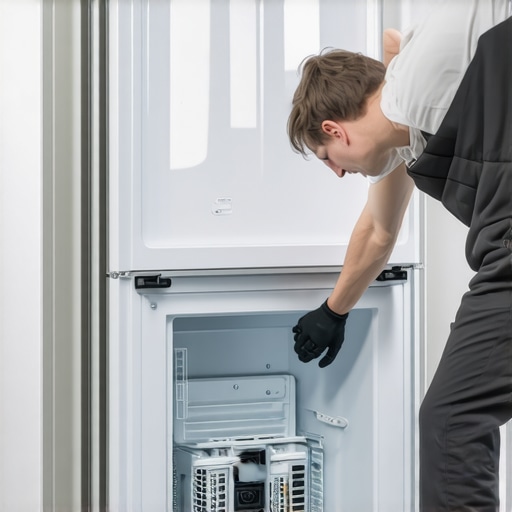
First, unplug your refrigerator to ensure safety. Open the fridge and remove shelves or drawers in the area beneath the freezer section, where water leaks often originate.
Identify the small, flexible plastic tube running from the defrost drain area towards the back or underneath, typically at the bottom of the fridge. Think of it as a tiny pipe channeling water away—if it’s blocked, water backs up, just like a clogged sink. During my early attempts, I found the drain pipe hidden behind panels, so gently remove any screws or clips holding the panels in place.
Access the Drain Tube for Cleaning
Once located, examine the tube’s entrance for visible debris, grime, or ice blocks. Use a flashlight to illuminate deep inside if needed. Sometimes, ice obstructs the drain; melting it with a heat gun or warm cloth can temporarily clear the blockage—yet, a thorough cleaning ensures long-term fixes.
Carefully disconnect the drain hose using pliers or a screwdriver, depending on your model. Remember, some refrigerators may have a two-piece tube; take note of its assembly for reassembly. This step reminds me of cleaning out a dishwasher’s spray arm — removing blockages that prevent water flow.
Clear the Clog Using a Flexible Tool
Insert a flexible, thin brush or pipe cleaner into the drain tube. Push and gently twist to dislodge debris. If this doesn’t work, pour a mixture of warm water and vinegar or a mild drain cleaner into the tube to dissolve stubborn buildup. I once made this mistake and used harsh chemicals, which damaged the plastic; stick with safer options.
For stubborn clogs, employing a turkey baster or bulb syringe filled with warm water to flush out the tube can be effective. This approach resembles cleaning microplastic filters in washing machines—regular flushing keeps everything flowing smoothly. Work gently to avoid damaging the tube.
Flush and Rinse Effectively
After removing debris, flush the drain with hot water to clear remaining gunk. Use a mixture of warm water and baking soda to neutralize odors. Repeat the flushing process until the water flows freely without backing up.
Reattach the drain hose securely, ensuring a tight connection to prevent future leaks. Reinstall any panels or shelves, and plug in the fridge. Running a quick check by pouring water into the drain opening confirms successful clearance.
Prevent Future Blockages
Perform regular maintenance—every few months, pour hot water into the drain to keep it clear. Check for ice buildup and defrost if necessary, especially in humid climates. For a visual aid on this process, look into techniques discussed in this guide.
By routinely maintaining the drain, you prevent water pooling and avoid costly repairs, similar to how cleaning spray arms in dishwashers prevents inefficient washing—as covered in this article.
Many homeowners assume that all appliances function intuitively once set up, but this misconception can lead to costly errors. For example, countless users believe that high energy labels always mean optimal efficiency, yet some models with top ratings may underperform due to poor maintenance or improper use. Advanced users know that even smart appliances require regular firmware updates; neglecting these can result in reduced functionality or security vulnerabilities, as experts at Smart Appliance Review emphasize. Moreover, a prevalent trap is assuming that newer equipment is inherently better—some latest models may have design flaws, such as overly complex interfaces that hinder usability, a concern highlighted in recent appliance reviews. Crucial to mastering appliance care is understanding nuanced features to avoid accidental damage; for example, forcing a dishwasher’s door when stuck can break locking mechanisms, often not covered under warranty.
Why do some professional technicians prefer manual maintenance over relying solely on app diagnostics?
Because detailed inspection reveals underlying issues that automated systems can miss, like mineral build-up or mechanical wear, according to industry reports. Ignoring these details can cause appliances to operate inefficiently or prematurely fail. This highlights that while smart features are valuable, they do not substitute for expert knowledge—learning to interpret both digital alerts and mechanical signs ensures longevity. Furthermore, studies suggest that consistent maintenance, such as descaling coffee machines and clearing lint filters, significantly extends appliance lifespan. Misapplying cleaning methods—like using harsh chemicals on delicate parts—can cause more harm than good, a mistake seen in many DIY repairs. For instance, avoiding abrasive cleaners on electronic controls preserves their integrity. Are you falling into these traps? Let me know in the comments, and remember: understanding the finer nuances of your appliances empowers you to maximize their efficiency and durability.When it comes to keeping your household appliances like refrigerators, dishwashers, and washing machines running smoothly over time, having the right tools and adopting effective maintenance routines are crucial. Personally, I swear by using a calibrated digital multimeter for electrical checks; it helps me quickly identify faulty sensors or control boards without unnecessary guesswork. Additionally, a flexible inspection camera, such as the Wi-Fi-enabled endoscopes available online, allows me to peer into tight spaces—like behind the fridge or inside the dryer drum—preventing small issues from becoming costly repairs. Regularly cleaning filters with a microplastic filter cleaner, which I recommend from expert-reviewed brands, not only extends appliance lifespan but also maintains optimal efficiency. In the future, I predict a shift toward AI-powered diagnostic tools that can predict component failures before they happen, making preventive maintenance even more accessible. For example, some advanced washing machines now alert users to cycle irregularities via smartphone apps, potentially saving thousands in repairs. If you’re wondering how to maintain your appliances effectively over time, start by integrating a routine check with your multimeter to monitor electrical components, and schedule deep cleanings of filters and drainage paths every few months. One advanced tip I recommend is regularly inspecting and cleaning the microplastic filters in your washing machine, which can clog over time and reduce efficiency. This small step can dramatically improve your machine’s performance and help prevent unexpected breakdowns. To do this effectively, consult your appliance’s manual or trusted online guides, such as the detailed advice in [this review](https://smartappliancereview.com/the-hidden-filter-in-your-washing-machine-thats-probably-clogged-right-now), which explains how to access and clean these filters easily. Make sure to set a calendar reminder for this task, especially if you have hard water or frequent laundry loads. In summary, combining these precise tools with a disciplined maintenance routine ensures your appliances function reliably and efficiently for years to come. Remember, investing in proper diagnostics now can save you both money and frustration later—so start incorporating a multimeter check today.
The Hardest Lesson I Learned About refrigerators
One of my biggest regrets was neglecting routine drain checks, which led to persistent water leaks and mold issues. I realized that regular maintenance isn’t just tedious—it’s essential to prevent costly repairs and health hazards.
3 Myths About refrigerator repairs That Held Me Back
I used to believe that water leaks were always due to a faulty door seal or defrost heater. It turns out, many leaks stem from neglected internal drains, which are surprisingly easy to clean once you know the trick. Busting this myth saved me time and money.
What Experts Won’t Tell You About refrigerator longevity
Experts emphasize that a small, unnoticed clog in the defrost drain can cause significant damage over time. Preventive maintenance, such as flushing the drain with warm water and vinegar regularly, can extend your refrigerator’s lifespan and keep it running efficiently.
Curated Resources to Keep Your Fridge Flowing
Smart Appliance Review’s Guide on Drain Maintenance: Offers step-by-step instructions with visuals to simplify the process for homeowners. I trust this guide because it’s thorough and backed by appliance repair professionals.
Microplastic Filters for Washing Machines: Using high-quality filters can prevent debris from clogging drainage systems, a cross-application tip I’ve found invaluable.
Online Forums and Community Support: Platforms like ApplianceFixForum are gold mines for troubleshooting tips shared by fellow DIYers and technicians, helping me solve challenges faster and with confidence.
Your Turn to Conquer Appliance Care
Taking proactive steps to maintain your refrigerator’s internal drain can save you from unexpected messes and repairs. Remember, small habits like monthly flushing can make a big difference. Are you ready to empower yourself with these maintenance tips and keep your appliances running smoothly? Share your experiences or questions below—I’d love to hear your stories or help troubleshoot!
![5 Quietest 2026 Dishwashers for Open-Plan Living [Tested]](https://smartappliancereview.com/wp-content/uploads/2026/02/5-Quietest-2026-Dishwashers-for-Open-Plan-Living-Tested.jpeg)
![4 2026 Dishwashers That Finally Clean Peanut Butter [Tested]](https://smartappliancereview.com/wp-content/uploads/2026/04/4-2026-Dishwashers-That-Finally-Clean-Peanut-Butter-Tested.jpeg)

![7 Best 2026 Dishwashers That Actually Dry Plastic Tubs [Tested]](https://smartappliancereview.com/wp-content/uploads/2026/03/7-Best-2026-Dishwashers-That-Actually-Dry-Plastic-Tubs-Tested.jpeg)