
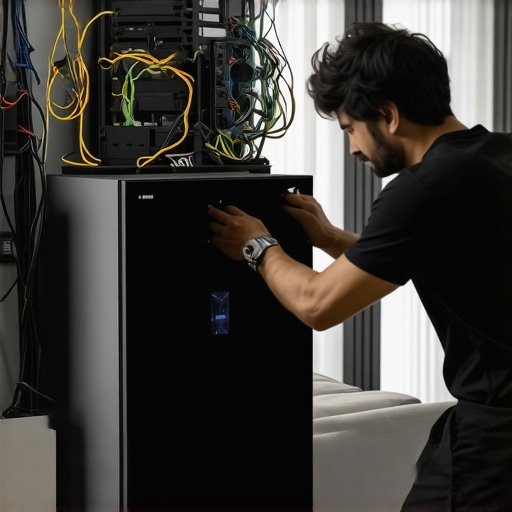
I vividly recall the sinking feeling when my latest smart refrigerator suddenly stopped syncing with my phone. It was late at night, and I was trying to order groceries through an app that was supposed to make my life easier—but instead, it left me frustrated and questioning the entire investment. That moment was my lightbulb—realizing that behind all the convenience lies a maze of hidden costs and complexities.
Why Upgrading to Smart Appliances Might Cost You More Than You Expect
Smart appliances promise unmatched convenience, energy savings, and cutting-edge features. But in practice, they often come with unexpected expenses—be it repair costs, compatibility issues, or hidden maintenance fees. Over time, these hidden costs can add up quickly, sometimes outweighing the initial savings. For instance, did you know that smart refrigerators with Wi-Fi connectivity require regular software updates, or they risk becoming vulnerable to hackers? According to a 2023 study by cybersecurity experts, nearly 30% of internet-connected home devices have been found vulnerable due to outdated firmware or weak security features.
Many early adopters, myself included, make the mistake of assuming these appliances are foolproof after installation. I thought I was just replacing my old washer with a new smart model—easy, right? Wrong. It turned into a costly lesson in understanding the nuances of smart appliance repairs and the importance of proactive maintenance. If you’re thinking about embracing this tech-driven upgrade, you’re probably wondering about the real costs involved.
This post will guide you through the common pitfalls and reveal practical strategies to minimize surprises. Whether it’s troubleshooting a stubborn dishwasher or knowing when to call in a professional—I’ve got your back. And by the end, you’ll have a clearer picture of how to keep your smart appliances running smoothly without draining your wallet.
Before we dive into the specifics, let me ask—have you ever faced unexpected repair costs or tricky repairs with your smart appliances? Share your story—I learn a lot from fellow homeowners just like you. Now, let’s get into why these hidden costs matter and how you can stay ahead of them.
Prioritize Regular Firmware Updates
Think of your smart refrigerator like a smartphone—without updates, it becomes vulnerable and sluggish. I remember a time I neglected to update mine, resulting in app disconnects that left me with a non-responsive screen. To prevent this, set your devices to update automatically if possible, or schedule monthly checks at https://smartappliancereview.com/contact-us. This ensures security patches and bug fixes keep your appliance running smoothly and prevent unexpected failures.
Use Proper Troubleshooting Techniques
When your smart washing machine makes an unusual beeping sound, don’t ignore it. Instead, consult the manufacturer’s troubleshooting guide—often found at https://smartappliancereview.com/how-smart-washing-machines-can-simplify-laundry-day—and follow step-by-step instructions. For instance, I once cleared a stubborn error code by resetting my machine through a specific sequence of unplugging and pressing buttons. Document your issues, follow verified steps, and avoid random fixes that can exacerbate problems.
Keep Critical Components Clean and Maintained
Clogged vents or filters are silent killers of appliance efficiency. I learned this when my refrigerator started to warm unexpectedly; a quick cleaning of the condenser coil (see https://smartappliancereview.com/how-to-clean-a-dirty-condenser-coil-without-calling-a-pro) restored proper function. Regularly vacuum or brush vents, filters, and water lines—especially for appliances with water dispensers or ice makers—to prevent malfunctions and extend lifespan.
Monitor Power and Connectivity Stability
Your smart appliances rely heavily on Wi-Fi stability—imagine trying to control your smart fridge with a flaky connection. I solved recurring disconnects by relocating my router closer to the appliances or upgrading to a mesh network, detailed at https://smartappliancereview.com/why-your-smart-home-integration-is-draining-your-phone-battery. A stable network prevents communication failures, firmware update issues, and security vulnerabilities. Consider investing in a Wi-Fi extender or higher bandwidth plan to keep your devices connected and responsive.
Schedule Professional Maintenance
While many issues can be DIY-fixed, some require expert attention. I once attempted to repair a leaking water line myself but ended up causing more damage; consulting a professional avoided costly replacements. For tailored support, contact specialists via https://smartappliancereview.com/contact-us, and schedule annual inspections—especially for complex systems like refrigeration and laundry machines. Professionals can identify hidden issues such as refrigerant leaks or faulty sensors before they escalate into costly breakdowns.
Many homeowners operate under assumptions about appliances that can lead them astray—especially with refrigerators, washing machines, and smart home devices. For instance, a widespread myth is that all smart appliances automatically update and stay secure without user intervention. In reality, firmware updates often require manual initiation or scheduled checks; neglecting this can leave devices vulnerable to security breaches, as highlighted in a 2023 cybersecurity study. Another mistake is believing that innovation alone guarantees durability. Many users assume that newer, feature-rich appliances will last longer, yet complex smart systems are prone to glitches if not properly maintained, necessitating expert support. This false sense of infallibility is risky; for example, overlooking regular cleaning of filters and vents can cause premature failures or inefficiencies. Moreover, there’s a misconception that compatibility issues are rare. However, integrating third-party smart devices without proper protocols can lead to connectivity errors and even device bricking. Advanced users should verify compatibility details at trusted sources like https://smartappliancereview.com/choosing-the-right-refrigerator-tips-from-industry-experts before purchase. A common oops is underestimating the importance of professional maintenance—believing DIY repairs suffice. But some problems, like refrigerant leaks or electronic sensor failures, require certified technicians to avoid further damage, which can be costlier in the long run. Recognizing these nuances helps in making informed decisions and avoiding costly pitfalls. Have you ever fallen into this trap? Let me know in the comments. To stay ahead, regularly review your appliance’s firmware, perform scheduled cleanings, and consult experts when uncertain. Remember, understanding these subtleties keeps your home running smoothly and saves money over time.
Invest in Diagnostic Tools That Save Time and Money
One of my go-to gadgets for maintaining smart appliances is the FLIR ONE thermal imaging camera. This compact device connects effortlessly to my smartphone and allows me to identify overheating components or hotspots in refrigeration coils and washing machine motors. By regularly checking these areas, I can catch potential problems early, avoiding costly repairs or replacements. I personally rely on FLIR’s app to interpret thermal images, making complex diagnostics accessible even for beginners. Incorporating such tools into your routine ensures that minor issues don’t escalate, extending the life of your appliances.
Leverage Advanced Software for Firmware Management
Keeping firmware updated across all smart appliances is crucial. I recommend using dedicated software like Home Assistant, which integrates various smart devices and provides real-time alerts on firmware status. This platform allows you to schedule automated updates during off-peak hours, minimizing disruption. From my experience, this proactive approach reduces security vulnerabilities and prevents software glitches that could interrupt appliance functionality. For example, I set my refrigerator to auto-update via Home Assistant, ensuring my device remains secure without manual intervention. Future trends point toward AI-powered predictive maintenance, where software anticipates failures before they happen—making current tools like Home Assistant vital in your maintenance arsenal.
Implement Routine Maintenance Protocols with Digital Checklists
Sticking to a structured maintenance schedule is easier with digital checklists integrated into your smartphone. I use Todoist to set monthly reminders for cleaning filters, inspecting hoses, and testing connectivity. These routine checks have saved me from unexpected breakdowns; for instance, early detection of a bulging washing machine hose prevented a flooding disaster. Custom checklists ensure no step is overlooked, and with cloud synchronization, I can refer to them regardless of location. Establishing such protocols is particularly beneficial as appliances become more complex and interconnected.
Prepare for the Future with IoT Integration
As smart home devices evolve, integrating your appliances into a centralized IoT ecosystem becomes invaluable. I recommend the Samsung SmartThings platform, which I personally use to manage multiple appliances seamlessly. It provides real-time status updates, remote control capabilities, and troubleshooting assistance. This level of control allows me to preempt issues by scheduling maintenance alerts or remotely resetting devices exhibiting minor glitches. Predictions indicate that by 2025, IoT-driven predictive analytics will be standard, helping homeowners predict and prevent failures before they impact daily life. Embracing current tools now positions you advantageously as this technology matures.
How do I maintain my appliances over time?
Consistency is key. Regularly check for firmware updates, utilize diagnostic tools like thermal cameras, and follow structured maintenance routines. These practices not only extend the lifespan of your appliances but also optimize performance. If you’re unsure where to start, consider reaching out to professionals via this contact page for tailored advice. One advanced tip you can try today is setting up automated firmware updates through a home automation platform—it’s a game changer for peace of mind. Remember, investing a little time now prevents costly repairs later, making your home smarter and more reliable over the long term.
Uncovering Hidden Costs That Caught Me Off Guard
One of the most valuable lessons I learned was that smart appliances, despite their promises of convenience, can occasionally turn into money pits if you’re not proactive. For instance, neglecting firmware updates led to security vulnerabilities and costly breakdowns. Staying informed about device maintenance and security is essential—valuable insights I wish I had known sooner.
Why Overconfidence in Smart Tech Can Backfire
I used to believe that newer smart appliances would somehow fix themselves or require minimal upkeep. Reality check: complex systems need regular attention, like cleaning filters or scheduling professional inspections. Recognizing my overconfidence helped me implement routines that saved time and money in the long run.
Neglecting Connectivity Might Cost You
Connectivity issues can silently sabotage your home’s smart ecosystem. I discovered that weak Wi-Fi signals or outdated routers were causing disconnections, leading to appliance malfunctions. Upgrading my network equipment and monitoring connection stability has made a noticeable difference, reinforcing the importance of solid infrastructure.
Tools and Resources That Transformed My Approach
Investing in diagnostic tools like thermal cameras, and utilizing platforms such as Home Assistant for firmware management, have been game changers. These resources empower you to troubleshoot effectively and maintain appliances without unnecessary expenses. Trust me, the right tools are worth every penny for peace of mind and efficiency.
Stick to Routine but Adapt as Technologies Evolve
Routine maintenance is vital, but flexibility is key. As devices receive updates and new features, adjusting your upkeep strategies keeps everything running smoothly. Follow trusted blogs and communities—like this guide—to stay ahead of the curve and avoid pitfalls.
My Final Takeaway: Becoming an Empowered Smart Homeowner
Embracing smart appliances is a journey filled with learning curves, but arming yourself with knowledge transforms frustration into empowerment. Regular maintenance, vigilance, and leveraging the right resources make managing your tech-driven home rewarding rather than overwhelming. Remember, the key is continuous learning—your home will thank you for it.
Where Do You See Smart Appliances Heading?
As technology advances rapidly, the future promises even smarter, more intuitive devices. How are you preparing to adapt your routines or upgrade your home? Share your thoughts—I’m excited to hear how you’re navigating this evolving landscape.