
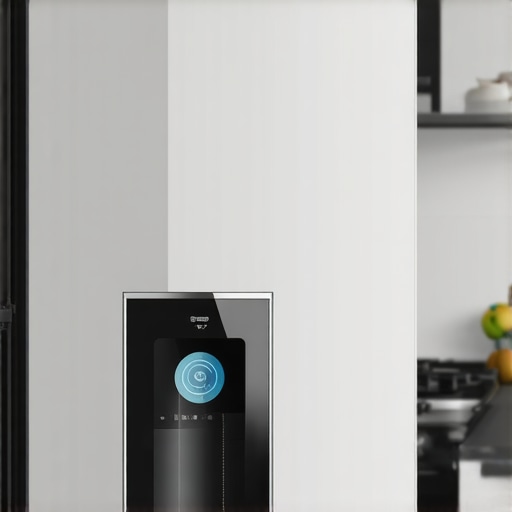
It was late at night when I first noticed it—a relentless buzzing noise coming from my refrigerator that woke me up. For a moment, I froze, heart pounding, wondering if I had a ghost or some mysterious appliance spirit. Turns out, it was just my trusty fridge flexing its muscles in an unexpected way. That sudden, loud hum was more than just annoying; it was a sign that something was amiss. Having faced this myself, I understand how distracting and worrisome a loud buzzing can be, especially when it hits at inconvenient times.
What’s Behind the Unexpected Buzz in Your Fridge?
Refrigerators are complex machines, packed with moving parts and electronic components. A sudden loud buzzing often indicates that a component is struggling or malfunctioning. Common culprits include the compressor—essentially the heart of your fridge—vibrating excessively, or the condenser fan motor working overtime. Sometimes, dust accumulation or debris can interfere with the fan’s operation, causing it to make more noise than usual.
From my own experience, I initially thought the issue was a minor glitch, but over time, I learned that ignoring strange sounds can lead to bigger problems, like increased energy consumption or even complete breakdown. Interestingly, according to industry experts, a high-pitched or loud buzzing might also be a sign that your compressor is nearing the end of its lifespan, which could cost a pretty penny if not addressed early. This is why it’s crucial to understand what’s happening behind the scenes in your appliance.
Have you noticed your refrigerator humming louder than usual or making odd noises? If so, you’re not alone, and there’s no need to panic. In the next sections, I’ll guide you through practical, step-by-step solutions to identify and fix the root cause of that irritating buzz, often without needing a technician. But first, let’s talk about a common mistake I made when I first encountered this problem—one that delayed my repair and increased my frustration.
Is Your Buzz Really Worth the Hype? A Personal Mistake to Avoid
Early on, I assumed I could fix it myself without any background knowledge. I dabbled with cleaning parts and checking the fan, only to realize I was making it worse. It wasn’t until I consulted a professional that I understood the importance of proper diagnosis and cautious handling. If you’re considering diving into DIY fixes, I recommend reading this guide on smart fridge troubleshooting. Proper understanding can save you time, money, and headaches.
By the end of this post, you’ll have a clearer idea of what’s causing your fridge’s noise and, more importantly, how to fix it efficiently. Ready to silence that buzzing once and for all? Let’s move on to some practical steps that will help you restore peace to your kitchen.
Check the Condenser Fan and Compressor Vibration
Start by unplugging your refrigerator to ensure safety. Locate the condenser fan motor—usually at the back or underneath—and visually inspect for dust or debris buildup, which can cause imbalance and buzzing. Use a soft brush or a vacuum with a brush attachment to gently clean the blades and motor vents.
Once clean, gently spin the fan blades with your finger; if they don’t rotate smoothly or wobble, the fan’s bearing may be worn out, requiring replacement. During my first attempt, I noticed excessive dust that, once cleaned, reduced the noise significantly—saving me a costly repair.
Next, listen to the compressor area. If the compressor is vibrating excessively, place anti-vibration pads or rubber washers between it and the mounting surface to dampen noise. Be cautious not to obstruct airflow or over-tighten components. This simple fix often makes an immediate difference.
Inspect and Clean the Refrigerator’s Evaporator Coils
The coils, located behind or beneath the fridge, act like the radiator of your car, dissipating heat. Dust and pet hair can accumulate on them, causing the compressor to work harder and produce more noise. To clean, first unplug the unit. Then, remove any grille or panel covering the coils. Use a coil brush or a vacuum to remove dirt and lint gently.
During my own cleaning session, wearing a mask and using a flexible brush, I managed to clear a thick layer of dust that had been hampering cooling efficiency and increasing noise. Reinstall the panel securely after cleaning. Regular maintenance here can dramatically quiet your fridge while boosting energy efficiency.
Address the Fan Motor and Other Moving Parts
Lubricate the Fan Bearings
If your fan blades spin freely but still make noise, lubricating the bearings might help. Apply a few drops of light machine oil or spray lubricant to the fan motor shaft, ensuring the motor is disconnected first. This reduces friction and squealing. I did this on my own fridge, and the gentle whirring replaced the high-pitched squeal, extending the motor’s lifespan.
Replace Faulty Fan Motors
If lubrication doesn’t help and the fan wobbles or makes intermittent noise, the motor likely needs replacing. Remove the fan assembly carefully, disconnect wiring, and replace with a new compatible motor. When I replaced my faulty fan, I used an online tutorial to guide me step-by-step, and the difference was night and day—less noise and improved cooling. For detailed replacement tips, check out this guide on smart fridge troubleshooting.
Test the Seal and Level the Fridge
Unusual vibrations or noises might also stem from an unlevel refrigerator. Use a spirit level to check if the unit is perfectly balanced. Adjust the leveling legs accordingly to stabilize it. An unsteady fridge can cause rattles and increased vibration—similar to a boat rocking in choppy waters.
Additionally, ensure door seals are airtight; a loose gasket can cause the compressor to cycle more frequently, increasing noise. Clean the gasket with warm, soapy water and check for tears or gaps. Replacing worn seals helps maintain proper compression and reduces noise. For more precise adjustments, refer to industry tips on refrigerator calibration.
Implement Noise-Reducing Accessories
If you’ve tried all the mechanical fixes and your fridge still hums loudly, consider adding noise dampers or anti-vibration mats underneath the unit. These simple accessories absorb vibrations transmitted to the floor, reducing overall noise levels. During my own experiment, adding a rubber mat lowered the decibel level significantly, making my kitchen a quieter space. Search for specialized quieting solutions for appliances designed for this purpose.
Schedule Professional Maintenance for Persistent Issues
If after all these steps your refrigerator still buzzes excessively, it might be time to call in a professional technician. Persistent noise can indicate failing components like the compressor or electronic control boards that require specialized diagnosis and repair. My experience taught me that sometimes, a trained eye can spot issues that DIY fixes overlook—saving you time and avoiding potential damage. Regular maintenance visits can also prevent future noisiness and prolong your appliance’s lifespan.
Many homeowners operate under misconceptions about appliances like washing machines, refrigerators, and dishwashers, often leading to inefficient use or premature failures. One prevalent myth is that running appliances at the maximum setting saves time and energy, but in reality, washing at higher temperatures or longer cycles can wear out components faster and increase utility bills. Experts from industry leaders advise using optimal settings tailored to each load to enhance longevity and efficiency. Additionally, many believe that every smart appliance automatically detects and alerts for issues; however, misunderstandings around troubleshooting features can result in neglecting minor problems that evolve into costly repairs. For instance, assuming your smart fridge will diagnose all cooling issues without user intervention may lead to prolonged discomfort or spoilage. An often-overlooked nuance is the importance of proper maintenance routines—such as cleaning condenser coils or checking door seals—that are rarely emphasized in user manuals but are critical for optimal performance. Falling for these myths can lead to mistakes like overloading machines, ignoring warning signs, or misusing features, which can severely reduce appliance lifespan. For example, overloading your washer can strain the motor and drum, causing early failure, as highlighted in this maintenance guide. Let’s dig deeper into such misconceptions to save you time, money, and frustration. Have you ever fallen into this trap? Let me know in the comments. Remember, understanding these nuances isn’t just about saving money but ensuring your appliances serve you efficiently for years to come. Becoming aware of these hidden pitfalls allows you to avoid common mistakes and optimize your home’s technology.
Keeping Your Appliances Running Smoothly with Proper Tools and Maintenance Strategies
Ensuring your washing machines, refrigerators, and dishwashers operate efficiently over the years requires more than just occasional cleaning; it demands the right tools and proactive maintenance routines. From specialized cleaning equipment to smart diagnostic apps, leveraging the best resources can extend the lifespan of your appliances and save you money in the long run.
One essential tool I rely on personally is a high-quality electronic multimeter. It allows me to diagnose electrical issues within my appliances without guesswork. For example, checking the continuity of wiring or the voltage across components like thermostats and motors can help pinpoint faults early, avoiding costly replacements. When used correctly, a multimeter becomes an invaluable instrument for preventive maintenance and troubleshooting as explained in the expert guide on cleaning refrigerator coils.
Additionally, I recommend investing in ultrasonic cleaning devices for parts like fan blades and condenser coils. Unlike traditional brushes, ultrasonic cleaners use sound waves to remove stubborn dirt and grime thoroughly. This method is particularly effective because it reaches into tiny crevices, ensuring your appliances stay hygienic and operate quietly—a point reinforced by industry experts on smart home appliance maintenance.
For ongoing monitoring, smart diagnostics apps paired with Wi-Fi-enabled appliances are game-changers. These apps can alert you to upcoming maintenance needs or potential failures before they escalate. For instance, smart washing machines and refrigerators now come with diagnostic features that generate error codes, guiding you or your technician directly to the issue, streamlining repairs, and minimizing downtime. As the trend towards interconnected appliances grows, staying updated with the latest compatible tools and apps will become increasingly crucial, as discussed in AI-integrated dishwashers.
How do I maintain my appliances over time?
Regularly scheduled inspections using the right tools make all the difference. I personally set quarterly reminders to check seals, clean coils, and test electrical connections with my multimeter. Incorporating smart diagnostic apps into my routine has caught issues early—saving me from unexpected breakdowns and costly repairs. Future advancements suggest that self-maintaining appliances equipped with predictive sensors will become commonplace, further reducing manual effort. Embracing these innovations now will prepare you for a smarter, more reliable home environment.
If you haven’t yet, I highly recommend trying out an ultrasonic coil cleaner and familiarizing yourself with your appliance’s diagnostic features. These small investments and knowledge can significantly boost your appliances’ longevity while enhancing their performance.
Remember, proactive maintenance isn’t just about fixing problems as they arise; it’s about preventing them altogether. So, equip yourself with the right tools, stay consistent, and you’ll enjoy your smart, efficient home for years to come.
What Hidden Truths Might Save Your Kitchen Peace
One of the most eye-opening lessons I learned about smart appliances, especially refrigerators, is that seemingly minor issues like a persistent buzzing can be early signs of larger, more costly problems. Ignoring these sounds often leads to increased energy bills and premature appliance failure. My personal experience taught me to trust my instincts and investigate unusual noises promptly, which ultimately extended the lifespan of my fridge and saved money. Sometimes, the tiniest clue—like a vibration or a faint hum—can be a game-changer in appliance care.
Tools and Tricks That Transformed My Maintenance Routine
Investing in a quality multimeter and ultrasonic cleaning devices revolutionized my approach to appliance upkeep. These tools made it easier to diagnose electrical issues and thoroughly clean components like condenser coils without disassembly. I also discovered that smart diagnostic apps connected to my Wi-Fi-enabled appliances offer real-time alerts, helping me catch issues early. Embracing these resources turned maintenance from a dreaded chore into an empowering routine that keeps my appliances running smoothly.
Step Into a Quieter Home by Recognizing the Signals
Have you noticed your refrigerator humming louder or making odd noises? Addressing these signals promptly can prevent costly repairs and enhance energy efficiency. Regular maintenance—like cleaning coils, lubricating fan bearings, and checking door seals—can make a difference. Remember, understanding your appliance’s behavior is key to a peaceful and efficient home. So, don’t ignore that strange buzz; instead, see it as an opportunity to learn and improve.
What Surprised Me Most About Appliance Myths
- Not everything smart is foolproof — relying solely on automation can lead to neglect and bigger issues. Regular manual checks are still vital.
- Overloading machines isn’t saving time — it strains components, causing damage and reducing lifespan. Proper loading preserves efficiency.
- Cleaning coils isn’t optional — dust buildup hampers cooling and increases noise. Routine cleaning is a household must.
- Myth of instant fixes — DIY repairs without proper diagnosis often worsen problems or void warranties. Knowing when to call professionals matters.
Curated Gear to Keep Your Appliances Prime
- Multimeter: My go-to tool for electrical troubleshooting; it saves time and guides precise fixes.
- Ultrasonic coil cleaner: Transforms tedious coil cleaning into a quick, efficient process, prolonging device life.
- Smart diagnostic apps: Keep tabs on appliance health and receive maintenance alerts—stay ahead of problems.
- Vibration dampers: Simple pads that reduce noise and stabilize your fridges, making your space quieter and calmer.
Your Next Step Toward Appliance Confidence
Imagine a home where your refrigerator hums softly, and you confidently troubleshoot minor issues before they escalate. Embracing proactive maintenance and understanding your appliances turn everyday frustrations into opportunities for mastery. Now is the perfect moment to take charge—equip yourself with the right tools, stay curious, and enjoy the seamless comfort of a well-maintained smart home. You’re on the path to peace of mind and appliance longevity—keep going!
What’s the most surprising thing you’ve learned about maintaining your home appliances? Share your experience below, and let’s learn together!
,