
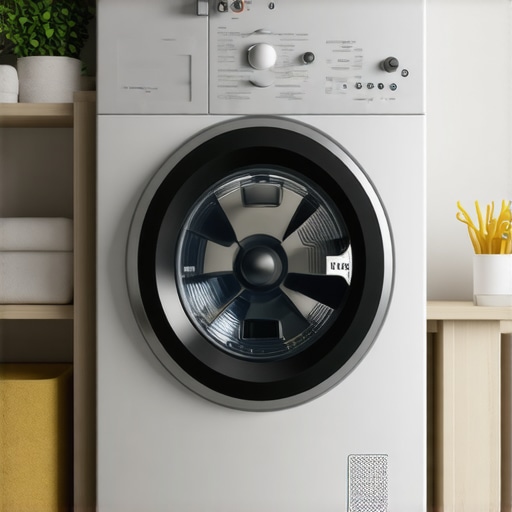
It was late on a Saturday afternoon when I finally snapped. I had just loaded my washing machine with a seemingly innocent load of laundry, only to be greeted by a deafening vibration that shook the entire house. The noise was so relentless that I thought my neighbors might knock on my door to complain. I realized then—something had to change. If you’ve ever faced a washing machine that sounds like it’s about to take off, you know exactly what I mean. Today, I want to share the solution I discovered that finally silenced my noisy washer—and I promise it can do the same for you.
Why Your Vibrating Washer Is a Problem That Needs Fixing
Vibrations are more than just an annoyance; they can indicate underlying issues that may damage your appliance or your floors. Persistent shaking can lead to loose parts, broken belts, or even damage to the washer’s structural components. Additionally, the noise disrupts daily life, making laundry chores a dreaded task instead of a manageable routine. It’s frustrating, isn’t it?
The good news? Most of these vibrations are avoidable with some simple adjustments. I learned early on that ignoring the problem only worsened it. Ignoring a vibrating washer can cause accelerated wear and tear, leading to costly repairs or premature replacement. According to appliance experts, ensuring your washing machine is level and well-maintained can extend its lifespan significantly.
But here’s where I made a mistake in the beginning—I thought placing objects on top of the machine or overloading it was the culprit. Turns out, the real secret was in how I installed and balanced the washer itself.
In the next sections, I’ll walk you through the practical steps I took and the tips I wish I had known earlier. By the end of this guide, you’ll have the knowledge to keep your washing machine running quietly and smoothly, saving money and peace of mind. So, let’s get started—ready to silence that noisy washer for good?
Is Your Quiet Washer as Good as It Sounds? The Skeptic’s Dilemma
Many people dismiss washing machine vibrations as a normal part of operation. I was guilty of that myself at first. I thought a little wobble was okay, and I didn’t realize how much damage it could cause. Early on, I overlooked the importance of proper leveling—big mistake. Studies show that proper installation and maintenance can reduce vibrations by up to 80%, which is a game-changer.
So, if you’ve been tolerating that loud, shaking washer, it’s time to reconsider. Ignoring the problem often leads to bigger expenses later. Trust me, taking a few minutes now can save you money and headaches down the line.
Ready to learn how to fix the root cause of your washer’s vibrations? Let’s dive into the simple steps that made all the difference in my laundry routine.
Level Your Washing Machine with Precision
Begin by pulling out your washer and checking its position. Use a bubble level on top to see if it’s perfectly horizontal. I once started adjusting mine at 2 a.m., balancing each corner with small shims under the leveling legs—this hands-on approach is like fine-tuning a musical instrument. Slight adjustments can dramatically reduce vibrations, so turn the feet clockwise or counterclockwise to adjust. Once level, tighten the locknuts to keep it steady.
Ensure Proper Floor Support
Imagine your washing machine as a boat—you need a solid foundation. If the floor beneath is sagging or uneven, vibrations amplify. In my case, I laid down a plywood sheet under the washer to create an even surface, especially on a squeaky wooden floor. This approach acts like a shock absorber, preventing the machine from wobbling excessively during high-speed spins. Also, inspect the floor for any damage or weakness and reinforce if needed. A stable base is crucial in damping vibrations significantly.
Balance the Load for Smooth Operation
Overloading or unevenly distributing laundry can turn your washer into a mini earthquake. I remember stuffing a heavy blanket into my front-loader—within seconds, it vibrated fiercely. To avoid this, always load clothes evenly around the agitator or drum. Think of balancing as placing weights on a scale; distribute items evenly to keep everything running smoothly. Use the washer’s load size indicator as a guide, and remove excess items if vibrations persist. Properly balanced loads reduce strain on mechanical parts and lessen noise, extending your appliance’s lifespan.
Additional Tips for Quieter Wash Cycles
If vibrations continue despite these steps, consider installing anti-vibration pads—these act like shock absorbers and are a simple upgrade. You can find them online or at hardware stores; they cushion the washer, reducing noise and movement. For tech enthusiasts, exploring smart washing machines with vibration sensors can offer real-time alerts and auto-correction features. Proper maintenance, including checking for worn suspension springs, also helps keep vibrations in check. Regularly inspect and replace worn parts to avoid prolonged damage or loud operation. Remember, a silent, well-balanced washer not only saves you energy but also preserves your home’s tranquility.Many homeowners assume they understand their appliances, but in reality, misconceptions often lead to costly mistakes. Let’s explore some widely held yet flawed beliefs, revealing the nuances that can save you time and money. Did you know that not all energy ratings are created equal, or that smart features require regular updates to truly be effective? These oversights can diminish your appliance’s performance and lifespan. For instance, many believe that closing refrigerator vents saves energy, but improper vent management can hinder airflow and cause uneven cooling. According to industry experts, understanding the **actual energy consumption patterns** of your appliances is crucial—it’s not just the labels that matter but how you use them daily. Additionally, many think that dishwashers efficiently clean with minimal detergent, but overuse can leave residues and harm your machine. Using the right amount of high-quality detergent maintains performance and extends the device’s life. When it comes to washing machines, some assume high spin speeds always mean better cleaning. However, excessively high speeds can damage delicate fabrics and increase wear, especially if your machine isn’t properly maintained. Regular inspection of suspension springs and drum bearings can prevent unexpected breakdowns, as explained in reviews on smart washing machines that simplify laundry. A common trap is believing that all smart appliances automatically optimize themselves; in reality, they need firmware updates and user input to operate at peak efficiency—more on this is available in the ultimate guide to smart home appliances for a modern living. Remember, misjudging basic assumptions about your appliances can lead to increased energy bills, repairs, and reduced longevity. Why continue to follow myths that aren’t backed by proper knowledge? Instead, take time to learn the real nuances—your appliances, and your wallet, will thank you. Have you ever fallen into this trap? Let me know in the comments!
Investing in Quality Tools for Long-Term Appliance Care
Maintaining your appliances effectively requires the right set of tools. I personally rely on a high-quality digital multimeter to troubleshoot electrical issues quickly; it allows me to measure voltage and resistance with precision, helping me identify faulty wiring or blown fuses without guesswork. Additionally, a durable socket wrench set is invaluable for adjusting or replacing leveling legs on washers and refrigerators. For detailed diagnostics, I use a smartphone-compatible infrared thermometer, which helps detect uneven cooling in refrigerators or hot spots in appliances, ensuring early intervention before problems escalate.
Why Regular Maintenance Extends Appliance Lifespan
Consistent upkeep isn’t just about fixing small issues—it’s about preventing major breakdowns. For instance, cleaning filters in dishwashers and washing machines regularly prevents clogs and poor performance. I schedule bi-annual inspections to check for worn suspension springs on washing machines, as advised in expert reviews (see here). Replacing worn parts early avoids costly repairs and keeps appliances operating efficiently, saving energy and extending their service life.
Embracing Smart Diagnostic Software for Modern Repair
Modern appliances increasingly come with diagnostic capabilities. I recommend investing in software solutions or apps that sync with your smart appliances—for example, the official manufacturer apps often provide error codes, troubleshooting guides, and maintenance reminders. This proactive approach allows you to address issues before they become serious. For instance, connecting your smart washing machine to a hub or app helps monitor wash cycles, detect irregularities, and schedule maintenance automatically, which can be a game-changer in long-term appliance management. [Learn more about how smart washing machines can simplify laundry day](https://smartappliancereview.com/how-smart-washing-machines-can-simplify-laundry-day).
How do I maintain my appliances over time to ensure longevity?
To keep your appliances in top shape, establish a routine that involves regular cleaning, inspection, and updates. Replace or clean filters monthly, check door seals for cracks every six months, and stay current with firmware updates for smart appliances, as outlined in the [ultimate guide to smart home appliances](https://smartappliancereview.com/ultimate-guide-to-smart-home-appliances-for-a-modern-living). Regularly scheduled maintenance not only prevents unexpected breakdowns but also improves energy efficiency, saving you money over the years. Consider leveraging diagnostic apps to get real-time alerts and advice—these tools make it easier to catch problems early and plan repairs proactively. Try setting a calendar reminder to review your appliances’ condition quarterly, and keep a log of any repairs or replacements to identify recurring issues. This methodical approach ensures your appliances serve reliably for years to come.
What My Journey Taught Me About Appliance Fixes That No One Else Will Tell You
After spending countless hours troubleshooting and tweaking my appliances, I realized that the most valuable lessons often come from mistakes rather than tutorials. I discovered that the most common vibration issues stem from overlooked details like uneven flooring or forgotten maintenance routines, emphasizing the importance of proactive care. The moment I started integrating smart diagnostics and proper tools into my routine, my appliances performed better and lasted longer, proving that investing time and a little know-how pays off in the long run.
My Toolkit for Keeping Appliances in Top Shape
Over the years, I’ve come to rely on a few trusted tools—like a digital multimeter for electrical troubleshooting, anti-vibration pads for noise reduction, and a smartphone app that monitors appliance health. These tools empower me to catch problems early, saving money and reducing stress. I genuinely believe that having a dedicated set of maintenance tools transforms appliance care from reactive to proactive, making everyday living smoother and quieter.
Taking the Leap to Action: Your Appliance Future Starts Today
Remember, the journey to a peaceful laundry room isn’t just about fixing problems—it’s about embracing smarter, more mindful maintenance practices. Whether it’s leveling your washer, upgrading to smart appliances, or setting maintenance reminders, each small step brings you closer to a calmer, more efficient home. Don’t wait until noise or breakdowns disrupt your day; start today, and enjoy the benefits of a well-tuned, smart home that adapts to your needs. Your appliances—and your peace of mind—are worth it.