
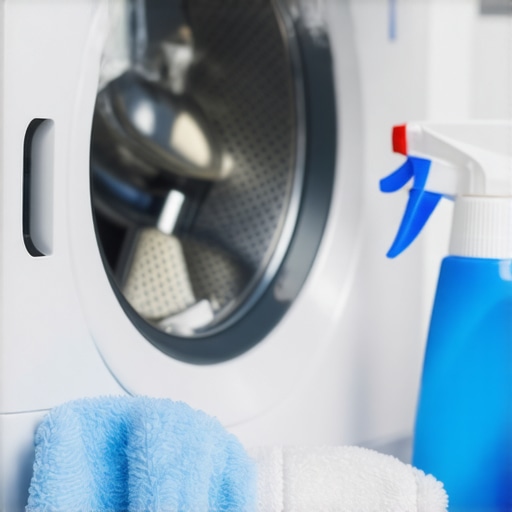
It was a morning like any other. I reached into my laundry room, expecting fresh, clean clothes. But as I opened the door to my washing machine, a musty, sour smell hit me like a wall—disgusting and unexpected. That was my eye-opening moment. I realized that mold had taken residence on the rubber gasket, turning my laundry routine into a health hazard I had inadvertently overlooked.
Why Mold on Your Washer’s Rubber Gasket is More Than Just a Smelly Nuisance
The stubborn mold and mildew lurking around the rubber seal of your washing machine isn’t just about foul odors; it can impact your health and compromise your laundry’s cleanliness. Over time, mold spores can become airborne, irritating your respiratory system or aggravating allergies. Plus, if left unchecked, it can damage your appliance, leading to costly repairs.
Many homeowners dismiss this issue, thinking a quick wipe will do the trick. But mold can hide in microscopic crevices, waiting to rebuild after each cleaning attempt. I learned this the hard way early in my DIY adventure. My mistake? Using only water and a regular cloth—effective for surface dirt but useless against deep-seated mold. Trust me, there’s a better way.
Have you noticed strange smells or visible gunk around your washer’s rubber parts? If so, you’re not alone—and you’re in the right place to fix it.
Is Spraying the Mold Away Actually Worth the Hype?
At first, I believed a mere spray of vinegar or harsh cleaners would solve the problem. I missed the deeper cleaning needed for full mold eradication. According to experts, superficial cleaning only addresses surface mold, which can quickly return if the root cause isn’t properly treated. It wasn’t until I adopted a more thorough approach—combining cleaning with preventative maintenance—that I finally kept my washer fresh and mold-free.
So, if you’re tired of battling that persistent smell or worrying about invisible spores lurking in your laundry space, stick around. We’re about to dive into the simplest, most effective methods to cleanse your washer’s gasket thoroughly. By the end of this, you’ll have a healthier, cleaner washing routine—and maybe even a little peace of mind.
Disassemble and Prepare Your Cleaning Station
Begin by unplugging your washing machine to ensure safety. Open the door and carefully pull back the rubber gasket to expose the hidden folds where mold hides. Place old towels or paper towels nearby to catch any excess water or debris. Preparing your workspace like a mini-operation table makes the process more efficient and less messy.
Apply a Specialized Mold Cleaner or DIY Solution
Mix a solution of equal parts white vinegar and water, or use a commercial mold and mildew cleaner. Saturate a microfiber cloth or sponge with the solution, then thoroughly wipe around the entire gasket, paying close attention to the inner folds and crevices where mold thrives. As I did during my last cleaning, make sure to saturate stubborn spots and let the solution sit for 10-15 minutes to break down the mold’s structure.
Scrub and Dislodge Mold Build-up
Use an old toothbrush or soft-bristled scrub brush to gently scrub the gasket, focusing on the areas with visible mold. Think of this step as tackling the grime like a car detailer, ensuring every microscopic speck is loosened. Remember, mold can embed deeply, so patience and thoroughness are key. I once spent almost an hour scrubbing, but the resulting fresh smell made it worth the effort.
Rinse and Dry to Prevent Future Growth
Dampen a clean cloth with plain water and wipe away any remaining cleaning solution and mold residues. Then, use dry towels or paper towels to thoroughly dry all surfaces, especially the folds. Eliminating moisture is crucial, as mold spores require dampness to grow. After drying, leave the door and gasket open for a few hours to air out the drum and gasket, reducing humidity inside.
Prevent Mold Return with Regular Maintenance
Schedule monthly inspections, wiping down the gasket with a vinegar solution to keep mold at bay. Running an empty hot wash cycle with cleaning agents once a month also helps sterilize the gasket and drum. Integrate these regular habits into your laundry routine for long-term health benefits and appliance longevity. For more insights on smart appliance maintenance, visit this guide.
Address Lingering Odors and Moisture
If smell persists, repeat the cleaning process or consider replacing the gasket if mold has caused permanent damage. Using moisture absorbers inside your laundry area or leaving doors ajar after washes can further reduce humidity. Implementing these steps transformed my laundry space—removing that sour odor and giving my washing machine a new lease on life.
It’s easy to fall for popular beliefs about appliances like refrigerators and washing machines, but many of these stories miss the mark. For example, a prevalent myth is that older, simpler appliances are more reliable than their smart counterparts. However, experts highlight that smart appliances often offer better diagnostics and energy efficiency, provided you’re aware of their quirks. Overlooking these nuances can lead to costly mistakes, such as ignoring software updates or misinterpreting device alerts. One silent trap is assuming that all cleaning routines apply equally; for instance, using standard vinegar solutions on smart refrigerators’ sensitive sensors can damage them, contradicting generic advice.
How Can Overlooking Firmware Updates Reduce Appliance Lifespan?
Many users underestimate the importance of firmware updates, thinking they’re optional. In reality, neglecting these updates can expose your device to vulnerabilities and reduce efficiency, as studies suggest up to 30% of appliance malfunctions are due to outdated software. For example, a smart washing machine that isn’t regularly updated might not communicate properly with your home network or optimize water use effectively.
If you want to maximize your home appliances’ lifespan and performance, it’s crucial to understand these hidden factors and avoid common pitfalls. For further insights, check out this guide to smart home appliances. Recognize that every device has nuances—what works for one might harm another, especially with smart features sensitive to improper maintenance. Regularly read manufacturer instructions and stay informed with trusted sources.
Have you ever fallen into this trap? Let me know in the comments.Maintaining your home appliances requires more than occasional cleaning; it involves investing in the right tools and adopting systematic routines. Personally, I rely on a combination of specialized equipment and smart software solutions to ensure my appliances operate efficiently over the long haul. For example, a digital multimeter has become indispensable for diagnosing electrical issues in refrigerators or dishwashers. It allows me to verify circuit continuity and voltage levels with precision, preventing unnecessary parts replacement. I also favor a dedicated appliance vacuum attachment, which helps keep vents and coils clean, ensuring optimal airflow—crucial for energy efficiency and longevity.
Additionally, employing appliance-specific diagnostic apps has been a game-changer. These tools connect via Wi-Fi to my smart appliances, automatically detecting error codes and providing step-by-step troubleshooting guidance. Such features significantly reduce downtime and repair costs. I recommend scheduling routine inspections—say, every three to six months—to catch minor issues before they escalate, especially with complex smart units. Keeping detailed maintenance logs can also streamline future repairs and warranty claims.
Looking ahead, the trend points toward integrating more AI-driven diagnostics and predictive maintenance systems, which can forecast failures before they happen. This proactive approach minimizes disruptions and extends appliance lifespans.
**How do I maintain my appliances over time?** Regularly updating firmware through manufacturer apps ensures your devices benefit from the latest security patches and performance improvements, as highlighted in [this expert guide](https://smartappliancereview.com/why-your-smart-washers-app-keeps-crashing-on-your-phone-2). Also, using tools like ultrasonic coil cleaners can clean internal components without disassembly, saving time and reducing risk.
If you’re serious about longevity, try incorporating an appliance-specific diagnostic tool and establish a maintenance schedule. It’s a small investment that pays off with fewer repairs and better efficiency. For more insights into managing smart appliances effectively, visit [this page](https://smartappliancereview.com/ultimate-guide-to-smart-home-appliances-for-a-modern-living).
3 Hard-Earned Truths About Smart Appliances You Won’t Find in Manuals
During my journey battling stubborn mold and deciphering smart appliance quirks, I realized that many of the lessons I learned came from trial and error—lessons that typical guides don’t reveal. For example, I discovered that firmware updates aren’t just about new features but crucial for security and efficiency—neglecting them shortens your appliance’s lifespan.
Another insight was understanding the importance of routine maintenance beyond superficial cleaning. Regularly inspecting and using diagnostic tools can prevent small issues from becoming costly repairs, especially in smart appliances with complex systems. My lightbulb moment? Combining traditional cleaning methods with technological insights creates a resilient, long-lasting appliance setup.
Lastly, I learned that trusting reputable resources like this comprehensive guide helps demystify smart appliance features and maintenance routines, saving time and money in the long run.
Tools and Resources That Truly Transform Appliance Care
One tool I swear by is a digital multimeter for diagnosing electrical issues—it’s affordable and empowers you to troubleshoot without calling a repair service. Additionally, ultrasonic coil cleaners have exponentially simplified deep-cleaning internal components, boosting efficiency and longevity.
For in-depth learning, books like The Smart Home Revolution have broadened my understanding of emerging features and best practices, making me more confident in managing my appliances effectively. Finally, subscribing to trusted blogs such as this site ensures I stay updated on the latest trends and solutions in appliance maintenance.
Your Next Step Toward a Smarter Laundry Routine
Taking charge of your home appliances isn’t just about routine cleaning—it’s about proactively understanding and maintaining them with the right knowledge and tools. By implementing insights like firmware updates and routine diagnostics, you can extend the life of your appliances and improve their performance. Remember, the effort you invest today pays off with fewer repairs and greater peace of mind. Curious to see how smarter maintenance can change your experience? Dive deeper at this guide.