
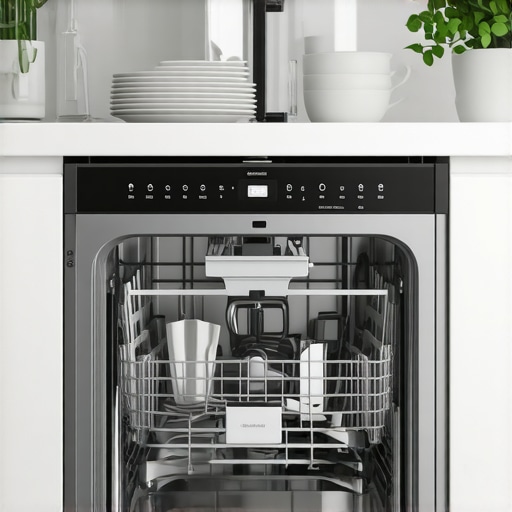
Ever poured in a bag of salt into your dishwasher, only to wonder if it’s really doing anything? I’ve been there too. One day, after a particularly frustrating cycle of cloudy glasses and mineral buildup, I had a lightbulb moment. I realized I’d been blindly trusting the labels and marketing without truly understanding what was necessary for my appliance’s health.
Why I Started Questioning the Salt in My Dishwasher
At first, I thought, “More salt must mean cleaner dishes, right?” But after reading reviews and home appliance guides, I stumbled upon something surprising: not all dishwashers require salt, especially newer models with advanced water softening features. In fact, overusing salt in a machine that doesn’t need it can lead to more harm than good, such as clogging up filters or causing unnecessary wear and tear.
My own mistake was thinking that essential maintenance was a one-size-fits-all routine. It turns out, appliance needs vary wildly based on model, water hardness, and even frequency of use. This got me wondering—how many other home owners are blindly following outdated advice?
If you’re like me, you might be feeling overwhelmed by conflicting information or thinking, “Is this salt thing even worth it?” Well, you’re not alone. That’s why I decided to dig deeper and share what I’ve uncovered so far. Today, I’ll help you understand whether dishwasher salt is truly necessary for your appliance, and if so, how to use it correctly without wasting money or risking damage.
How to figure out if your dishwasher truly needs salt
Before we dive into the details, I want to reassure you—this isn’t as complicated as it sounds. In fact, a quick check of your dishwasher model and water hardness level can save you from unnecessary expense. And if you want to upgrade your kitchen, exploring the latest smart appliances for 2025 might change the game entirely.
According to water quality experts, over a third of homes in developed countries face hard water issues that make salt use necessary for appliances. But with innovations like built-in water softeners, many modern machines no longer need additional salt. So, how do you know what’s right for your home?
Are you seeing cloudy glasses and mineral deposits?
If so, your water might be hard enough to warrant salt use. But if your dishes come out sparkling without any residue, chances are your dishwasher’s current setup is just fine.
Curious to learn more? Join me as I walk you through practical steps to assess your dishwasher’s requirements and master the right maintenance routines. Ready to stop guessing and start saving? Let’s go!
Assess Water Hardness Conditions
Start by identifying your water’s hardness level. Call your local water utility or use a home test kit available at hardware stores. If your water is hard (above 7 grains per gallon), your dishwasher likely benefits from salt. I remember testing my water after noticing mineral deposits and then purchasing a test kit online, which revealed my water was indeed hard, prompting me to adjust my maintenance routine accordingly.
Inspect Your Dishwasher Model and Features
Check your dishwasher’s user manual or manufacturer website to see if it includes a built-in water softening system. Modern dishes often come with smart features that monitor water quality and adjust cycles automatically, potentially eliminating the need for additional salt. I once upgraded to a smart dishwasher that informed me when salt levels were sufficient, saving me time and money.
Observe Dishes After Cycles
Examine your dishes for cloudy film, mineral deposits, or white residue. If you notice these issues consistently, it indicates your water softening system might need supplementing with salt. I vividly recall a cycle where glasses came out foggy until I added salt, which then cleared up the haze, proving its necessity for my water conditions.
Test Without Salt and Monitor Results
Run a dishwasher cycle without adding salt for a week. If dishes emerge spotless and free of mineral buildup, your appliance may not need salt. Conversely, deterioration in cleaning results suggests salt supplementation is beneficial. I experimented with this once, removing salt for a cycle, and my dishes looked dull, confirming the need to reintroduce salt for optimal performance. Note, however, that this process takes patience and close inspection.
Gradually Introduce Salt If Needed
If evidence points to requiring salt, start by adding the recommended amount as specified in your manual. Keep an eye on the salt indicator or monitor the cycle’s effectiveness. Over-salting can lead to buildup and damage, much like oversalting food ruins its flavor. I learned this the hard way when I added too much, resulting in a clogged filter that I had to clean thoroughly.
Maintain Regular Checks and Adjust Accordingly
Periodic inspections are key. Regularly inspect for cloudy glasses or mineral deposits, and adjust salt levels as needed. Remember, water conditions can change over time, just like your garden’s soil needs watering adjustments. I now schedule bi-monthly checks, which help me maintain pristine dishes without overusing salt.
By following these concrete steps, you can optimize your dishwasher’s performance, reduce unnecessary expenses, and prolong its lifespan. Remember, it’s all about tailoring maintenance to your specific water quality and appliance features, rather than blindly following generic advice. For more insights into smart appliances and future trends, explore latest smart kitchen innovations and ensure your appliances stay efficient and effective over time.

Many homeowners assume that upgrading to the latest smart appliances automatically guarantees efficiency, safety, and longevity. However, even tech-savvy users often fall for certain misconceptions that can undermine their investment. Let’s dig deeper into some nuanced pitfalls and myths that many overlook, so you can truly optimize your smart home ecosystem.
Do All Smart Appliances Prioritize User Privacy?
One common myth is that smart appliances are designed with privacy as a top priority. In reality, many devices collect extensive data — from usage habits to appliance diagnostics — to improve functionality and generate targeted advertisements. While some brands are transparent and offer local control options, others may share data with third-party providers without clear disclosure. Experts suggest reviewing privacy policies and choosing products with robust security features. For example, detailed studies have highlighted the potential risks associated with connected devices and data privacy, emphasizing the importance of cautious selection.
Warning: Overlooking privacy implications can lead to vulnerabilities, including unauthorized access or data breaches. Always ensure you’re comfortable with your device’s data handling practices and consider network segmentation to isolate smart home devices from your main network. Want to know more about securing your smart appliances? Check out expert advice on smart appliance security.
What Advanced Mistakes Do Even Savvy Users Make?
Many assume that because a device is labeled “smart,” it requires minimal maintenance. Actually, neglecting firmware updates or misinterpreting automation routines can cause issues ranging from performance slowdowns to function failures. For instance, some owners forget that AI-enabled dishwashers with machine learning capabilities need regular updates to adapt to new detergents or load patterns effectively.
Another hidden pitfall is relying solely on automation without understanding underlying settings. This can result in suboptimal cleaning cycles or energy use, especially if the device’s learning algorithms interpret your habits inaccurately. A recent report from HomeTech Insights underscores the importance of periodic manual calibration and expert intervention to maintain peak performance of advanced appliances. Remember, technology is only as good as its user’s understanding — take time to learn your device’s nuances.
Have you ever fallen into this trap? Let me know in the comments.
In the quest for convenience, it’s tempting to trust automation blindly. But comprehensive knowledge about your appliances — including potential pitfalls and advanced nuances — is crucial. By staying informed, you can avoid costly mistakes, preserve appliance integrity, and truly enjoy the benefits of your smart home setup. To explore the latest trends and features that can elevate your household, consider reviewing future-proof smart appliances for 2025.

Keeping Your Appliances in Peak Condition
Ensuring your home appliances continue to perform optimally requires more than just initial setup. Regular maintenance, proper tools, and the right techniques can extend their lifespan and keep them running smoothly. Personally, I rely on a combination of digital monitoring and specialized equipment to stay ahead of potential issues and reduce downtime.
Leverage Smart Monitoring Tools
One game-changer I’ve adopted is the use of SmartHome Assistant apps integrated with my appliances. These platforms offer real-time diagnostics, usage analytics, and maintenance alerts. For example, my refrigerator’s app notifies me when the door seal weakens, prompting me to replace it before costly issues arise. Investing in high-quality IoT hubs like this one allows seamless integration and proactive care.
Use Precise Tools for Deep Cleaning
Regular deep cleaning extends appliance life. I swear by the OxiClean Surface Cleaner for periodic descaling and grime removal, especially on dishwasher seals and refrigerator coils. These tools prevent build-up that can lead to malfunctions. For laundry appliances, periodic descaling with vinegar during maintenance cycles prevents detergent residue from impairing mechanical parts.
The Importance of Firmware and Software Updates
Keeping your appliances updated is critical. Firmware updates often include security patches, performance enhancements, and new features. I make it a habit to check manufacturer websites monthly for updates, directly applying them via dedicated apps. This routine minimizes vulnerabilities and ensures compatibility with evolving smart home ecosystems.
Predicting Future Trends in Appliance Maintenance
Looking ahead, I believe AI-powered diagnostics and predictive maintenance will dominate. Manufacturers are increasingly integrating machine learning algorithms that analyze usage patterns to forecast failures before they happen. This trend will likely reduce repair costs and improve appliance longevity. As an example, recent documentation from LG discusses their use of predictive algorithms for refrigerator compressors. Try implementing some basic predictive checks now—like monitoring cycle times and abnormal noises—to stay ahead of potential issues.
How Do I Maintain My Appliances Over Time?
The key lies in routine inspections, timely updates, and leveraging smart tools. Regularly review your device notifications and logs, and don’t hesitate to perform manual checks on filters, seals, and vents. Establishing a maintenance schedule—say, bi-monthly—helps catch small issues before they escalate. For instance, I set reminders to clean my washing machine’s filter every six weeks, which has significantly reduced breakdowns.
To truly maximize your smart appliances’ lifespan, consider integrating systems like AI-assisted maintenance tools. These innovations will only become more essential in the coming years, offering peace of mind and saving money. Start by trying out one advanced tip—such as scheduling automatic firmware updates or installing predictive maintenance sensors—and watch your appliances serve you reliably for years to come.
For personalized support or to explore tailored maintenance setups, visit our contact page.

Through my personal experience, I’ve uncovered invaluable lessons about maintaining smart appliances that go beyond the typical advice. One key insight is that prioritizing understanding your specific water hardness and appliance features can save you time and money in the long run. Mistakes like over-salting my dishwasher taught me the importance of tailored routines rather than generic maintenance. Additionally, embracing smart monitoring tools transformed my approach from reactive to proactive, preventing issues before they escalated. Lastly, staying informed about technological advancements and firmware updates has become essential for maximizing appliance longevity and efficiency. These lessons underscore that personalized attention, combined with continual learning, empowers homeowners to care for their appliances with confidence and precision.