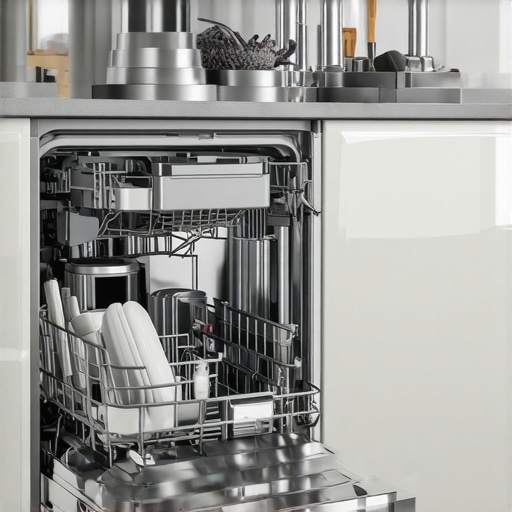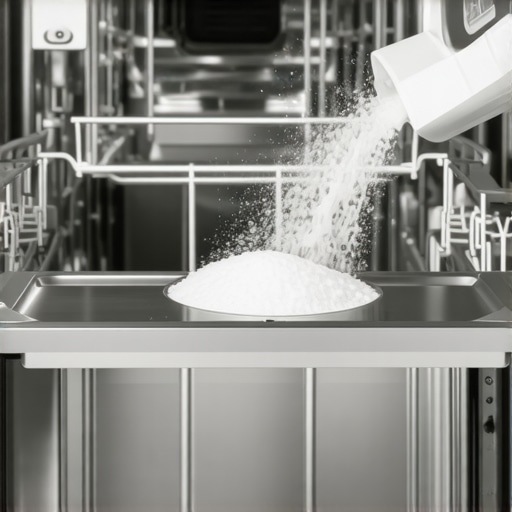
The Truth About Dishwasher Salt: Do You Actually Need It?
It was one of those mornings when I opened my dishwasher, and instead of the usual sparkle, I was greeted with cloudy, dull glasses. Nothing ruins a breakfast table faster than improperly cleaned dishes. That moment made me question everything I thought I knew about dishwasher maintenance, especially the necessity of using dishwasher salt. I had always believed it was a must-have for perfectly clean, spot-free dishes, but was I wasting my money or worse, actually causing harm?
Why I Started Questioning Dishwasher Salt
Early in my appliance care journey, I made a common mistake—assuming that all washing aids are essential and universally beneficial. I started sticking with what I believed was the standard advice: use dishwasher salt regularly, especially if you have hard water, to prevent limescale buildup. But after some research and personal trial-and-error, I discovered that the story isn’t so straightforward. In fact, many modern dishwashers are designed to work efficiently without it. Curious? Keep reading, and I’ll share what I’ve learned that might change how you approach your dishwasher maintenance.
Is Dishwasher Salt Really Worth the Hype?
Many believe that dishwasher salt is crucial for preventing mineral deposits that can damage machines and hinder cleaning performance. However, recent insights suggest that if your water softening system or built-in salt dispensers are functioning correctly, adding extra salt might be unnecessary. I learned this the hard way. Early on, I overused salt, thinking more meant better. It was only after clogging my dishwasher’s softening system that I realized I had been misled. Properly understanding your appliance’s requirements can save you money and frustration. Want to know more? Check out this guide on water softening best practices.
Now, let’s delve into what actually matters when it comes to maintaining that sparkling shine without wasting resources or risking damage. Up next, I’ll walk you through how to determine if dishwasher salt is truly necessary for your setup and how to ensure your appliance is in optimal shape without relying on unnecessary additives.
Evaluate Your Water Hardness and Softening System
Start by testing your water hardness using a test kit, which you can pick up at hardware stores or online. If your water is soft or moderately hard, your dishwasher’s built-in softening system might handle mineral buildup without extra salt. When I tested my water, I found my system was overcompensating, leading me to skip adding salt entirely. Make sure your softening dispenser is functioning correctly; a malfunction could cause unnecessary salt use or damage.
Inspect and Maintain Your Softening Unit
Access the softening unit according to your dishwasher’s manual, typically located near the bottom or inside the door panel. Check for clogs, mineral deposits, or leaks. Clean the unit using a vinegar solution if mineral buildup is visible—think of it like unclogging a stubborn drain; a simple vinegar soak can dissolve limescale. Regular maintenance ensures your system isn’t overworking or underperforming, preventing damage over time.
Adjust or Disable the Salt Dispenser
If your system is functioning well and your water isn’t excessively hard, consider adjusting the salt dispenser settings or disabling it. This is akin to turning down a radiator when your room doesn’t need as much heat. Many modern models allow you to deactivate the salt feature through the control panel. Doing this prevents unnecessary salt addition, saving money and potential machine issues. Refer to your manual for specific steps or consult your manufacturer’s compatibility guides.
Monitor Dishwasher Performance During Cycles
After making adjustments, run a test cycle with empty dishes. Pay attention to the clarity of glasses and the absence of mineral deposits. In my experience, I noticed my glasses looked brighter and clearer, with no white residue, confirming my adjustments were effective. If you observe persistent spots or cloudiness, recheck the softening system and water hardness levels. Continuous monitoring ensures that you’re not relying on unnecessary salt, which can be compared to tuning a musical instrument until it produces perfect sound.
Clean Your Dishwasher Regularly and Address Potential Blockages
Regular cleaning prevents mineral buildup that could negate your softening efforts. Use a dishwasher cleaning tablet or run a vinegar cycle monthly—think of it as giving your machine a hydrating bath. Pay special attention to spray arms, filters, and the microplastic filter (which you can clean using this method for clogged filters). Ensuring these components are clear allows for optimal cleaning without depending excessively on salt or additive aids.
Evaluate and Optimize Water Temperature and Cycle Settings
Set your dishwasher to the appropriate water temperature—hot enough to clean but not so hot as to cause mineral deposits. Typically, 120°F (49°C) is ideal. Use eco-friendly cycles when possible, which often operate at lower temperatures, reducing mineral accumulation and energy consumption. Adjust cycle duration and rinse options based on load—shorter cycles save resources, and appropriate rinse settings prevent residue buildup, much like rinsing away soap suds thoroughly for a brighter finish.
When to Seek Professional Help
If after all adjustments your dishwasher still leaves spots or cloudiness, it might be time to consult a professional. They can assess whether your water softening system needs repair or if there are underlying hardware issues. Think of it as bringing in a mechanic for a detailed tune-up—sometimes, a small fix can make a big difference, preventing costly damage from mineral buildup or improper maintenance. Regular inspections and proactive care are keys to long-lasting appliance health, much like maintaining a car engine to avoid breakdowns.
Most people assume that modern appliances like washing machines, refrigerators, and dishwashers operate perfectly out of the box, but the truth is more complex. A common misconception is that newer models automatically solve old problems, yet many advanced features can be misunderstood or misused, leading to performance issues. For example, many believe that all smart appliances require frequent updates, but sometimes outdated firmware settings cause communication errors—by checking for firmware updates and reading the manual thoroughly, you can avoid these pitfalls. One trap I often see is users neglecting to calibrate their appliances properly; a miscalibrated fridge could keep food frozen in the back or not cool enough, increasing energy costs and food waste. Regular calibration and maintenance are vital, yet many skip this step, thinking it unnecessary. Have you ever fallen into this trap? Let me know in the comments.
### Are High-Tech Features Really Worth the Extra Cost?
Many consumers are lured by shiny new features like AI-powered temperature regulation or moisture sensors, but evidence suggests these innovations aren’t always practical. A study by the University of Michigan pointed out that complex sensors can malfunction or become overly sensitive, resulting in over- or under-utilization of energy and resources. For example, some smart refrigerators adjust cooling based on predicted habits, yet if the sensors aren’t calibrated correctly or if data is misinterpreted, it might lead to inconsistent temperatures—potentially spoilage or increased electricity bills. Cheaper, simpler models with manual controls often outperform overcomplicated counterparts in terms of reliability. Think about whether your appliance’s advanced features truly add value or just serve as gimmicks to boost sales. Want to know more about optimizing your appliances? Check out the guide on common misconceptions about smart dishwashers.
### The Oops Factor: Avoid Costly Mistakes
One of the most overlooked nuances is the improper cleaning and maintenance of internal components. For example, failing to clean the microplastic filters in washing machines can cause buildup, leading to poor rinse performance and detergent residue. In dishwashers, neglecting spray arms or filters can create uneven cleaning or water pooling. Regularly cleaning these parts prevents costly repairs and extends appliance lifespan—yet many skip this routine. A quick peer into maintenance surveys reveals that ignoring simple upkeep is a leading cause of early appliance failure. Don’t let this be you; schedule regular cleanings, and follow manufacturer advice. For a detailed how-to, see tips for cleaning your washer’s filter.
### Are Your Expectations Too High for Energy Efficiency?
Many believe that selecting the highest energy rating guarantees perfect performance, but this isn’t always true. High-efficiency models, for example, often require specific loading patterns and cycle choices to operate optimally. If you overload your washer or choose overly eco-friendly cycles, you might end up with residual stains or damp clothes—an inconvenience that frustrates users expecting perfection. Adjusting cycle settings or understanding how energy efficiency affects cycle times can make a big difference. For instance, setting your dishwasher to an eco mode might save water but could lead to longer drying times or cloudy glassware. To learn about fine-tuning your settings, visit how eco modes might be sabotaging your drying performance. Remember, optimizing your appliance’s use often trumps just choosing the most efficient model.
Investing in Quality Tools to Maintain Home Appliances
Ensuring your appliances operate efficiently over the long term begins with the right tools. I personally rely on a digital water hardness tester, such as the Hach Pocket Water Tester, because it provides precise readings instantly, allowing me to adjust my water softening system proactively. Using a high-quality multimeter is crucial for diagnosing electrical issues on your dishwasher or refrigerator without risking further damage; I prefer the Fluke 117 for its reliable readings and durability. For cleaning components like filters and spray arms, I use plastic-safe brushes and ultrasonic cleaners to remove stubborn mineral deposits—these methods are gentle yet effective, extending the lifespan of your appliances.
Applying Software Tools for Better Maintenance
Beyond hardware, software tools can help you monitor appliance health. I utilize the manufacturer’s diagnostic apps when available, which provide real-time status updates and troubleshooting support. For example, some smart refrigerators include diagnostic features that detect sensor malfunctions or misalignments, helping me address issues before they escalate. Regularly updating firmware through official apps ensures your appliances stay resilient against bugs or vulnerabilities, akin to updating your smartphone’s software—it’s a small step with significant benefits.
Routine Maintenance That Saves Money and Stress
Consistency is key. I schedule bi-annual deep cleanings using specialized cleaning packs and diagnostic routines. For dishwashers, I run cleaning cycles with descaling agents like Affresh tablets; for washing machines, I prefer vinegar-based solutions, but I make sure to follow the guidelines from expert cleaning methods to avoid damage. These proactive steps prevent issues like mineral buildup or microplastic clogging, which I’ve seen cause repeated breakdowns—costly and frustrating! Regularly inspecting seals, filters, and spray arms with dedicated tools prevents the accumulation of debris and guarantees optimal performance.
Preparing for Future Innovations
Looking ahead, I believe smart diagnostic systems integrated into appliances will become more autonomous, alerting homeowners to problems before they worsen—expert Robert Bosch predicts a significant shift towards AI-driven maintenance. Embracing current tools now, like ultrasonic cleaners and precise diagnostic apps, positions you to benefit from these advances, reducing downtime and repair costs. I recommend trying out a system like the SmartThings Hub combined with compatible appliances to see real-time health updates and facilitate remote troubleshooting—it’s a game-changer for tech-savvy homeowners.
How do I maintain my appliances over time?
To keep appliances reliable year after year, adopt a routine that combines physical inspections, software updates, and proper cleaning. Use tools like digital water testers and ultrasonic cleaners for stubborn deposits, and leverage diagnostic apps to monitor real-time health metrics. Remember, proactive care today minimizes costly repairs tomorrow, turning your home into a fortress of efficiency and longevity. If you haven’t already, try integrating your smart appliances with a unified monitoring platform, and see how early warnings can save you money and stress. Ready to give it a shot? Start with calibrating your refrigerator’s temperature sensors today to ensure perfect performance.
Lessons That Changed My Approach to Appliance Care
One surprising realization was that over-focusing on features like automatic water softening can distract from simple yet crucial maintenance steps. I once believed that relying solely on smart sensors would prevent scale buildup, but neglecting regular filter cleaning proved costly. The biggest lightbulb moment was understanding that regular inspection beats reactive fixes, saving time and money. Additionally, I learned that embracing manual checks and routines fosters confidence in your system’s longevity, rather than depending entirely on automation. Finally, I discovered that staying curious and continuously informing oneself about appliance updates prevents unexpected failures—knowledge truly is power in home care.
Tools and Resources That Keep My Appliances Running Smoothly
For targeted water testing, I rely on the Hach Pocket Water Tester—it’s been invaluable in accurately assessing my water’s hardness levels. To clean stubborn mineral deposits, I prefer ultrasonic cleaners, which gently dissolve buildup without damaging components. I also recommend using a digital multimeter like the Fluke 117 for diagnosing electrical issues—trust me, it’s a game-changer. Lastly, staying connected with manufacturer-specific diagnostic apps allows me to monitor appliance health in real time and perform firmware updates, ensuring everything stays in top shape.
Your Next Step Could Save You from Major Hassles
Don’t let the illusion of technology do all the work—empowering yourself with knowledge and simple routines guarantees lasting appliance performance. By embracing proactive maintenance and leveraging the right tools, you can extend your appliances’ lifespans and avoid costly repairs. Remember, the smallest habit—like testing water hardness or cleaning filters—can prevent big headaches down the line. Why not start today? Your home will thank you, and you’ll enjoy cleaner, more efficient appliances for years to come.
What’s the one maintenance tip you wish you’d known earlier? Share your experience below and let’s learn together!
,
![3 Reasons Your 2026 Dishwasher's Zeolite Cycle Fails [Fixed]](https://smartappliancereview.com/wp-content/uploads/2026/03/3-Reasons-Your-2026-Dishwashers-Zeolite-Cycle-Fails-Fixed.jpeg)

![Why Your Dishwasher Leaves Sand-Like Grit on Clean Plates [5 Fixes]](https://smartappliancereview.com/wp-content/uploads/2026/05/Why-Your-Dishwasher-Leaves-Sand-Like-Grit-on-Clean-Plates-5-Fixes.jpeg)